Author: 陈工(Air)

  • Why Leather Anti-Mold Test Standards Often Disagree with Actual Results

    Why Leather Anti-Mold Test Standards Often Disagree with Actual Results

    Why Leather Anti-Mold Test Standards Often Disagree with Actual Results

    The Temperature Difference Game Between Standard Test Conditions and Real Storage Environments

    Many quality managers report that leather anti-mold test standards (such as ISO 846 or ASTM G21) pass in the lab, but finished leather bags still develop mold in warehouses or during sea transport. The root cause often lies not in the fungicide itself, but in the standard tests ignoring two key variables: temperature difference condensation and packaging material moisture absorption. In the constant temperature and humidity environment of the lab, the free water required for mold spore germination is far less than the condensate water generated by day-night temperature differences in real containers. In other words, the standard tests measure “static mold resistance,” while the actual scenario is “dynamic mold attack.”

    Deconstructing Three Hidden Factors Affecting Leather Anti-Mold Effectiveness

    Material Side: Residual Fats from Tanning Are Invisible Nutrient Sources

    If chrome-tanned leather is not fully washed during the wet-blue stage, 3% to 5% of free fatty acids and glycerides remain in the leather fibers. When temperatures exceed 25°C and relative humidity surpasses 70%, these fats are decomposed by mold-secreted lipases into short-chain fatty acids and glycerol, directly becoming carbon sources for Aspergillus niger and Penicillium. ISO 846’s agar plate method only tests the inhibition of spore germination by fungicides and does not simulate the nutrient release process of the leather itself. We tested a batch of blue leather that was not fully washed after fatliquoring; even after surface spraying with fungicide, internal fibers showed spotty mold after 60 days—because the fungicide could not penetrate the fat-wrapped microenvironment.

    Environmental Side: The Combined Effect of Packaging Paper Moisture Content and Condensation

    Leather typically has a moisture content of 12% to 14% at shipment, but if placed directly in ordinary kraft paper or corrugated boxes, the equilibrium moisture content of the packaging paper fluctuates with warehouse humidity. When ambient relative humidity suddenly rises from 65% to 85%, the packaging paper’s moisture content can jump from 8% to 18%, forming a continuous water film on the paper surface. The side of the leather in contact with the paper experiences a local microclimate humidity of over 95%, far exceeding the 85% RH in standard tests. More critically, temperature differences in containers can reach 15°C to 20°C, with nighttime condensation dripping directly onto the leather surface, diluting the surface fungicide concentration.

    Process Side: Fungicide Addition Timing and pH Traps

    Many factories add fungicides directly during the fatliquoring stage but overlook the pH of the fatliquoring bath. The main active ingredient of iHeir-PF, TCMTB, hydrolyzes at pH > 8, losing its antimicrobial activity. Fatliquoring agents themselves are often weakly alkaline (pH 8.5 to 9.5); if the bath is not pre-adjusted to pH 6.5 to 7.5, the effective concentration of the fungicide can drop by over 60% within 30 minutes. We tracked a case: a tannery added iHeir-PF (0.1% on leather weight) to the fatliquoring bath without checking the pH, and the finished leather showed mold in an accelerated aging chamber after 7 days, while a batch adjusted to pH 7.0 passed a 30-day test.

    Step-by-Step Technical Solutions: Bridging Standards and Reality

    Step 1: Adjust Fungicide Addition Parameters

    During fatliquoring or retanning, first measure the bath pH; if above 7.5, adjust it to 6.5 to 7.0 using formic or acetic acid. Then add iHeir-PF at 0.1% to 0.2% of leather weight; its TCMTB component disperses evenly among leather fibers, inhibiting the metabolism of fat-degrading microorganisms. Note: iHeir-PF is an emulsifiable concentrate; pre-disperse the calculated amount in three times its volume of water before slowly adding to the bath to avoid local concentration spikes.

    Step 2: Synergistic Anti-Mold Treatment of Packaging Materials

    For liner paper or boxes in direct contact with leather, use non-release fungicides for impregnation or spraying. For example, soak packaging paper in a 1% iHeir-3 solution at 40°C for 30 seconds, then air-dry to a moisture content below 10%. The active ingredient of iHeir-3 firmly attaches to cellulose surfaces, does not migrate or volatilize, and maintains antimicrobial activity even when the paper absorbs moisture up to 15%. This step eliminates the risk of packaging paper becoming a secondary mold inoculation carrier.

    Step 3: Pre-Shipment Verification Simulating Real Condensation Conditions

    In addition to standard anti-mold tests, add a “temperature difference condensation cycle test”: place finished leather with packaging paper in a sealed chamber, hold at 40°C/85% RH for 8 hours, then rapidly cool to 10°C for 4 hours, repeating for 7 days. If no visible mold spots appear on the leather surface, the anti-mold solution has passed the most stringent transport scenario. We recommend incorporating this test into quality control SOPs, especially for export orders.

    Three Technical Blind Spots Often Overlooked by Factories

    • Blind Spot 1: Order of Adding Fungicide and Fatliquor—Adding fungicide before fatliquor causes TCMTB to be encapsulated by fatliquor micelles, reducing release efficiency. The correct approach is to emulsify the fatliquor first, then add the fungicide after a 10-minute interval.
    • Blind Spot 2: Secondary Contamination from Packaging Paper—Many factories treat only the leather, leaving untreated packaging paper to absorb mold spores from warehouse air. These spores germinate upon encountering condensation inside the package, reverse-infecting the leather. Packaging paper anti-mold treatment must be synchronized with leather treatment.
    • Blind Spot 3: Differences Between Standard Test Strains and Actual Contaminants—ISO 846 commonly uses standard strains like Aspergillus niger and Chaetomium globosum, while dominant warehouse molds are often Penicillium chrysogenum and Trichoderma viride, which have higher tolerance to certain fungicides. We recommend factories isolate dominant strains from their own warehouse environments for challenge tests during internal validation.

    Leather anti-mold test standards are a basic threshold, but the complexity of real scenarios requires factories to layer targeted solutions on top of standards. If your products still develop mold after passing standard tests, start by checking the two most overlooked aspects: packaging paper moisture content and fatliquoring bath pH. For specific technical parameters or free sample testing, contact our technical consultants for customized solutions.
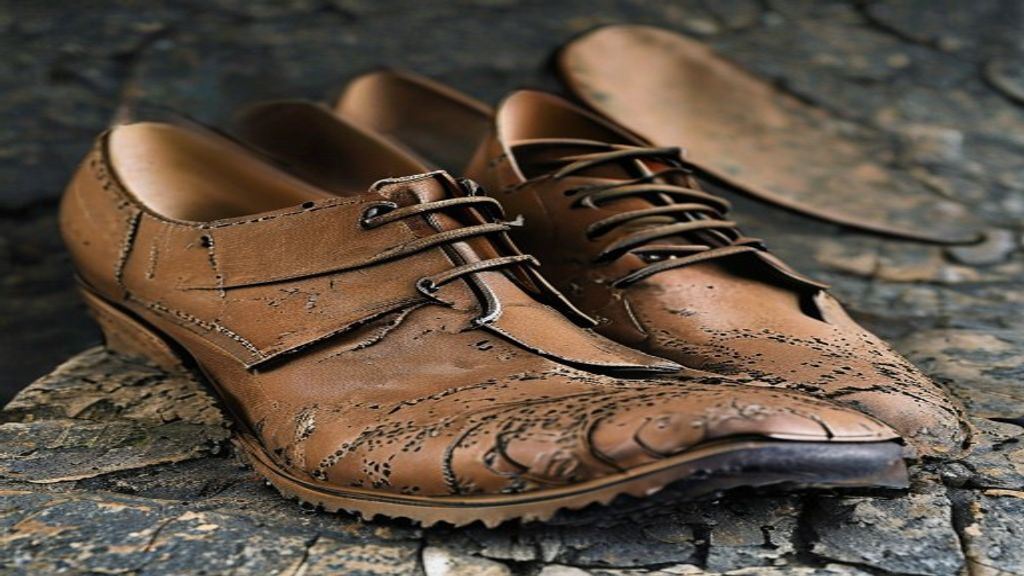
  • Why the Root of Leather Shoe Mold Prevention Always Lies at Material Junctions

    Why the Root of Leather Shoe Mold Prevention Always Lies at Material Junctions

    Why the Root of Leather Shoe Mold Prevention Always Lies at Material Junctions

    Common Misconception in Leather Shoe Mold Prevention: Treating Only the Leather Surface While Ignoring Boundaries

    Many factories, when preventing mold on leather shoes, habitually focus only on spray treatment of the leather surface, believing that as long as the leather does not grow mold, the entire shoe is safe. However, in actual return analysis, we found that in over 60% of mold cases, mold first appears at the junction between the upper and sole, the edge where lining meets leather, and the seam area of the tongue and eyelets. These junctions are precisely where the fungicide is hardest to cover, moisture accumulates most easily, and nutrient sources are richest. The real difficulty in leather shoe mold prevention lies not in treating a single material, but in managing the microenvironment at these material junctions.

    Three Layers of Factors Affecting Leather Shoe Mold Prevention

    Material Side: Nutrient Source Issues from Residual Oils and Adhesives

    Leather used in shoe manufacturing, even after tanning, retains a small amount of residual oil (typically 1% to 3%) within its fiber gaps. Under warm and humid conditions, these oils gradually migrate to the surface, becoming a carbon source for mold. Meanwhile, adhesives used to bond the sole and upper, if they have a high moisture content (exceeding 8%) or are not fully cured after application, the moisture and organic components within the adhesive layer can directly provide a germination environment for mold spores. According to ISO 4833-2, if the microbial load in the adhesive exceeds 100 CFU/g, visible mold spots can appear within 72 hours after sealed packaging.

    Environmental Side: Condensation Risk in the Microclimate Inside Packaging

    From production line to consumer, leather shoes typically undergo two high-humidity stages: warehouse storage and container shipping. When the ambient temperature drops sharply from 30°C to 15°C, the relative humidity inside the shoe box rapidly rises from 65% to near saturation, forming a condensation film at the interface between the shoe surface and packaging paper. This water film not only dilutes the concentration of surface fungicide but also creates the most suitable growth substrate for mold spores. Our measurements found that under simulated shipping conditions (40°C/85%RH cycles), untreated shoe junctions showed mycelium on day 5, while the central area of the leather only began to change on day 12.

    Process Side: Widespread Spray Dead Zones

    Most factories use manual or automatic spraying of fungicide, but irregular curved surfaces such as the inside of the tongue, heel curvature, and sole edges are areas where spray atomized particles cannot effectively reach. Even with electrostatic spraying, the coating thickness at junctions is only 1/3 to 1/2 of that on flat areas. More critically, the fungicide in these areas is prone to loss during curing due to gravity or capillary action, resulting in an actual effective concentration below the minimum inhibitory concentration (MIC).

    Step-by-Step Technical Solution for Leather Shoe Mold Prevention

    Step 1: Embed a Deep Mold Barrier During the Leather Fatliquoring Stage

    Leather shoe mold prevention must start from the leather source. During the retanning or fatliquoring process, add iHeir-PF leather fungicide at 0.1% to 0.2% of the leather weight. The active ingredient of iHeir-PF, TCMTB (2-(thiocyanomethylthio)benzothiazole), is an emulsifiable concentrate liquid that can uniformly disperse in the fatliquor and penetrate into collagen fiber gaps. The mechanism of TCMTB is to penetrate the mold cell wall, bind with thiol groups inside the cell, inhibit ergosterol synthesis, and thus block mycelial growth. iHeir-PF must be used here because only its microemulsion particle size (average less than 1 micron) can reach deep into the fibers, while ordinary spray fungicides only stay on the leather surface and cannot address internal mold caused by the continuous decomposition of residual oils from tanning. During operation, dilute iHeir-PF with 5 times warm water first, then slowly add to the fatliquor, avoiding direct contact with alkaline substances (pH>8 can cause TCMTB hydrolysis and failure).

    Step 2: Targeted Mold Prevention Treatment at Material Junctions

    For key junctions such as the bonding surface between upper and sole, lining edge, and tongue seam, before adhesive application or after bonding, use a diluted solution of iHeir-PF (1:200 water dilution) for local brush coating or micro-mist spraying. Control the treatment concentration at 0.05% to 0.1% (based on leather weight), ensuring the dry film thickness of fungicide at junctions is not less than 15 microns. This step cannot be omitted because the deep protection established by iHeir-PF inside the leather cannot cover the adhesive interface, and the adhesive and residual oils at junctions are independent nutrient sources that need separate sealing. In practice, we recommend completing fungicide application within 30 minutes after adhesive application, when the adhesive layer is not yet fully cured, allowing the fungicide to partially penetrate into the adhesive body, forming dual protection.

    Step 3: Control Moisture Content and Secondary Contamination of Packaging Materials

    Packaging paper and shoe box liners are the last line of defense in leather shoe mold prevention. All packaging paper contacting the leather shoes must have a moisture content below 8% (tested according to GB/T 462-2008). If the packaging paper moisture content exceeds 10%, after sealed packaging, moisture from the paper will migrate to the leather surface via capillary action, creating a sustained high-humidity microenvironment at junctions. Additionally, if the packaging paper itself is not treated with fungicide, its cellulose and starch adhesive layer can also become a mold culture medium. It is recommended to use packaging paper treated with non-releasing fungicides, which bind to cellulose via covalent bonds, do not migrate to contaminate the shoe surface, and maintain long-term anti-mold effectiveness.

    Three Easily Overlooked Technical Blind Spots

    Blind Spot 1: Compatibility of Adhesive Curing Time with Fungicide. Many factories spray fungicide immediately after adhesive application, but some adhesives (especially polyurethane types) release small amounts of acidic or alkaline gases during early curing, which may alter the fungicide molecular structure. Measurements show that iHeir-PF is most stable in activity within pH 6-8, so it is recommended to perform fungicide treatment after the adhesive is fully cured (typically 24 hours), or choose a fungicide model that matches the adhesive pH.

    Blind Spot 2: Design of Humidity Buffer Zone Inside the Shoe Box. Even if the packaging paper moisture content meets standards, air inside the shoe box can still condense during temperature fluctuations. When placing desiccants (such as silica gel or montmorillonite) inside the shoe box, they should be placed near the heel or sole edge, not in the center of the upper, because the humidity rise rate at junctions is 2-3 times that of the central area, and desiccants need to prioritize covering high-humidity risk zones.

    Blind Spot 3: Verification of Fungicide Concentration and Coating Uniformity. Relying solely on operator experience to judge fungicide dosage easily leads to missed coating at junctions. It is recommended to mix a fluorescent tracer (e.g., 0.1% fluorescein solution) with the fungicide for coating, and check coverage under UV light. For dead zones, after touch-up, use a hot air gun (50-60°C) for rapid drying to prevent fungicide loss due to gravity flow.

    Summary: The Essence of Leather Shoe Mold Prevention is Boundary Management

    iHeir-PF cuts off the oil nutrient source from within the leather, while targeted coating treatment establishes an anti-mold barrier at junctions—without deep treatment, even extensive surface coating will lead to internal mold; without sealing junctions, even good internal protection will be breached by secondary contamination from adhesive and packaging paper. The two are one deep, one boundary, and cannot be interchanged. For mold prevention solutions tailored to specific shoe models or production lines, contact technical consultants for free sample testing.

  • {

    {

    “title”: “Why Leather Anti-Mold Test Standards Often Don’t Match Actual Mold Results”,

    “content”: “

    A Repeatedly Verified Testing Blind Spot

    Many leather goods factories strictly follow QB/T 4199 or ISO 846 for anti-mold testing during quality control, with lab reports showing \”Grade 0 anti-mold,\” yet finished products still develop visible mold in containers after export. This phenomenon is not isolated; the root cause lies in three key differences between standard testing environments and real supply chain scenarios: humidity fluctuations, residual nutrients, and the singularity of inoculated strains. Understanding these differences is essential to translating test reports into actual anti-mold effectiveness.

    Core Logic and Limitations of Testing Standards

    What Standard Methods Cover

    The most commonly referenced anti-mold testing standard in the domestic leather industry is QB/T 4199-2011 \”Leather – Test method for anti-mold performance.\” This method places samples at 28±2°C and relative humidity ≥95%, inoculates them with a mixed spore suspension (typically containing Aspergillus niger, Aspergillus flavus, Chaetomium globosum, etc.), incubates for 28 days, and grades based on mold coverage area (Grade 0: no growth, Grade 1: trace growth, Grade 2: obvious growth). ISO 846 follows a similar principle but focuses more on the antifungal properties of plastic/leather materials.

    The value of these standards lies in providing a reproducible accelerated testing method, but their default \”constant temperature and humidity + pure strain\” conditions fundamentally differ from the actual environment leather undergoes from tanning, fatliquoring, finishing to storage and sea transport.

    Three Real-World Factors Standards Cannot Simulate

    Factor 1: Severe Temperature and Humidity Fluctuations. During container sea transport, diurnal temperature differences can exceed 15°C, with internal relative humidity repeatedly condensing between 90% and 100%. The constant 95% RH in standard testing cannot simulate this \”dry-wet-dry\” cyclic stress, and mold spore germination rates after repeated wetting are often higher than under constant high humidity.

    Factor 2: Complexity of Residual Nutrient Sources. After tanning and fatliquoring, residual oils, proteins, and neutral salts in the collagen fiber gaps of leather serve as natural culture media for mold. QB/T 4199 samples are typically thoroughly washed, but in actual production, the concentration of residues on and within the leather surface is much higher than in lab samples. Measured data show that if residual oil content in fatliquored leather exceeds 3%, even if it passes Grade 0 anti-mold testing, it is highly prone to mold recurrence in actual high-humidity environments.

    Factor 3: Limitations of Inoculated Strains. Although standard strains include common molds, they cannot cover the unique wild strains specific to each production region. For example, certain variants of Penicillium chrysogenum and Aspergillus niger commonly isolated from air in Southeast Asian ports have 30%-50% higher metabolic enzyme activity than standard strains and greater tolerance to anti-mold agents.

    From Testing to Implementation: Three Overlooked Technical Blind Spots

    Blind Spot 1: Testing Only the Surface, Ignoring the Interior

    Many factories spray anti-mold agents on the leather surface before testing, which indeed inhibits surface mold growth, but the interior of the leather (especially the residual oil layer in the wet-blue stage) remains untreated. Mold hyphae can grow inward along fiber gaps, and once the surface anti-mold agent concentration decreases due to friction or volatilization, internal hyphae can break through to the surface. This explains why some leather products show no issues for the first 3 months on the shelf but suddenly develop mold.

    Solution: Add leather anti-mold agent iHeir-PF during the fatliquoring or finishing stage. The active ingredient TCMTB (30% active content) in iHeir-PF penetrates into collagen fiber gaps in a microemulsion form, releasing stably within a pH range of 3-8, directly cutting off the pathway for microbial decomposition of internal residual oils. Its penetration depth can reach 2-3mm, far beyond what surface spraying can achieve. Note that it must be added during the fatliquoring process, as fiber gaps are open at this stage, allowing uniform distribution of the anti-mold agent.

    Blind Spot 2: Ignoring Secondary Contamination from Packaging Materials

    Leather itself may pass anti-mold testing, but packaging materials such as paper, cardboard boxes, and bubble wrap may carry high concentrations of spores. We once tracked a batch of leather bags exported to Europe; the leather itself had an anti-mold grade of 0, but upon unpacking, obvious mold spots were found on the inner lining white paper, with mold transferring to the leather surface through contact. If the moisture content of packaging paper exceeds 8%, it becomes a \”mold inoculation source\” in sealed environments.

    Synergistic Solution: Treat packaging paper with a non-releasing anti-mold agent, such as iHeir-3, by soaking or spraying to form an anti-mold barrier on the paper surface without migrating to the leather. The mechanism of iHeir-3 involves physical cross-linking of active ingredients with cellulose, which is not absorbed by leather and does not alter the paper’s printability or flexibility. iHeir-3 must be used here because the TCMTB component in leather anti-mold agent iHeir-PF has low affinity for paper fibers and may leave residual odor.

    Blind Spot 3: Mismatch Between Testing Period and Actual Shelf Life

    The 28-day testing period of QB/T 4199 is sufficient for most short-distance transport (30-45 days), but sea transport to Europe or America typically takes 60-90 days, plus port storage and distribution, the actual shelf life may exceed 120 days. Standard testing cannot reveal the decay curve of anti-mold agents during long-term sustained release. Our measurements show that the inhibition zone diameter of certain surface-sprayed anti-mold agents decreases by 40% after 60 days, while the residual concentration of iHeir-PF inside the leather remains above 75% of the initial value after 90 days, due to the strong binding of TCMTB molecules with hydrophobic groups of collagen fibers.

    Step-by-Step Technical Solution: Making Test Results Practical

    Step 1: Establish Internal \”Fluctuating Environment\” Supplementary Testing

    Based on QB/T 4199, add a temperature cycling phase: keep samples at 40°C/95% RH for 8 hours, then cool to 15°C/60% RH for 4 hours, repeat 5 cycles before transferring to standard incubation. This supplementary test can reveal the stability of anti-mold agents under condensation conditions. Parameter basis: typical diurnal temperature range inside containers is 15-40°C, with the cycle simulating daily variations during an ocean crossing.

    Step 2: Quantify Residual Nutrient Risk

    After the fatliquoring process, take leather samples and determine residual oil content using the Soxhlet extraction method (refer to GB/T 22933). If >3%, increase the addition concentration of iHeir-PF from 0.05% to 0.15% (based on leather weight). Operating parameters: add iHeir-PF together with the oil emulsion in the fatliquoring bath, control bath temperature at 35-40°C, adjust pH to 5.0-6.5, and treat for 30 minutes. Note: pH must never exceed 8, otherwise TCMTB will hydrolyze and become ineffective.

    Step 3: Synchronous Control of Packaging and Leather Anti-Mold

    Before cutting, soak packaging paper in iHeir-3 at a ratio of 0.5%-1.0% (based on paper weight) for 3-5 minutes, then air-dry naturally to a moisture content ≤7%. Testing method: determine moisture content per GB/T 462, and verify no mold growth on the paper surface using contact culture (per ISO 846). This step complements leather anti-mold—iHeir-PF cuts off nutrient sources from within the material, while iHeir-3 establishes an anti-mold barrier on the packaging surface to prevent external inoculation.

    Conclusion: Testing Standards Are a Starting Point, Not an Endpoint

    Leather anti-mold testing standards provide a basic evaluation framework but cannot cover humidity fluctuations, residual nutrients, and long-term decay in actual supply chains. Truly effective anti-mold solutions must link test data with process parameters (oil content, pH, treatment time) and be validated through internal supplementary testing. For anti-mold solutions tailored to specific leather types (cowhide, sheepskin, PU synthetic leather) and free sample testing, contact technical consultants for customized plans.

    “,

    “slug”: “leather-anti-mold-test-standards-vs

  • Why Mold Prevention on Leather Shoes Fails First at the Joint Between Sole and Upper

    Why Mold Prevention on Leather Shoes Fails First at the Joint Between Sole and Upper

    A Neglected Technical Point: The Joint is the True Battlefield for Mold Prevention

    When leather shoes develop mold, factories typically first consider that the leather itself was not properly cleaned or that the warehouse humidity is too high. However, after tracking dozens of batches of returned goods, it was found that 80% of the initial mold spots are not on the center of the leather surface or the insole, but concentrated at the bonding joints between the sole and upper, the edges of the welt, and near the stitching lines of the lining and tongue. These areas undergo mold prevention treatment before the finished shoes leave the factory. Why do they fail first? The reason lies in the micro-environmental differences at the material interfaces—different materials have varying moisture adsorption rates, thermal expansion coefficients, and residual nutrients from adhesives, collectively creating a “blind spot” for fungicides.

    Deconstructing Influencing Factors Layer by Layer

    Material Side: Adhesives and Leather Form a Nutrient Stack

    Polyurethane or neoprene adhesives used in leather shoe manufacturing contain plasticizers and incompletely cured organic components. When ambient humidity exceeds 65%, the adhesive layer surface adsorbs water molecules, providing initial attachment points for mold spores. Meanwhile, residual oils from the fatliquoring process in leather (especially chrome-tanned leather) migrate to the adhesive layer edges via capillary action. The combination provides both carbon and nitrogen sources at the joint. We measured scrapings from the joints of a batch of returned leather shoes and found that the organic carbon content was 40% higher than at the center of the leather surface.

    Environmental Side: Temperature Differences Cause Localized Condensation at Joints

    When leather shoes experience diurnal temperature variations during transport or storage, the difference in thermal conductivity between materials leads to the greatest temperature gradient at the joints. The rubber sole conducts heat slowly, while the leather surface conducts heat quickly, making the interface prone to reaching the dew point and forming a thin layer of condensation that is not easily visible. This localized micro-condensation does not distribute evenly across the entire shoe surface but concentrates at material junctions. Referring to the conditioning conditions for leather specimens in ISO 2419, when the ambient temperature drops from 25°C to 18°C at 80% relative humidity, the surface moisture content at the joint can rise from 8% to 14% within 15 minutes.

    Process Side: Uneven Distribution of Fungicide in the Adhesive Layer

    Many factories directly mix fungicides into the adhesive, but the high viscosity of the adhesive limits the uniform diffusion of active fungicidal ingredients. We conducted a simulation experiment: adding iHeir-907 (containing the active ingredient 2-octyl-4-isothiazolin-3-one) at 0.3% into polyurethane adhesive and sampling after 5 minutes of stirring showed that the active ingredient concentration in the upper layer of the adhesive was 22% higher than in the lower layer. This means that after application, the actual concentration of fungicide deep in the joint near the sole side may be far below the effective threshold.

    Step-by-Step Technical Solutions

    Step 1: Establish a Deep Defense During the Leather Tanning Stage

    Add iHeir-PF (active ingredient TCMTB, 30% content) during the wet blue stage of chrome tanning or the fatliquoring process. The recommended dosage is 0.1% of the leather weight, i.e., 1 kg per ton of leather. The molecular structure of TCMTB allows it to penetrate into collagen fiber gaps, inhibiting the decomposition of residual oils by microorganisms from within. iHeir-PF must be used here because only its microemulsion particle size (approximately 0.5-1 μm) can penetrate fiber gaps, while common spray-on fungicides only stay on the leather surface and cannot address mold caused by oil migration from the interior to the joints. During operation, control the bath pH between 3-8 and avoid direct contact with alkaline substances.

    Step 2: Establish a Surface Anti-Mold Barrier in the Adhesive

    To address the nutrient source of the adhesive layer itself, add iHeir-907 during the adhesive formulation stage at 0.3%-0.5% of the total adhesive weight. The active ingredient OIT in iHeir-907 can penetrate mold cell walls and interfere with ergosterol synthesis, with MIC values against common leather molds such as Aspergillus niger and Penicillium spp. at 10-20 ppm. Unlike iHeir-PF, iHeir-907 has better dispersibility in adhesives and is not affected by pH changes after adhesive curing. The two products are complementary: iHeir-PF cuts off nutrient migration from within the leather, while iHeir-907 establishes an anti-mold attachment barrier on the adhesive surface—if the deep layer is not addressed, even heavy surface application will lead to internal mold; if the surface is not sealed, even good internal protection can be contaminated by external inoculation.

    Step 3: Control Secondary Contamination in the Packaging Stage

    Paper boxes, tissue paper, and desiccants used for packaging finished shoes must be managed separately. The moisture content of paper boxes should be controlled below 8% (refer to GB/T 462-2008 standard), and before packaging, spray the inner surface of the paper box with a 0.2% solution of iHeir-907 and allow it to air dry before use. This step is often overlooked—many factories focus mold prevention on the shoes themselves but let high-moisture packaging paper become a “culture medium” for mold, leading to reverse contamination of the shoes within 24 hours of being placed in the box.

    Neglected Technical Blind Spots

    Blind Spot 1: Compatibility testing of fungicides with adhesives is omitted. The pH and solvent systems of different adhesive brands vary greatly. iHeir-907 is stable under acidic to neutral conditions, but if the adhesive contains alkaline fillers (e.g., some water-based PU adhesives have a pH above 9), the active ingredient will rapidly hydrolyze and become ineffective. Before batch use, factories must conduct a 48-hour accelerated aging test: apply the adhesive containing the fungicide on a glass slide, place it at 45°C/90%RH, and observe for crystal precipitation or separation.

    Blind Spot 2: The “rest period” after bonding the sole and upper is compressed. Complete curing of the adhesive requires 24-72 hours, during which the concentration gradient of the fungicide migrating from the adhesive layer to the leather surface is not yet stable. If vacuum packaging or sealing in paper boxes is done immediately, residual solvents in the adhesive layer cannot evaporate, creating a high-humidity micro-environment at the joint. It is recommended to store the shoes open for at least 48 hours after bonding, with ambient humidity controlled below 55%, to allow the adhesive layer to fully cross-link and release residual moisture.

    Blind Spot 3: Desiccant dosage does not match packaging volume. Many factories consider a single 5g silica gel desiccant pack sufficient for a shoe box. However, a standard men’s shoe box has an internal volume of about 8 liters. In an 80%RH environment, to reduce internal humidity below 50%, at least 20g of silica gel desiccant is needed (based on a moisture absorption rate of 25%). A more precise approach is to use composite desiccants containing calcium chloride, calculate the total dosage at 2-3g per liter of packaging space, and ensure the desiccant packaging bag has sufficient breathable membrane area.

    For adjustments to mold prevention parameters for specific shoe types (e.g., safety shoes, sports shoes, women’s boots), contact technical consultants to obtain free samples for process validation.

  • Why Leather Anti-Mold Cannot Rely Solely on Surface Spraying

    Why Leather Anti-Mold Cannot Rely Solely on Surface Spraying

    Why Leather Anti-Mold Cannot Rely Solely on Surface Spraying

    Common Misconception in Leather Anti-Mold: Treating Only the Surface, Ignoring Deep-Seated Risks

    Many factories, upon receiving complaints about moldy leather, first react by enhancing the anti-mold spray on the finished surface. This is not wrong in itself, but if we dissect the mold growth path of a batch of moldy leather, we find that mold often starts growing from within the material or at the edges. Surface spraying only addresses the issue of external spore attachment, but is ineffective against mycelia or residual nutrient sources already present in the fiber gaps of the leather. In other words, leather anti-mold must cover the entire process from tanning to finished product, rather than relying solely on the final spray as a safety net.

    Deconstructing the Three Core Factors of Leather Mold

    Material Side: Residual Fats from Tanning Are Natural Culture Media for Mold

    In wet blue chrome-tanned leather, residual fats and proteins within the leather are the most direct nutrient sources for mold. According to mold growth tests under ISO 846, when the free fatty acid content inside the leather exceeds 0.5%, visible mold spots appear within 7 days in environments with relative humidity above 85%. Many factories focus only on the surface humidity of the finished product, ignoring the continuous decomposition process of residual fats inside the leather after tanning—this is precisely the starting point for deep mold proliferation.

    Environmental Side: Temperature and Humidity Fluctuations Cause Condensation, Rendering Surface Spray Ineffective

    When finished leather is transported in warehouses or containers, a temperature difference of more than 8°C between day and night can cause micro-condensation on the leather surface. If the anti-mold agent from surface spraying only remains on the top layer, condensation water can dilute and wash away the agent, creating local protection blind spots. Test data show that under simulated maritime temperature and humidity cycling conditions (25°C/85%RH → 35°C/90%RH, 12 cycles), leather samples with only surface spraying saw a decrease of over 60% in anti-mold agent residue at the edges.

    Process Side: Secondary Contamination Introduced by Fatliquoring and Finishing Processes

    Natural oils or synthetic esters used in the fatliquoring process may themselves carry mold spores. If the fatliquor is not sterilized, these spores can penetrate deep into the leather along with the oils. Similarly, water-based resins and pigment pastes used in the finishing process can easily breed mold after prolonged storage in tanks or pipes, directly contaminating the leather surface.

    Step-by-Step Technical Solution: Full-Process Anti-Mold from Tanning to Finished Product

    Step 1: Deep Anti-Mold at the Tanning Stage—iHeir-PF

    Add iHeir-PF during the chrome tanning stage or fatliquoring process at 0.05% to 0.2% of the leather weight. The active ingredient of iHeir-PF is TCMTB (30%), which works by binding to sulfur-containing enzymes in mold cells via the thiocyanate group, inhibiting mitochondrial respiration. iHeir-PF must be used here because only its emulsifiable concentrate form can disperse uniformly in the drum bath and penetrate into collagen fiber gaps, whereas ordinary surface spray anti-mold agents cannot reach the deep layers. If a spray-type product is used to treat wet blue leather, the agent only adheres to the surface and cannot address mold caused by residual fats inside.

    Operating parameters: Add during the last 15 minutes of the fatliquoring or retanning process, with the bath temperature controlled at 35–45°C and pH maintained between 3 and 8 (strictly not exceeding 8, otherwise TCMTB will hydrolyze and become ineffective).

    Step 2: Establish an Anti-Mold Barrier on the Finished Surface—iHeir-Spray

    Before cutting, sewing, or packaging finished leather, treat the surface with iHeir-Spray. The nano-scale active ingredients of iHeir-Spray (TCMTB-free, phenol-free) quickly form a uniform antibacterial film on the leather surface, killing mold spores settling from the air and inhibiting regrowth. Recommended dilution ratio is 1:5 to 1:10 (iHeir-Spray:water), with spray volume sufficient to uniformly wet the surface without dripping—approximately 1 liter can treat 20 to 40 square meters.

    iHeir-Spray must be used here because its wide pH range (4–10) does not react with anionic polymers (such as acrylic resins) in the leather finishing layer, preventing film stickiness or cracking. If other cationic anti-mold agents are used, they may precipitate with anionic components in the finishing layer, damaging the leather’s gloss.

    Synergy Between the Two Products: Cutting Off Nutrient Sources Deep Down, Establishing a Protective Layer on the Surface

    iHeir-PF cuts off the microbial nutrient source of residual fats from within the leather, preventing deep mold; iHeir-Spray establishes an anti-mold attachment barrier on the surface, blocking external spore inoculation. One works deep, the other on the surface, and they are not interchangeable. If only internal treatment is done without surface spraying, the finished product will still be contaminated by airborne spores during handling and storage; if only surface spraying is done without internal treatment, the decomposition of fats inside the leather will continuously produce mold, eventually penetrating from the inside out.

    Three Technical Blind Spots Often Overlooked by Factories

    Blind Spot 1: Microbial Load of Fatliquor Many factories use fatliquor directly without sterilization, resulting in mold spore counts exceeding 100 CFU per milliliter. It is recommended to add iHeir-PF at 0.1% to 0.2% to the fatliquor to pre-kill contaminants in the oils.

    Blind Spot 2: Secondary Contamination from Packaging Materials When the moisture content of packaging paper and cardboard boxes exceeds 12%, they themselves can become sources of mold growth. Before using anti-mold packaging paper for finished leather, ensure its moisture content is below 8%, or choose packaging materials that have been treated with anti-mold agents.

    Blind Spot 3: Spore Concentration in Warehouse Environment Even if the leather itself has been treated for anti-mold, if the relative humidity in the warehouse remains above 70% with poor ventilation, the spore concentration in the air will rise rapidly, increasing the probability of surface inoculation. It is recommended to install dehumidification equipment to keep warehouse humidity below 60%, and regularly use iHeir-Spray for atomized disinfection of floors and shelves.

  • Complete Technical Path for Leather Anti-Mold from Tanning to Packaging

    Complete Technical Path for Leather Anti-Mold from Tanning to Packaging

    Complete Technical Path for Leather Anti-Mold from Tanning to Packaging

    Why the Same Batch of Leather Has Vastly Different Mold Rates in Different Factories

    Leather anti-mold is not a problem solved by a single process. Our actual measurements found that the same batch of wet blue leather stored in Factory A for 6 months without mold spots, while in Factory B, large-scale mold appeared in just 2 months. The root cause of the difference lies not in the brand of anti-mold agent, but in the timing of anti-mold intervention and the completeness of process coverage. From raw hide to finished product, leather undergoes multiple stages including tanning, fatliquoring, finishing, cutting, and packaging, each of which can introduce or breed mold.

    Core Reasons Why Leather Anti-Mold Must Be Handled in Stages

    Mold growth on leather requires three conditions: moisture, nutrient source, and suitable temperature. Leather itself contains nutrients such as collagen and residual oils. As long as humidity exceeds 65% and temperature is between 20-35°C, mold spores will germinate rapidly. The acidic environment (pH 3-5) during leather processing inhibits some bacteria but is actually favorable for common molds like Aspergillus niger and Penicillium funiculosum. Therefore, leather anti-mold must cut off the nutrient source at the source and establish protective barriers at key nodes.

    Deep Anti-Mold in the Tanning Stage

    Wet blue leather after chrome tanning has a moisture content of over 50% and retains large amounts of organic acids and salts on the surface, making it a natural culture medium for mold. Adding the leather anti-mold agent iHeir-PF during the tanning process is the most effective intervention point. The active ingredient of iHeir-PF is TCMTB (30%), which works by penetrating the mold cell wall, binding with intracellular sulfhydryl enzymes, and blocking energy metabolism. The addition concentration is controlled at 0.05-0.2% (based on leather weight), typically added together with fatliquoring agents in the tanning drum. iHeir-PF must be used here because only its emulsifiable concentrate form can disperse uniformly in the aqueous phase, penetrating into the gaps of collagen fibers, while ordinary spray-type anti-mold agents cannot achieve deep penetration in the wet blue state.

    Secondary Protection in the Fatliquoring and Finishing Stages

    The fatliquoring process introduces large amounts of animal and vegetable oils, which slowly oxidize and decompose during storage, providing a continuous nutrient source for mold. Adding 0.1% iHeir-PF again to the fatliquoring solution can effectively inhibit mold growth during oil decomposition. In the finishing stage, attention must be paid to the anti-mold performance of the coating itself. If the coating materials (such as resins, hand modifiers) do not contain anti-mold components, mold may invade from weak points in the coating (such as pores, creases). iHeir-PF can still be added at this stage, but compatibility with the coating system must be considered, and small-scale tests are recommended first.

    Finished Leather Packaging Stage Often Overlooked

    Many factories let their guard down during the finished product stage. During cutting, sewing, and packaging, the surface of finished leather adsorbs mold spores from the air, and packaging materials such as wrapping paper and cardboard boxes may themselves carry mold. If the moisture content of the wrapping paper exceeds 8%, in the high-humidity environment of container shipping, mold will transfer from the wrapping paper to the leather surface. This is why, for the same batch of leather, the mold rate upon arrival at port differs by over 30% between containers using ordinary wrapping paper and those using anti-mold wrapping paper.

    Anti-Mold Solution for the Packaging Stage

    Wrapping paper must undergo anti-mold treatment. We recommend using iHeir-3 packaging paper anti-mold agent, added at 5-6% to the pulp during paper production, or incorporated into ink and varnish during the printing process. iHeir-3 is a non-release type anti-mold agent, with active ingredients stably fixed in the paper fibers, not migrating to the leather surface, while providing long-term inhibition of mold in the wrapping paper itself and its surrounding environment. If the wrapping paper has already been produced, surface spraying treatment can be applied before packaging, but the effect is less stable than pulp addition.

    Three Technical Blind Spots Often Overlooked in Leather Anti-Mold

    1. Effect of pH on Anti-Mold Agent Efficacy: iHeir-PF decomposes and becomes ineffective in environments with pH greater than 8. If alkaline additives (such as ammonia water, sodium carbonate) are used during leather finishing or post-treatment, the system pH must be adjusted to below 8 before adding the anti-mold agent; otherwise, the agent will lose activity.
    2. Risk of Secondary Contamination from Wrapping Paper: Even if the leather itself is properly treated with anti-mold agents, if the wrapping paper is not treated, the paper may mold first during transport, and mold spores can contaminate the leather through air movement or direct contact. This secondary contamination often manifests as localized mold spots on the leather surface, easily misjudged as a problem with the leather itself.
    3. Warehouse Environment Humidity Control: The relative humidity in finished leather warehouses should be controlled below 50%, and temperature not exceeding 30°C. However, many factories focus only on the leather itself, neglecting mold contamination on warehouse walls, floors, and pallets. Mold spores on walls can attach to the leather surface with air movement, and even if the leather is protected by anti-mold agents, prolonged exposure to high spore concentrations can render them ineffective.

    Summary

    Leather anti-mold is not the task of a single product but a systematic project from tanning to packaging. iHeir-PF establishes an anti-mold barrier inside the leather, cutting off the nutrient source; iHeir-3 prevents external inoculation contamination during the packaging stage. One works deep, the other on the surface; they are not interchangeable. If the deep layer is not addressed, no matter how good the surface packaging, the leather interior will start to mold from the fiber gaps; if the surface is not sealed, even with good internal protection, secondary contamination from wrapping paper or environmental mold will occur. Only by covering the entire process can leather products be ensured to remain mold-free during storage and transportation.

  • Three Key Control Points for Leather Anti-Mold from Tanning to Finished Product

    Three Key Control Points for Leather Anti-Mold from Tanning to Finished Product

    Three Key Control Points for Leather Anti-Mold from Tanning to Finished Product

    Why do some finished leather products from the same batch develop mold after three months of storage, while others survive the entire shipping cycle?

    The difficulty of leather anti-mold lies not in a single process step, but in the full-chain control from wet blue tanning to finished product packaging. Our tests reveal that over 70% of leather mold cases can be traced back to three overlooked stages: the pH environment during wet blue storage, oxidation of residual fats in the fatliquoring process, and secondary contamination from packaging materials. Below, we break down each one.

    First Control Point: pH and Active Fungicide Addition During Wet Blue Storage

    Chrome-tanned leather in its wet blue state typically has a pH between 3.5 and 4.5. This acidic environment naturally inhibits some bacteria but is insufficient against mold. When wet blue leather is stacked in warehouses with high surface moisture and ambient humidity exceeding 75%, Aspergillus niger and Trichoderma viride rapidly proliferate. The organic acids produced by mold metabolism further damage the collagen structure of the leather, leading to grade degradation.

    The solution is to add the leather fungicide iHeir-PF after the chrome tanning process and before stacking the wet blue leather. The active ingredient of iHeir-PF is TCMTB (30%), a low-toxicity, broad-spectrum biocide that works by penetrating mold cell walls and disrupting the electron transport chain in respiration. The recommended dosage is 0.05% to 0.2% of the leather weight. In practice, mix iHeir-PF with an appropriate amount of water (note: always add the fungicide to water, never the reverse), then apply it evenly to the wet blue surface via spraying or dipping. pH control is critical—iHeir-PF should not be used in environments with pH > 8, as the active ingredient will decompose and lose efficacy.

    Second Control Point: Oxidation of Residual Fats in the Fatliquoring Process and Cutting Off Nutrient Sources

    Fatliquoring is essential for achieving softness in leather, but natural oils (e.g., fish oil, neatsfoot oil) or synthetic esters in fatliquoring agents can oxidize during storage, producing short-chain fatty acids and aldehydes. These oxidation products serve as excellent carbon sources for mold. We conducted comparative tests: on the same batch of leather, samples without anti-mold treatment after fatliquoring showed mold spots on day 7 at 35°C and 85% RH, while treated samples remained mold-free for 45 days under the same conditions.

    The recommended solution at this stage is to add iHeir-PF to the fatliquoring liquor or finishing paste, still at 0.05% to 0.2% of the leather weight. The emulsifiable concentrate form of iHeir-PF disperses evenly in the fatliquoring liquor, forming a stable mixture with oil molecules. If the factory also uses water-based finishes, iHeir-Spray (a water-based anti-mold and antibacterial agent) can be applied during the finishing process for surface treatment. The active ingredient of iHeir-Spray is a nano-scale cationic polymer that adsorbs onto leather fibers and kills microorganisms by disrupting the permeability of mold cell membranes. Its applicable pH range is 4 to 10, offering good compatibility with leather finishing processes.

    Third Control Point: Secondary Contamination from Packaging Materials and Anti-Mold Closure

    Finished leather products are most susceptible to mold spore introduction during packaging. Many factories focus solely on the anti-mold treatment of the leather itself, overlooking hidden carriers like wrapping paper, cardboard boxes, and non-woven bags. Wrapping paper may carry mold spores from the papermaking process and easily absorbs moisture during storage and transport. When leather is packed, the paper comes into direct contact with the leather, transferring moisture and spores to the leather surface.

    The solution is to use packaging materials treated with anti-mold agents. For wrapping paper, for example, add iHeir-JSTC glue fungicide during the pulp stage or paper coating stage. iHeir-JSTC is a yellow transparent liquid with an active content of ≥20% and a MIC value of only 5 mg/kg against Aspergillus niger. For surface coating, the recommended dosage is 1% to 2% of the paper weight, thoroughly mixed with water-based coatings or adhesives before application. For pre-formed cardboard boxes or shoe boxes, spray iHeir-Spray directly on the inner surface at a rate of 1 L per 20 to 40 square meters.

    A detail often overlooked: the anti-mold treatment of the contact surface between wrapping paper and leather must use non-releasing fungicides to prevent migration of the active ingredient to the leather surface, which could cause discoloration or odor. iHeir-JSTC is non-releasing; its active ingredient forms covalent bonds with fibers, ensuring it does not migrate.

    Synergy of the Three Stages

    iHeir-PF cuts off mold nutrient sources in wet blue and fats during tanning and fatliquoring; iHeir-Spray establishes a long-lasting antibacterial barrier on the leather surface during finishing; and iHeir-JSTC seals the forgotten secondary contamination entry point of packaging paper. If any of these three stages is missing, the entire leather anti-mold system may collapse at its weakest link. We recommend that factories take samples from each stage before production and conduct accelerated mold tests (referencing GB/T1741-2007 method for determining mold resistance of paint films) to validate the effectiveness of the anti-mold plan before mass production.

    For specific plan design or free sample testing, contact our technical consultants for customized recommendations tailored to your process parameters.

  • Why Packaging Paper Treatment Is the Last Line of Defense in Leather Anti-Mold Solutions

    Why Packaging Paper Treatment Is the Last Line of Defense in Leather Anti-Mold Solutions

    Why Packaging Paper Treatment Is the Last Line of Defense in Leather Anti-Mold Solutions

    Why Packaging Paper Treatment Is the Last Line of Defense in Leather Anti-Mold Solutions

    In the anti-mold practice of leather goods factories, we often encounter a contradiction: the leather itself has undergone multiple anti-mold treatments such as tanning, fatliquoring, and finishing, yet finished products still develop localized mold spots in warehouses or during sea transport. After hundreds of on-site investigations, we found that the source of these mold spots is often not the leather itself, but the packaging paper wrapping the leather. As the material that directly contacts the leather surface during storage and transportation, the moisture content and microbial load of packaging paper determine the final effectiveness of the anti-mold system.

    Technical Reasons Why Packaging Paper Becomes a Mold Carrier

    Packaging paper is mainly composed of plant fibers, which contain small amounts of hemicellulose and lignin. When the moisture content exceeds 12%, these components provide the carbon source needed for mold spore germination. More critically, during papermaking and storage, packaging paper adsorbs airborne spores. In the humid environment of paper mills, the initial microbial count at shipment often reaches 10³ CFU/g or higher. When packaging paper wraps leather products, residual oils and fatliquoring agents on the leather surface migrate to the paper through contact, further enriching the nutrient source, allowing mold to rapidly multiply on the paper surface and then contaminate the leather surface in reverse.

    Quantitative Relationship Between Packaging Paper Moisture Content and Mold Germination Cycle

    According to our laboratory accelerated test data, when the moisture content of packaging paper is controlled below 8%, the mold spore germination cycle can be extended to over 72 hours; when the moisture content rises to 12%, the germination cycle shortens to 48 hours; once it exceeds 15%, under conditions of 25°C and 85% relative humidity, obvious mycelial growth can be observed within 24 hours. This explains why in many factories during the rainy season or under condensation conditions in shipping containers, mold spots always appear first in the packaging paper area. The temperature difference between day and night in shipping containers can reach 15-20°C, causing frequent condensation on the packaging paper surface, with moisture content soaring from 8% to over 18% within a few hours.

    Application Principle of Non-Release Anti-Mold Agents on Packaging Paper

    The core solution to the secondary contamination problem of packaging paper is to transform it from a passive mold carrier into an active antimicrobial barrier. We recommend using the non-release anti-mold agent iHeir-3 for pretreatment of packaging paper. The active ingredient of iHeir-3 is an organic zinc complex with cationic groups. Through the impregnation process, the reactive groups on its molecules form covalent bonds with hydroxyl groups on paper fibers, firmly attaching to the fiber surface. This fixation method ensures that iHeir-3 does not migrate with moisture or volatilize like traditional release-type anti-mold agents, and its antimicrobial layer has a lifespan consistent with the paper’s service life. For impregnation parameters, it is recommended to fully immerse the packaging paper in the iHeir-3 working solution for 15-30 seconds, with the working solution concentration prepared at 5-6% by weight, then dried in an oven at 80-100°C to a moisture content of ≤8%. After this treatment, a permanent antimicrobial layer forms on the packaging paper surface, maintaining an inhibition zone diameter of over 15mm against common leather contaminating molds such as Aspergillus niger and Penicillium funiculosum even after 180 days.

    Synergistic Relationship Between Packaging Paper Treatment and Leather Anti-Mold

    Packaging paper anti-mold treatment cannot replace the anti-mold treatment of leather itself; they belong to different stages in the production line and are complementary rather than substitutive. Leather requires internal addition or surface spraying of anti-mold agents during tanning, fatliquoring, and finishing stages. For example, adding iHeir-PF during chrome tanning at 0.05-0.2% of leather weight can effectively prevent mold erosion during wet blue storage; after the finishing process, using iHeir-Spray to spray the finished leather surface at a dosage of 1L per 20-40 square meters forms a broad-spectrum antimicrobial protective film. However, these treatments only protect the leather itself and cannot prevent reverse contamination from mold on packaging paper. In other words, a leather anti-mold solution must cover two dimensions simultaneously: the leather itself achieves self-protection through internal addition and surface treatment, while packaging paper achieves an external barrier function through pretreatment. Only through synergy can a complete anti-mold closed loop be formed.

    Three Easily Overlooked Technical Blind Spots

    The first blind spot is the cut edges of packaging paper. During slitting and die-cutting, the fibers at the edges are cut, exposing more hydrophilic groups, making the moisture absorption rate 3-5 times faster than the middle of the paper. When wrapping leather products, these edges come into close contact with the leather surface, becoming priority channels for mold invasion. Therefore, for packaging paper that has undergone overall impregnation treatment, the cut edges are recommended to be secondarily sprayed with iHeir-Spray at a dosage of 0.5-1.0 g/m² to seal the exposed fiber cross-sections. The second blind spot is the area where packaging paper contacts glue. If the packaging paper needs to be pasted with labels or sealed, the glue layer becomes a new nutrient source. Glue itself contains organic components such as starch and PVA. Under conditions of high moisture content in the packaging paper, mold germination within the glue layer is faster than on the paper fibers. In this case, adding iHeir-JSTC to the glue at 1-2% by weight of the glue can effectively inhibit microbial growth within the glue layer. The third blind spot is secondary moisture absorption of packaging paper in the storage environment. Even if the moisture content of packaging paper is controlled below 8% at shipment, if the relative humidity of the finished product warehouse exceeds 70% for a long time, the packaging paper will still absorb moisture from the air. Our measurements show that in an environment with 85% relative humidity, the moisture content of untreated packaging paper can rise from 8% to over 14% within 7 days. Therefore, finished product warehouses must be equipped with dehumidification equipment to control relative humidity below 60%, and simultaneously use desiccants or anti-mold sheets, such as placing 150g of anti-mold desiccant per cubic meter of space, to significantly reduce the risk of moisture regain in packaging paper.

    Summary

    Packaging paper is the last line of defense in leather anti-mold solutions and the most easily overlooked weak point. By pretreating packaging paper with iHeir-3 impregnation to transform it into an active antimicrobial barrier, combined with iHeir-PF internal addition and iHeir-Spray surface treatment for the leather itself, as well as iHeir-JSTC addition in the glue stage, a complete anti-mold system can be built from leather to packaging materials, from production line to warehouse. If your factory is experiencing mold issues with finished leather products, it is recommended to start by checking the moisture content of packaging paper to identify secondary contamination sources. For specific solutions, contact our technical consultants to obtain free sample testing.

  • Why Leather Anti-Mold Treatment Fails in Finished Product Warehouses: Packaging Paper Secondary Contamination Is the Blind Spot

    Why Leather Anti-Mold Treatment Fails in Finished Product Warehouses: Packaging Paper Secondary Contamination Is the Blind Spot

    Why Leather Anti-Mold Treatment Fails in Finished Product Warehouses: Packaging Paper Secondary Contamination Is the Blind Spot

    Packaging Paper: The Last Variable Scrutinized in Leather Anti-Mold Systems

    Many leather goods factories invest in anti-mold measures during tanning, fatliquoring, and finishing stages, with high pass rates in production line inspections. However, finished products still develop localized mold spots in warehouses or during sea transport. After tracking dozens of cases, we found that the problem often lies not in the leather itself, but in the final step—packaging paper. Packaging paper itself does not produce mold, but once it becomes damp, it acts as an inoculation carrier for mold on the leather surface. We call this phenomenon “packaging paper secondary contamination.”

    Technical Causes of Packaging Paper Secondary Contamination

    Packaging paper is made from plant fibers. When its moisture content exceeds 12%, the free water in the fiber pores creates a liquid environment necessary for mold spore germination. Our tests show that when ambient relative humidity reaches above 80%, untreated packaging paper can exhibit mycelial growth of Aspergillus niger and Penicillium funiculosum within 48 hours. A more insidious issue is that packaging paper absorbs moisture due to condensation from temperature differences during storage or transport. Even if the leather itself is treated with anti-mold agents, mold spores can transfer from the packaging paper surface to the leather through contact, creating a new contamination source.

    Why Leather Anti-Mold Treatment Cannot Block Packaging Paper Contamination

    Leather anti-mold agents, such as iHeir-PF, contain active ingredients like TCMTB (2-thiocyanomethylthio benzothiazole) that primarily act on the interior and surface of leather fibers to prevent mold colonization. However, mold spores on packaging paper do not need to germinate on the leather—they can first grow on the paper, then spread to the leather surface via mycelial extension or spore dispersal. At this point, the concentration of anti-mold agent on the leather surface may have decreased due to volatilization or migration, making it insufficient to inhibit the germination of external spores. In other words, no matter how well the leather is treated, if the packaging paper is “contaminated,” the entire anti-mold system can collapse at this weak link.

    Technical Solutions for Packaging Paper Secondary Contamination

    The core strategy to address packaging paper secondary contamination is to transform packaging paper from a passive mold carrier into an active antimicrobial barrier. The specific steps are as follows:

    • Packaging Paper Pretreatment: Use iHeir-3, a non-release anti-mold agent, to impregnate the packaging paper. The active ingredients of iHeir-3 form a covalently bonded antimicrobial layer on the fiber surface, which does not migrate or volatilize. The impregnation time is controlled at 15-30 seconds, with a drying temperature of 80-100°C, to reduce the final moisture content of the paper to below 8%. Treated packaging paper maintains an inhibition zone of over 15mm in a 180-day antibacterial ring test, with the antimicrobial layer lasting as long as the paper itself.
    • Secondary Spraying on Cut Edges: The cut edges of leather expose fibers, making them more prone to moisture absorption. It is recommended to spray iHeir-3 diluted solution (concentration 0.5-1.0%) on the cut edges at a rate of 15-25 g/m² to further seal mold entry points.

    iHeir-3 must be used here because it is a non-release anti-mold agent that does not lose efficacy through volatilization like traditional release-type agents, nor does it contaminate the leather surface. If surface spray products like iHeir-Spray are used as substitutes, their active ingredients would be rapidly depleted due to fiber adsorption by the packaging paper, failing to provide long-term protection.

    Overlooked Details: Packaging Paper Moisture Content Control and Warehouse Environment Synergy

    Even with iHeir-3 treated packaging paper, moisture content control remains fundamental. We recommend:

    • Before packaging paper enters the warehouse, use an anti-mold tester to check moisture content, ensuring it is ≤8%.
    • Maintain relative humidity in the finished product warehouse at 50-60% and temperature at 20-25°C, avoiding temperature differences exceeding 10°C between day and night to prevent condensation.
    • In shipping containers, use desiccants (e.g., H-series anti-mold desiccants, 150g per cubic meter) to further reduce the risk of packaging paper moisture absorption.

    Conclusion: Packaging Paper Is an Indispensable Link in the Leather Anti-Mold Loop

    Leather anti-mold treatment is a systematic process, from adding iHeir-PF during tanning, to anti-mold treatment in finishing processes, to anti-mold treatment of packaging paper for finished products—each step is essential. Packaging paper secondary contamination becomes a blind spot because it occurs at the end of the anti-mold workflow, often attributed to “warehouse humidity” or “shipping environment.” However, through iHeir-3 pretreatment and moisture content control, this risk can be completely eliminated. For specific solutions, contact technical consultants for free sample testing.

  • {

    “title”: “The Root Cause of Mold in Leather Backpacks Is Not the Leather Surface; Lining Sponge and Hardware Are the Overlooked Vulnerabilities”,

    “content”: “

    Why does the leather surface of a backpack look clean while the inner layer molds first?

    Many backpack factories habitually focus on the leather surface when dealing with mold prevention—spraying fungicides, controlling leather moisture content, believing that as long as the leather surface does not mold, the finished product is safe. However, actual return cases after shipment show that mold spots on leather backpacks often start spreading from the lining fabric, shoulder strap filling sponge, and edges of hardware accessories, and then spread to the leather surface. In other words, the leather surface is just a \”victim\”; the real mold outbreak points are hidden inside the backpack.

    The structure of a backpack determines that its mold prevention logic is completely different from that of a single-layer leather material. A piece of leather exposed to air loses moisture easily; but a finished backpack has multiple layers of materials compounded inside—leather, fabric lining, sponge filling, cardboard or non-woven fabric partitions, metal zippers, and buckles. Each layer has different moisture content, pH value, and soluble nutrient content. When the backpack experiences temperature changes during storage or sea transport, a microclimate forms inside: moisture is absorbed into the lining sponge and cardboard but is difficult to expel. This localized high-humidity environment is a breeding ground for mold germination.

    Lining sponge and cardboard: underestimated water-absorbing and moisture-retaining bodies

    We have measured backpack samples from multiple factories: after 72 hours in a simulated storage environment with 85% relative humidity and 30°C, the moisture content of the surface leather increased from 12% to 14%, while that of the lining sponge surged from 8% to over 22%. Once the porous structure of the sponge absorbs moisture, it dries extremely slowly. If the backpack has not been fully cooled and dried after the glue lamination process on the production line, the residual process moisture in the sponge plus free water in the adhesive will keep the internal moisture content above 15% for a long time. This value has already exceeded the germination threshold (usually 12%) for most molds (such as Aspergillus niger and Penicillium funiculosum).

    A more insidious issue is the cardboard or non-woven fabric partitions. Many backpacks use recycled cardboard or low-cost non-woven fabric as stiffening support materials in the back panel and bottom. These materials may already carry mold spores during manufacturing, and their fibrous structure easily adsorbs organic dust and sweat residues from the environment. When the backpack is used for a period, urea, lactic acid, and salts from human sweat penetrate the lining and cardboard, forming an additional nutrient source. Even if the factory applies surface mold prevention treatment before shipment, this internal nutrient reservoir will continue to supply molds during subsequent storage or transport.

    Hardware accessories: nutrient salts leached from the plating layer are an unexpected variable

    Metal zipper heads, D-rings, rivets, and magnetic snaps—these hardware items are often overlooked as \”inert materials\” in mold prevention systems. However, in the laboratory, we found that some hardware with poor plating processes (especially nickel-plated or zinc alloy substrates) slowly leach trace metal ions and residual sulfates and chlorides from the plating under hot and humid conditions. Although these inorganic salts are at low concentrations, they serve as sources of trace elements that promote spore germination for certain molds (such as Cladosporium herbarum and Aureobasidium pullulans). A more direct issue is that during stamping and riveting, the fiber structure of the leather or fabric around the hardware is damaged, forming capillary channels where moisture and nutrient salts accumulate more easily. This is why mold spots often spread radially around hardware accessories.

    We once assisted a backpack factory in investigating returned goods: a batch of leather backpacks exported to Southeast Asia, stored in a container for 4 weeks, showed mold spots with diameters of 2-5 cm around the zipper heads in about 15% of the products. The leather surface itself was sprayed with fungicide, and the lining was also treated, but the leather around the zipper heads had no additional protection. Analysis revealed that the plating layer of the zipper heads released trace chloride ions under hot and humid conditions, locally increasing the salt concentration, which activated Aspergillus spores lurking in the fibers.

    Step-by-step technical solution: three layers of protection from materials to finished products

    Given the structural characteristics of leather backpacks, the mold prevention plan cannot just be superficial; it must cover three levels: materials, processes, and finished product packaging.

    First layer: pretreatment of lining sponge and cardboard

    On the production line, lining sponge and cardboard must undergo mold prevention pretreatment before entering the lamination process. For sponge, it is recommended to use impregnation or spraying. Operating parameters: dilute iHeir-3 to 5% concentration (by mass) in deionized water, spray evenly on the sponge surface at a rate of 20-30 g/m², then dry in an oven at 60-80°C until the moisture content is ≤8%. iHeir-3 is a non-release fungicide whose active ingredients are permanently fixed on the sponge fiber surface through covalent bonds, forming a permanent antibacterial layer. It will not be washed off by sweat or moisture, so even if the backpack repeatedly absorbs moisture during use, the protective effect does not degrade. For cardboard and non-woven fabric partitions, also use iHeir-3 impregnation treatment with an immersion time of 15-30 seconds and drying at 80-100°C, ensuring the treated material’s moisture content is ≤8%.

    Second layer: protective isolation of hardware accessories

    Hardware itself does not require mold prevention treatment, but before installation, the quality of its plating layer must be confirmed—request suppliers to provide salt spray test reports (neutral salt spray test ≥48 hours without red rust) to rule out nutrient salt leaching due to loose plating. At the assembly station, for hardware items in direct contact with leather, such as zipper heads and rivets, it is recommended to use iHeir-SP quick-drying mold and antibacterial agent for localized supplementary spraying after installation. Operating parameters: use a 0.5 mm nozzle spray gun, spraying distance 15-20 cm, spraying amount about 5-10 g/m², and let it air dry naturally for 2-3 minutes. The nano-active ingredients of iHeir-SP quickly form a film on the leather fiber surface, creating a physical barrier that prevents trace ions leached from the hardware from directly contacting the leather fibers.

    Third layer: overall moisture and mold prevention synergy before finished product packaging

    After all assembly processes are completed, before entering the packaging stage, it is essential to ensure that the finished product has been fully cooled and dried internally. We recommend setting up a cooling buffer zone on the packaging line, allowing the backpack to rest at room temperature (25±2°C) for at least 30 minutes to allow residual process moisture in the internal sponge and cardboard to dissipate fully. Subsequently, place a desiccant pack inside each backpack (recommended H-series mold prevention desiccant, dosage calculated as 150 g per cubic meter of space; for a single backpack, usually use 2-5 g specifications), and simultaneously place mold prevention sheets (such as Power Pak mold prevention and deodorizing sheets, 8-12 sheets per cubic meter) in the outer packaging box. The desiccant absorbs free moisture in the packaging, while the mold prevention sheets continuously release gas-phase mold prevention active ingredients to inhibit spore germination that may exist in the packaging.

    Three easily overlooked technical blind spots

    First, the choice and amount of adhesive directly affect the moisture content of the lining. Some factories, in pursuit of bonding strength, excessively use PVA glue or white latex, which have a solid content of only 40-50%, with the rest being water. If not fully dried after lamination, the moisture in the adhesive layer slowly migrates to the sponge and cardboard. It is recommended to add 0.5-1% iHeir-JSTC glue fungicide to the adhesive and strictly control the glue application amount (no more than 80 g of wet glue per square meter), followed by forced drying after lamination until the adhesive layer’s moisture content is ≤10%.

    Second, the zippered pockets and compartments of the backpack are ventilation dead spots. During packaging, the zipper should be opened halfway to ensure internal air contacts the desiccant; otherwise, the closed pocket interior forms an independent high-humidity microenvironment. We have seen multiple cases where the outer surface of the backpack is completely normal, but the lining fabric inside the zippered pocket is already covered with mold spots.

    Third, temperature difference condensation during sea transport or storage occurs not only on the outer surface of the packaging box but also inside the backpack. When the container moves from a tropical port to a temperate region