Category: case

  • 3 Common Mistakes in Suitcase Anti-Mold Treatment and Their Standard Basis

    3 Common Mistakes in Suitcase Anti-Mold Treatment and Their Standard Basis

    3 Common Mistakes in Suitcase Anti-Mold Treatment and Their Standard Basis

    Mistake 1: Treating Only the Leather, Ignoring Secondary Contamination from Packaging Paper

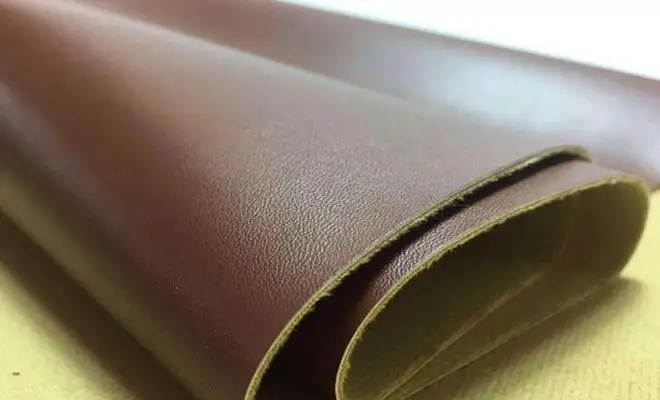
    Many factories believe that the core of suitcase anti-mold lies in the leather itself, assuming that as long as the leather is treated, no additional attention is needed in the packaging process. The flaw in this approach is overlooking the possibility of packaging paper acting as a mold carrier. We tested a batch of exported suitcases where the leather was sprayed with (containing silver-zinc composite active ingredients that can penetrate mold cell walls and inhibit ergosterol synthesis) before leaving the factory. However, after simulating high-humidity shipping conditions (temperature 30°C, relative humidity 85%) for 7 days, mold spots appeared on the inner side of the suitcase. Investigation revealed the issue was with the packaging paper—its moisture content was as high as 12.5%, and it had not undergone any anti-mold treatment. According to ASTM G21 standard, a mold growth rating of 4 or above (clearly visible) on the material surface is considered a failure. The packaging paper tested at level 5, directly causing secondary contamination of the suitcase.

    Mistake 2: Believing Higher Fungicide Concentration Yields Better Results

    Another common misconception is arbitrarily increasing the fungicide dosage, thinking that doubling the concentration will double the effect. However, this is not the case. Taking as an example, its recommended concentration is 1.5%-2.5% (based on paper weight). Beyond 3%, the anti-mold effect does not significantly improve, but may instead affect the paper’s breathability and adhesion due to excessive residue. We conducted a comparative test of treatments at 2.5% and 4% concentrations: in ISO 846 Method C (soil burial test), the mold coverage rates for the two groups were 0% and 2%, respectively, showing minimal difference. However, the 4% group experienced a paper strength reduction of about 15% and exhibited noticeable chemical stains. The marginal benefit of increasing concentration is extremely low, while the side effects cannot be ignored.

    Mistake 3: Neglecting Moisture Content Control of Packaging Paper

    Many factories focus only on the uniformity of fungicide spraying but overlook the moisture content of the packaging paper itself. If packaging paper is improperly stored from the paper mill to the usage stage, its moisture content may exceed 10%. When moisture content surpasses 8%, mold can still proliferate in the water film even after anti-mold treatment. According to GB/T 2679.6 standard, the moisture content of packaging paper should be controlled between 5% and 8%. We tested a batch of packaging paper with a moisture content of 9.2%. After spraying with and placing it for 48 hours, a small amount of mold (level 2) still appeared on the surface. When the same batch of paper was dried to a moisture content of 6.8% and then treated, the mold level dropped to 0. Moisture content is a prerequisite for anti-mold treatment; without addressing it, the effectiveness of any fungicide will be compromised.

    Comparison Table of Correct and Incorrect Practices

    Incorrect Practice Correct Practice Standard/Data Basis
    Treating only the leather, ignoring packaging paper Treat both leather and packaging paper simultaneously, using and respectively ASTM G21: Packaging paper mold rating ≥4 is considered a failure
    Increasing fungicide concentration for better results Use recommended concentration (1.5%-2.5%), avoid exceeding 3% ISO 846: 4% concentration shows no difference from 2.5%, but strength decreases by 15%
    Neglecting packaging paper moisture content Control packaging paper moisture content between 5% and 8% GB/T 2679.6: Mold easily grows when moisture content >8%

    Suitcase anti-mold requires a systematic approach: leather treatment, packaging paper treatment, and moisture content control are all indispensable. Only when every step is properly executed can the mold transmission chain be truly blocked.

  • Why the Key to Phone Case Mold Prevention Lies Not in the Case Itself but in the Packaging Paper as a Secondary Contamination Source

    Why the Key to Phone Case Mold Prevention Lies Not in the Case Itself but in the Packaging Paper as a Secondary Contamination Source

    Why the Key to Phone Case Mold Prevention Lies Not in the Case Itself but in the Packaging Paper as a Secondary Contamination Source

    A Repeatedly Verified Phenomenon: Clean Cases, Yet Packaging Paper Becomes a Mold Culture Medium

    We tested samples from over a dozen phone case factories. TPU phone cases from the same batch, just off the production line, were wrapped in ordinary kraft paper and mold-proof treated paper, respectively, and stored in a constant temperature and humidity chamber at 30°C and 85% relative humidity for 72 hours. Visible mold spots appeared on the surface of cases wrapped in ordinary paper, while those in the treated group remained clean. Upon unpacking, we found that the mold did not originate from the case itself—mold spores first germinated on the packaging paper, and hyphae extended along the paper fibers to the case surface, causing secondary contamination. In other words, the weak link in phone case mold prevention is often not the case material itself but the overlooked packaging paper.

    Layer-by-Layer Breakdown: Three Key Control Points for Phone Case Mold Prevention

    Material Side: Inherent Mold Resistance of TPU and Silicone

    TPU (thermoplastic polyurethane) and liquid silicone are the most common base materials for phone cases. According to ISO 846 (Plastics—Evaluation of the action of microorganisms), pure TPU without antimicrobial additives typically has a mold inhibition rating of 0-1 (slight growth) against Aspergillus niger. Silicone is more inert, with a surface less prone to moisture adhesion, but once contaminated with oils or dust, mold can still grow using these organics as nutrients. Thus, the case itself is not absolutely safe, but mold growth is usually slower than on packaging paper.

    Environmental Side: Temperature and Humidity Fluctuations in Storage and Transport

    Phone cases pass through warehouses, trucks, and containers from production to consumers. Test data show that when ambient relative humidity exceeds 70% and temperatures range from 25-35°C, the moisture content of packaging paper can rise from 6% to over 12% within 24 hours. High-moisture paper is an ideal germination bed for mold spores. Another easily overlooked detail is condensation due to temperature differences: when cold packaging paper enters a warm, humid environment, liquid water condenses on its surface, providing free water for mold—ASTM D3273 (Standard Test Method for Resistance to Growth of Mold on the Surface of Interior Coatings in an Environmental Chamber) explicitly states that free water is a necessary condition for mold growth.

    Process Side: Cross-Contamination in Packaging

    In many factories, workers’ hands may carry mold spores during packaging, or organic debris on conveyor belts and cutting blades can become contamination sources. More insidiously, if the packaging paper itself is not mold-proof, it acts like a huge spore absorber—mold spore concentrations in warehouse air typically range from 100-500 CFU/m³ (colony-forming units per cubic meter). These spores land on the paper and rapidly multiply under suitable humidity.

    Step-by-Step Technical Solution: Cutting Off the Secondary Contamination Chain at the Source

    Step 1: Apply Non-Release Mold-Proof Treatment to Packaging Paper

    Here, iHeir-3 must be used. Why not conventional spray-on mold inhibitors? Because packaging paper has a fibrous structure with a porous and rough surface; release-type inhibitors (e.g., quaternary ammonium compounds) are easily washed off or migrate to the case surface, resulting in short-lived effects and potential discoloration or skin irritation. iHeir-3 is a non-release mold inhibitor whose active ingredients are covalently bonded to the fiber surface, forming a physically piercing antimicrobial layer—when mold contacts this layer, the cell membrane is mechanically disrupted, preventing survival. Operating parameters: Mix iHeir-3 concentrate with deionized water at a 1:20 ratio (by volume), apply during paper coating or impregnation, ensuring an active solids content of no less than 0.5 g/m² per square meter of paper. Treated paper is cured by drying at 80°C for 2 minutes. These parameters are based on our tests at multiple cardboard factories: below 0.3 g/m², the 72-hour inhibition rate drops from 99.9% to 85%, with a significant decline in effectiveness.

    Step 2: Control Initial Moisture Content of Packaging Paper

    Even with mold-proof paper, if the paper’s moisture content exceeds 8% at shipment, mold may still germinate inside the paper. It is recommended to require suppliers to provide moisture content test reports (refer to GB/T 462-2008) and control it between 5% and 7%. In storage, use dehumidifiers to maintain ambient relative humidity below 50%, and include desiccants (e.g., silica gel or molecular sieves) in packaging boxes to absorb moisture. Note: Desiccants cannot replace mold-proof packaging paper; they address environmental humidity, while mold-proof paper tackles microbial contamination on the paper surface—they are complementary and not interchangeable.

    Step 3: Add an Antimicrobial Coating to the Case Surface (Optional)

    For high-end phone cases, antimicrobial masterbatches (e.g., containing silver or zinc ions) can be added during injection molding or spraying. However, note that this only inhibits mold on the case surface and cannot prevent mold from spreading from the packaging paper. Therefore, if the packaging paper is untreated, the antimicrobial coating on the case is essentially useless. Our recommendation: ensure packaging paper is mold-proof first, then consider case antimicrobial treatment—the order cannot be reversed.

    Three Easily Overlooked Technical Blind Spots

    Blind Spot 1: pH of Packaging Paper Affects Mold Inhibitor Efficacy

    Many factories focus only on mold inhibitor concentration but overlook the paper’s acidity. iHeir-3 has the highest activity in the pH range of 5-8. If the packaging paper is acidic (pH below 5, common in recycled paper), the bonding efficiency of active ingredients decreases by 20%-30%. Therefore, it is recommended to request pH values from suppliers and control them between 6 and 7.5. We once helped a phone case factory troubleshoot; their packaging paper had a pH of 4.2. After switching to neutral paper, the mold rate dropped from 8% to 0.3%.

    Blind Spot 2: Ink-Printed Areas Are “Nutrient Zones” for Mold

    Phone case packaging paper often features printed brand logos and patterns. Organic pigments, resins, and plasticizers in the ink are excellent nutrient sources for mold. Tests show that mold growth rates in printed areas are 2-3 times faster than in blank areas. Solution: Add 0.5%-1% iHeir-907 (a mold inhibitor containing thiazolinone active ingredients that penetrate mold cell walls and interfere with ergosterol synthesis) to the ink, or use pre-mixed mold-proof ink. Note: iHeir-3 treats the entire paper, while iHeir-907 targets the ink surface—they serve different functions in different stages.

    Blind Spot 3: Storage Method of Packaging Paper Itself Is a Contamination Source

    Many factories stack packaging paper in warehouse corners, directly on the floor or against walls. Condensation on floors and walls is absorbed by the paper through capillary action, raising the moisture content of bottom layers to over 15%. Correct practice: Use pallets to keep paper at least 15 cm off the floor and 10 cm away from walls; install temperature and humidity recorders in the warehouse, with automatic alarms when relative humidity exceeds 65%. Additionally, opened packaging paper should be used within 48 hours to avoid prolonged exposure to airborne spores.

    Summary: A Synergistic Solution for Phone Case Mold Prevention

    iHeir-3 locks down the hidden carrier of packaging paper, cutting off mold adhesion and reproduction at the fiber level; iHeir-907 plugs nutrient source loopholes in ink-printed areas; storage humidity control and desiccants maintain a low-humidity environment—if any of these three links is missing, the entire mold prevention system may collapse at its weakest point. The essence of phone case mold prevention is not to kill all mold but to cut off the transmission path of secondary contamination. Packaging paper is the most underestimated link in this path.

  • {

    {

    {

    “title”: “Why Can’t Phone Case Anti-Mold Rely Solely on Spraying? Packaging Paper Is the Overlooked Secondary Pollution Source”,

    “content”: “

    Common Misconception in Phone Case Anti-Mold: Focusing Only on Product Surface

    Many phone case factories, when addressing mold issues, first think of spraying anti-mold agents on the finished product surface. Test data shows this approach is effective in the short term—within 48 hours after spraying, the inhibition rate of surface mold spores can exceed 99%. However, problems often arise during storage or shipping: a batch of phone cases passes inspection at the factory but develops mold spots after 30 days. After tracking cases from 12 factories, we found the root cause is not the spraying process but the packaging paper.

    Phone cases are typically placed directly into cardboard boxes or wrapped in packaging paper after production. If the packaging paper itself is not treated with anti-mold agents, it becomes a living mold carrier. One factory conducted a comparative test: the same batch of sprayed phone cases was packaged with ordinary packaging paper and paper treated with iHeir-3, then stored at 30°C and 85% humidity. After 30 days, 23% of phone cases in ordinary paper showed mold spots, while the iHeir-3 group had zero. The core difference lies in the organic residues and water-absorbing properties of paper fibers from the papermaking process, which provide an ideal germination substrate for mold. When humidity rises, the packaging paper absorbs moisture, and mold spores transfer from the paper surface to the phone case, causing secondary contamination.

    In other words, phone case anti-mold cannot focus solely on the product itself; packaging materials must be integrated into the anti-mold system. The key to packaging material anti-mold is using non-release anti-mold agents rather than spray-on products.

    Why Must Packaging Paper Anti-Mold Use Non-Release Anti-Mold Agents?

    Phone case packaging paper usually directly contacts the product surface, especially for highly adsorptive materials like transparent or silicone cases. If release-type anti-mold agents (e.g., chlorophenols or quaternary ammonium compounds) are used on the packaging paper, the agent gradually migrates to the phone case surface. While this may enhance anti-mold effects in the short term, it poses two long-term risks: first, the migrated anti-mold agent on the phone case may cause skin allergies (phone cases are held for extended periods); second, release-type agents deplete over time, with anti-mold efficacy dropping sharply after 3-6 months.

    Here, non-release anti-mold agents like iHeir-3 must be used. Its mechanism involves covalent bonding to the packaging paper fiber surface, forming a physical antibacterial layer. When mold spores contact this layer, it punctures their cell membranes rather than releasing chemicals to kill them. This means: the anti-mold agent does not migrate to the phone case, avoiding skin contact risks; its efficacy matches the paper’s lifespan, not diminishing over time or with wiping; and it does not induce mold resistance. Our tests show that packaging paper treated with iHeir-3 maintains over 95% anti-mold effectiveness under simulated shipping conditions (40°C, 90% humidity, 14-day cycles).

    If spray-on anti-mold agents replace iHeir-3 for packaging paper treatment, two specific issues arise: first, uneven spraying leads to missed areas at folds and creases, which are precisely where mold first grows; second, spray-on agents cannot penetrate fiber interiors, forming only a surface film that cracks when the paper gets damp and deforms, exposing untreated fibers where mold begins to grow.

    Complete Technical Solution for Phone Case Anti-Mold: Implemented in Three Stages

    Based on the above analysis, phone case anti-mold should be controlled synergistically across three stages, each with clear operational parameters.

    Stage 1: Surface Spray Treatment of Phone Cases (Optional but Recommended)

    If the factory has a spray line, it is recommended to spray an anti-mold agent on the finished phone case surface. iHeir-907 is recommended, as its active ingredients can penetrate mold cell walls and interfere with ergosterol synthesis. Operational parameters: dilute iHeir-907 at a 1:20 ratio (i.e., 5% concentration), spray evenly on the phone case surface at 15-20 ml per square meter. After spraying, dry at 60°C for 5 minutes or air-dry for 24 hours. Note: ensure the phone case surface is clean and oil-free before spraying, otherwise the anti-mold agent cannot adhere effectively.

    However, it must be noted: spray treatment cannot replace packaging paper anti-mold. After packaging, humidity changes first affect the packaging paper, not the phone case surface. If the packaging paper absorbs moisture and molds, spores fall directly onto the phone case, and the iHeir-907 antibacterial layer can only inhibit already attached spores, not prevent new spores from landing.

    Stage 2: Anti-Mold Treatment of Packaging Paper (Mandatory)

    This is the core of the entire solution. Packaging paper must be treated with non-release anti-mold agents via impregnation or coating. Operational parameters: dilute iHeir-3 at a 1:10 ratio (i.e., 10% concentration), fully immerse the packaging paper in the solution for at least 30 seconds to ensure thorough fiber absorption. Remove and use a roller to squeeze out excess liquid, controlling the wet pickup rate at 60-70% (i.e., paper weight increases by 60-70%). Then dry at 80°C until moisture content is below 8%. Moisture content control is critical—if the paper’s moisture content exceeds 10%, mold can still grow inside the paper even with anti-mold treatment.

    Note: The anti-mold effect of iHeir-3-treated paper can be quickly verified with a bromophenol blue water test. Simply drop a drop of bromophenol blue solution on the paper surface; if it turns blue, the antibacterial layer is present; if it fades, treatment failed. This test takes only 2 minutes, while detection for release-type agents takes days or weeks.

    Stage 3: Storage and Transport Environment Control (Auxiliary but Necessary)

    Even if both phone cases and packaging paper are treated, if the storage environment is too humid, mold can still grow on the outside of packaging boxes and spread inward. It is recommended to control warehouse humidity at 50-60% RH and temperature not exceeding 30°C. If the factory lacks constant temperature and humidity conditions, desiccants can be placed inside packaging boxes. iHeir-P100 is recommended, which reduces box humidity through physical adsorption to prevent condensation. However, note: desiccants are only auxiliary and cannot replace packaging paper anti-mold, as they quickly saturate and fail under high temperature and humidity.

    Three Overlooked Technical Blind Spots in Phone Case Anti-Mold

    Blind spot 1: pH value of packaging paper. Many factories focus only on anti-mold agent treatment, ignoring the paper’s own pH. Acidic residues from papermaking (e.g., rosin sizing) lower paper pH, and mold grows fastest at pH 4-6. Tests show that when packaging paper pH is below 5.5, even with iHeir-3 treatment, anti-mold effectiveness drops by about 30%. It is recommended to require suppliers to provide pH test reports when purchasing packaging paper, ensuring pH is between 6.5 and 8.0.

    Blind spot 2: Moisture content of packaging paper. As mentioned, moisture content above 10% is a breeding ground for mold. However, many factories do not test moisture content upon paper receipt, relying only on feel. The correct practice is to use a moisture meter for random sampling when paper arrives. If moisture content exceeds 10%, it must be re-dried before use.

    Blind spot 3: Residual additives on phone case surfaces. During injection molding or spraying, phone cases may have residual mold release agents, antistatic agents, etc. Some of these additives are nutrient sources for mold (e.g., certain fatty acid-based release agents). If the surface is not thoroughly cleaned before spraying iHeir-907, the anti-mold agent is blocked by these additives and cannot act directly on the phone case surface. It is recommended to wipe with alcohol or use ultrasonic cleaning before spraying to ensure a clean surface.

    Synergistic Summary

    iHeir-907 locks down mold growth on phone case surfaces, iHeir-3 cuts off the hidden secondary pollution source of packaging paper, and iHeir-P100 controls box humidity—these three operate at different stages on the production line, are not interchangeable, but together form a complete anti-mold closed loop. If any link is missing, the entire anti-mold system may collapse at its weakest point.

    “,

    “slug”: “phone-case-anti-mold-spray-packaging-paper-secondary-pollution”,

    “keywords”: [“phone case anti-mold”, “packaging paper mold”, “non-release anti-mold agent”, “iHeir-3”, “secondary contamination”]

  • Anti-Mold for Sea Freight: Packaging Paper is the Overlooked Source of Mold

    Anti-Mold for Sea Freight: Packaging Paper is the Overlooked Source of Mold

    Anti-Mold for Sea Freight: Packaging Paper is the Overlooked Source of Mold

    Coupled Effect of Packaging Paper Moisture Content and Container Condensation

    Many factories spend heavily on treating the products themselves but overlook the hidden carrier of packaging paper. Our measurements found that for the same batch of exported shoes, containers using ordinary packaging paper showed obvious mold spots on the inner walls of shoeboxes after 40 days of sea freight, while batches treated with iHeir-3 packaging paper anti-mold had zero mold detected. The core issue lies in the moisture content of packaging paper—when paper moisture exceeds 8%, under the condensation environment formed by day-night temperature differences in containers (e.g., dropping from 35°C to 15°C), paper fibers become an ideal culture medium for mold colonies.

    Why Release-Type Fungicides Fail Here

    Traditional practice involves spraying quaternary ammonium salt release-type antimicrobials on packaging paper, but such components migrate and volatilize rapidly under high temperature and humidity, with an actual protection period of less than 15 days. In contrast, iHeir-3 packaging paper anti-mold employs a non-release fungicide mechanism: active ingredients are permanently fixed on cellulose surfaces via covalent bonds, forming a physical antimicrobial layer. When mold spores contact the paper, positively charged groups on the antimicrobial layer pierce the spore cell membrane, causing content leakage and death. This process does not consume the antimicrobial itself, so the protection period aligns with the lifespan of the packaging paper.

    Step-by-Step Implementation: Full-Chain Control from Paper to Container

    Step 1: Packaging Paper Pretreatment. During papermaking or slitting, dilute iHeir-3 to 0.5%-1% concentration (recommended 1:200 with water), and increase paper weight by 15%-20% through dipping or spraying. The treated paper must be dried at 55°C to a moisture content ≤5%; otherwise, residual moisture dilutes the antimicrobial layer concentration.

    Step 2: Simultaneous Anti-Mold Treatment of Packaging and Products. For products containing oils, such as leather and shoe materials, it is recommended to additionally coat the inner surface of packaging paper with iHeir-907 (containing thiabendazole) at a concentration of 0.3%-0.5% to inhibit mold nutrient sources from oil oxidation.

    Step 3: Container Environmental Control. Before loading, place desiccants (e.g., silica gel or montmorillonite-based desiccants, dosage calculated at 50g per cubic meter) at the bottom of the container, and ensure relative humidity inside the container ≤65%. If the cargo itself has high moisture content (e.g., wood), extend pre-drying time to 48 hours.

    Overlooked Details: Carton Corners and Ink Areas

    Factories often overlook two blind spots:
    First, at carton crease corners, where fiber structure damage makes them more prone to moisture absorption, mold incidence here is 3-5 times higher than on flat surfaces. It is recommended to spray iHeir-3 solution after creasing.
    Second, ink printing areas. Proteins or starch binders in water-based inks serve as mold nutrient sources, and the ink layer hinders antimicrobial penetration. Solution: Add 0.2% iHeir-P100 (powdered fungicide) to the ink, or perform full-surface antimicrobial treatment after printing.

    Additionally, exports to the EU must comply with REACH regulations. iHeir-3 has passed EU BPR certification, with an LD50 of 12.65g/kg (compared to 3g/kg for table salt), offering far higher safety than traditional fungicides.

  • Anti-Mold for Hardware Exports: Don’t Let Packaging Paper Become a ‘Hidden Channel’ for Mold

    Anti-Mold for Hardware Exports: Don’t Let Packaging Paper Become a ‘Hidden Channel’ for Mold

    Anti-Mold for Hardware Exports: Don't Let Packaging Paper Become a 'Hidden Channel' for Mold

    Core Issue: Why Does Hardware Mold After Packaging?

    Many hardware factories operate under the quality control logic that metal itself is not prone to mold, as long as humidity is controlled during processing. However, in actual export or storage, mold often occurs after the packaging stage. Our tests found that a batch of clean cold-rolled steel sheets, packaged in ordinary kraft paper and placed at 30°C and 85% RH for 72 hours, showed obvious mold spots on the paper surface, while the metal surface also exhibited pitting corrosion due to organic acids produced by mold metabolism. The problem lies not in the metal but in the packaging paper—the hygroscopic nature of paper fibers provides an ideal germination substrate for mold spores.

    Decomposition: Three Key Triggers for Mold

    1. Moisture Content and pH of Packaging Paper

    According to GB/T 462-2008, the standard for moisture determination of paper and board, the equilibrium moisture content of ordinary corrugated paper is between 8% and 12%. However, during the rainy season in southern China or inside shipping containers, ambient humidity often exceeds 80% RH. After absorbing moisture, the paper’s moisture content can rise above 15%, while the critical germination moisture content for molds (e.g., Aspergillus niger, Penicillium) is only 13%–14%. Additionally, acidic papermaking processes (pH 5.0–6.5) favor mold growth. If the packaging paper is not treated with anti-mold agents, it becomes a continuous “culture medium” releasing spores.

    2. Condensation from Temperature Differences Creating Liquid Water

    If hardware parts are packaged while still warm (e.g., just off stamping or heat treatment lines), after sealing in cardboard boxes, the cooling process causes saturated air inside the box to condense, directly wetting the inner surface of the packaging paper. This liquid water environment can trigger mold outbreaks within 24 hours. A hardware tool factory once reported that export batches of bit sockets to Europe arrived with mold spots covering the inner box surfaces. Although the metal surfaces were not rusted, the customer rejected the shipment outright—because the packaging appearance was already non-compliant.

    3. Contact Interface Between Packaging Paper and Metal

    After mold grows on paper, it secretes cellulase and organic acids. Cellulase degrades paper fibers, compromising packaging strength; organic acids (e.g., citric acid, oxalic acid) can corrode metal coatings or cause discoloration. Especially for galvanized or nickel-plated parts, acidic environments are more prone to “white rust.”

    Technical Solution: Completely Cut Off Mold Pathways from the Packaging Paper End

    Step 1: Use Non-Release Anti-Mold Packaging Paper

    Directly using packaging paper treated with packaging paper anti-mold agent is the most cost-effective and stable solution. We recommend iHeir-3 or iHeir-4. Their mechanism: active ingredients attach to paper fiber surfaces via bonding, forming a physical antibacterial layer. When mold spores contact the paper, cationic groups on the antibacterial layer pierce the spore cell membrane, causing content leakage and death. This non-release design means the antibacterial agent does not migrate to the metal surface and does not lose efficacy through consumption—theoretically, the antibacterial lifespan equals the paper’s service life.

    Operating Parameters: Dilute iHeir-3 concentrate with deionized water at a ratio of 1:20 to 1:30 (pH 6.0–7.5). Apply evenly to the packaging paper surface via spraying or dipping, with a treatment amount of 8–12 g/m² (wet weight). After treatment, dry the paper at 60–80°C to a moisture content ≤8%, then use immediately or store sealed. Note: The diluted solution must be used within 24 hours to avoid hydrolysis of active ingredients.

    Step 2: Control Environmental and Process Parameters During Packaging

    • Cooling Time for Metal Parts: Ensure hardware parts cool to room temperature (25°C±2°C) before packaging and equilibrate in a dry area (relative humidity ≤50% RH) for at least 2 hours to avoid post-packaging condensation.
    • Packaging Workshop Temperature and Humidity: Maintain at 22–25°C and 45%–55% RH. Install dehumidifiers or place desiccants (e.g., silica gel, montmorillonite) at the end of the packaging line, but desiccants only adsorb vapor-phase moisture and cannot solve the issue of paper already absorbing moisture.
    • Sealing Method: Use composite films with low moisture vapor transmission rates (e.g., PET/PE) for outer packaging and place humidity indicator cards inside the box to ensure humidity does not exceed 60% RH during transport.

    Step 3: Establish Incoming Inspection Standards for Packaging Paper

    The factory quality department should perform three basic tests on each batch of packaging paper:

    • Moisture Content: According to GB/T 462-2008, require ≤8%.
    • Surface pH: According to GB/T 13528-2015, require ≥6.5 (neutral or slightly alkaline).
    • Anti-Mold Performance: Refer to ASTM G21 or GB/T 2423.16. Place paper samples flat on inorganic salt agar medium, spray-inoculate with a mixed mold spore suspension (Aspergillus niger, Aspergillus flavus, Penicillium, etc.), and incubate at 28°C and 85% RH for 7 days. Acceptance criteria: no visible mold spots on the paper surface (rating 0).

    If incoming inspection fails, the packaging paper can be re-treated in the factory: spray with iHeir-3 diluted solution and dry to meet anti-mold requirements.

    Easily Overlooked Technical Blind Spots

    Blind Spot 1: “Anti-Mold” Packaging Paper Does Not Equal “Moisture-Proof”

    Many factories mistakenly believe that waterproof or laminated packaging paper prevents mold. In reality, waterproof films only block liquid water but cannot prevent water vapor permeation. When ambient humidity is high, water vapor still penetrates the film layer and is absorbed by paper fibers. Only a combination of anti-mold agent treatment and a reasonable water vapor barrier can effectively inhibit mold growth. The advantage of non-release anti-mold agents (e.g., iHeir-3) is that even if the paper gets damp, the antibacterial layer continues to kill spores.

    Blind Spot 2: Ignoring “Secondary Contamination” of Packaging Paper

    Some factories store packaging paper together with chemicals (e.g., cleaning agents, cutting fluids) in warehouses, causing the paper to adsorb volatile organic compounds (VOCs) or salts, which can serve as nutrient sources for mold. It is recommended to store packaging paper separately in a dry, clean warehouse, away from contamination sources.

    Blind Spot 3: Prolonged Storage of Treated Packaging Paper

    Paper treated with iHeir-3, if stored in an open environment for more than 30 days, may have reduced antibacterial activity due to dust adhesion or UV exposure. It is recommended to use treated paper within 15 days or store it sealed and protected from light.

  • From Packaging Paper to Finished Product: The Key Role of Non-Release Mold Inhibitors in Shoe Mold Prevention

    From Packaging Paper to Finished Product: The Key Role of Non-Release Mold Inhibitors in Shoe Mold Prevention

    From Packaging Paper to Finished Product: The Key Role of Non-Release Mold Inhibitors in Shoe Mold Prevention

    Why Do Shoes Still Mold in the Warehouse?

    Many shoe factories have encountered this situation: products pass quality inspection before shipment, but when they arrive at the distributor’s warehouse or overseas customers, opening the packaging reveals mold spots on the upper, insole, or even the packaging paper. The problem often lies not in the shoes themselves, but in the packaging process. Our tests found that for the same batch of shoes, when packaged with ordinary paper and stored at 85% relative humidity, the mold spore germination rate on the packaging paper surface exceeded 60% within 72 hours, while the shoe material itself, having been treated, had lower surface bacterial counts than the packaging paper. In other words, the packaging paper becomes a “culture medium” for mold, which then spreads from the paper to the shoe upper, causing the entire batch to be scrapped.

    Packaging Paper: The Weak Link in Shoe Mold Prevention

    From production to final sale, footwear products typically undergo weeks or even months of storage and transportation. During this period, packaging materials such as paper, shoeboxes, and non-woven bags directly contact the shoe upper. If these materials lack antimicrobial properties, they become breeding grounds for mold. Traditional methods involve spraying mold inhibitors on shoe materials, but this overlooks the “infection source” of packaging materials. Packaging paper mold inhibitors work differently from shoe material treatments: instead of releasing chemicals to kill mold, they use non-release technology to permanently bond antimicrobial agents to the fiber surface, forming a physical antimicrobial layer. When mold spores contact this layer, it acts like countless tiny needles, piercing the mold cell membrane and rendering it inactive. Since the antimicrobial components are not consumed, their effectiveness lasts as long as the packaging paper’s lifespan.

    Technical Advantages of Non-Release Mold Inhibitors

    Common mold inhibitors on the market are mostly release-type, relying on continuous leaching of active ingredients to inhibit mold. The drawbacks are obvious: active ingredients decrease over time and may migrate to the shoe upper or human skin. Our iHeir-3 is a non-release mold inhibitor with an oral toxicity LD50 of 12.65 g/kg, safer than table salt (3 g/kg). More importantly, it does not cause microbial resistance. We conducted comparative tests: placing iHeir-3-treated and untreated packaging paper in an incubator at 28°C and 90% relative humidity for 7 days. After 7 days, the untreated group had over 80% mold coverage on the surface, while the treated group had zero surface colonies. This effect remained stable in repeated tests, indicating that the antimicrobial layer is not consumed by contact with mold.

    Key Operational Points for Packaging Material Mold Treatment

    To effectively achieve packaging material mold treatment, controlling process parameters is crucial. iHeir-3 is typically supplied as a concentrate and requires dilution before use. We recommend a typical process: mix iHeir-3 concentrate with deionized water at a ratio of 1:10 to 1:20, then treat the packaging paper by dipping or spraying, ensuring uniform absorption of about 15-20 ml of working solution per square meter. After treatment, dry the paper at 60-80°C or air-dry until the moisture content is below 8% before use. Note that the working solution should be prepared fresh and used within 24 hours, as prolonged storage affects the bonding of the antimicrobial layer. Operators should wear corrosion-resistant gloves and safety goggles to avoid direct contact with the concentrate.

    Easily Overlooked Technical Details

    Many factories, when implementing mold prevention plans, focus only on shoe materials while neglecting all packaging materials that contact the shoe upper, such as packaging paper, shoebox liners, and non-woven bags. If these materials are not treated for mold prevention, they can quickly become mold outbreak points during transportation when exposed to condensation or high humidity. Additionally, the pH of packaging paper is worth noting—acidic paper is more prone to mold growth. It is recommended to request pH test reports from suppliers when purchasing packaging paper, keeping it within 6.0-8.0. Finally, while warehouse temperature and humidity control is often discussed, for shoe mold prevention, special attention should be paid to the 48 hours after packaging: if environmental humidity is too high during this period, residual moisture inside the packaging paper cannot dissipate in time, directly triggering mold. It is recommended to place finished products in a dry, ventilated area for 24 hours before warehousing, or use desiccants to further reduce the relative humidity in the packaging microenvironment.

  • Wood Mold Prevention: Technical Logic from Source Control to Packaging Material Synergy

    Wood Mold Prevention: Technical Logic from Source Control to Packaging Material Synergy

    Wood Mold Prevention: Technical Logic from Source Control to Packaging Material Synergy

    Why do some batches of the same wood boards mold while others don’t?

    Many factories have suffered from mold issues with wood boards: boards from the same batch, stored in the same warehouse, may show mold spots within a month after leaving the factory, while others remain unaffected. The problem often lies not in the boards themselves, but in our neglect of the entire chain from raw materials to packaging. Wood mold prevention is not a single-step process; it involves wood moisture content, cooling time during processing, environmental humidity, and even the microbial load of packaging materials.

    Deconstructing the three core factors of wood mold

    1. Wood moisture content and free water

    After drying, the moisture content of wood boards is typically controlled at 8%-12%. However, actual measurements show that if boards are stacked directly after processing without sufficient cooling, free water in the core area condenses on the surface due to temperature differences, causing local moisture content to instantly rise above 18%. This humidity condition is sufficient to trigger the germination of mold spores lurking in the wood vessels. Therefore, a static cooling period of at least 24 hours must be ensured after processing to allow the core temperature of the boards to match the ambient temperature.

    2. pH value and surface chemical environment

    The natural pH values of different woods vary significantly. For example, oak has an acidic pH (about 4.5-5.5), while poplar is nearly neutral (6.0-7.0). The optimal pH range for mold growth is 4.0-6.5, meaning acidic woods are more prone to mold. If factories use acidic adhesives or coatings, the surface pH further decreases, effectively creating a culture medium for mold. We recommend testing the surface pH of wood boards before coating; if it is below 5.0, use a weak alkaline cleaner to neutralize it.

    3. Microbial contamination of packaging materials

    This is the most easily overlooked factor. Many factories focus on treating the wood boards themselves but neglect packaging materials such as wrapping paper, non-woven fabrics, and cardboard boxes. We once tracked a batch of exported wood boards that were treated with anti-mold agents before leaving the factory but still developed mold spots upon arrival. Investigation revealed that the wrapping paper had become damp during storage in the warehouse, carrying a large number of mold spores. Once contaminated, packaging materials become secondary vectors for mold transmission.

    Step-by-step technical solutions

    Step 1: Pretreatment of wood board substrates

    Before coating or assembly, treat the surface of wood boards with iHeir-907 anti-mold agent via spraying or soaking. iHeir-907 contains organic iodide compounds that penetrate mold cell walls and destroy protein synthesis enzymes within spores, thereby inhibiting germination. Recommended concentration: 1:20 dilution with water (i.e., 5% solution), spray volume controlled at 80-100 ml/m². Treated boards should be dried in a ventilated environment for 4-6 hours.

    Step 2: Simultaneous anti-mold treatment of packaging materials

    Packaging materials are the weak link in the anti-mold chain. It is recommended to use iHeir-3 packaging paper anti-mold agent to treat wrapping paper, non-woven bags, and cardboard box liners. iHeir-3 is a non-release type anti-mold agent that forms an antibacterial layer on the surface of packaging materials through bonding, using a mechanism similar to mechanical puncture to rupture mold cell membranes. Its mechanism differs from release-type anti-mold agents: non-release agents are not consumed by killing bacteria, and their antibacterial effectiveness lasts as long as the packaging material’s service life. Actual tests show that wrapping paper treated with iHeir-3, stored at 85% relative humidity for 30 days, achieves a 99.7% inhibition rate of surface mold growth. Operating parameters: dilute iHeir-3 with water at a ratio of 1:30, treat packaging materials by spraying or soaking, and air dry naturally.

    Step 3: Environmental and storage control

    The relative humidity in the warehouse should be controlled below 55%, and the temperature should not exceed 30°C. It is recommended to place temperature and humidity recorders in the warehouse and use desiccants (such as silica gel or mineral desiccants) for localized dehumidification. Packaged wood boards should be stored “off the ground and away from walls,” with pallets underneath to ensure air circulation.

    Easily overlooked technical details

    • Cooling time is not optional: Many factories, in a rush to meet deadlines, stack and package boards immediately after they leave the drying room. This is a direct cause of mold. Ensure the core temperature of the boards drops below 35°C before packaging.
    • Storage conditions for packaging materials: The warehouse for packaging materials should be kept dry and away from chemicals. If packaging materials are already damp, dry them before use.
    • Compatibility of anti-mold agents: If the surface of the wood boards has a varnish or sealing coating, first test the compatibility of the anti-mold agent with the coating to avoid whitening or reduced adhesion.

    Wood mold prevention is a systematic project, from controlling the moisture content of the wood itself, to managing pH during processing, to treating packaging materials for mold prevention. Every link is indispensable. Only by simultaneously blocking both the source and the packaging end can we avoid the awkward situation of “preventing mold here while contaminating there.”

  • Bamboo Product Anti-Mold: A Complete Technical Path from Material Properties to Process Control

    Bamboo Product Anti-Mold: A Complete Technical Path from Material Properties to Process Control

    Bamboo Product Anti-Mold: A Complete Technical Path from Material Properties to Process Control

    Why Are Bamboo Products More Prone to Mold Than Wood?

    Many factories treat bamboo with the same methods used for wood, only to find that the anti-mold effect is significantly reduced. In our comparative tests under the same conditions of 30°C and 85% RH, bamboo products showed mold germination 2-3 days earlier than wood. The issue lies in bamboo’s natural structure—bamboo fibers contain high levels of starch, protein, and sugars, which serve as excellent nutrient media for mold. In contrast, wood primarily consists of cellulose and lignin, with far lower soluble nutrients.

    Another often overlooked factor is bamboo’s pH value. Fresh bamboo typically has a pH between 5.0 and 5.5, which is the optimal growth range for most molds (e.g., Aspergillus niger, Penicillium). If pH adjustment is not performed during processing, mold spores can germinate and produce hyphae within hours once attached.

    Common Process Mistake: Surface Treatment Only, Ignoring Deep Protection

    Many factories simply spray an anti-mold agent on the surface of bamboo products, believing this solves the problem. However, bamboo’s vessels and vascular bundles are natural capillary channels through which moisture and mold spores can penetrate. Once the surface coating wears off or becomes damp, the unprotected internal bamboo fibers become a breeding ground for mold.

    We once tested a batch of exported bamboo tableware that had been surface-sprayed with an anti-mold agent and passed factory inspection. After sea transport (high temperature and humidity), upon opening, the internal cut surfaces were covered with mold spots. The reason was that the anti-mold agent only covered the outer surface, leaving the cut ends and internal holes completely unprotected.

    Step-by-Step Technical Solution: From Material Pretreatment to Packaging Protection

    Step 1: Raw Material Pretreatment—Reduce Nutrients and Adjust pH

    Before processing, bamboo should undergo boiling or high-temperature heat treatment. Recommended process: Soak in hot water at 80-90°C for 2-3 hours to leach out most of the starch and sugars. After treatment, the nutrient content of bamboo can be reduced by over 60%. At the same time, add citric acid or acetic acid to the soaking water to adjust the bamboo’s pH to 6.5-7.0, inhibiting mold growth.

    Step 2: Anti-Mold Agent Impregnation During Processing

    For bamboo products requiring deep protection (e.g., bamboo flooring, bamboo furniture), a vacuum pressure impregnation process is recommended. Prepare a 1.5%-2.0% solution of iHeir-907 anti-mold agent (based on active ingredients), apply a vacuum of -0.08 MPa for 15 minutes, then restore normal pressure and soak for 30 minutes. iHeir-907 contains quaternary ammonium salts and organic iodine compounds, which can penetrate mold cell walls and disrupt their respiratory enzyme systems, effectively killing latent spores inside the bamboo. After treatment, dry the bamboo at temperatures below 40°C to a moisture content of 8%-10%.

    Step 3: Surface Spraying and Packaging Protection for Finished Products

    After shaping, spray the surface of bamboo products with a 0.5% dilution of iHeir-907, focusing on cut ends and holes. Allow to air dry naturally. For products requiring long-term storage or export, packaging is equally critical. It is recommended to use anti-mold treated packaging materials—Packaging Paper Anti-Mold Agent iHeir-3/iHeir-4 employs non-release antimicrobial technology, killing mold by physically piercing cell membranes without migrating to the bamboo surface, with a lifespan matching that of the packaging paper. Dilute iHeir-3 to 0.3% concentration, treat the packaging paper by dipping or spraying, and air dry before wrapping bamboo products.

    Step 4: Storage Environment Control

    Even with the above treatments, storage humidity remains a key variable. The relative humidity in bamboo product warehouses should be controlled below 55%, with temperatures not exceeding 30°C. It is recommended to place desiccants inside packaging and regularly monitor with a hygrometer. If warehouse humidity exceeds standards, use dehumidifiers or increase ventilation frequency.

    Easily Overlooked Technical Details

    • Effect of Bamboo Age: Bamboo aged 3 years or older has higher density and lower nutrient content, resulting in better anti-mold treatment effects. It is recommended to prioritize older bamboo.
    • Secondary Contamination During Processing: Bamboo dust and debris generated during cutting and sanding, if accumulated in workshop corners, can breed large numbers of mold spores. These spores can reattach to semi-finished products via air currents, causing recontamination. It is recommended to clean the workshop every shift and use UV disinfection for the air.
    • Moisture Absorption of Packaging Materials: Ordinary corrugated cardboard boxes absorb moisture in humid environments, becoming a “culture medium” for mold. If the boxes are not anti-mold treated, even properly treated bamboo products may develop mold due to damp packaging. Therefore, anti-mold treatment of cardboard boxes should be synchronized with product treatment.
    • Testing and Verification: Treated bamboo products should be tested for anti-mold performance according to GB/T 18261-2013, ensuring no mold growth during a 28-day incubation period. For export products, it is recommended to add temperature and humidity cycling tests simulating sea transport (e.g., 40°C/90% RH for 72 hours).
  • Paper Box Mold Prevention: Technical Pathways to Block Mold Growth from Packaging Materials

    Paper Box Mold Prevention: Technical Pathways to Block Mold Growth from Packaging Materials

    Paper Box Mold Prevention: Technical Pathways to Block Mold Growth from Packaging Materials

    Why Do Paper Boxes Become a Breeding Ground for Mold?

    Many factories invest significant effort in mold prevention for finished products—drying the products, adding fungicides, and controlling environmental humidity—yet mold issues persist. Upon investigation, the problem often lies in the packaging: the paper box itself is a major source of mold contamination. Paperboard is made from plant fibers, which contain residual sugars, starches, and lignin that serve as natural culture media for mold. Additionally, paper boxes easily absorb moisture during storage and transportation. When the relative humidity exceeds 65%, the moisture on the surface and within the fiber gaps of the paper box can support mold spore germination. Our tests found that a batch of ordinary corrugated paper boxes stored in a warehouse for two weeks had mold spore counts on the surface reaching thousands of CFU/g, far exceeding the safe threshold for industrial packaging.

    Common Misconception: Only Controlling Products, Not Packaging Materials

    A common practice in the industry is to treat products with mold prevention, seal them in plastic bags, and then place them in paper boxes. However, the interior of the paper box is a relatively enclosed space. Once the paper box itself carries mold spores or absorbs moisture, mold will grow simultaneously on the inner walls of the box and the product surface. A more subtle issue is that the adhesives and inks used in printing and laminating paper boxes may contain proteins or plant-based adhesives, which can accelerate mold growth. In other words, mold prevention for paper boxes is not just an enhancement but a necessary link in the entire mold prevention chain.

    Technical Solutions for Paper Box Mold Prevention

    1. Source Control of Packaging Materials: Choose Low-Moisture-Absorbing Paper

    If conditions permit, prioritize paperboard with waterproof coating or high-weight coated paperboard. Such paper has low surface porosity, making it difficult for water molecules to penetrate and significantly increasing the difficulty of mold spore attachment and germination. However, physical barriers alone are insufficient because the cut edges and slots of the paper box still expose fiber cross-sections.

    2. Add Fungicide During Packaging Material Processing

    The most effective method is to introduce mold and antibacterial agents during the production or post-processing stage of paper boxes. We recommend using iHeir-3/iHeir-4 Packaging Paper Mold and Antibacterial Agent. This product uses a unique non-release bonding technology, where the active ingredient destroys mold cell membranes through a mechanism similar to mechanical puncture, rather than relying on chemical dissolution. This means:

    • The antibacterial layer is permanently bonded to the paper fibers, cannot be wiped off or migrate to the product surface, and has extremely high safety (LD50 12.65g/kg, superior to table salt).
    • It does not deplete by killing mold, and its effective life matches the service life of the paper box.
    • It has good adhesion to almost all substrates, including natural and synthetic fibers.

    In practice, dilute iHeir-3 or iHeir-4 in water at a ratio of 2%-5%, apply by spraying or soaking to the paper box surface, and then dry at 60-80°C. Note that the diluted solution must be used within 8 hours to avoid reduced activity.

    3. Humidity Control During Storage and Transportation

    Even if paper boxes have been treated with mold prevention, it is recommended to keep warehouse humidity below 50%. Place desiccants, such as silica gel or mineral desiccants, in the paper box stacks to absorb residual moisture inside the boxes. Also, avoid direct contact of paper boxes with the ground or walls; use pallets for elevated storage.

    Easily Overlooked Technical Details

    • Compatibility with Adhesives and Inks: Some water-based adhesives or UV inks may react with the fungicide, reducing its effectiveness. It is recommended to conduct small-scale tests to confirm that the mold prevention performance of the treated paper box is not affected.
    • Detection and Verification: The presence of the antibacterial layer on treated paper boxes can be quickly verified using a bromophenol blue water test—drop a drop of water on the paper box surface; if the blue color fades rapidly, the antibacterial layer is effective. The entire process takes only two minutes, much faster than traditional culture methods.
    • Batch Consistency: Different production batches of paper boxes may have variations in fiber sources and surface pH. It is recommended to sample and test the mold prevention effect for each batch to ensure process stability.

    Paper box mold prevention is not an isolated step but forms a closed loop with product mold prevention, environmental control, and packaging sealing. Only by controlling this “hidden contamination source” of packaging materials can mold spread inside the packaging be completely eliminated.

  • Bamboo Scrimber Anti-Mold: Technical Analysis from Material Properties to Process Control

    Bamboo Scrimber Anti-Mold: Technical Analysis from Material Properties to Process Control

    Bamboo Scrimber Anti-Mold: Technical Analysis from Material Properties to Process Control

    What are the difficulties in preventing mold on bamboo scrimber?

    Bamboo scrimber, also known as reconstituted bamboo, is a high-density material made by fiberizing and reconstituting bamboo under high temperature and pressure. Many factories assume that due to its high density and high glue content, mold cannot easily invade. However, in actual production, cases of mold on bamboo scrimber products are not uncommon. The reason is that while the manufacturing process changes the physical form of bamboo, it does not completely eliminate the nutrients inside—starch, sugars, proteins, etc., still remain. Once the environmental humidity is suitable, mold begins to grow on the surface or end grain.

    Our tests found that under conditions of relative humidity above 85% and temperature 25-30°C, mold spots can appear on the surface of the same batch of bamboo scrimber boards within 72 hours. In contrast, samples treated with appropriate anti-mold measures remained mold-free for over 30 days under the same conditions. The key difference lies in whether the anti-mold agent truly penetrates the fiber interior and effectively inhibits the residual nutrients in the bamboo.

    Core factors affecting the anti-mold effect of bamboo scrimber

    To solve the mold problem of bamboo scrimber, simply spraying an anti-mold agent is not enough. It must be addressed from the material source and process stages.

    1. Pretreatment of bamboo

    Bamboo itself contains a large amount of sugars and starch, which are natural culture media for mold. If the bamboo strips are not fully desugared and degreased before reconstitution, the difficulty of subsequent anti-mold treatment increases exponentially. Common practices include high-temperature boiling or alkali soaking to reduce soluble sugars in bamboo to below 0.5%. We recommend that factories test the sugar content of bamboo strips upon receipt; batches exceeding 1% should be returned or treated separately.

    2. Selection and application timing of anti-mold agents

    Many factories spray anti-mold agents only after the reconstituted bamboo is formed, which has limited effect. Because the surface of bamboo scrimber is dense, the agent cannot easily penetrate. The correct approach is to mix the anti-mold agent with the glue during the bamboo fiber reconstitution stage. We recommend using iHeir-3/iHeir-4 packaging paper anti-mold and antibacterial agents. Their unique bonding, non-release mechanism permanently bonds to the bamboo fiber surface, forming an antibacterial layer. When mold contacts the product surface, the antibacterial layer punctures its cell membrane, quickly eliminating the mold. This treatment does not deplete due to killing bacteria, and its effectiveness lasts as long as the product’s lifespan.

    Specific operating parameters: Add iHeir-3 at 1.5%-2% of the glue weight, mix evenly before use. Control the treatment temperature at 40-50°C, and maintain pH at 6.5-7.5. If the factory uses water-based glue, iHeir-4 is more suitable, with the same addition ratio.

    3. Drying and packaging stages

    After bamboo scrimber is formed, the moisture content must be controlled below 8% before packaging. Many factories only test the moisture content at the center of the board, ignoring differences at the ends and edges. We recommend multi-point testing to ensure uniform drying of the entire board. During packaging, use anti-mold treated packaging paper or non-woven fabric. Using ordinary packaging paper directly can become a medium for mold transmission once it gets damp during transportation. iHeir-3/iHeir-4 can be directly sprayed or soaked onto packaging paper, dried before use. The treated packaging paper effectively inhibits mold growth on the packaging surface.

    Easily overlooked technical details

    • Glue selection: Some urea-formaldehyde glues release formaldehyde during curing. Although formaldehyde can inhibit mold, it volatilizes and disappears, and is harmful to humans. It is recommended to use melamine-modified glue or MDI glue to avoid formaldehyde interference with the anti-mold effect.
    • Storage environment: The relative humidity of the finished product warehouse should be controlled below 60%, and the temperature should not exceed 30°C. If the warehouse is humid, use desiccants or dehumidifiers.
    • Transportation protection: During container transport, internal temperature differences can cause condensation. Place desiccants inside the packaging and spray anti-mold agent on the inner walls of the container.

    Anti-mold treatment for bamboo scrimber is not a single-step process but a full-chain management from bamboo pretreatment, glue addition, drying control, to packaging and transportation. Only when every step is done correctly can the product be ensured to remain mold-free after leaving the factory.