




 View Count:58
 Date:2026-08-25
Bamboo product mold is the most painful problem in the bamboo industry. Bamboo furniture, baskets and woven crafts growing mold in humid environments or during sea freight means cargo loss and complaints. This article covers mold causes and prevention plans with specific parameters.
1. Three Causes of Mold on Bamboo Products
| Cause | Mechanism | Data |
|---|---|---|
| Rich nutrients | Starch, sugars, protein | Starch 10%-20% |
| High moisture | Absorbent fibers | Mold multiplies above 12% |
| Process defects | Incomplete drying, no treatment, damp storage | Dry to ≤10% |
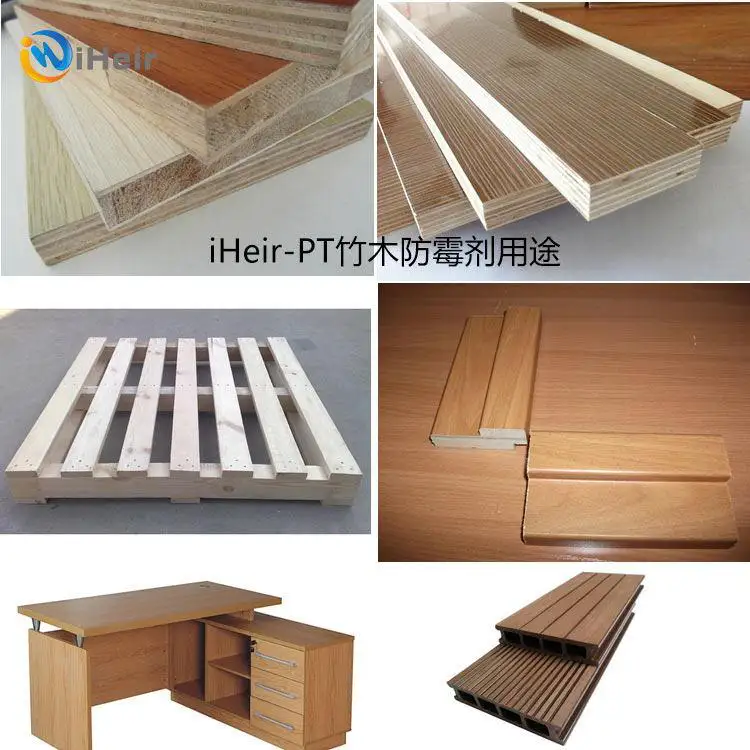
▲ Mold on bamboo products
2. Choose the Plan by Product Type
- Furniture (large): spray agent + moisture ≤10%, regular maintenance;
- Baskets (woven): soak bamboo strips before weaving (2%-5%, 15-30 min) for even penetration;
- Crafts (export): soaking + surface treatment + packaging sachets – triple protection.
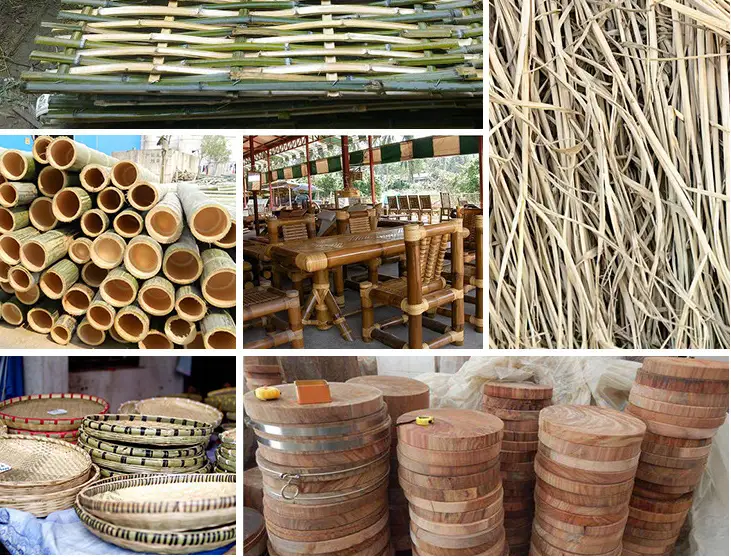
▲ Bamboo furniture mold prevention
3. Treatment Process
- Dry: bamboo moisture ≤12% (strips ≤10%) – the first gate;
- Treat: soak (2%-5%, 15-30 min) or spray;
- Air dry: 12-24 hours in a ventilated area;
- Package: sachets + desiccants for export items.
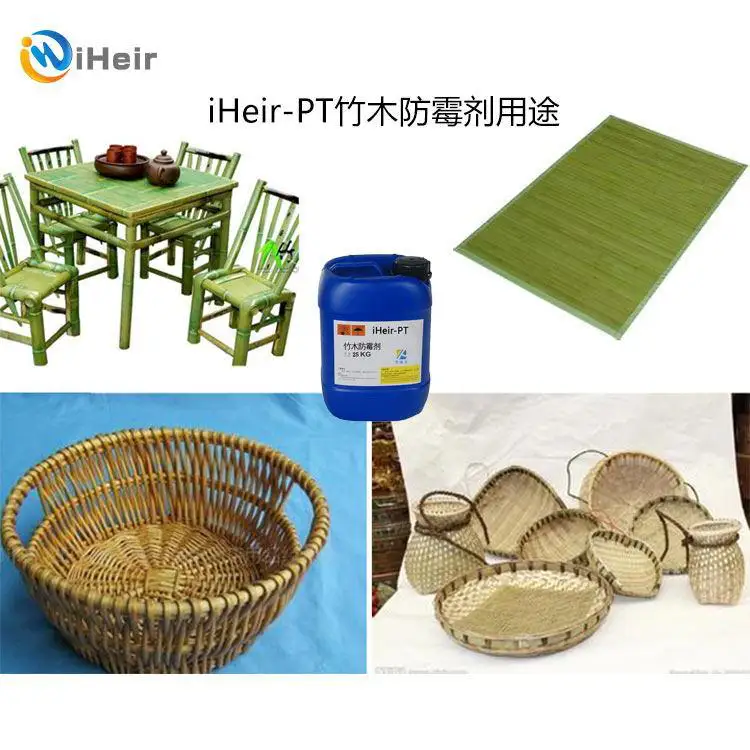
▲ Mold on untreated bamboo (comparison)
4. Difference from Wood Treatment
Bamboo’s hollow structure absorbs faster but also re-absorbs moisture more easily. Reference How to Use Wood Anti-Mold Agents? – but shorten soaking (15-20 min) and be stricter on drying.
Conclusion
Bamboo mold prevention: control moisture (≤12%), apply treatment, strengthen packaging. For plans or samples, contact us or browse the anti-mold product range.