


An Underestimated Risk: The “Microclimate” Inside Containers Is Far More Complex Than Imagined
Many factories believe that simply placing a few desiccant packs in a container ensures moisture protection during sea freight. However, actual data shows that containers experience drastic temperature fluctuations during ocean voyages—daytime temperatures inside can exceed 60°C, while nighttime sea surface temperatures may drop below 10°C. This temperature difference causes relative humidity to surge from 30% to over 95% in a short time, generating significant condensation. Once condensation contacts hygroscopic materials like cardboard, leather, or textiles, it creates ideal conditions for mold spore germination within 48 hours. Therefore, the core of moisture protection during sea freight is not “placing desiccants” but controlling the source and timing of condensation.
Three Key Factors Affecting Container Moisture Protection
1. Environmental Factor: Dynamic Changes in Temperature and Humidity Curves
According to environmental simulation test data from ISO 2230, when a container moves from a temperate port into tropical waters, the dew point temperature of the internal air rises rapidly. If the surface temperature of the cargo is lower than the dew point, water vapor condenses into liquid water. This condensation is most evident on the container ceiling, side walls, and cargo packaging surfaces.
2. Material Factor: Cargo’s Own Moisture Content and Packaging Hygroscopicity
Materials like cardboard, wood, and leather typically contain 8%–12% free moisture when shipped. In a sealed container, this moisture gradually releases into the air, further increasing internal humidity. If packaging materials lack moisture treatment, they become a direct nutrient source for mold growth.
3. Packaging and Sealing Factor: The “Greenhouse Effect” from Airtightness
The design of modern container sealing strips and vents allows very slow air exchange with the outside. Once humidity accumulates, it is difficult to expel through natural ventilation. This is why relying solely on “a few desiccants” often fails.
Step-by-Step Technical Solution for Moisture Protection During Sea Freight
Step 1: Control Initial Moisture Content of Cargo and Packaging Before Loading
Use a moisture meter (e.g., iHeir Anti-Mold Tester) to check the moisture content of cardboard, wood, or textiles, ensuring it is below 10%. For leather goods, perform drying treatment 48 hours before loading to avoid sealing high-moisture materials into the container.
Step 2: Calculate Desiccant Dosage Based on Container Volume
A common empirical formula is: at least 150g of high-efficiency desiccant per cubic meter of space. For a standard 20-foot container (approx. 33 cubic meters), it is recommended to use about 5kg of high-adsorption desiccant. iHeir H Series desiccants are recommended, as they have 20 times the moisture absorption capacity of ordinary silica gel desiccants, continuously adsorbing moisture in high-humidity environments to prevent condensation formation.
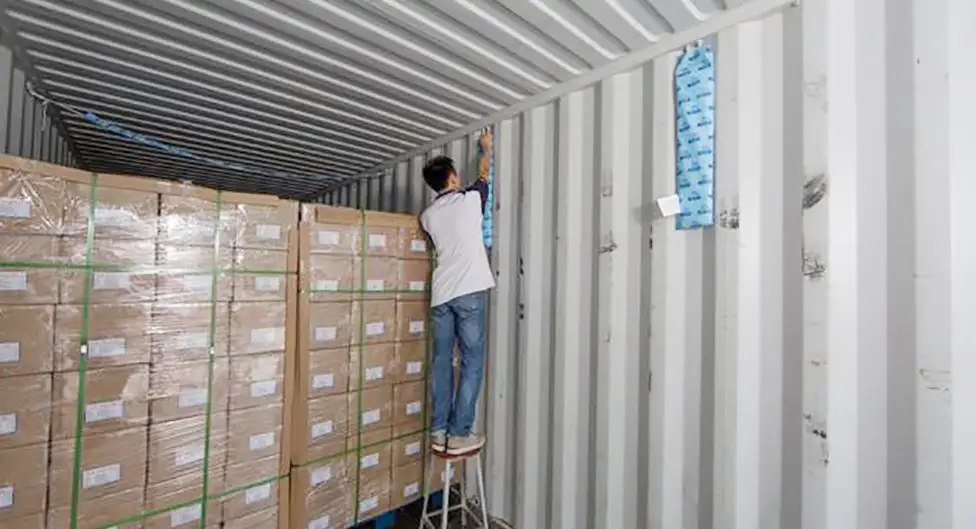
Specific operation: Distribute desiccants evenly on the container walls and cargo top, focusing on gaps in cargo stacks and the inner side of the container door. Avoid direct contact with metal surfaces to prevent localized condensation.
Step 3: Use Container Anti-Mold Sticks for Active Moisture Protection
For 40-foot containers, it is recommended to hang 8–10 iHeir T-1000 Container Anti-Mold Sticks on the cargo top and side walls after loading and before sealing. These sticks contain calcium chloride absorbent and slow-release anti-mold agents, continuously absorbing moisture from the air throughout the voyage while releasing trace anti-mold gas to inhibit mold spore germination. They complement desiccants: desiccants adsorb free water, while anti-mold sticks control localized high humidity and provide sterilization.
Three Easily Overlooked Technical Blind Spots
Blind Spot 1: Not Checking Sealing After Placing Desiccants. Many factories throw desiccants into containers and forget about them, but desiccants become ineffective after saturation. The correct approach is to use desiccant packs with humidity indicator cards or regularly check for condensation traces on container walls.
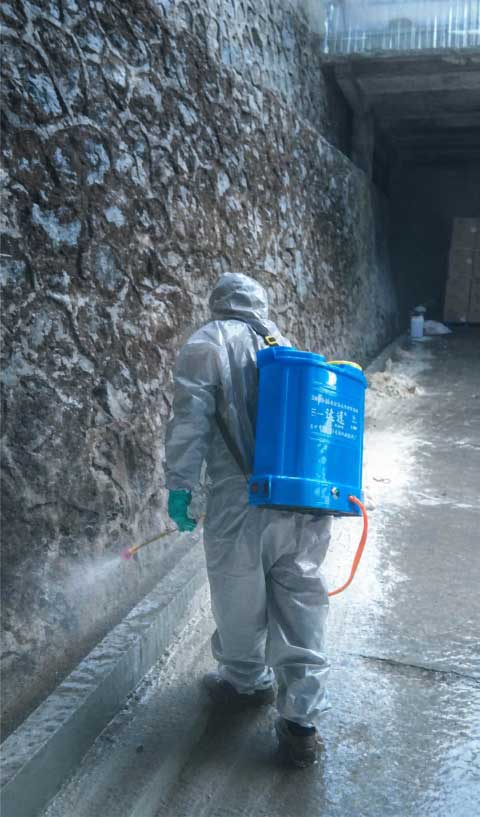
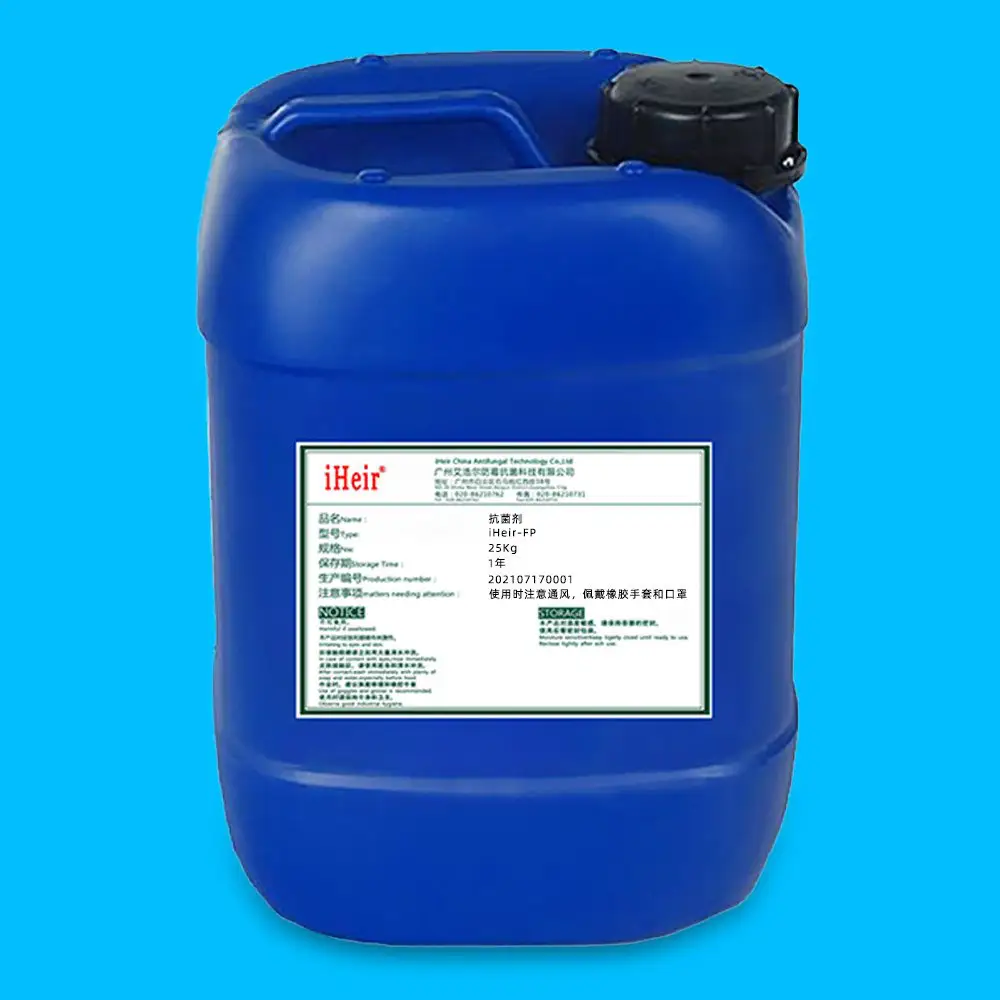
Blind Spot 2: Ignoring Container Cleaning and Drying. Residual water stains, dust, or mold spores from previous cargo can contaminate new goods. Before loading, spray disinfect the container walls with a mold remover (e.g., iHeir-CM) and air dry for at least 2 hours.
Blind Spot 3: Confusing the Order of “Moisture Protection” and “Mold Prevention.” Moisture protection controls water, while mold prevention inhibits microorganisms. Without proper moisture control, any anti-mold agent is ineffective long-term. Therefore, a sea freight moisture protection plan must prioritize solving condensation issues before adding anti-mold measures.
Summary: The Synergistic Logic of Moisture Protection and Mold Prevention
iHeir H Series desiccants actively remove free water from the air to prevent condensation; iHeir T-1000 Anti-Mold Sticks establish a sterilization barrier in localized high-humidity areas—one cuts off moisture at the source, the other inhibits mold in the environment. Both are indispensable and cannot be substituted. Only by controlling both moisture and microorganisms can cargo be ensured mold-free during ocean transportation.
For tailored moisture protection solutions for specific cargo (e.g., leather, shoe materials, cardboard), contact technical consultants for free sample testing.