




 View Count:55
 Date:2026-08-27
How to prevent mold on hardware? Fasteners, tools, molds and castings face both rust and mold risks in storage and shipping. Many factories only protect against rust and ignore mold – until the wood pallet molds first, spores transfer to metal surfaces, and arrival inspection still fails. This article covers mold causes, a four-step prevention plan and the combined rust-mold approach.
1. Four Reasons Hardware Parts Grow Mold
- Packaging contamination (most common): damp wood pallets and cartons can exceed 18% moisture (safe line 12%); mold grows on packaging and spores transfer to metal surfaces through the air;
- Oil and sweat: cutting oil residue and assembly workers’ perspiration (containing inorganic salts) feed mold – metal parts are never “clean”, residual oil is a culture medium;
- Warehouse environment: relative humidity above 65% with poor ventilation makes surfaces condense and puts whole batches at risk;
- Sea freight condensation: 30°C+ day-night swings cause container rain on metal surfaces, which combines with dust and residual oil to form spots.

▲ Hardware industry mold treatment
2. Four-Step Hardware Mold Prevention
- Surface treatment: spray water-based anti-mold agent after production, covering gaps, blind holes and threads – these trap oil and water and are the hardest for agents to reach; air dry 30+ minutes before packing;
- Packaging isolation: isolate metal parts from wood/cartons with PE film or VCI paper to cut the packaging-to-metal mold path;
- Container moisture control: 4-6kg desiccant + 8-12 rods for a 40ft container; halve for 20ft (2-3kg + 4-6 rods), calculated at 0.08-0.1kg/m³;
- Arrival check: check whether desiccants are saturated (calcium chloride liquefies when spent) and metal surfaces for spots; isolate and treat any issues immediately.
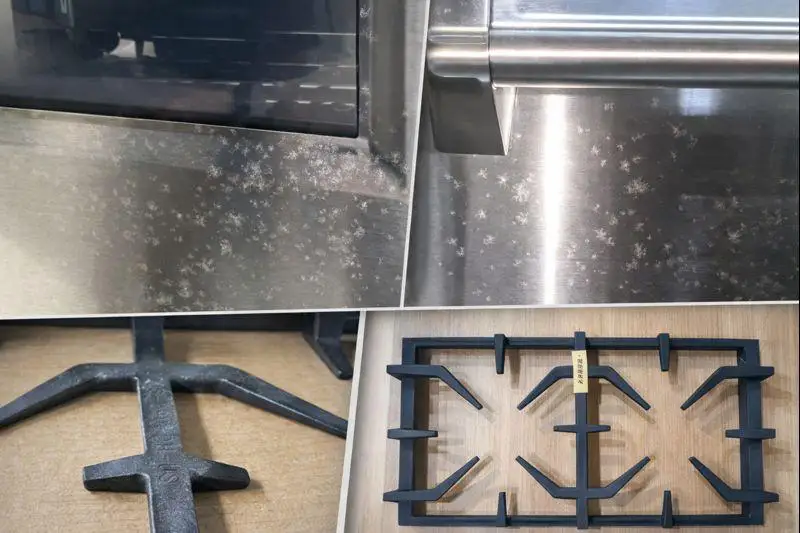
▲ Mold causes on hardware parts
3. Rust vs Mold: Run Both Lines
| Risk | Product | Mechanism | Dosage |
|---|---|---|---|
| Rust | VCI desiccant | Releases vapor-phase anti-rust actives forming a molecular film against oxygen, salt and acid gases | 10-20g per carton, 0.05-0.1kg/m³ |
| Mold | Anti-mold agent + rods | Inhibits spore germination and spot formation on metal | 8-12 rods per 40ft container |
| Moisture | Calcium chloride desiccant | Absorbs container humidity (up to 200%+ of own weight) | 4-6kg per 40ft container |
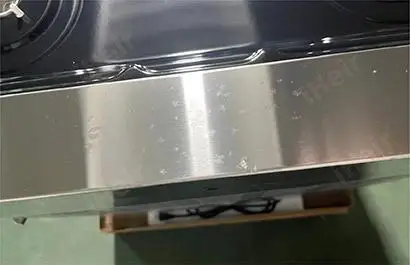
▲ Stainless steel parts anti-mold treatment
4. Execution by Role
- Hardware manufacturers: focus on surface anti-mold at the production line; keep workshop humidity ≤60% (dehumidifiers in wet seasons);
- Traders/exporters: focus on packaging and container stages – confirm suppliers treated parts, then add packaging sachets and container desiccants yourself;
- Warehouse operators: inspect wood pallets regularly (replace above 18% moisture), store off the floor and walls, ventilate regularly.
5. FAQ
Q1: Will the agent corrode metal?
A: Metal-grade water-based agents are pH-neutral with no strong acids or alkalis – they do not corrode. Confirm specifications and SGS reports when buying.
Q2: How long does hardware protection last?
A: Surface treatment lasts 3-6 months; combined with container desiccants and rods it comfortably covers a 30-60 day voyage.
Conclusion
Hardware mold prevention comes down to surface treatment + packaging isolation + container moisture control, with rust and mold protection running in parallel. For a hardware prevention plan, contact us or read How to Choose VCI Desiccants?