




 View Count:45
 Date:2026-08-28
Antibacterial agents in home appliances have moved from marketing gimmick to necessity: air conditioner outlets, refrigerator door seals, washing machine door gaskets and water dispenser tanks – these plastic parts contact water and humidity constantly and breed bacteria and mold. This article explains appliance antibacterial agent selection and masterbatch compounding process.
1. Which Appliance Parts Need Antibacterial Treatment?
| Appliance | High-Risk Parts | Risk |
|---|---|---|
| AC | Outlet, air guide, filter frame | Condensate buildup; mold spreads with airflow |
| Fridge | Door seal, drawers, crisper | High humidity; seal mold is most common |
| Washer | Door gasket, detergent box | Residual water film breeds mold and odor |
| Water dispenser | Tank wall, spout | Direct drinking-water contact – highest requirement |

▲ Health appliances such as antibacterial AC
2. Inorganic vs Organic Agents
- Inorganic (silver/zinc): withstand 300℃+, ideal for injection and extrusion; broad-spectrum, lasts 3-5 years, higher cost;
- Organic (isothiazolinone etc.): heat resistance around 150℃, suited to ABS/PE; low dosage and cost, but degrade at high processing temperatures – adding to PP injection (180-260℃) is wasted money;
- Composite: combines both, balancing heat resistance and cost – the mainstream choice.
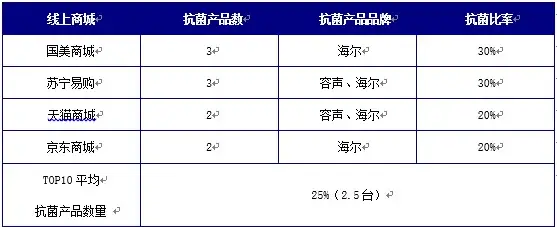
▲ Antibacterial agents in the appliance industry
3. Masterbatch Compounding Process
- Dosage: add 2%-5% masterbatch (0.5%-1.5% active) per the grade spec – underdosing fails the 99% antibacterial rate;
- Blending: weigh and mix masterbatch with resin for 10-15 minutes for even dispersion – uneven mixing leaves unprotected areas;
- Injection: use original process temperature; inorganic agents cover 150-300℃;
- Verification: test finished parts to ISO 22196 or GB/T 31402 – 99%+ antibacterial rate required.
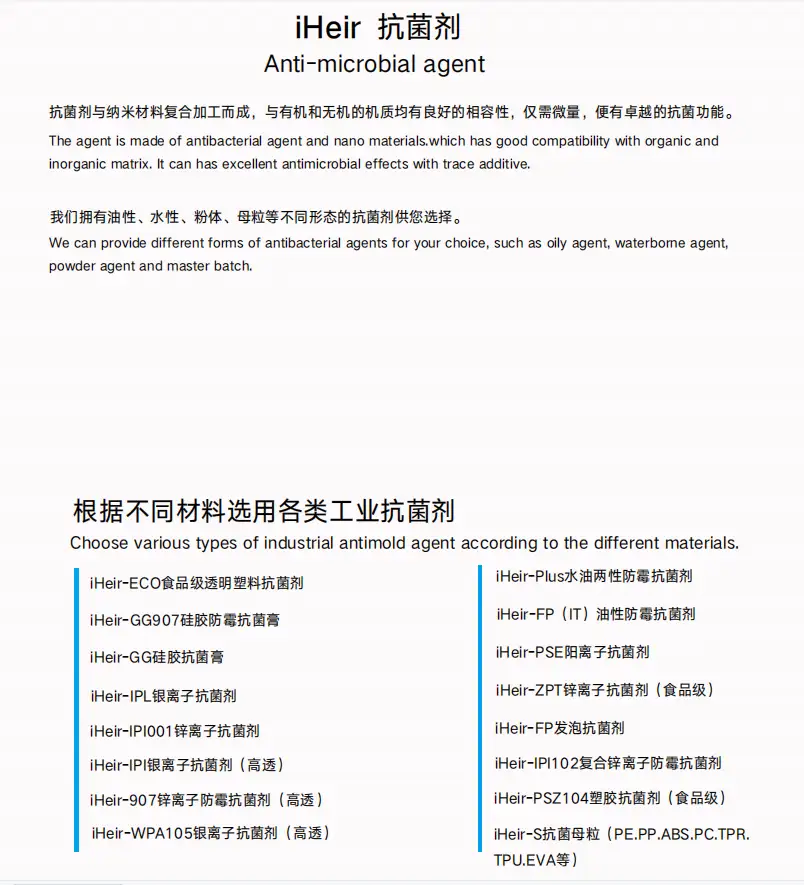
▲ Appliance antibacterial development
4. What Should Each Role Do?
- Appliance OEMs: lock the antibacterial parts list (outlet, seals) at development stage and write the rate into QC standards;
- Injection molders: source masterbatch per OEM spec and keep batch records to prevent rate fluctuation;
- Brands: hold third-party test reports (ISO 22196) before advertising “antibacterial appliances” – otherwise it is false advertising.
5. FAQ
Q1: Do antibacterial appliances prevent mold?
A: Agents inhibit bacteria and fungi, but standing water on plastic can still mold – combine with drainage design for full protection.
Q2: Are the agents safe for humans?
A: Food-contact/appliance grades passing REACH, FDA or GB 9685 migration tests are safe for appliance use.
Conclusion
Appliance antibacterial success comes from right grade (heat matching) + sufficient dosage + verified testing. For appliance solutions, contact us or browse the product range; related: Types of Plastic Antimicrobial Agents.