




 View Count:36
 Date:2026-08-28
Medical device mold prevention is a quality red line that cannot be compromised: surgical instruments, monitoring equipment and medical consumables that mold in storage or sea freight face scrapping at best and hospital-acquired infection risk at worst. This article covers medical anti-mold agent selection and packaging solutions.
1. Why Do Medical Devices Grow Mold?
- Absorbent packaging: non-woven, paper-plastic pouches and inserts absorb moisture above 12% and become mold media;
- Residual moisture after EO sterilization: incomplete aeration leaves water on surfaces and inside packaging, creating a humid microenvironment;
- Temperature swings: day-night differences in warehouses and containers cause condensation (“sweating”) on device surfaces, forming spots with dust.
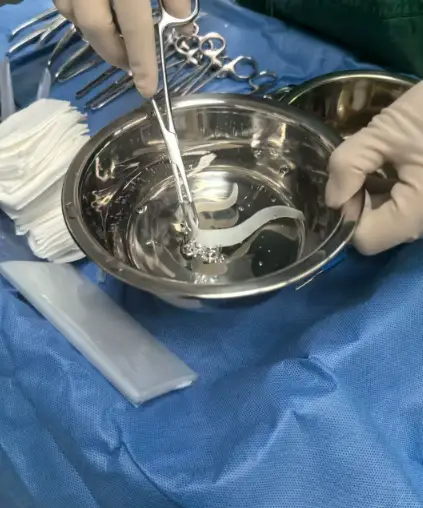
▲ Medical device mold prevention
2. Four Selection Points for Medical Anti-Mold Agents
| Point | Requirement | Why |
|---|---|---|
| Compatibility | No corrosion of metal, no attack on plastic/rubber | Surgical instruments are stainless/titanium – corrosion means scrap |
| Safety | Low toxicity, non-sensitizing, ISO 10993 biocompatibility | Devices contact human tissue – safety is the baseline |
| Compliance | Documented for device packaging scenarios | Industrial-grade agents without registration are banned in medical use |
| Longevity | Vapor-phase sachets effective 6+ months | 30-60 day voyages plus warehouse turnover need full coverage |

▲ Medical anti-mold agent application
3. Device Packaging Plan
- Aerate after sterilization: allow 7-14 days of standard aeration so residue and moisture fully dissipate – incomplete aeration leaves packaging humidity above 70%;
- Package moisture control: add 1-2 medical-grade anti-mold sachets + 20g desiccant per carton, keeping internal RH below 50%;
- Storage: 10-30℃, RH below 55%, with air circulation;
- Container: 4-6kg desiccant + 8-12 anti-mold rods per 40ft, target RH below 65%;
- Arrival inspection: measure packaging humidity before opening; batches above 60% are fully inspected.
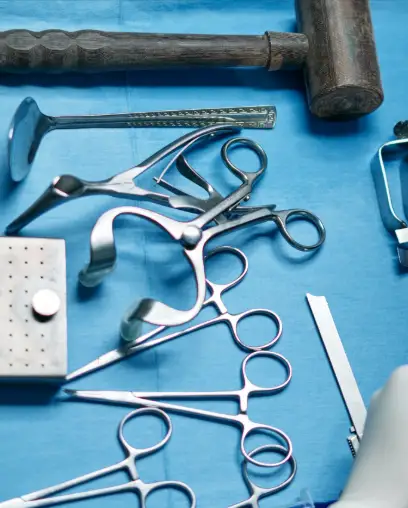
▲ Medical device mold protection plan
4. What Should Each Role Do?
- Device manufacturers: write “packaging RH below 50%” into outgoing QC with moisture meters and humidity cards;
- Exporters: confirm desiccant loading with forwarders; double dosage for hot-humid routes (SE Asia, Middle East);
- Hospitals/warehouses: check humidity card color on receipt – reject and retain samples if changed.
5. FAQ
Q1: Can moldy devices still be used?
A: Not recommended – moldy devices may carry mycotoxins; evaluate scrapping or professional rework followed by re-sterilization and validation.
Q2: Do sachets conflict with sterilization?
A: Sachets are placed after sterilization and do not participate in the process; confirm EO/radiation compatibility for medical-grade products.
Conclusion
Medical device mold prevention comes down to complete aeration + packaging RH below 50% + full-chain humidity monitoring. For medical solutions, contact us or browse the product range; related: How to Test for Mold?