




 View Count:71
 Date:2026-09-30
How do you stop paper canister mould? Spots on canisters and printed gift boxes start at the inner wall, the rolled rim and the folded edges, and a batch marked down for mould takes the delivery date with it. Close the bag with iHeir-D gas-phase anti-mould paper at 0.1-0.2 g a sheet, one or two sheets to a bag, and add Power Pak anti-mould tablets on larger packs. This article covers the process stage, the packing points and the export paperwork.
1. Where the mould on a paper canister comes from
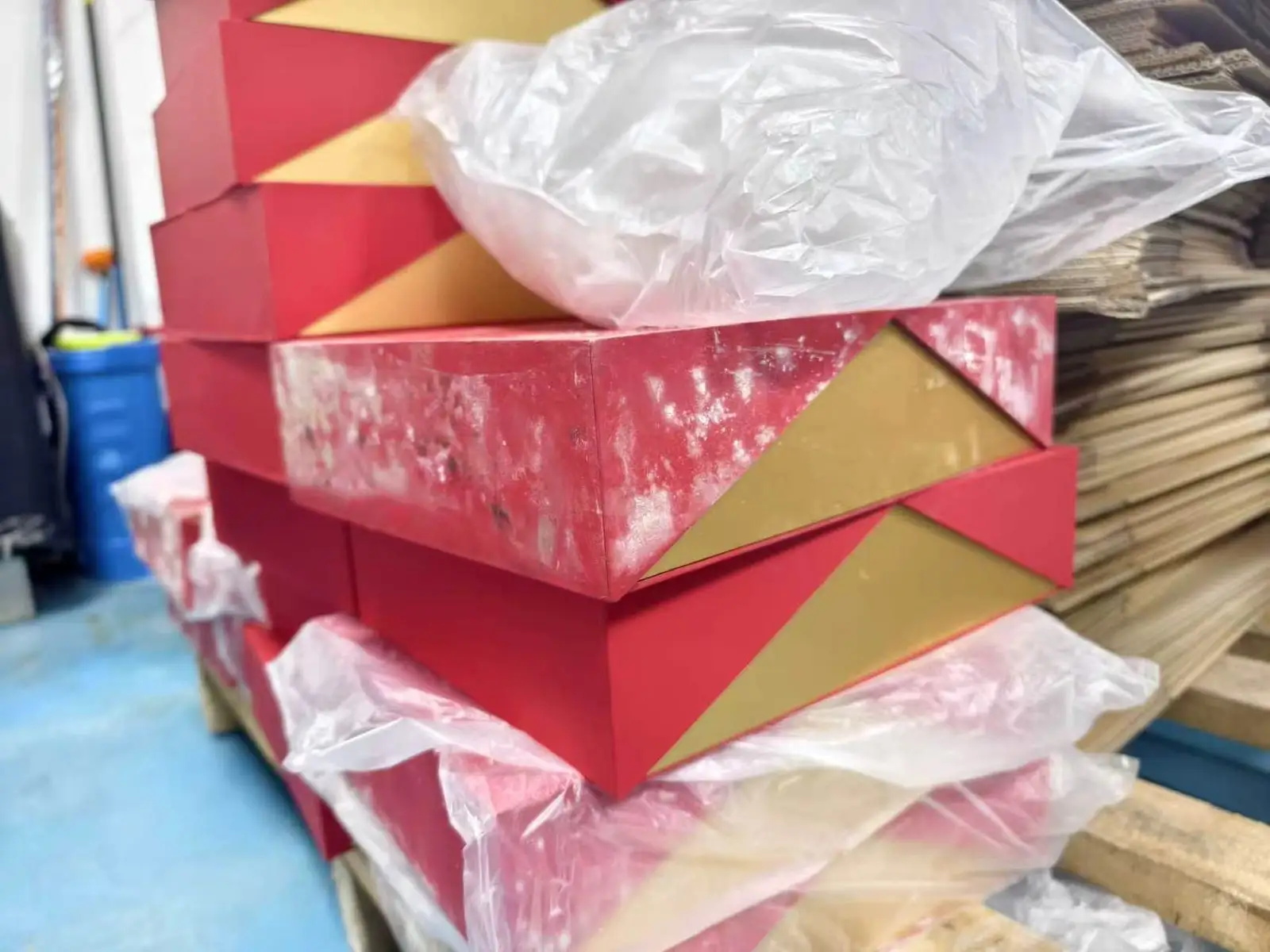
A paper canister is a wound tube, a wrapped cover paper and a base, and a printed gift box is board with a pasted liner. Paper and board are hydrophilic: the fibre web is porous and takes up moisture quickly, so once the air turns damp the mould grows along the fibre. The spots sit in predictable places — the inner wall, the rolled rim, the base seam and the folded edges — because those are exactly where moisture is trapped and air cannot reach.
Three causes explain most of it. First, the starch or water-based glue used in winding and lining carries water, and if the glue layer is not fully dry before the goods go into store, the moisture and the nutrients are sealed into the wall together. Second, cover paper and board are packed before their moisture content has come back to spec, so the water migrates between layers. Third, the finished-goods store or the container runs damp, and canisters are usually shipped in closed cartons where a small damp pocket persists. The first is a process issue, the other two are storage and packing issues.
2. The three control points at a glance
The table sets out the stage, what is treated, the recommended product, the figures and the points to watch, so quality and purchasing can check it against the current process and the current supplier.
| Stage | Treated part | Product | Figures | Points to watch |
|---|---|---|---|---|
| Tube winding and lining | Tube, cover paper, glue layer | Process control | Moisture back to spec after drying | Starch and water-based glues feed mould, so the glue layer is one source |
| Finished-goods store | Canisters and boxes, full cartons | Humidity control, first in first out | Store below 60% relative humidity | Off the floor, away from the wall, no pending batch against an outside wall |
| Packing | Air space inside the bag | iHeir-D gas-phase anti-mould paper | 0.1-0.2 g a sheet, one or two sheets a bag | Into the bag with the goods and the bag sealed; outside the bag it does nothing |
| Pack reinforcement | Large or high-count orders | Power Pak anti-mould tablets | Effective in 72 hours, replace every 15 days | Space them by pack volume and piece count, alongside the gas-phase paper |
| Export loading | Full container | In-container humidity control | Set by box type and voyage | Paper takes up moisture fast; skip container control and the earlier stages are wasted |
| Testing and acceptance | Finished goods and batch sample | Test to the contract scope | Keep one sample a batch | Read the mould grade, not just the appearance and the grammage |
Six rows, one conclusion: the process stage holds the glue and the moisture, the store holds the humidity, and the packing stage holds the air inside the bag. Drop one and the other two have to carry it.
3. The tube stage: glue and moisture are the root
The protection has to start at the source. The glue used in winding and lining — starch or water-based — carries water, and a glue layer that is not fully dry seals that water and its nutrients into the wall. Cover paper and board packed before their moisture content has settled will move that water between layers once stacked. Three points to fix: lock the solids content and the glue pick-up in the process card, meter moisture content after drying and record it by batch, and let the goods cool before packing, because packing hot or damp is the usual root cause.
One boundary is worth stating. A paper canister is a paper-based product, so in principle an anti-mould agent can go into the glue or the coating. But many canisters and gift boxes touch the contents directly, so an agent added to the glue has to come with the safety data and the migration statement for that use, assessed against the rules of the destination market. Where that paperwork is not in place, hold the line at the store and the packing stage and control the air inside the bag instead of the contact surface.
4. Store and packing: where the paper and the tablets go
The store takes no agent; it takes discipline. Keep the store below 60% relative humidity, run the dehumidifier through the wet season and log the temperature and humidity curve, keep full cartons off the floor and clear of the wall, run first in first out, and never stage a pending batch against an outside wall. Goods should only be packed once their moisture content is back to spec.
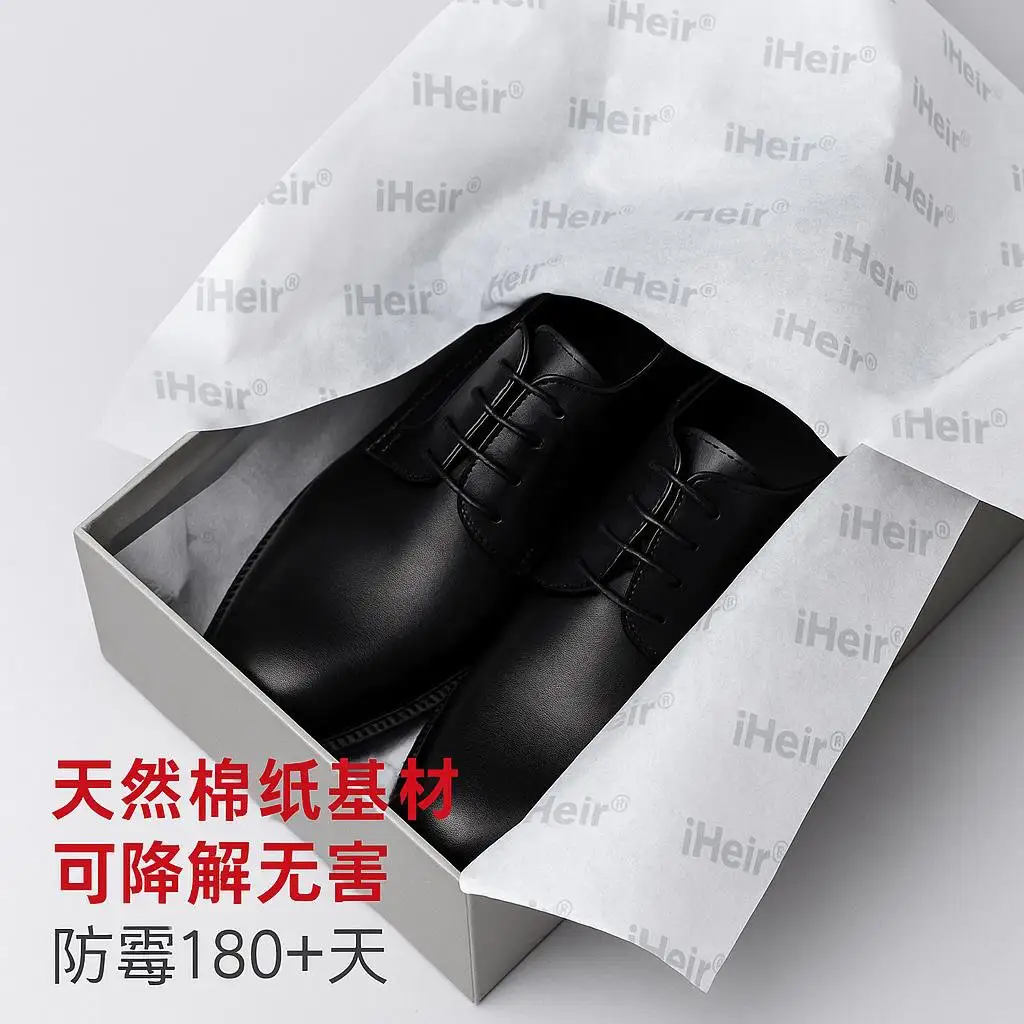
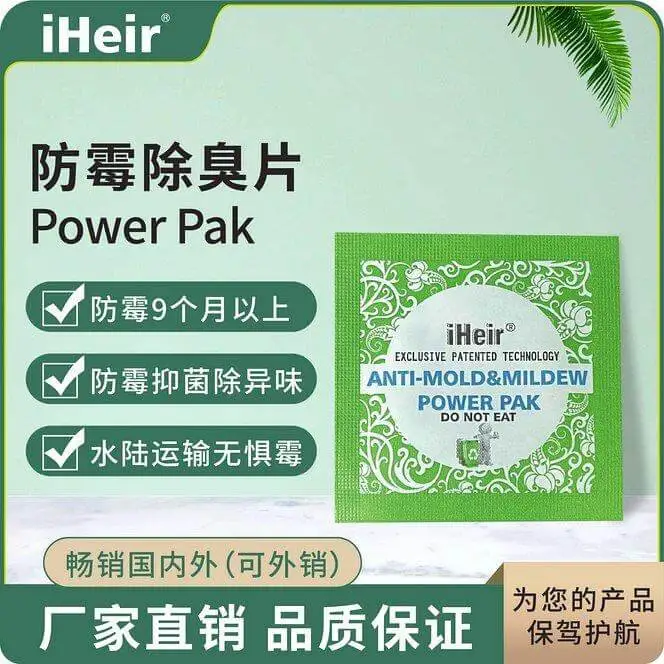
Packing then adds the gas-phase line. Put iHeir-D gas-phase anti-mould paper into the bag with the goods at 0.1-0.2 g a sheet, one or two sheets a bag, and seal the bag. The paper works on the air inside a closed space, so a sheet left outside the bag does nothing at all. For large packs or high piece counts, add Power Pak anti-mould tablets: effective in 72 hours and replaced every 15 days, spaced by volume and piece count. The selection and grading rules are set out in how to choose anti-mould packaging paper and mould prevention for cartons and printed boxes.
5. Export paperwork and how acceptance is read
Export paperwork for paper canisters usually comes in three parts: the safety data and migration statement for the gas-phase product or the agent, the routine test report for the finished item, and the mould grade test the customer has specified. Keep two things apart: the safety category governs contact with the contents, and the mould grade measures how well the item resists growth. Treating one report as covering both is what stops a shipment at inspection.
Acceptance runs on a retained sample per batch, tested to the contract scope; where the customer names a different method, run that as a separate round rather than using one report for every market. Keep the file with the batch, and do not leave it to the day of the inspection.
6. Questions that come up
Can the spots on a canister just be wiped off? That does not fix it. Wipe the surface and the hyphae stay in the fibre, and growth returns as soon as the air turns damp. Fix the source instead: dry the glue layer, bring the moisture content back to spec, and control the store and the pack.
Can the gas-phase paper be left outside the bag? No. It works on the air inside a closed space, so a sheet outside the bag never reaches the goods and does nothing. It has to go into the bag with the product and the bag has to be sealed.
Can an anti-mould agent go straight into the glue? It depends on the use. Where the box touches the contents, the agent in the glue has to come with safety data and a migration statement assessed against the destination market. Without that paperwork, hold the line at the store and the packing stage and control the air inside the bag.
Paper canister mould has clear control points: hold the glue and the moisture at the tube stage, keep the store dry and run first in first out, and close the bag at packing with iHeir-D gas-phase paper at 0.1-0.2 g a sheet, adding Power Pak tablets on large packs. Samples and product data are available for both, and we are glad to run a packing trial with you.


