




 View Count:46
 Date:2026-08-29
How to choose paint anti-mold agents? Many families find their painted walls grow black spots every rainy season – the problem is often that the paint itself has no mold resistance. This article explains why paint molds, how to add anti-mold agents and how to select them.
1. Why Does Paint Grow Mold?
- Formula nutrients: latex paint contains cellulose thickeners and starch ethers – ideal mold food; films on damp walls (moisture above 10%) show spots within 30-60 days;
- Film moisture absorption: ordinary interior films have micropores; moisture penetrates and forms a damp layer at the film-putty interface;
- Can contamination: leftover paint stored improperly grows mold inside the can, affecting later use.
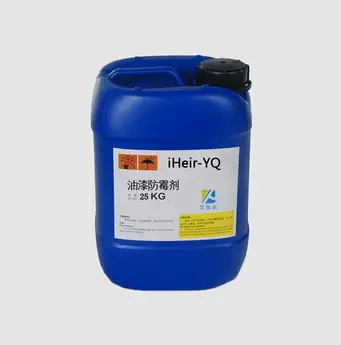
▲ Paint mold problem
2. How to Add Paint Anti-Mold Agents?
- Dosage: water-based paint anti-mold agents at 0.1%-0.5% active, added at the dispersion stage – below 0.1%, the film loses protection after 3 months;
- Timing: add during grinding/dispersion with the pigment slurry, disperse 20-30 minutes for even distribution – late addition causes uneven coverage;
- Compatibility: confirm compatibility with paint pH (latex usually 8-9) and resin type to avoid flocculation or color change;
- Verification: test to GB/T 1741 (mold resistance of paint films) – grade 0 (no growth in 28 days) is the pass line.
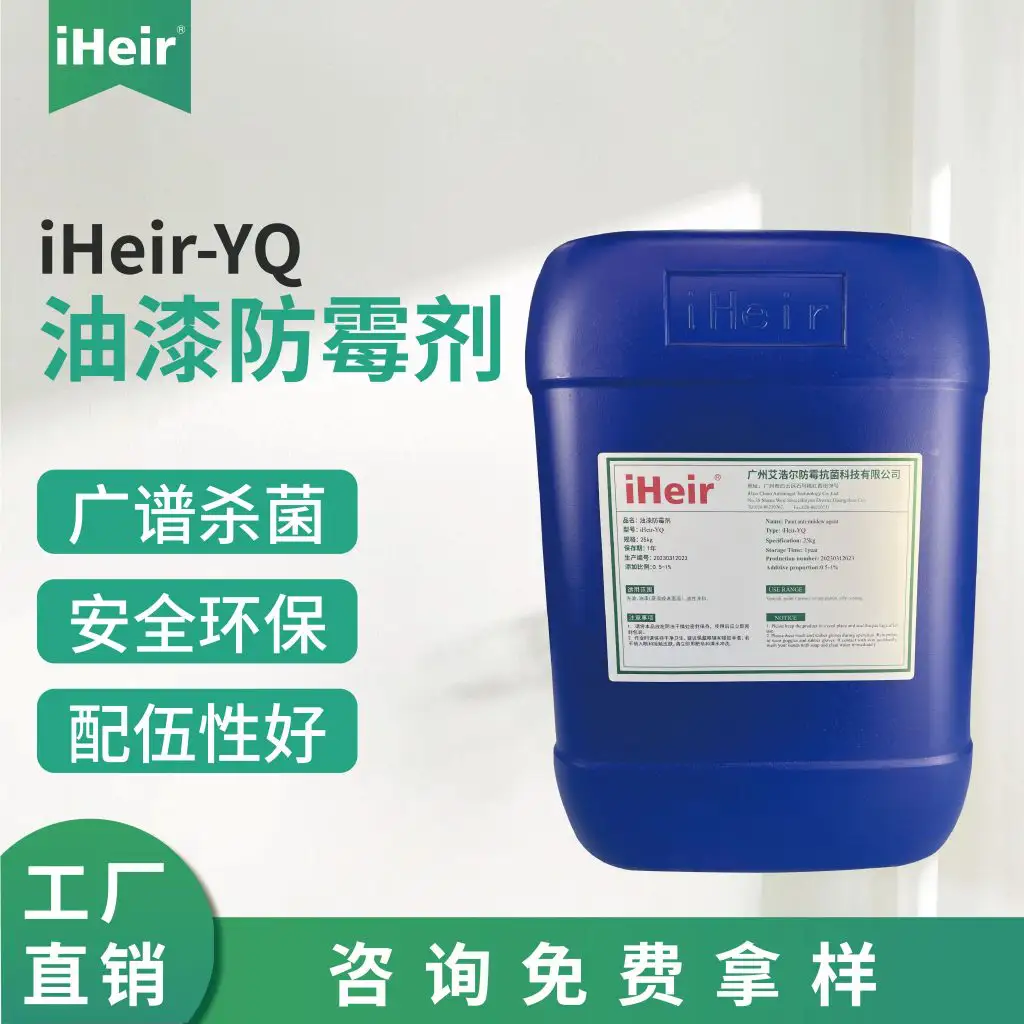
▲ Paint anti-mold agent
3. Five Selection Points
| Point | Check | Why |
|---|---|---|
| Test report | GB/T 1741 grade 0 report | Grade 0 = no growth in 28 days; grades below 1 are not for damp areas |
| Safety | VOC content, oral toxicity, skin irritation data | Interior paint touches living space – safety first |
| Dosage | Clear minimum effective rate (0.1%-0.5%) | Avoids “too little = useless, too much = color change” |
| Weathering | Wash and UV resistance | Exterior paint needs weathering so rain does not wash out actives |
| Compatibility | Test with emulsion and color paste | Incompatibility causes flocculation and film defects |
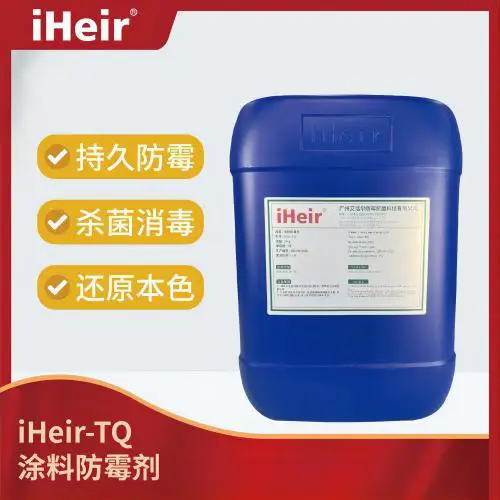
▲ Wall coating anti-mold agent
4. What Should Each Role Do?
- Paint manufacturers: write “0.1%-0.5% dosage + GB/T 1741 grade 0 verification” into product standards as a selling point;
- Contractors: specify grade-0 anti-mold paint for bathrooms and kitchens; keep putty below 10% moisture before painting;
- Homeowners: choose “anti-mold” latex paint for renovations plus ventilation and dehumidification – double protection.
5. FAQ
Q1: How much more does anti-mold paint cost?
A: Usually 10%-20% more, but for damp areas it saves repainting every 2-3 years – lower total cost.
Q2: Can I add mold resistance to already-painted walls?
A: Not directly – follow the wall removal process (moisture below 10%, then repaint with anti-mold topcoat) or apply an anti-mold surface layer.
Conclusion
Paint mold prevention comes down to grade-0 agent + sufficient dosage + dry the wall first. For paint anti-mold agents, contact us or browse the product range; related: Glue Got Moldy?