




 View Count:56
 Date:2026-08-29
How to choose anti-mold packaging paper? Many exporters load shoes, bags and garments straight into cartons, only to open containers full of mold spots – the problem is often the packaging itself: ordinary cartons and tissue paper absorb moisture and become mold incubators. This article covers the principle, selection points and packaging plan.
1. Why Does Ordinary Packaging Paper Cause Mold?
- Paper absorbs moisture: plant-fiber paper is highly absorbent – at 75% RH for 24 hours, ordinary wrapping paper reaches 12%-18% moisture, far above the 8% safe line;
- Fiber nutrients: cellulose and hemicellulose feed mold; the paper itself molds and transfers it to products;
- Sealed humidity: moisture trapped inside sealed cartons cannot escape, driving humidity up into a mold loop.
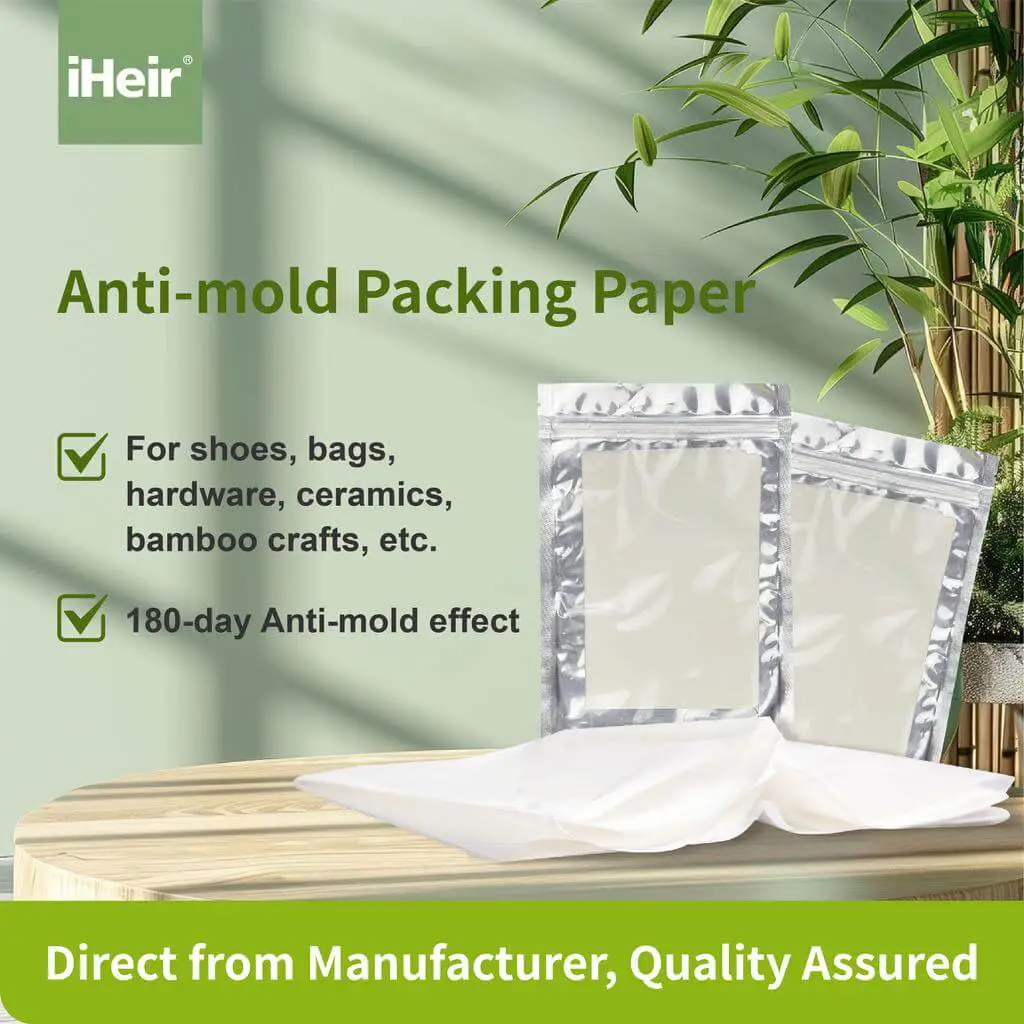
▲ iHeir anti-mold packaging cotton paper
2. How Does Anti-Mold Packaging Paper Work?
Anti-mold paper compounds vapor-phase anti-mold agents into the paper fiber during manufacturing; the agents release slowly inside packaging to form a protective atmosphere covering both paper and product surfaces:
- Contact protection: the treated surface inhibits mold where it touches the product;
- Space protection: volatile actives fill the carton, covering gaps and corners;
- Stacking: combined with sachets (space) and desiccants (humidity), coverage is complete.
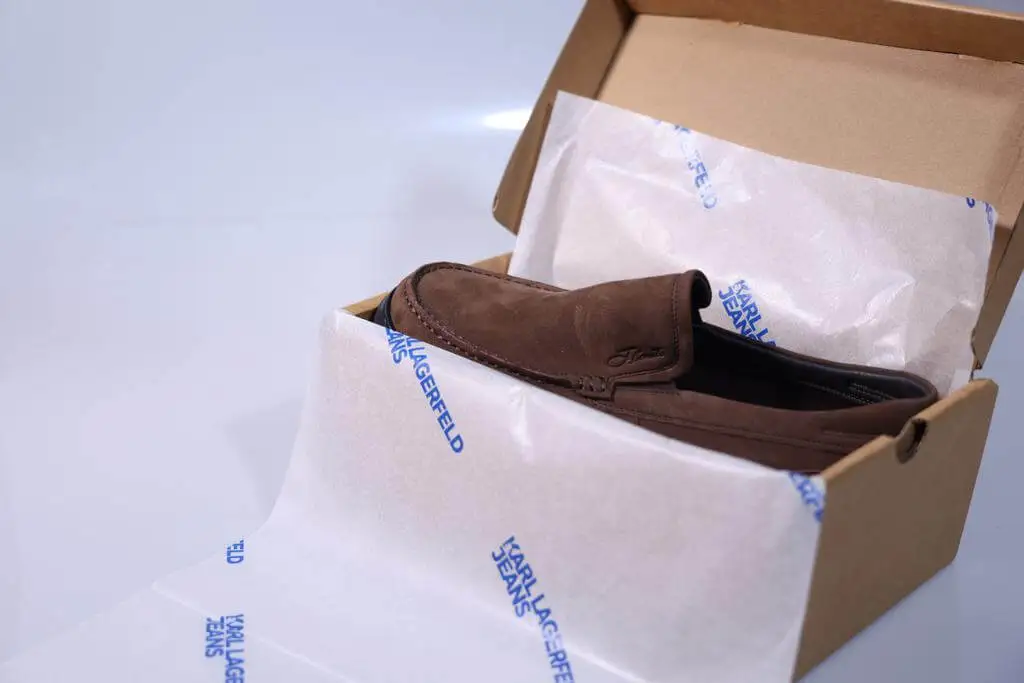
▲ Anti-mold packaging paper application
3. Four Selection Points
| Point | Reference | Why |
|---|---|---|
| Grammage | 60-80g/m² for shoes/bags; 90-120g/m² for heavy goods | Too light tears and loses protection; too heavy adds cost |
| Breathability | Moderate (about 200-400ml/min) | Too sealed blocks release; too open leaks actives |
| Durability | 6+ months | 30-60 day voyages plus warehouse turnover need full coverage |
| Compliance | Product-contact safe; REACH/RoHS tested | Wraps shoes, bags and garments directly – safety first |
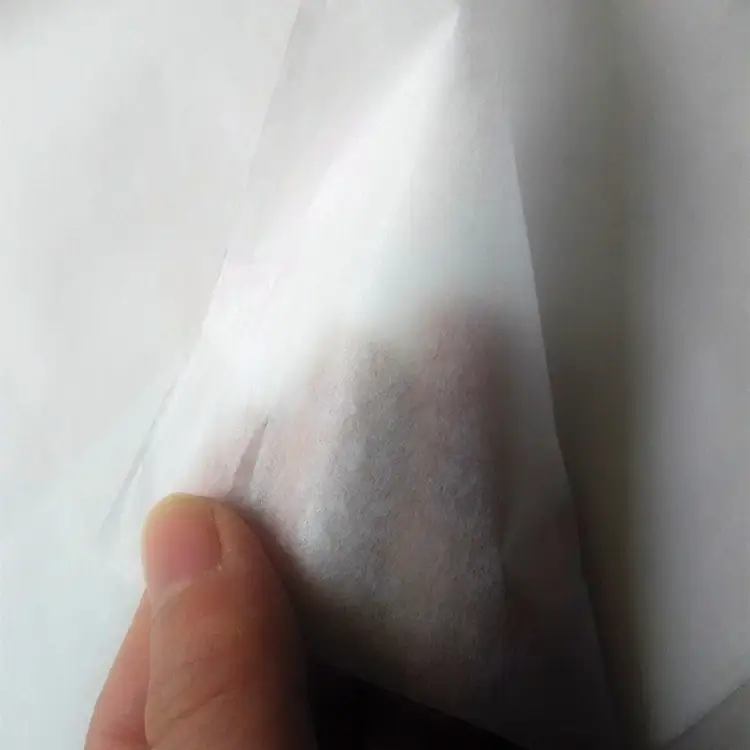
▲ Anti-mold packaging paper product
4. Packaging Plan for Shoes, Bags & Garments
- Wrap each item: wrap every pair of shoes or bag individually, covering the interior and hardware (the most moisture-prone areas);
- Add sachets: 1-2 anti-mold sachets + 20g desiccant per carton – contact + space + humidity triple protection;
- Container: 4-6kg desiccant + 8-12 anti-mold rods per 40ft to control condensation;
- Arrival check: inspect paper for spots and desiccant saturation (calcium chloride liquefies when saturated – replace).
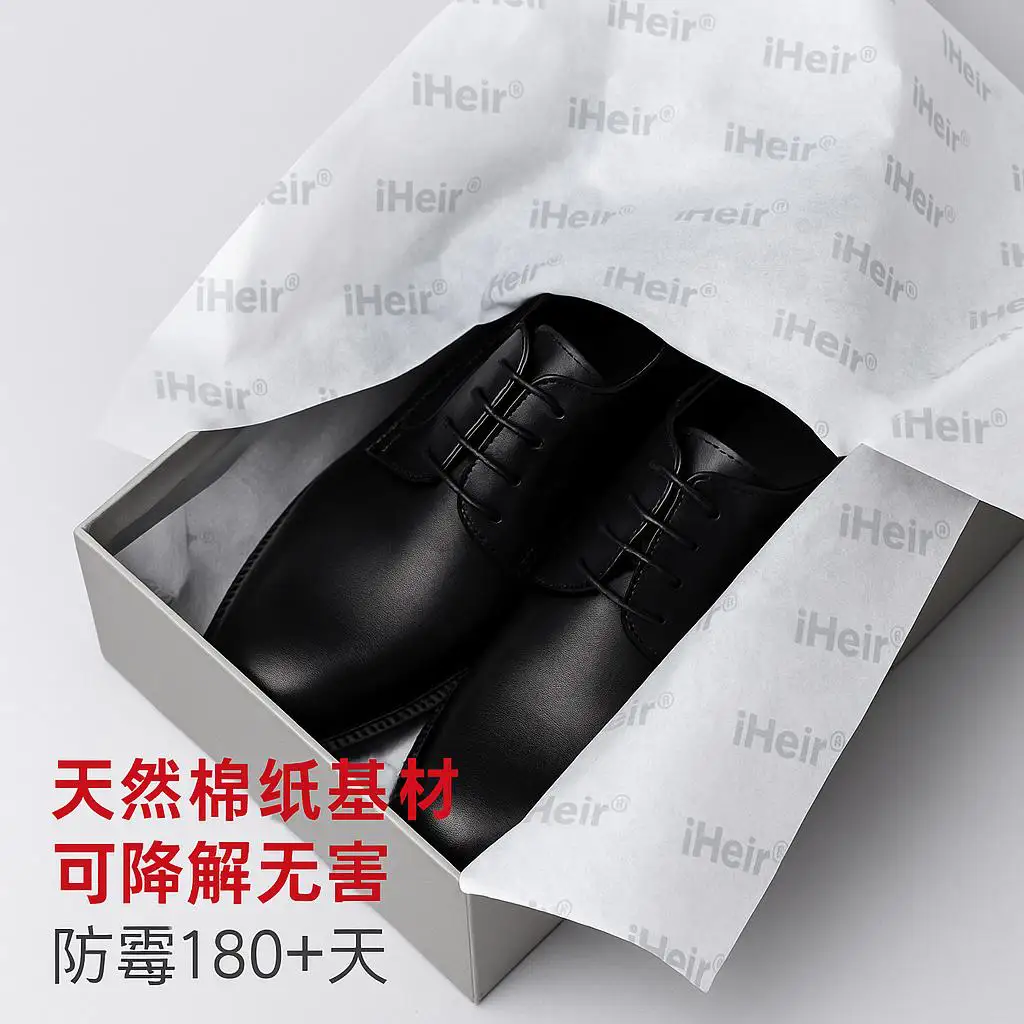
▲ Anti-mold packaging for shoes, bags and garments
5. What Should Each Role Do?
- Shoe/bag factories: add anti-mold paper to the packaging BOM – about 0.1-0.3 RMB per item for zero-mold containers;
- Garment exporters: high-cotton garments (cotton regains 8.5%-16% moisture) must use paper + desiccant combination;
- Home storage: wrap seasonal clothes and leather goods in anti-mold paper plus wardrobe desiccants.
6. FAQ
Q1: How much more than plain tissue paper?
A: About 30%-50% more, but only 0.1-0.3 RMB per item versus claims worth tens of thousands – excellent value.
Q2: Can anti-mold paper replace anti-mold sachets?
A: Not fully – paper covers contact surfaces while sachets cover the space; combine for complete protection.
Conclusion
Anti-mold paper selection comes down to right grammage + 6+ month durability + combination with sachets and desiccants. For samples, contact us or browse the product range; related: Export Bag & Luggage Mold Prevention.