




 View Count:48
 Date:2026-10-05
Can mould on banner cloth simply be wiped off? The surface growth comes away, but the root in the crease stays, comes back later, and hard rubbing takes the coating with it. Banner and lightbox cloth are coated fabrics, and spots start at the rolled edge and the fold, so the protection has to be built in at the base fabric stage. The base fabric takes iHeir-BJ textile anti-mould agent by padding at 2%-3% o.w.f., and spotted finished rolls are treated with iHeir-CM mould remover. This article covers the coating and the outdoor print, with the dosing figures.
1. A coated fabric: spots start at the rolled edge and the fold
Banner and lightbox cloth are both coated fabrics: a base woven from polyester or Oxford cloth, faced with PVC or a coating paste, made into outdoor graphics, lightbox faces and hoardings. The mould does not grow out of the coating itself. It grows on the dust, pollen and oil held on the surface, helped along by plasticiser migrating out of the coating, which together make up a food supply.
The places that fail first are predictable: the rolled edge and the fold. When rolls are wound, stacked and shipped, those areas are deformed under load, trap moisture and cannot be reached, so spots begin there and then spread along the fold line. The large printed area stays clean, because it is exposed and ventilated.
That is also why wiping does not solve it. It removes what can be seen, leaves the root inside the crease untouched, and the problem returns as soon as the air turns damp. Rubbing is also mechanical: it thins the coating and leaves pale marks, turning usable cloth into downgrade stock. The cure is to build the protection in at the base fabric stage.
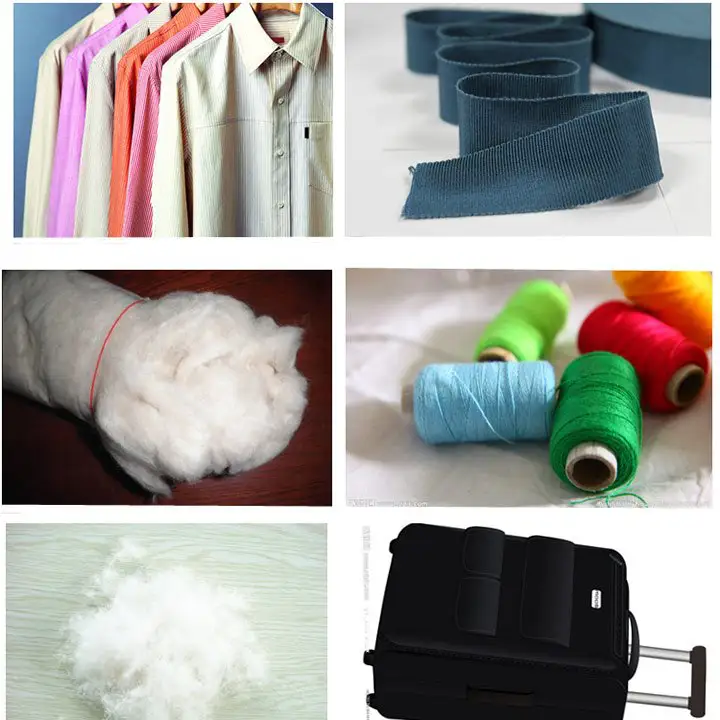
2. Two points at a glance: base fabric finishing and finished surface
The table lines up the part, the stage, what is treated, the product, the figures and the points to watch, as the first draft of a process card.
| Part | Stage | Treated item | Product | Figures | Points to watch |
|---|---|---|---|---|---|
| Base fabric (polyester, Oxford) | Finishing and setting | Base fabric | iHeir-BJ textile anti-mould agent | 2%-3% o.w.f. | Bath 21-50 degrees, pH 4.5-8.5, pre-mix with 9-13 times water, 70% pick-up, cationic so never in the same bath as an anionic |
| Finished surface (already spotted) | Surface remedy | Surface spots and crease root | iHeir-CM mould remover | Spray on the affected area | pH 4-6, let it dry naturally; a remedy, not prevention, so it does not replace the base fabric stage |
| Coating and print | Coating and printing | Coating and ink face | Control only (select by coating system) | On the coating recipe | Different coating systems take different additives, so selection is confirmed separately, not mixed in with the base fabric stage |
| Rolled edge and fold | Winding and packing | Edge and fold line | Control only | By roll diameter and stacking | Dry fully before winding, add a desiccant to the core, and keep moisture out of the fold |
| Finished-goods store | Roll storage | Finished rolls | Humidity control only | Keep the store below 60% relative humidity | Off the floor, away from the wall, air gaps between rolls, first in first out, never against a damp wall |
| Export packing | Full container | In-container climate | Humidity control only | Set by box type and voyage | Rolls take up moisture fast; skip in-container control and the first two stages are wasted |
Six rows, one conclusion: the base fabric stage decides whether the cloth carries protection, surface cleaning only deals with spots already there, and storage and packing preserve the first two.
3. The base fabric stage: padding with iHeir-BJ
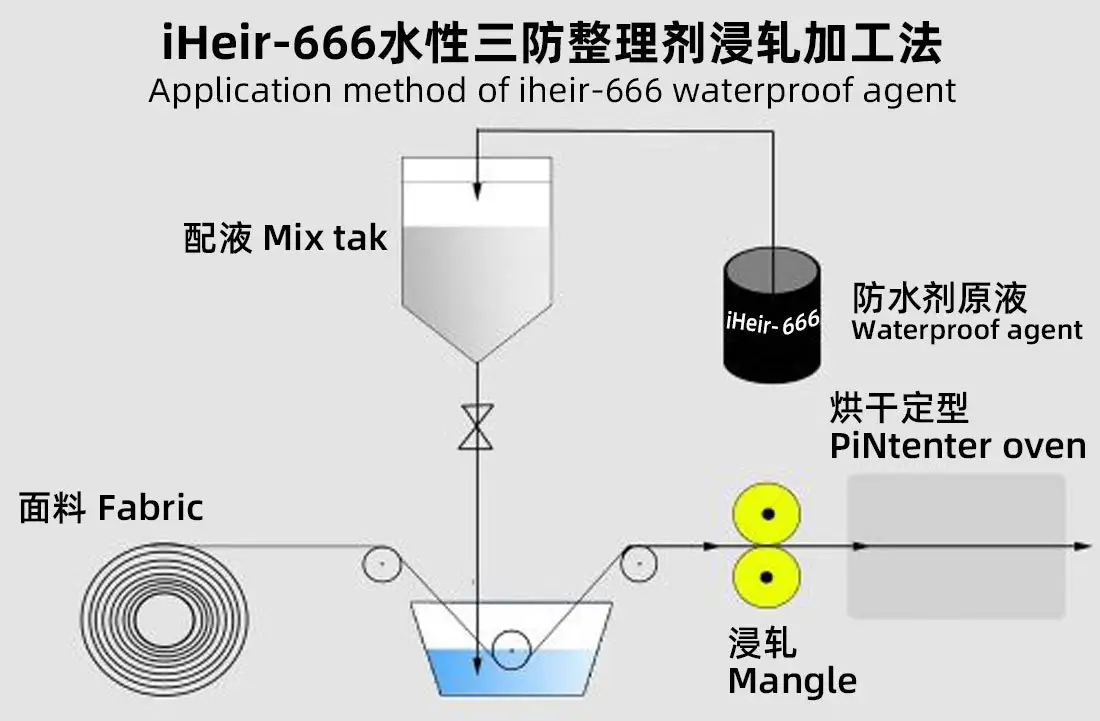
The base fabric is protected during textile finishing. Pad iHeir-BJ textile anti-mould agent at 2%-3% o.w.f. on dry fabric weight, with a bath at 21-50 degrees and pH 4.5-8.5 (ideally 6), using soft water. Pre-mix the agent with 9-13 times its weight of water and add it to the bath in stages, with pick-up set at 70%. The figure follows the protection period: 2% covers about a year, 3% holds two to three years, and orders exposed outdoors long term belong at the top of the range.
Two traps to avoid. First, iHeir-BJ is cationic and cannot share a bath with an anionic auxiliary, so check the ionic nature of softeners and wetting agents first, or the two precipitate each other and both are lost. Second, the figure is on dry fabric weight, not the coated finished weight, so a change in fabric weight means recalculating. Once the base fabric carries its protection it moves to coating and printing, where additives are selected for that coating system. For outdoor use, see choosing an anti-mould product for outdoor use.
4. Finished stock: how to use iHeir-CM
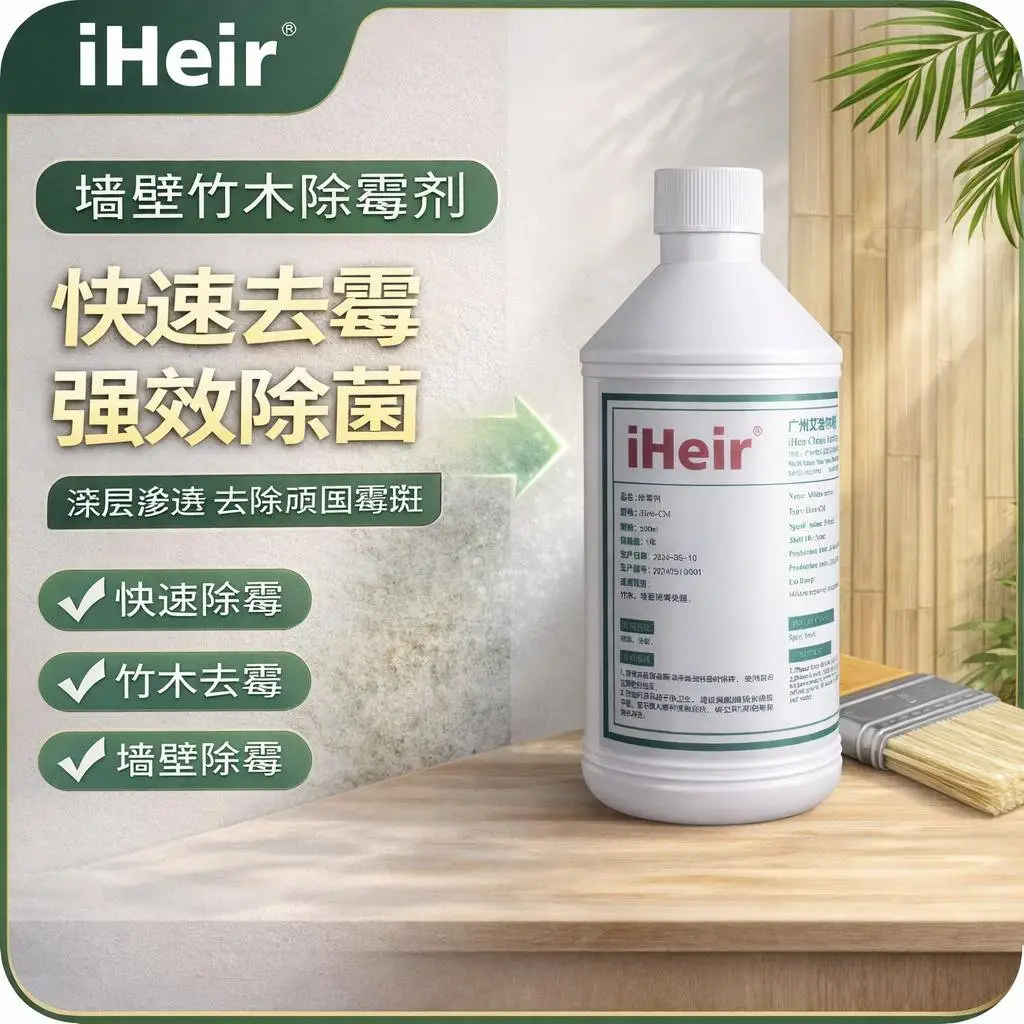
Finished goods that have spotted have to be cleaned before anything else. iHeir-CM mould remover is sprayed on the affected area to kill and clear surface spots; the pH 4-6 formula is left to dry naturally, cleaning spots and killing spores in the shallow layer of the material to reduce the chance of a return. Spray along the fold so the treatment reaches into the seam, and give the rolled edge and the fold line the closest attention.
Three points. First, cleaning is a remedy, not prevention: without restoring the base fabric protection, damp conditions bring it back. Second, clear dust and oil before spraying, because a dirty face holds the treatment off. Third, let the cloth dry completely before winding, since winding damp seals water into the fold and is the direct cause of a repeat outbreak. For how cleaning pairs with what follows, see choosing a water-based waterproofing agent.
5. Outdoor print, storage and packing: build it in
Read the stages together and the logic is simple: the base fabric finishing stage builds the protection, the coating and printing stage selects for its own system, surface cleaning only deals with spots that have already appeared, and storage and packing preserve the result. For a graphic hung outdoors long term, the risk sits in winding, transport and storage: the open print is ventilated and stays clean, while the seam and core collect trouble.
Three rules in practice. First, dry fully before winding, add a desiccant to the core and avoid too tight a wind. Second, keep the finished-goods store below 60% relative humidity, off the floor and away from the wall, with air gaps between rolls and first in first out. Third, set in-container humidity control by box type and voyage. On acceptance: a new sample passing is not the same as a stacked roll passing, so keep a sample per batch at 28 degrees and 85% humidity for seven days and read the edge and the fold.
6. Questions that come up
Can a sprayed anti-mould agent be the main route? Not advised. A coated fabric has low surface energy, a sprayed agent does not bond firmly, and sun, rain and repeated winding take it off. Protect from the base fabric stage and keep surface treatment for stock already spotted.
Can cloth that has already spotted be saved? It depends how far it has gone. Surface spots with the coating intact can be sprayed with iHeir-CM mould remover, dried and given the base fabric protection, and the roll is still usable; once the spot has gone into the coating and rubbing has left marks, it is usually a downgrade.
Why does it come back after wiping? The surface growth is gone but the root in the crease is not, and the marks left by wiping hold dust and moisture more easily, so it returns as soon as conditions suit. Both water and food supply have to be cut off.
The work sits in two places: the base fabric stage takes iHeir-BJ by padding at 2%-3% o.w.f. to build the protection, and spotted finished rolls take iHeir-CM mould remover, dried fully, with storage and packing holding it in place by humidity control. Samples and TDS sheets are available, and we are glad to run a trial on your own line.


