




 View Count:37
 Date:2026-08-31
Wood pallet got moldy? Anyone in foreign trade knows this scene: the cargo ships perfectly, but when the customer opens the container, the wood pallets are covered in black mold – photos first, claims later, and the cargo suffers too. This article explains why pallets mold, how to treat them, and how to prevent it for exports – all practical methods.
1. Why Do Wood Pallets Grow Mold?
- Moisture content too high: pine and poplar boards that are not dried or not dried enough hold 20%-30% moisture. Moisture content (the water held inside the wood) above 18% grows mold across the pallet within days – the number one cause;
- Humid sea freight: day-night temperature swings make container walls “sweat” (condensation), and 30-40 hot humid days make pallets a mold greenhouse;
- Poor storage: pallets on bare ground or in damp warehouses absorb moisture from below and spread mold to the cargo above.
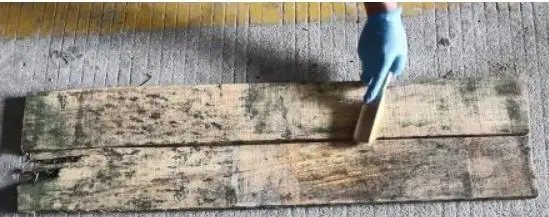
▲ A heavily moldy wood pallet
2. How to Treat a Moldy Pallet?
- Isolate: separate moldy from clean pallets; unload loaded cargo first to check for cross-contamination;
- Sanding and treatment: sand off light surface spots (wear a mask – spores are airborne), spray with a mold remover (e.g. iHeir-CM), let sit 5-10 minutes, wipe clean;
- Dry and recheck: air-dry in a ventilated area and confirm moisture below 18% with a meter before reuse – using it damp guarantees regrowth;
- Scrap decision: pallets with deep spots, softened dark boards or rot odor should be scrapped – strength is compromised and they can fail under load.
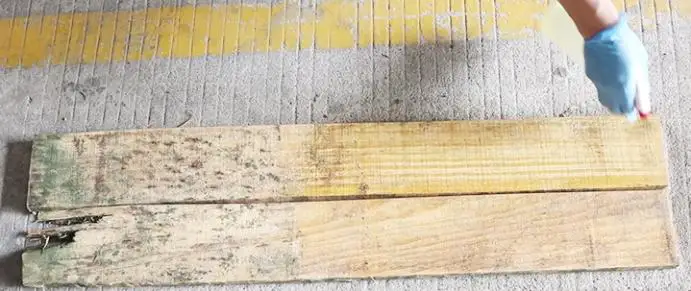
▲ Cleaning a moldy pallet
3. Export Pallet Prevention (Key)
Export pallets face not only mold but the ISPM15 phytosanitary standard – many countries require fumigation or heat treatment for wood packaging. Important: fumigation only kills insects, not mold! Fumigated pallets still mold. The practical combination is “drying + anti-mold agent”:
| Stage | Action | Why |
|---|---|---|
| Dry lumber | Kiln-dry boards to moisture below 18% (standard range 8%-18%) | Above 18%, mold is guaranteed; drying is the root fix |
| Soak agent | Soak boards in a soak-type agent (e.g. iHeir-MA) at 2%-5% for 15-30 minutes | Actives penetrate the wood and last 6-12 months – full voyage coverage |
| Container | 4-6kg desiccant + 8-12 rods (e.g. T-1000) per 40ft | Absorbs condensation and removes mold conditions at the source |
Last year a pallet factory exporting to Europe and the US received mold claims after a rushed order used undried wet boards. After switching to “dry to spec before production + anti-mold soaking + container rods”, the next 12 containers shipped with zero complaints. For container moisture dosage, see our container desiccant guide.
4. What Should Each Role Do?
- Pallet factories: make moisture meters standard equipment – test every intake batch (reject above 18%) and invest in drying rooms;
- Exporters: request moisture test records and ISPM15 certificates from suppliers; add your own desiccants when loading;
- Warehouses: store pallets off the floor (10cm+ risers), keep RH below 60%.
5. FAQ
Q1: Do fumigated pallets still need mold prevention?
A: Yes – fumigation (methyl bromide or heat) only kills live insects and eggs; it does nothing for mold. Fumigated pallets still grow mold, so pair with drying and anti-mold agents.
Q2: Does soaking affect load capacity?
A: No – soaking adds decay and mold resistance without changing structural strength; just control soak time to avoid excess water absorption.
Conclusion
Pallet mold prevention is three phrases: dry lumber to spec, soak anti-mold agent, add container rods. For pallet solutions, contact us or browse the anti-mold product range; related: How to Choose VCI Desiccants?