




 View Count:29
 Date:2026-09-21
Mould spots on film and woven bags in stock: can the shipment still go out? A buyer’s photos from a destination opening mean refund, rework or air-freight replacement, each costing an order of magnitude more than fixing it before dispatch. Grade the stock first: wipe surface spots with iHeir-Clean, redose with iHeir-JS117 at 0.5-1.0% of part weight, and downgrade anything with odour or tensile loss. This article covers the grading actions, the rework dosage and the samples to keep.
1. Grade before you act: surface spots or into the substrate
Whether a batch is saveable depends on how deep the mould has gone. On woven bags and film, most mould feeds on what sits on the surface: residual slurry on the weave, migrates from the coating layer, organic carriers in the printing ink. Mycelium spreading across the face without eating into the substrate is the easy case. The hard case is a batch that got wet: water carries spores into the weave gaps and the liner interface, and the batch keeps growing after a surface wipe. Grade in three moves. Look: spots sitting on the surface or shining through from inside; anything transmitting from within is a downgrade candidate. Pull: run tensile tests to GB/T 1040 and compare against fresh-material samples side by side; batches with retention below the fresh reference go on the downgrade list. Smell: musty odour means microbial metabolites in volume; do not try to wipe that away.
| Grade | Condition | Action | Dispatch |
|---|---|---|---|
| Grade 1 | Surface only, no odour, strength normal | Wipe with Clean, dry, re-inspect | Ship as normal after rework |
| Grade 2 | Spots into the gaps, strength intact, long storage ahead | Clean plus JS117 or IPL redose at compounding | Ship after redosing, samples archived |
| Grade 3 | Odour, brittleness, tensile loss | Downgrade to liner, non-load-bearing uses | Not shipped at the original grade |
Do not grade by eye alone: sample three rolls per grade, record the numbers in the batch ledger, and that ledger becomes your leverage in the conversation with the buyer.
2. Grade 1: the standard wiping routine with Clean
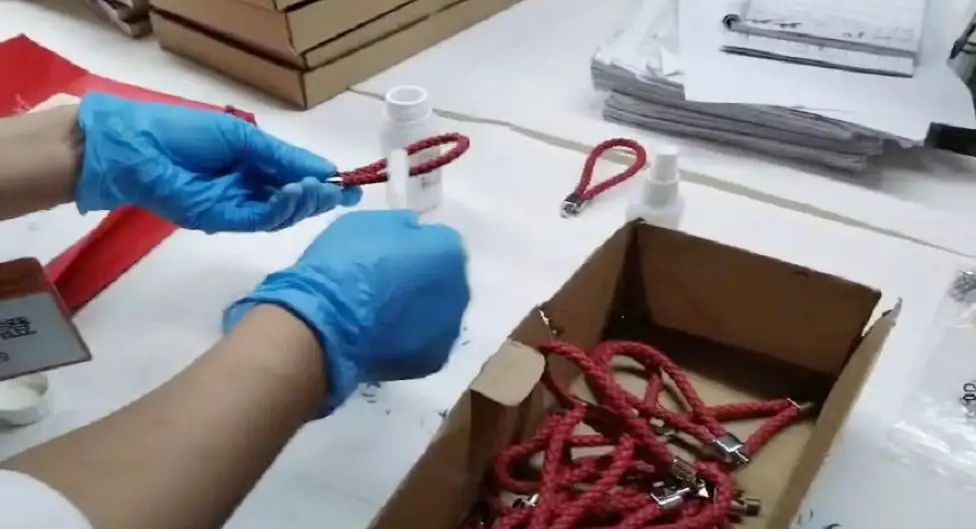
Surface spots take iHeir-Clean mould spot cleaner: apply a small amount with a soft cloth, wipe or brush, work it evenly over the affected area, lift the spots and stains, then air-dry naturally or by fan. It cleans, protects against mould, inhibits microbes and conditions the surface in one step; the transparent liquid dissolves in water, ethanol and ketone or ester solvents, so dilute it to suit the job and cover large areas economically. The safety file is solid: recognised by the US EPA, compliant with FDA and European safety standards, with an acute oral LD50 of 12.27 g/kg, less toxic than table salt. Two rules on the floor: it is DOT-classified flammable, so keep the work area free of ignition and static with extraction running; and run a production-scale trial before volume rework to fix the wiping pressure and drying time, rather than learning on the first pallet. After drying, confirm the antibacterial layer is present with the bromophenol-blue test, two minutes, before the goods go into packing.
3. Grade 2: redosing with JS117 or IPL
Rework removes the mould; it does not stop the next humid month from starting a second round. Grade 2 batches therefore get an anti-mould dose built back in at re-compounding or secondary processing. The powder route is iHeir-JS117 plastic anti-mildew powder at 0.5-1.0% of part weight, blended thoroughly with the resin and processed as usual. Its non-releasing mechanical contact mechanism does not leach, migrate or get consumed by microbes, so resistance does not develop, and it suits the PVC, polyolefin, polyester and thermoplastic elastomer substrates common in woven bags and waterproof tarpaulins. Trim the dose against the part’s microbial sensitivity, the temperature, humidity and pH of its service environment, and the protection period the buyer expects.
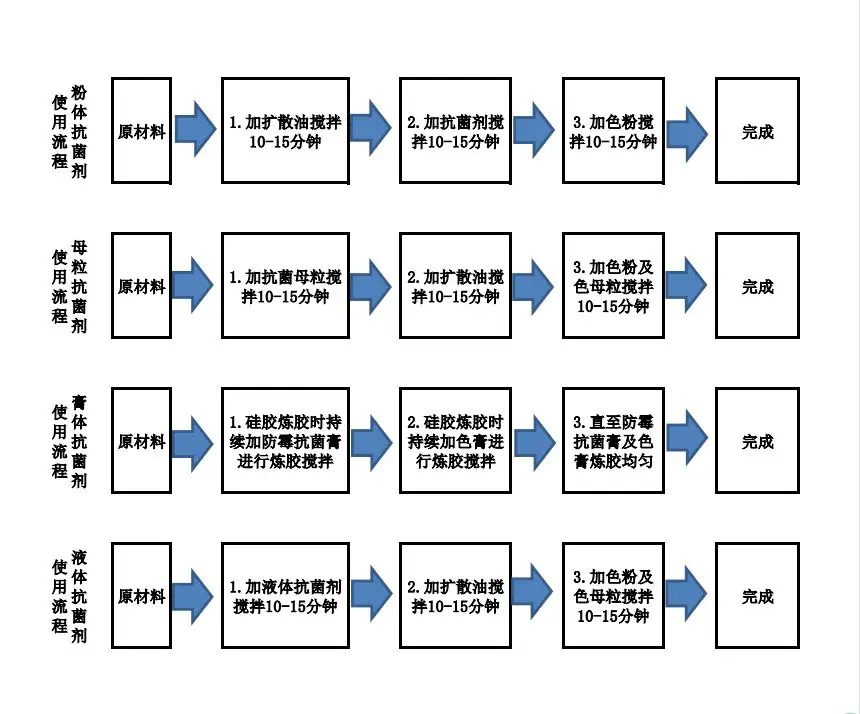
Light and transparent parts take iHeir-IPL inorganic antimicrobial agent at 0.8-1.0% of part weight: it withstands processing at 300-320 degrees C without discolouring through injection or extrusion, holds an antibacterial rate of 99.99% or better, and can be mixed straight into the resin or pre-compounded into a masterbatch or dispersion for better distribution. Follow the powder workflow in order: blend the raw material with dispersing oil for ten to fifteen minutes, add the antimicrobial powder for another ten to fifteen, then the colour powder, and mould as usual; a wrong order leaves dispersion patchy and the antibacterial reading means nothing.
4. Before dispatch: two tests and the samples to keep
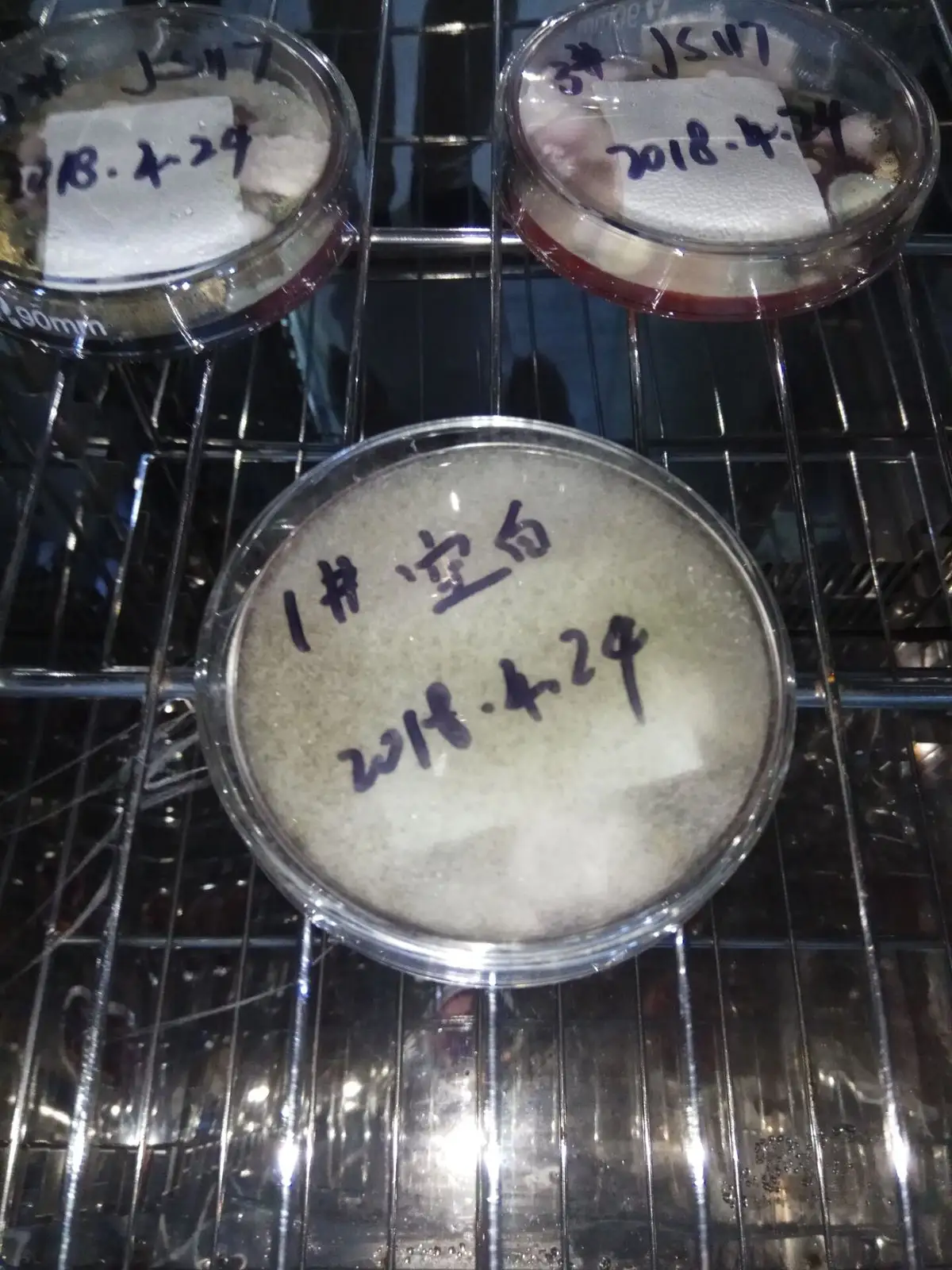
A reworked batch does not ship on a hand check. Strength: retest tensile to GB/T 1040 against same-batch fresh material and ship at the original grade only when retention passes. Mould resistance: run the grade to ASTM G21, and the petri-dish challenge makes the point visually, the untreated control overgrown while the JS117-treated sample stays inhibited; the photographs and the report travel with the batch. Keep two sample sets, reworked and normal side by side, sealed for at least fourteen days; if the buyer raises a claim after opening the container months later, the paired samples show exactly which segment owns the problem.
Redosed batches also need a storage brief: palletise reworked goods separately from untouched stock, raise the bottom rows off the floor, keep stacks thirty centimetres clear of the walls, and add container drying bars in the humid season. Rework fixes what has already happened; storage and packing prevent the repeat, and doing both is what keeps the next order safe.
5. FAQ
Q: Can coated woven bags take Clean wiping without losing print?
The coated face tolerates wiping; test a hidden spot on printed areas before batch work. Diluting in ethanol is gentler on inks, but set the dilution ratio in a small trial first.
Q: Can we skip the cleaning and only dose JS117?
No. The powder prevents future growth; existing spots remain both an inoculum and a visual defect, and the buyer sees the spots first when the container opens. Clean first, redose second, always in that order.
Q: Where do Grade 3 batches go, domestic or export?
Segment by use, not by market: downgraded material moves to liners, cushioning layers and non-load-bearing packaging, and never into any order that claims anti-mould performance, because brand audits check material batches first.
Q: How do samples and orders work?
JS117, IPL and Clean are all available as samples; send the substrate, weight, processing temperature and target protection period, and we return the dosing band and process position, then quote per drum. Contact us.