




 View Count:58
 Date:2026-08-26
Webbing got moldy? Webbing is a vital accessory for bags, apparel and outdoor products with huge export volume. But it molds easily during warehousing and sea freight – one moldy batch scraps the stock and affects finished goods. This article explains webbing anti-mold agent application with specific parameters.
1. Why Does Webbing Mold Easily?
- Absorption: cotton webbing absorbs aggressively (regain 8.5%);
- Size residue: starch-based size and softener residue feed mold;
- Rolled packaging: humidity cannot escape the roll core (12%+ moisture), molding from the inside;
- Sea freight: container rain is the number one cause for export webbing.
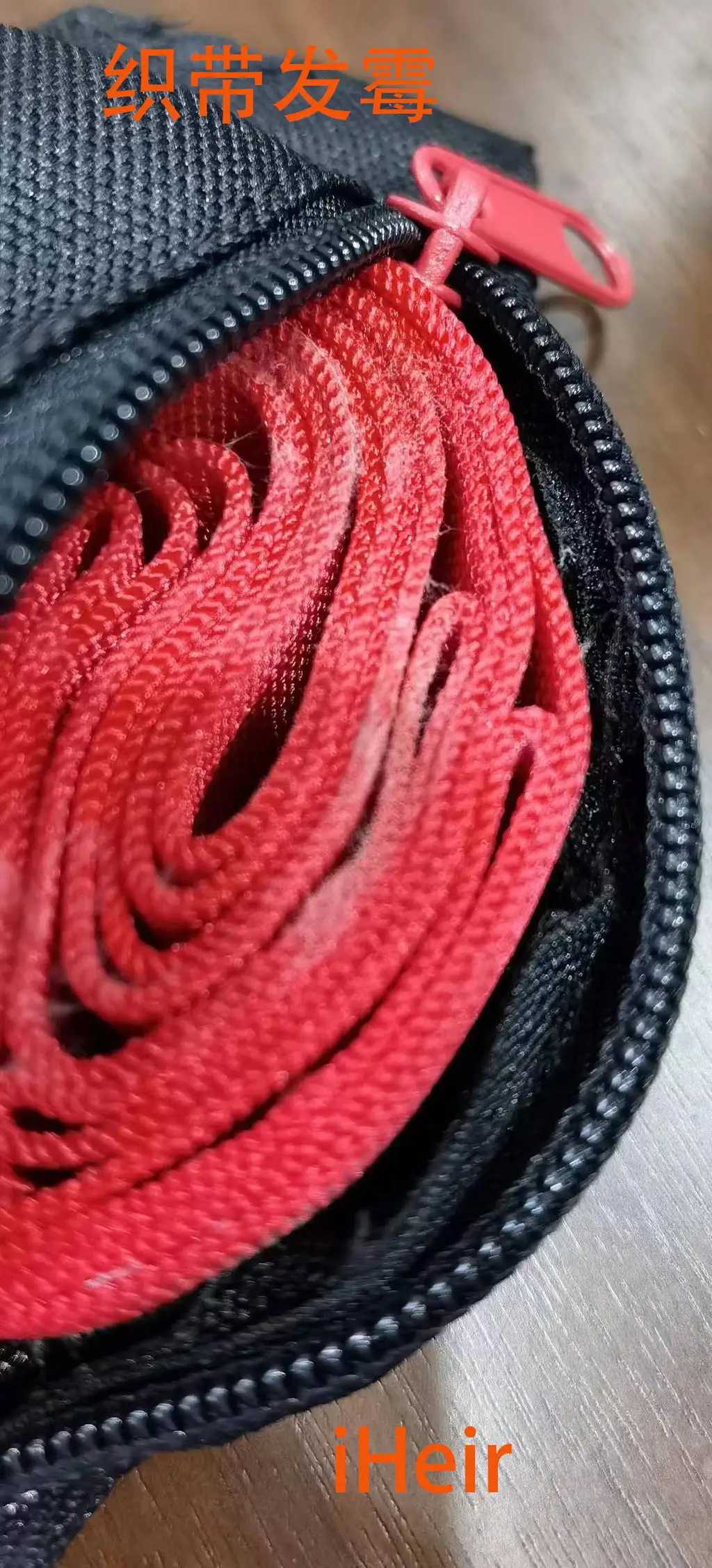
▲ Mold on webbing
2. How to Choose a Webbing Anti-Mold Agent
| Dimension | Key Points | Requirement |
|---|---|---|
| Application | Immersion (batch) / spray / sachets | Immersion 2%-5% |
| Color fastness | No fading or color change | Test dark webbing first |
| Hand feel | Keep soft, no stiffness | Dry ≤120°C |
| Compliance | OEKO-TEX for export | Request reports |
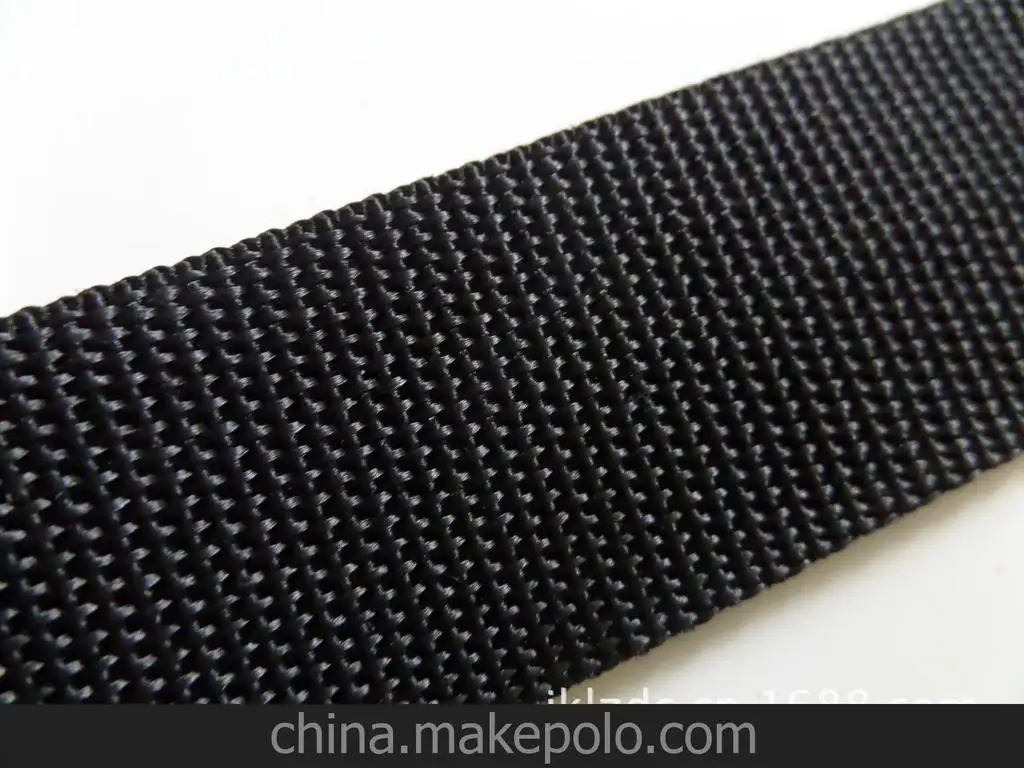
▲ Webbing anti-mold agent
3. Application Plan
- Immersion: after dyeing, pad at 2%-5%, pick-up 70%-80%;
- Dry: below 120°C (higher degrades actives);
- Moisture control: reduce to below 5% before rolling – the first gate;
- Packaging: 1 sachet per roll + 1 100g desiccant per carton.
4. Common Mistakes
- Mistake 1: Synthetics cannot mold. Size residue makes them mold too;
- Mistake 2: Treating webbing only. Packaging protection must work together;
- Mistake 3: More is better. Above 5% harms hand feel and color fastness.
5. FAQ
Q1: Does the agent affect prints?
A: Immersion happens after dyeing and before cutting – no impact on prints.
Q2: Can treated webbing be washed?
A: Regular washing is fine; avoid dry cleaning (solvents may affect actives).
Conclusion
Webbing got moldy? Immersion treatment (2%-5%), moisture ≤5%, packaging protection. For samples, contact us or read Textile Anti-Mold Agent Buying Guide.