




 View Count:46
 Date:2026-08-29
Purple clay teapot got moldy? Many tea lovers know this: after a period of disuse, opening the lid reveals white or black mold inside – heartbreaking and annoying. Zisha teapots are cultivated over time, and wrong treatment can damage the pot. This article covers why zisha teapots mold, how to remove mold without damaging the pot, and daily care.
1. Why Do Purple Clay Teapots Grow Mold?
- Double-pore structure absorbs water: zisha clay has a unique “double-pore” structure (like countless tiny holes in a sponge) – breathable but moisture-absorbing. After washing, water enters the wall; sealed under the lid, it cannot escape and becomes a mold greenhouse;
- Tea scale feeds mold: residual tea stains contain starch and protein – mold’s food. Disused pots with tea scale + moisture = guaranteed mold;
- Humid storage: in southern rainy seasons with 80%+ humidity, the pot absorbs moisture from the air even when unused. When wall moisture exceeds 12%, mold appears within days.
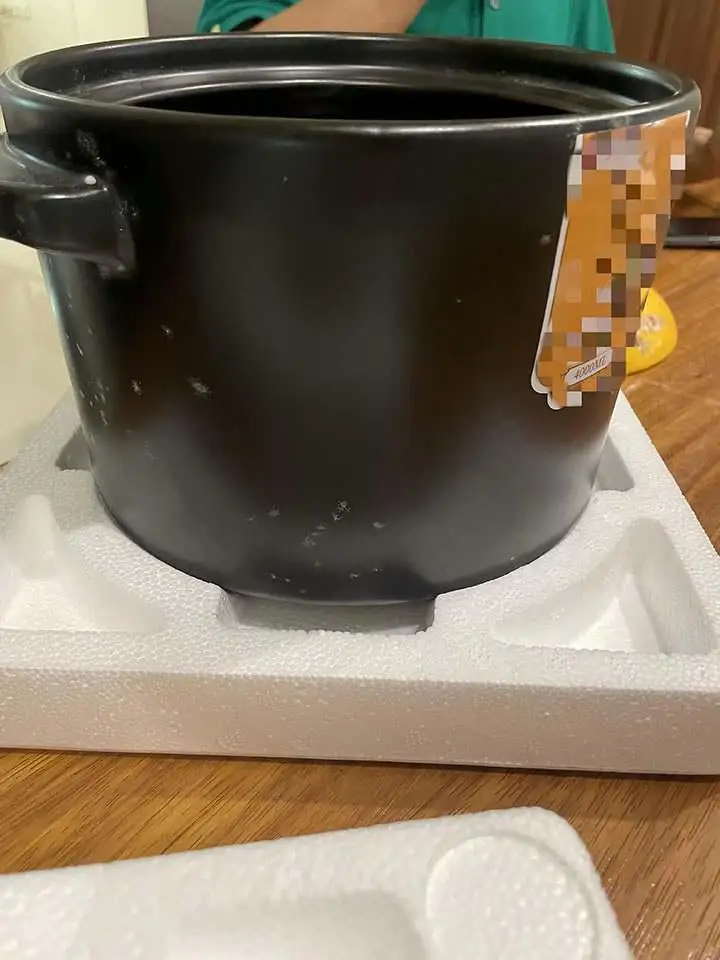
▲ Zisha teapot mold causes
2. How to Remove Mold Without Damaging the Pot? Four Steps
- Dry brush: brush off surface mold gently with a dry soft brush (zisha walls are thin – no hard scrapers), then rinse with clean water;
- Apply mold remover: spray a ceramic-safe mold remover (e.g. iHeir-CM) on the spots, let sit 5-10 minutes, then scrub – do not skip: zisha pores are deep and under 5 minutes only removes the surface while mycelium stays in the pores and regrows;
- Hot-cold alternation: fill with boiling water, swish and pour out, then cool boiled water, repeat 2-3 times – the breathable clay lets pores “breathe” and draws deep musty odor out;
- Dry thoroughly: open the lid, place the pot mouth-down in a ventilated area for at least 48 hours – air dry, never sun-dry (sunlight cracks zisha). Confirm dryness with the tissue test (tissue inside overnight stays dry).
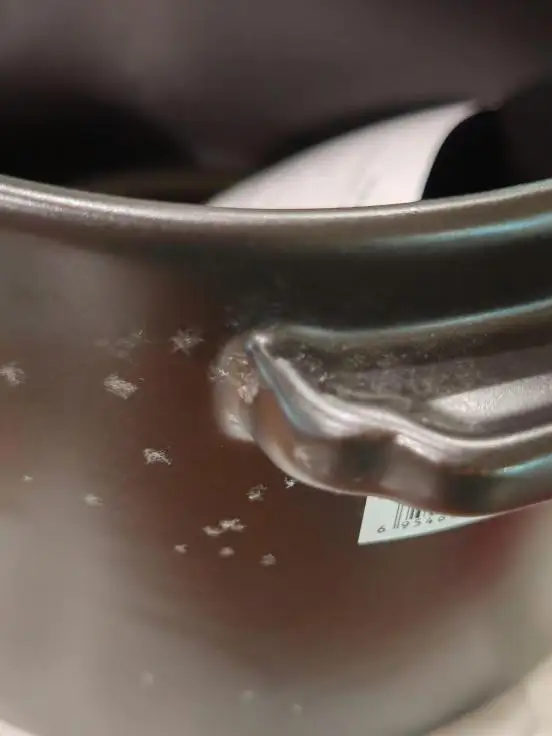
▲ Zisha teapot mold treatment
3. Daily Care: Four Points
| Point | Action | Why |
|---|---|---|
| Empty after use | Pour out tea and leaves, rinse and wipe dry | No tea scale or water – nothing for mold to eat |
| Dry tea inside | Keep dry tea leaves inside long-idle pots | Dry tea absorbs moisture and keeps the pot dry |
| Ventilated storage | Store on an open tea shelf, lid not fully sealed | Airflow stops moisture buildup |
| Humidity control | Keep RH below 60% in rainy seasons | Lower air humidity stops wall absorption |
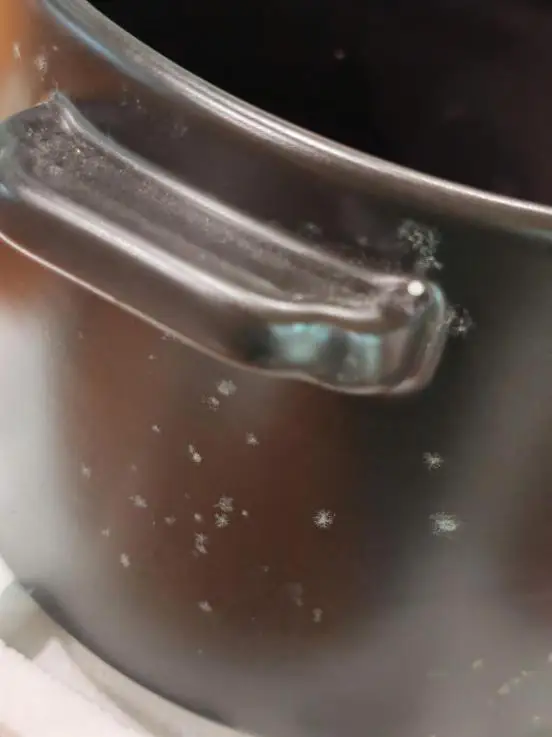
▲ Mold on a zisha pot’s outer wall
4. What Should Teaware Factories / Exporters Do?
If you are a zisha teaware factory or exporter, pots go into containers where humid, hot conditions combine with absorbent cartons and foam liners – moldy arrivals are common. Follow three steps:
- Dry before packing: pots must be fully cooled and dry (moisture below 10%) before packing – rushing damp pots into cartons packs mold into the container;
- Moisture-proof packaging: 1-2 anti-mold sachets (e.g. Power Pak) + 20g desiccant per carton, line cartons with moisture barrier;
- Container control: 4-6kg desiccant + 8-12 anti-mold rods per 40ft for the voyage.
Last year a teaware exporter in Yixing had a batch of zisha pots rejected in Japan due to mold spots. After rework, the second shipment followed “dry before packing + in-carton sachets + container rods” and arrived with zero mold, restoring the order.
For related mold prevention, see How to Deal with Mold on Walls? and How to Test for Mold?
5. FAQ
Q1: Can a moldy zisha pot still be used?
A: Light spots are fine after the four-step treatment; if the musty odor is strong and walls are blackened and soft, mycelium has penetrated the clay – do not brew tea in it.
Q2: Can I soak the pot in disinfectant?
A: Not recommended – residue risks and disinfectants damage the patina and pores. Use a mold remover plus hot-cold alternation instead.
Q3: Can hongni (red clay) pots take boiling water?
A: Hongni fears sudden temperature changes and can crack. For hongni pots, use warm water and mold remover only – no hot-cold alternation.
Conclusion
Zisha teapot prevention is four phrases: empty after use, dry tea inside, ventilated storage, humidity control. For teaware anti-mold products, contact us or browse the anti-mold product range.