




 View Count:43
 Date:2026-09-05
“My tea got moldy — how do I fix this?” Tea factories, trading houses and exporters ask this every monsoon and shipping season. Tea is one of the most absorbent agricultural products: even a small rise in moisture can ruin an entire batch, and tea that has absorbed odors is damaged even without visible mold. This guide is written for tea manufacturers and exporters — how to recognize mold, what humidity to keep in the warehouse, and how to protect tea during ocean shipping. Everything here is physical moisture control of the storage environment and packaging; nothing is ever added to the tea itself.
1 Why does tea mold? Understand how moisture gets in
Mold needs three things: moisture, nutrients (tea itself) and warmth (20-35°C is the active range). Dry tea does not mold by itself — mold almost always follows moisture gain through three routes:
- Warehouse dampness — in wet seasons, floors and walls sweat; cartons stacked against the wall absorb moisture first, and cardboard transfers it to the tea inside.
- Packaging absorption — opened packages left unsealed, or low-barrier packaging, lets tea slowly reabsorb moisture during storage.
- Container condensation — inside a container the day/night temperature swing can reach 15-25°C; at night the inner walls sweat (“container rain”), wetting outer cartons first.
A simple field check: dry tea that snaps crisply between the fingers has normal moisture; tea that feels soft and springy has already absorbed moisture — act before it turns to mold.
2 Storage smell vs. musty smell — learn to tell them apart
For pu-erh drinkers, “storage aroma” and musty odor are often confused, but they are completely different:
- Storage aroma (cang wei) — a “stale, old-house” note absorbed from the warehouse; the tea is not spoiled and the note fades after airing.
- Musty/off odor — produced by mold metabolism, often sharp, earthy-sour and unpleasant. Strong mustiness means mold has grown inside; such tea should not be drunk.
Also look: white, green or grey-black fuzz on the surface, or mycelium inside a broken cake, means spoilage. Note that some compressed teas develop a fine white powder (“tea frost”) during aging — if it wipes off as dry powder and the tea smells normal, it is usually harmless crystallization. When in doubt, isolate the batch and have it assessed.
3 What humidity is safe for a tea warehouse?
The single most important metric is relative humidity. A practical rule: keep the warehouse below 65%RH as a safety line; for delicate teas (green tea, light oolongs) aim for 55%-60%RH. Do not push humidity high to “accelerate aging” — above 70%RH for long periods will turn tea musty. Keep temperature at or below 25°C and avoid rapid swings, which condense moisture onto the tea.
Watch three spots: ① doorways, windows and corners — dampness starts here, so keep tea 20-30cm away from walls and floor; ② the area around dehumidifier outlets — this shows whether equipment really lowers RH; ③ inside cartons — ambient RH can be fine while carton interiors are not, so open and feel the tea during spot checks.
This follows the same logic as our warehouse mold prevention guide: a dehumidifier as the main tool, with moisture-absorbing aids for local zones around pallets and entrances.
4 Tea factory storage: four steps that work
Step 1 — measure and map. Place 3-5 electronic thermo-hygrometers (readable to 1% RH) across corners, pallet centers and doorways, and log for a week to find the wettest zones — those are the dampness entry points. Calibrate hygrometers regularly.
Step 2 — seal sources and dehumidify. Seal wall cracks, floor drains and window gaps; run an industrial dehumidifier sized to the warehouse, continuously during wet seasons targeting RH≤65%, with the air outlet not aimed at tea stacks. Small factories on a budget can still do three things well: keep doors/windows closed, run a dehumidifier, and store tea off the floor and away from walls.
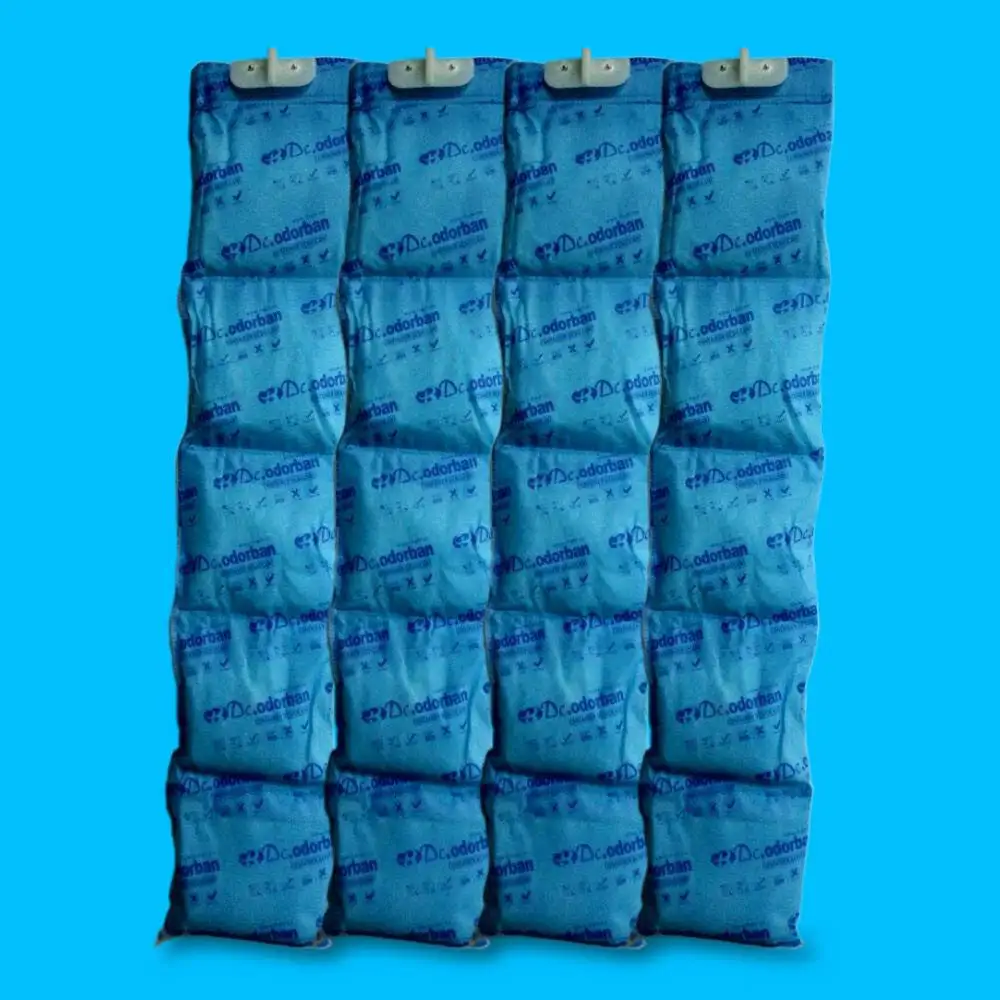
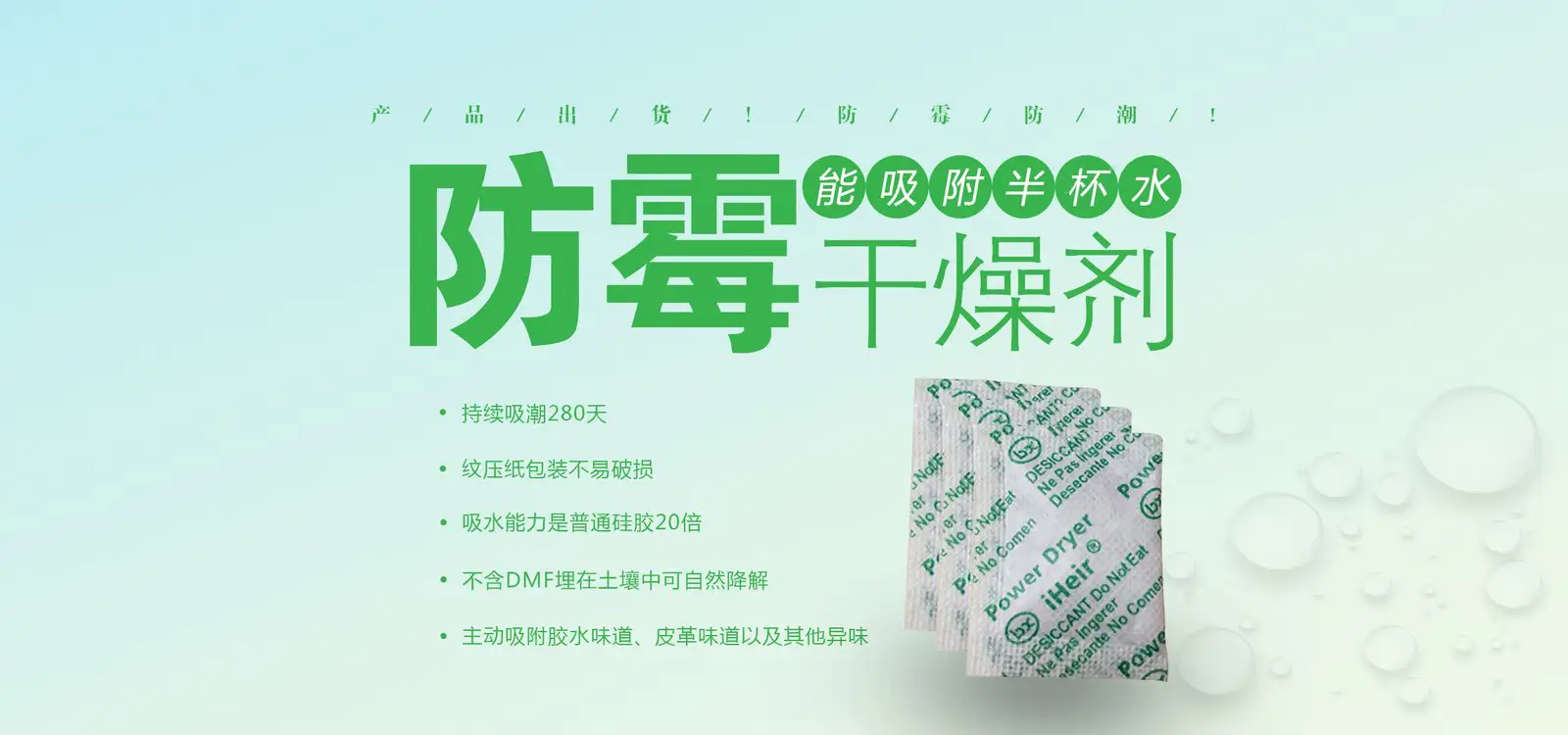
Step 3 — local drying aids. For dead zones, mobile/temporary storage and transfer areas, desiccants can help. This point cannot be stressed enough: tea is food for direct consumption — moisture-control materials may only be placed outside the packaging (between cartons, hung on container walls); they must never touch tea or its inner packaging, and no chemical may be sprayed or fumigated onto tea. If auxiliary desiccant inside an outer carton is requested, use food-contact-compliant barrier packaging and confirm with the customer first.
Step 4 — rotation control. Follow first-in-first-out; reseal cartons after opening; do a thorough clean and airing before the wet season; increase spot checks (weekly during the wet season) by opening cartons to feel and smell the tea.
5 Ocean shipping: container and packaging protection
Sea freight is where tea moisture damage bites hardest — a shipment can spend 20-40 days at sea with condensation forming almost every night. The goal is to keep that moisture outside the packaging:
- Inspect the container first — confirm it is dry, leak-free and free of odors from previous cargo. Reject containers that carried wet goods or chemicals; see container rain and cargo condensation protection.
- Seal the tea, then pack — seal tea in aluminum-foil or high-barrier laminated pouches, then into cartons; stretch-wrap cartons to reduce direct contact with sweating container walls. The sealed pouch is the lifeline of tea sea-freight protection.
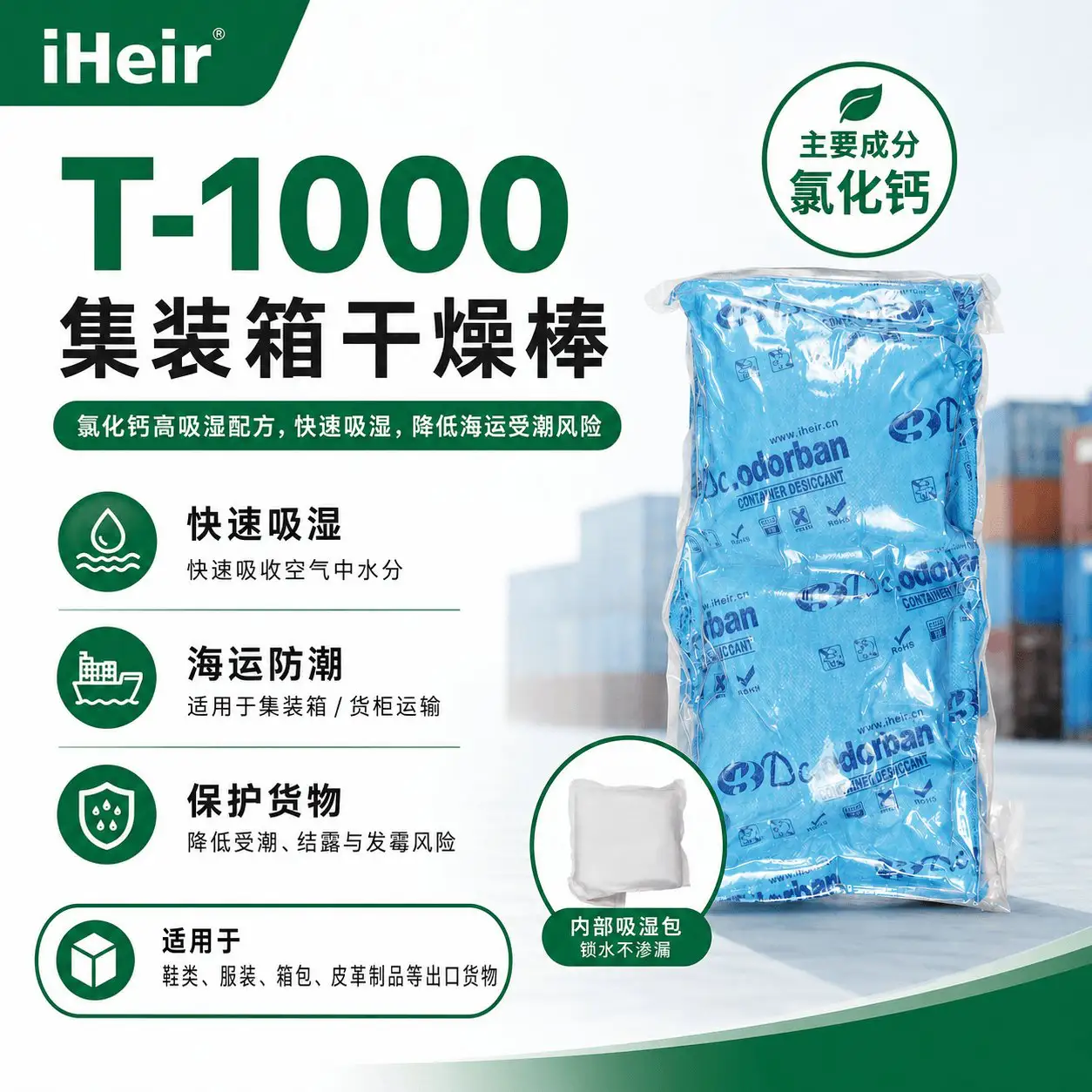
- Hang container desiccant sticks — install T-1000 container desiccant sticks on the walls: 6-8 sticks for a 20-ft container, 12-16 for a 40-ft unit. Tea absorbs strongly and voyage times are long, so choose the upper range; dosing logic is explained in our container desiccant dosage guide. The sticks absorb airborne moisture inside the container and do not touch the cargo.
- Vent on arrival — after hot-route voyages, vent the container before unloading so the temperature difference does not “sweat” the cargo at the moment the door opens.
6 Tea moisture FAQ
Q1: Tea is slightly damp but not moldy — can it be saved? Yes, act fast: move it to a dry, ventilated area (avoid long exposure for green teas), and dry gently with low-temperature roasting or food-grade desiccant aids — only if no mold has appeared. Once musty or visibly moldy, do not try to salvage it for drinking; quarantine and assess the batch.
Q2: Can I spray anti-mold chemicals in the tea warehouse? No. Tea is food for direct consumption. Never spray or fumigate any biocide in a space where tea, its packaging or its surfaces are handled. Use physical humidity control, barrier packaging and cleaning instead.
Q3: Does pu-erh need high humidity to age faster? No. Professional storage keeps RH in the lower band of 60%-70%, letting time and temperature do the work; sustained RH above 75% multiplies the risk of mustiness.
Q4: Should desiccant go inside the export carton? Only if the customer requests it, placed between outer cartons with a non-food-contact barrier, with food-contact compliance documentation and customer approval. The robust primary solution remains sealed tea pouches plus container desiccant sticks. For the EU and other markets, follow local food-contact material rules for packaging and accessories.
Q5: What is the weakest link in tea export? Moisture at both ends: tea not fully dried before loading (moisture content too high) plus container condensation. Check the moisture content of dry tea before shipping — common safe ranges are 3%-5% for green tea and not above 7% for most processed teas.
Tea moisture protection has no shortcut — one sentence says it all: keep humidity outside the packaging. If your tea warehouse struggles every wet season, or you need a moisture plan for a tea export order, contact us — we will work through the details of warehouse and container humidity control together.