




 View Count:15
 Date:2026-10-21
How is a wicker jar treated for mould inside and outside? The outer shell is a braid of cane, the inner wall a compacted fibre layer; the braid is dense and the wall is open, so mould starts at the inner wall and rim while the outside still looks sound. The body goes through a dip in iHeir-M5 immersion type bamboo and wood fungicide at 1:40 for 5-10 minutes to a 15%-20% weight gain, and the inner wall sprayed with iHeir-M8 bamboo and wood fungicide at 1:20. This article gives both dilutions, the drying figure and the export checks.
1. On a wicker jar the outside and the inner wall are not the same problem
Most wicker jars are a composite: an outer shell braided from cane, a compacted fibre wall bonded inside, and a joint where rim meets lid. The braid absorbs slowly, the wall drinks from the air and the contents, and the joint holds water in a gap that dries badly.
So failure runs in order: the inner wall first, then the rim joint greying, then the outside. Treating the outside alone looks fine for months and then fails with goods inside.
2. Body, inner wall and rim: three locations compared
The table sets out the location, the method, the dilution and the criterion for each, as a process card.
| Location | Method | Product and dilution | Criterion | Points to watch |
|---|---|---|---|---|
| Body (outside) | Full immersion | iHeir-M5 at 1:40, dipped 5-10 minutes | 15%-20% weight gain, fully submerged | M5 is acidic; no contact or mixing with metal or alkaline material |
| Inner wall | Spray or brush | iHeir-M8 at 1:20 | Full coverage, no dry patch | Get the nozzle inside a narrow mouth, not just across the rim |
| Rim and lid joint | Brushed touch-up | M8 bath at 1:20 | Wet in the gap, no dry seam | Clean the gap first, remove dust and old glue |
| Drying and packing | – | – | Moisture below 25% | Below 25% moisture, M8 protection is rated at more than a year |
The first two rows are two different physical events: a dip floods the material and the weight gain tells you how much went in, while a spray coats the surface and coverage tells you whether anything was missed. Different criteria, so a spray standard cannot be used to accept a dip, or the reverse.
3. Body dip: M5 at 1:40, 15%-20% weight gain in 5-10 minutes
iHeir-M5 immersion type bamboo and wood fungicide is a reddish-brown liquid for bamboo ware and for wood, cane, rattan, palm and grass articles against mould. Mix the bath at 1:40 (5kg of M5 to 100kg of water), submerge the jar completely with nothing above the surface, and hold it until the weight gain reaches 15%-20%, roughly 5-10 minutes. Lift, drain, then air or sun dry before packing; packing is 25kg to the drum with a one-year shelf life.
Four points: M5 is acidic, so tanks and hangers are plastic and alkaline cleaning is rinsed off first; shake the drum, because a floating layer is normal; judge the weight gain on a scale against three baseline jars; and wear gloves, since the concentrate is high in solids.
A hollow jar also holds bath, so drain it mouth down; lying flat leaves water in the base ring and doubles the drying time.
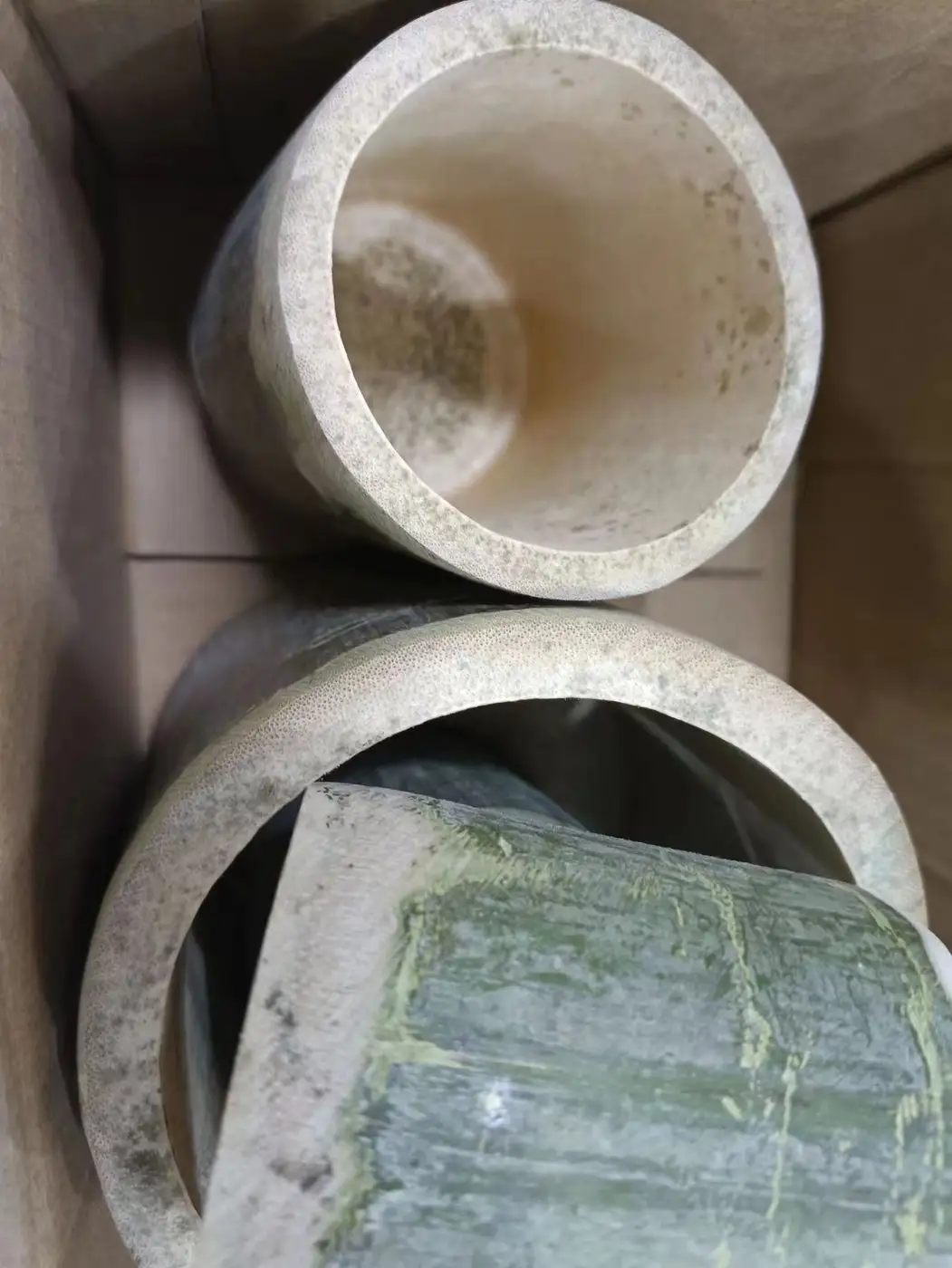
4. Inner wall spray: M8 at 1:20, nozzle inside the mouth
The inner wall takes iHeir-M8 bamboo and wood fungicide: a clear amber liquid with a sharp acidic odour, its active soluble at 5-7ppm in water and dispersing in the aqueous phase. Spray or brush at 1:20 (1kg of M8 to 20kg of water), stir, cover the whole surface and let it air dry. Packing is 25kg with a three-year shelf life, and it must not be stored in metal containers.
How does a spray reach the wall? Get the nozzle inside and travel around the wall, working the ring where wall meets base at the same dose; spray to an even wet surface and stop, because run-off is over-application; then brush the rim and lid joint, which the nozzle cannot reach.
One trap: dip first, spray second. Spray before the dip and most of it washes out in the tank.
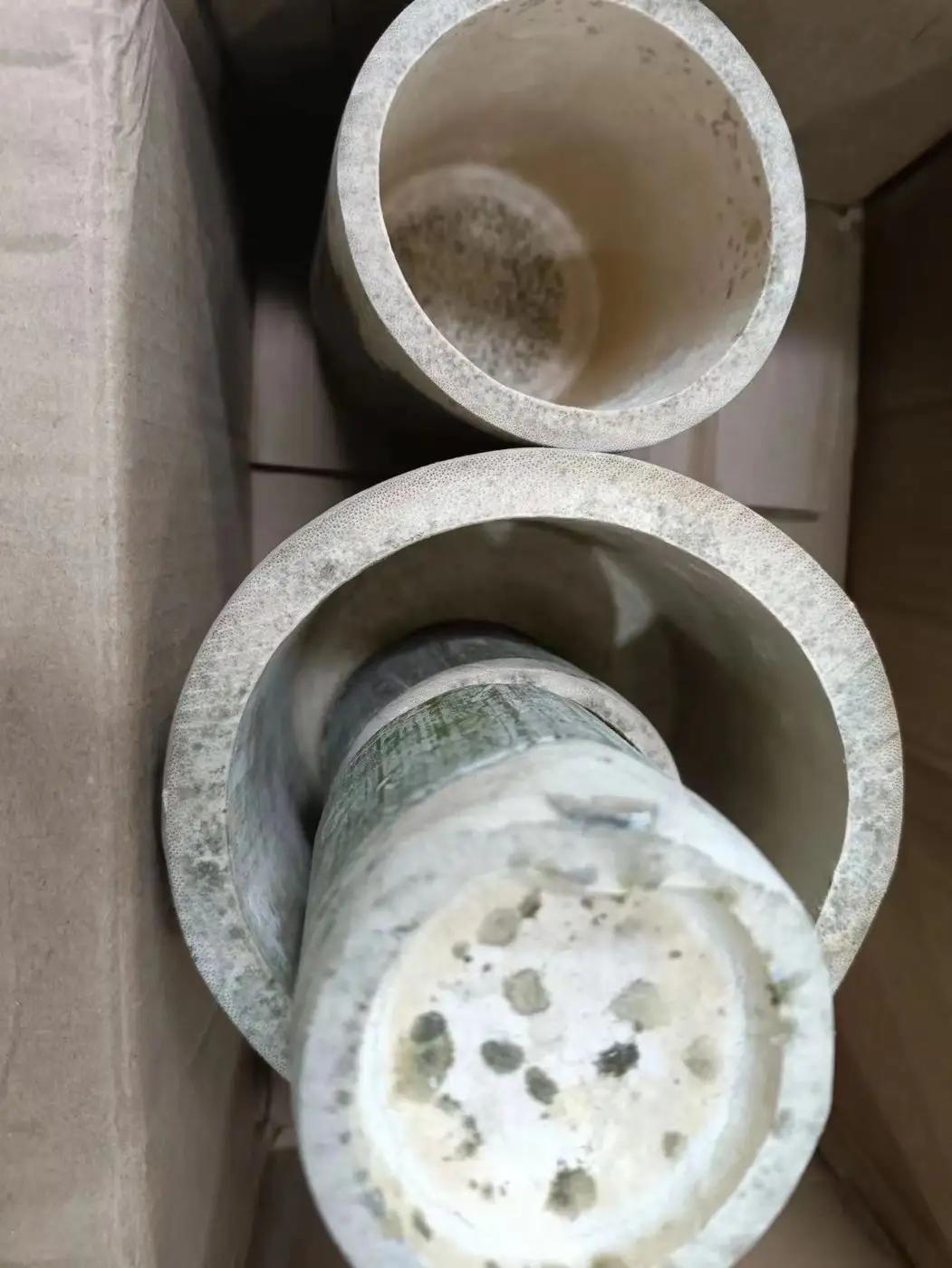
5. Drying, assembly and export: 25% moisture is the hard line
After both passes, drying decides the outcome. The M8 data sheet states that below 25% moisture the protection is rated at more than a year; above that the active stays in the water phase and the effect drops away. So the jar does not go straight to packing: drain, air or sun dry, sample the moisture by lot, and only close the lid when it passes.
Three points at packing: dry lid and body apart, since the rim joint dries last and an early lid traps water; no damp liner inside, because damp paper against the wall feeds mould; and dry cartons with pallets up and a gap to the wall.
At sea, condensate drips from the roof and a damp carton wall wicks inwards, so use absorbent material and leave a gap at the wall. A container moving between a humid port and a dry market also swings several degrees between day and night, and every swing pulls moisture back into the weave, which is why the drying figure is checked again at the port rather than only at the factory. Open two cartons at destination and look at the inner wall and the rim, because a spot there means the whole lot is isolated rather than fed into the next process.
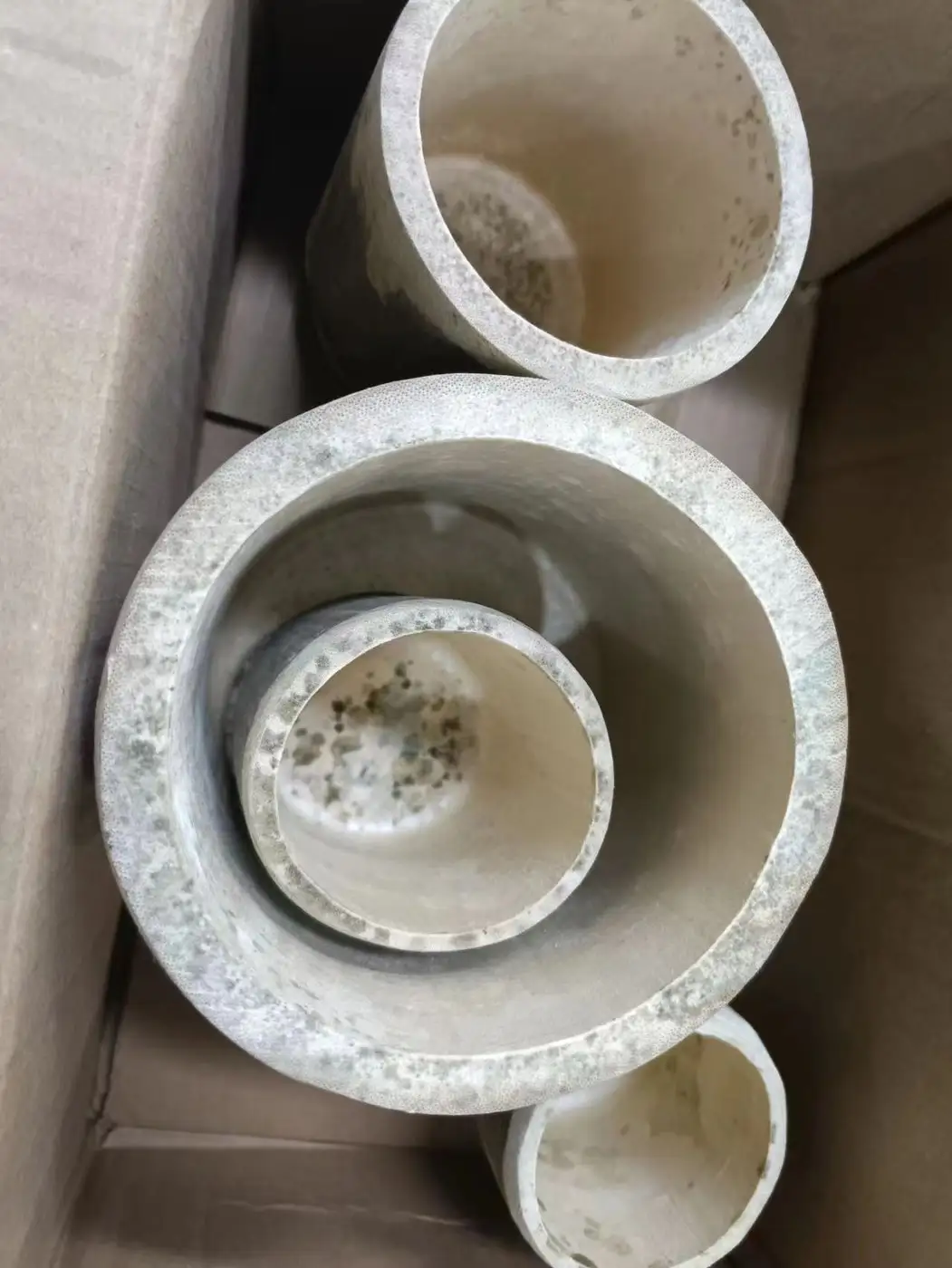
6. Questions: is the spray optional, and what if the colour darkens
Is a dip alone enough? It holds for a while but not for a season: the wall is open and drinks a lot, and draining carries much of the active out. A separate spray gives complete coverage.
The body darkening is normal, because M5 is reddish-brown. Tide marks come from uneven draining, so stand the jars mouth down and do not stack them wet.
The wall feels filmed? M8 dries to a very thin layer with no noticeable film; a tacky feel means too much was applied or it has not dried through. Mix at 1:20 and spray to an even wet surface.
Closing figures: body dipped in iHeir-M5 at 1:40 to a 15%-20% weight gain in 5-10 minutes, all tanks and crates plastic because M5 is acidic; inner wall sprayed with iHeir-M8 at 1:20, worked into the base ring, with the rim and lid joint brushed; dip before spray, drained mouth down; lids closed only below 25% moisture, with dry liner and absorbent material in the container.


