




 View Count:39
 Date:2026-09-05
“My car interior got moldy — what do I do?” Car owners in humid climates and automotive accessory factories face this every rainy season. Park a car for a week and a musty smell greets you at the door; EVA floor mats hide black spots underneath; leather seat stitching grows white fuzz. This guide covers the causes, the cleaning steps, source-level protection and cabin odor control — for 4S shops, car mat/seat cover factories, exporters and everyday drivers.
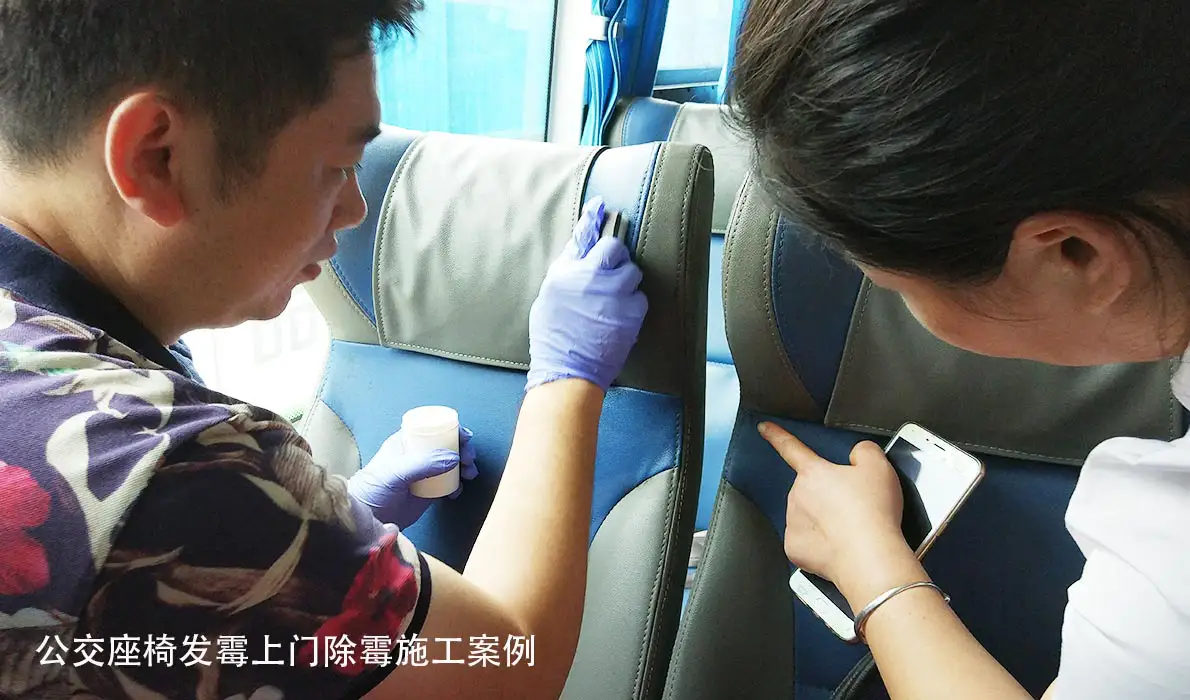
1 Why does car interior mold? Three high-risk areas
A car cabin is a semi-sealed space where humidity cannot escape easily, so local condensation is common. Mold concentrates in three areas:
- Floor mats (EVA, carpet-style, rubber) — the most mold-prone part. Mats absorb rainwater and AC drips; EVA foam cells hold moisture inside even when the surface looks dry. Rubber and EVA themselves contain no nutrients, but the dust, mud and hair trapped on mats feed mold.
- Leather and fabric seats — leather pores absorb sweat and body oils, which become a growth medium in damp conditions; fabric covers absorb even more moisture and can mold within days if refitted before drying fully after a wash.
- AC evaporator and trunk — the evaporator condenses water while cooling and breeds mold if never cleaned, producing a sour musty smell when AC runs; wet umbrellas, cardboard boxes and damp items in the trunk mold the carpet lining.
The trigger is simple: relative humidity above RH 65% at 20-35°C lets mold germinate on organic surfaces within 48 hours. Cars parked long-term in basements or under trees, or kept closed during wet seasons, become ideal mold incubators.
2 Already moldy? Three-step cleaning by material
Remember one rule before cleaning: most car interior materials hate strong alkali and bleach. Household bleach on leather seats causes fading, hardening and cracking. The correct process:
Step 1 — vacuum and dry. Remove all floor mats and vacuum dust and hair. Run the AC dehumidifying mode or place a moisture absorber to lower cabin humidity. Heated seats (if fitted) can dry fabric for 20-30 minutes.
Step 2 — clean by material. For leather seats use a neutral leather cleaner on the mold spots, wipe dry; if mold has penetrated the grain and the leather turns dark and brittle, replacement should be assessed — surface wiping alone will not fix deep damage. EVA/rubber mats can be scrubbed with water and neutral detergent, then dried in shade (never in direct sun — EVA shrinks and deforms in heat) until the moisture content drops before refitting. Fabric covers should be machine-washed and fully dried.
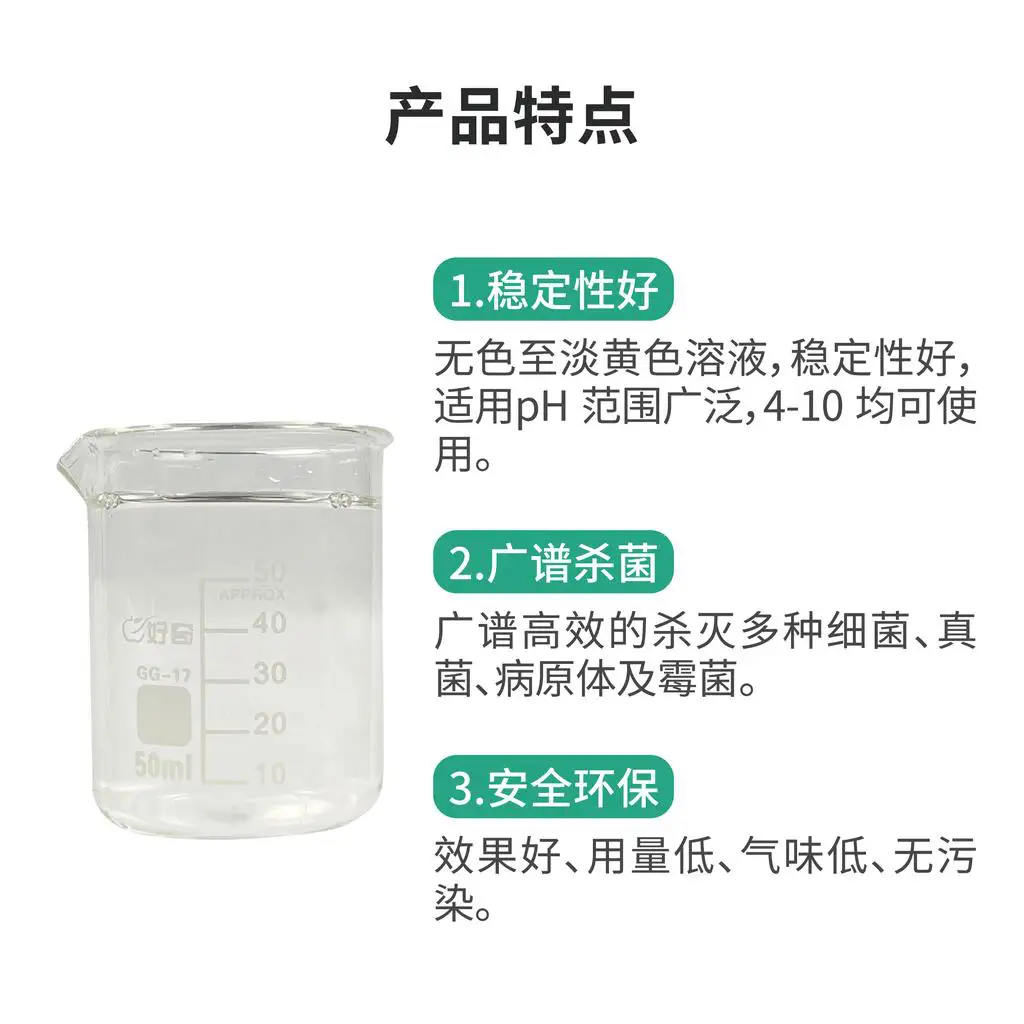
Step 3 — remove the musty smell. Cleaning removes the mold colony but odor molecules stay in crevices. A neutralizing deodorant liquid diluted and misted into the cabin (keep it away from electronic buttons) helps, then leave doors open to ventilate. Place one anti-mold deodorizing tablet in the trunk to handle residual odor.
3 Source protection: what car mat and seat cover factories can do
For car mat, seat cover, steering wheel cover and headrest factories, treating mold after the fact is passive. The real fix is building anti-mold and antimicrobial performance into the product before it leaves the factory:
- Rubber and silicone parts (seals, silicone mats, anti-slip pads): add an antimicrobial agent during compounding or foaming so the active ingredient is distributed inside the material. For silicone-rubber systems, iHeir-GGTK silicone antimicrobial agent is added at 2-4% of the formula (start with a gradient trial), mixed together with the curing agent; it does not change hardness or resilience at the recommended dose.
- Leather seat surfaces and steering wheels (finished-goods treatment): spray a water-based anti-mold agent such as iHeir-Spray (M3D) on tanned leather after cutting to form a protective layer; fabric seat cover textiles can get an antimicrobial finish during dyeing/finishing for longer-lasting effect.
- EVA mat process note: if EVA mats need antimicrobial performance, choose an antimicrobial masterbatch compatible with EVA and disperse it before foaming — surface-only spraying cannot protect the inside of the foam cells. Always ask suppliers whether the treatment is surface-level or internal.
For material-level selection logic, our guides on moldy rubber products and EVA slipper antimicrobial solutions explain the same compounding principles that apply to EVA mats.
4 Cabin odor control: treat musty, body and new-car smells differently
- Musty smell (damp, sour): the root cause is mold — clean and dehumidify first, then deodorize. Air fresheners only mask the smell.
- Body odor, smoke, food smell: these are gaseous odor molecules. A neutralizing deodorant liquid works best — it converts odor molecules into odorless compounds chemically instead of covering them with fragrance. Dilute and spray into the cabin, avoiding electronics.
- New-car smell (formaldehyde, TVOC): ventilation plus adsorption. Multi-effect adsorption sachets help, but regular window opening in the first 3 months matters most.
For static odor control (long-term parking, trunks, cars used infrequently), anti-mold deodorizing tablets such as Power Pak continuously release gas-phase actives. One tablet covers a normal passenger cabin (about 3-5 m³); place one under a seat or in the trunk. The tablet does emit its own scent, so sensitive users should test in a small area first.

5 Export protection: keeping car mats and seat covers mold-free in containers
Car mats, seat covers and steering wheel covers are major export lines to Southeast Asia, the Middle East and Europe. During 20-40 days of sea freight, day-night temperature swings of 15-25°C inside the container cause condensation — the number one driver of cargo mold. Four packing rules:
- Control moisture content before packing: check EVA mats and fabric covers before boxing; target ≤10%, and dry or air them first in humid seasons.
- Seal each piece against moisture: put each mat in a PE bag, add a small desiccant sachet if needed; wrap genuine-leather covers in non-woven fabric before boxing rather than sealing them airtight in plastic.
- Hang container desiccant sticks: for a 20ft container hang 6-8 T-1000 container desiccant sticks along the side walls (10-14 for a 40ft), adjusted for how hygroscopic the cargo is — see how much desiccant a container needs.
- Inspect the container: make sure it is dry, leak-free and odor-free before loading — a container that previously carried damp cargo is a top mold source (container moisture and mold during shipping).
6 Car interior mold FAQ
Q1: Is ozone treatment useful for a moldy car? Useful but only together with cleaning. Ozone kills spores on exposed surfaces but cannot reach colonies deep inside mat foam or seat seams, nor remove the dirt they feed on. Vacuum and clean first, then ozone, then maintain with a deodorizing tablet.
Q2: Leather seats show white fuzz — how to handle? Brush off surface fuzz with a dry soft cloth first (do not wipe wet, which spreads spores), then clean with neutral leather cleaner, dry, and apply a water-based anti-mold spray. Repeated mold means humidity is not controlled — check for sunroof leaks or a blocked AC drain.
Q3: Can car mats be both anti-mold and anti-slip? Yes — internal antimicrobial treatment does not change surface texture. Some sprayed coatings can make the surface slippery, so avoid spray types on carpet-style mats; prefer products with internal protection.
Q4: What tests should a car accessory factory run for an antimicrobial claim? Surface antimicrobial: ISO 22196 / GB/T 31402; textiles: GB/T 20944.3; mold resistance: GB/T 1741. For the US and EU also check REACH and CPSIA compliance — brief the lab on your target markets before testing.
Q5: Do small leather parts like steering wheel covers need antimicrobial treatment? Yes — the steering wheel is touched most often in a car. Antimicrobial treatment reduces bacterial buildup on the surface, and small leather parts are easy to protect with a water-based spray after cutting at marginal extra cost.
If your car is already moldy, or you run a car mat or seat cover factory and want source-level anti-mold treatment, contact us — tell us your materials and scenario, and test samples before ordering at scale.