




 View Count:56
 Date:2026-10-05
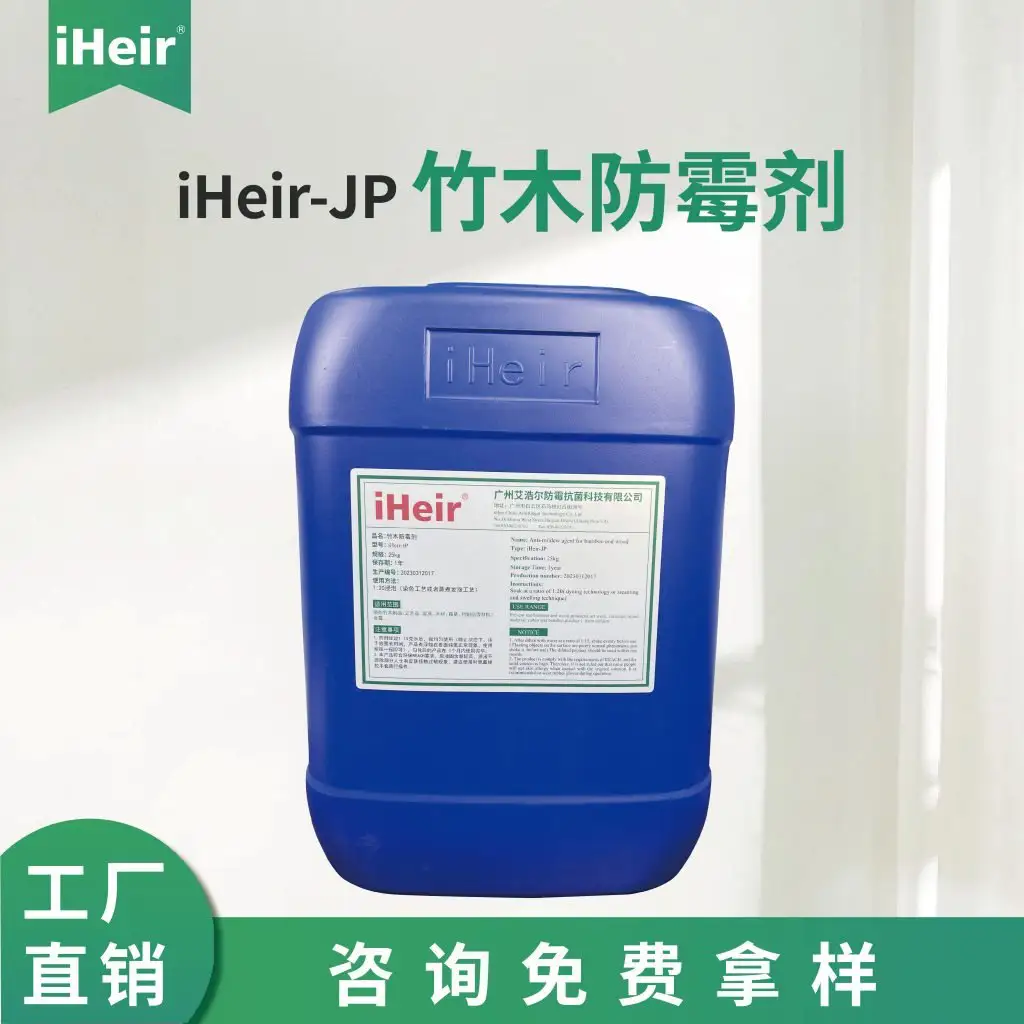
How should mould on picture frames be treated? A finished frame is three materials assembled as one, and treating the wood moulding while leaving the PS profile and the backing board alone is how a full container arrives at the destination port already spotted, at a cost in returns that dwarfs the additive. The wood moulding takes iHeir-JP bamboo and wood anti-mould agent by dipping at 1:15, gaining 10%-20% in weight; the PS profile takes iHeir-IPL inorganic plastic antimicrobial agent at 0.8%-1% into the resin before extrusion; the backing board is handled by gas-phase protection plus humidity control. This article covers the three lines and the figures.
1. One frame, three materials: wood takes up moisture, PS holds mould, board spots first
A frame looks like one product and opens into three materials with different behaviour. The wood moulding and the frame profile are solid or finger-jointed timber, which takes up moisture, and a high moisture content turns it into a bed for mould. The PS profile is an extruded polystyrene part with no nutrient of its own, but static on the surface holds dust, oil and paper fragments, and the rebate and the back recesses trap moisture, so spots appear there just the same. The backing board fails most readily: paper fibre is itself a food supply and the stacked faces get no air, so it spots as soon as conditions turn damp.
Where an export order fails is equally predictable: once the container is stacked, humidity builds inside the cartons, the board spots first and the growth reaches the contact faces and the rebate. On opening only the outer frame is visible, and one sample check sends the batch back.
So the three materials run on three lines: the wood moulding by dipping, the PS profile by antimicrobial in the melt, and the board by gas-phase protection with humidity control. They sit at different stages with different figures, and running them as one job loses a link.
2. Three points at a glance: wood moulding, PS profile and backing board
The table lines up the part, the stage, what is treated, the product, the figures and the points to watch, as the first draft of a process card.
| Part | Stage | Treated item | Product | Figures | Points to watch |
|---|---|---|---|---|---|
| Wood and frame moulding | Dipping | Solid and finger-jointed timber | iHeir-JP bamboo and wood anti-mould agent | Bath 1:15, gain 10%-20% | Immerse fully with nothing above the surface, lift and drain at the gain; below 25% moisture before packing |
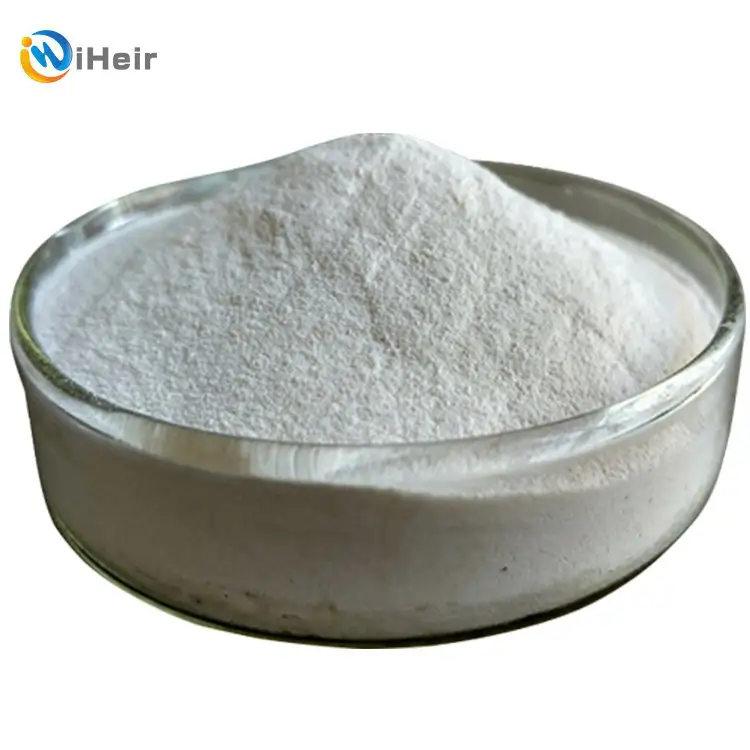
| PS profile | Extrusion and moulding | PS resin | iHeir-IPL inorganic plastic antimicrobial agent | 0.8%-1% on resin | Whiteness above 90, particle size 1-2 micron, holds to 300-320 degrees |
| Backing board | Packing | Stacked board faces | Control only (gas phase, select separately) | By board weight and pack | Paper fibre is itself a food supply and the stacked faces get no air |
| Painted face of the moulding | Coating | Film and substrate | Control only (select by coating system) | On the coating recipe | Coating systems take different additives, so selection is confirmed separately |
| Finished-goods store | Stacking | Finished cartons | Humidity control only | Below 60% relative humidity | Off the floor, away from the wall, air gaps between stacks, first in first out |
| Export packing | Full container | In-container climate | Humidity control only | By box type and voyage | The board and the rebate pick up moisture first; skip control and the first two stages are wasted |
Six rows, one conclusion: the wood and the PS each treat their own material, the board is covered by gas phase and humidity control, and the last two stages preserve it.
3. The wood moulding: mixing the iHeir-JP bath and dipping to the right gain
The wood moulding is protected at the dipping stage. Mix the bath from iHeir-JP bamboo and wood anti-mould agent at 1:15 with water (1 kg of agent to 15 kg of water) and stir it through. Immerse the profile fully, with nothing above the surface, and lift and drain once the piece has gained 10%-20%. Spraying at ambient temperature also works, but the rebate, joints and end faces cannot be reached that way, and only full immersion gets the agent into the fibre.
Two figures have to hold. First, the weight gain is a criterion, not an estimate: below 10% the protection never reaches the core of the fibre, while too much swells the profile and shifts the coating and assembly dimensions. Second, after draining the piece goes below 25% moisture content before packing, because packing damp seals water inside and is the direct cause of mould in transit. See mouldy bamboo and wood in the warehouse for the store and rework.
4. The PS profile: iHeir-IPL into the resin, masterbatch first
The PS profile gets one chance, before extrusion or moulding, to have the antimicrobial mixed into the resin. Dose iHeir-IPL inorganic plastic antimicrobial agent at 0.8%-1% on resin weight, made up as a masterbatch in a matching carrier before it enters the hopper. Whiteness is above 90 and particle size 1-2 micron, it holds to 300-320 degrees, and the colour shift on pale lines is small; the rate against organisms such as E. coli and Staphylococcus aureus is above 99.99%.
Two points to watch: the figure and the dispersion. The figure is on total resin weight, regrind included, so a change in the regrind ratio means recalculating, and high-regrind batches belong at the top of the range because the residue and moisture they bring in feed mould. Dispersion decides whether the rebate and the back recesses carry any protection: powder fed straight in can agglomerate, and an agglomerate is a blank spot. Masterbatch first, at the equivalent loading, is the steady route. See masterbatch or powder for plastic antimicrobials.
5. The backing board and the pack: gas phase plus humidity control
The backing board is the piece most easily overlooked and the one that spots first. Paper fibre is itself a food supply, and boards stacked together get no air between them, so the board spots as soon as conditions turn damp and the growth reaches the contact faces of the moulding. It is not handled by dipping or dosing the melt, but at packing: a gas-phase material keeps releasing inside the pack to cover the stacked faces, while the moisture of the pack and the humidity of the store are held down.
Gas-phase selection follows board weight, pack volume and storage period, so the grade is best confirmed with the supplier in a small trial. Humidity control holds three rules: board and moulding go below 25% moisture content before packing, the store stays below 60% relative humidity with stock off the floor, away from the wall and air gaps between stacks, and export containers get in-container control set by box type and voyage. On acceptance, keep a sample per batch at 28 degrees and 85% humidity for seven days and read the board and the inside of the rebate.
6. Questions that come up
Can the PS profile and the board be left alone if the wood is treated? Not advised. The board spots first of the three, and the PS profile holds mould in its rebate and back recesses, so treating the wood alone leaves the two most vulnerable pieces out.
Can the 1:15 bath be made weaker to save cost? Not freely. The 1:15 bath and the 10%-20% gain are a matched pair, and a weaker bath will not be made up by a longer dip, so the end grain and joints fail first.
The PS body does not support mould, so why dose it at all? The polystyrene itself is not eaten by mould, but the dust, oil and paper fragments on the surface are a food supply and the rebate traps moisture, so spots grow on that layer. Dosing IPL keeps antimicrobial activity on the surface.
The work sits in three places: the wood moulding takes iHeir-JP mixed 1:15 and dipped to a 10%-20% gain, then drained below 25% moisture content; the PS profile takes iHeir-IPL at 0.8%-1% into the resin; and the board is covered by gas-phase protection with humidity control. Samples and TDS sheets are available, and we are glad to run a trial on your own line.


