




 View Count:29
 Date:2026-09-09
Yongkang hardware & bottle anti-rust & anti-mold guide: metal storage and ocean freight
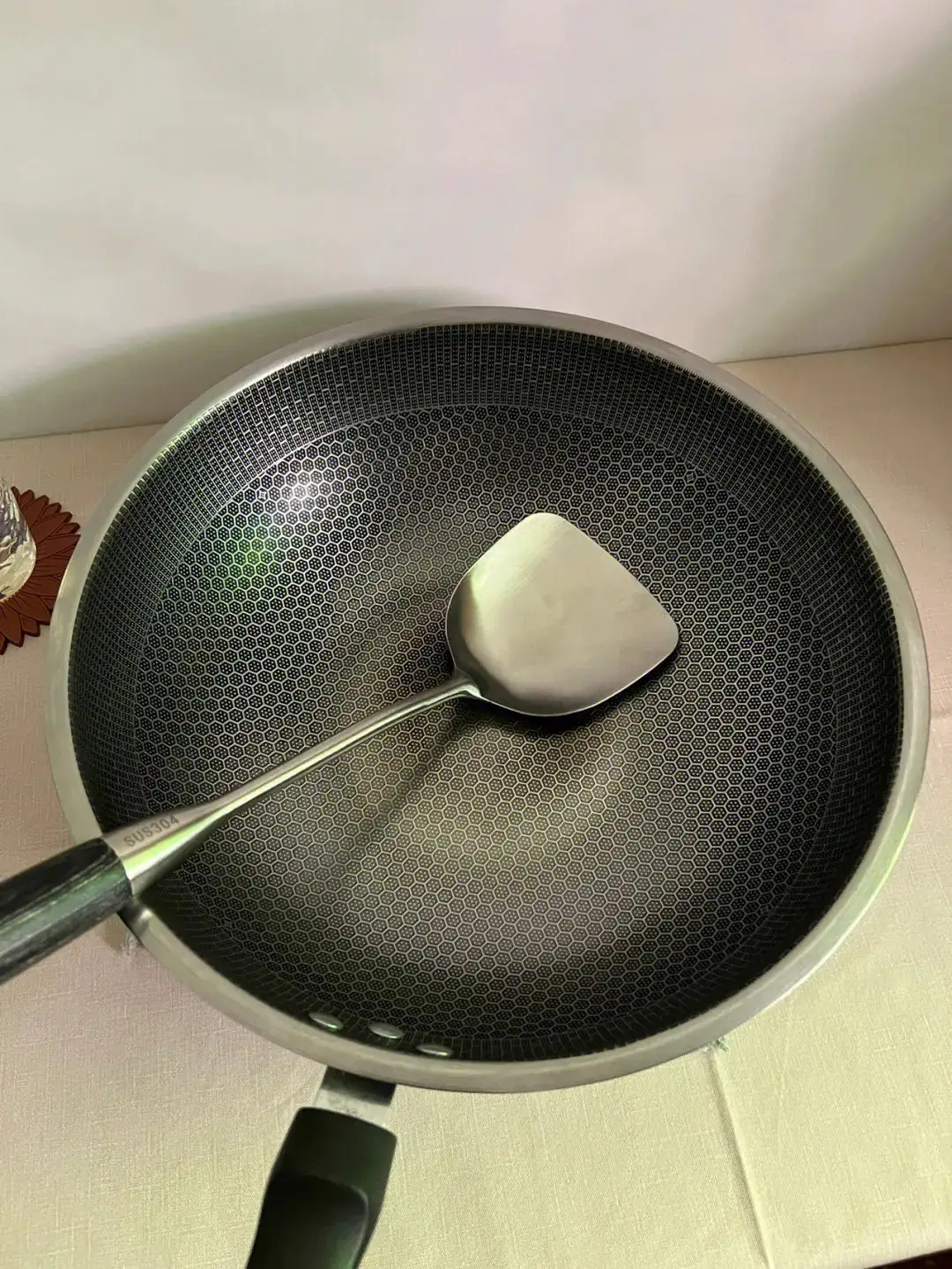
Yongkang is the heart of China’s hardware and vacuum-bottle export industry — the Yongkang hardware city and surrounding townships host over 6,000 hardware factories, vacuum-bottle plants, kitchenware manufacturers and stainless steel product makers, producing 800 million hardware tools, 600 million vacuum bottles and 400 million kitchenware sets a year, with 90% exported to Europe, the US, the Middle East and Southeast Asia. Every year between April and October — the plum-rain season, typhoon season and the hot-humid sea-freight cycle — rust and mold claim incidents spike across the cluster. One recent incident: a Yongkang vacuum-bottle plant shipped 120,000 vacuum flasks to Los Angeles only to have the customer open cartons at the destination warehouse and find 9% of bottle-cap silicone rings covered in mold and 5% of bottle bases showing black mold spots, triggering a full-batch return and an RMB 730,000 claim. Another hardware tool maker lost RMB 220,000 when 60,000 wrench sets arrived after 28 days at sea with rusted-through iron buckles and moldy wrench surfaces. The root cause is rarely a single process step — it is one or two weak links across five process ports: metal blank, polishing, assembly, finished warehouse humidity, and container sea-freight. This guide strings those five ports into a ready-to-deploy anti-rust and anti-mold SOP for Yongkang hardware factories, vacuum-bottle plants, kitchenware makers and foreign-trade companies.
1. Rust and mold risk chain in Yongkang hardware: 4 high-risk ports from blank to container
Across the hardware and vacuum-bottle supply chain, rust and mold typically appear at four high-risk ports:
1. Metal blank and polishing workshop: Yongkang hardware blanks are mostly 304/201 stainless steel, tinplate, galvanized iron and aluminum alloy. After polishing, residual polishing wax and polishing fluid leave 5%-8% moisture content on the surface. With summer workshop conditions at 35°C and above 80%RH, polished parts develop “water-mark rust” or mold spots within 3-5 days (general blank warehouse guide at the hardware anti-mold plan).
2. Assembly and color-box packaging: During vacuum-bottle assembly, silicone rings and sealing gaskets absorb moisture. Once placed into a PE bag, color box and outer carton, a “hot-humid microclimate” forms inside; the color box, inner card and instruction paper carry 10%-12% moisture content, which during plum rains migrates back into the cup, and the silicone ring develops mold spots within 7-10 days.
3. Finished warehouse and inventory: Finished warehouses stack densely with no airflow, indoor humidity often above 75%RH. Untreated carbon-steel parts develop electrochemical corrosion within 3-6 months; vacuum-bottle silicone rings begin to mold within 1-2 months.
4. Container sea-freight: Once inside a container, the “container rain” effect kicks in: daytime sun bakes the box at 60-70°C, nighttime drops to 20-25°C with humidity above 95%, and condensation drips onto the boxes. At the same time, marine salt fog (Cl⁻) penetrates the outer carton, and galvanized iron parts develop white salt-fog rust within 7-14 days. This is the highest-claim-rate port for Yongkang exporters (see the hardware anti-mold guide for a similar sea-freight scenario).
This is why “just add an anti-rust paper” never works — anti-rust and anti-mold control has to run across all five ports: blank moisture, post-polish treatment, assembly anti-mold, finished warehouse dehumidification, and container desiccation.
2. Yongkang hardware deployable SOP: 5-port anti-rust and anti-mold plan
Below is a procedure directly insertable into the production flow of a Yongkang hardware or vacuum-bottle plant:
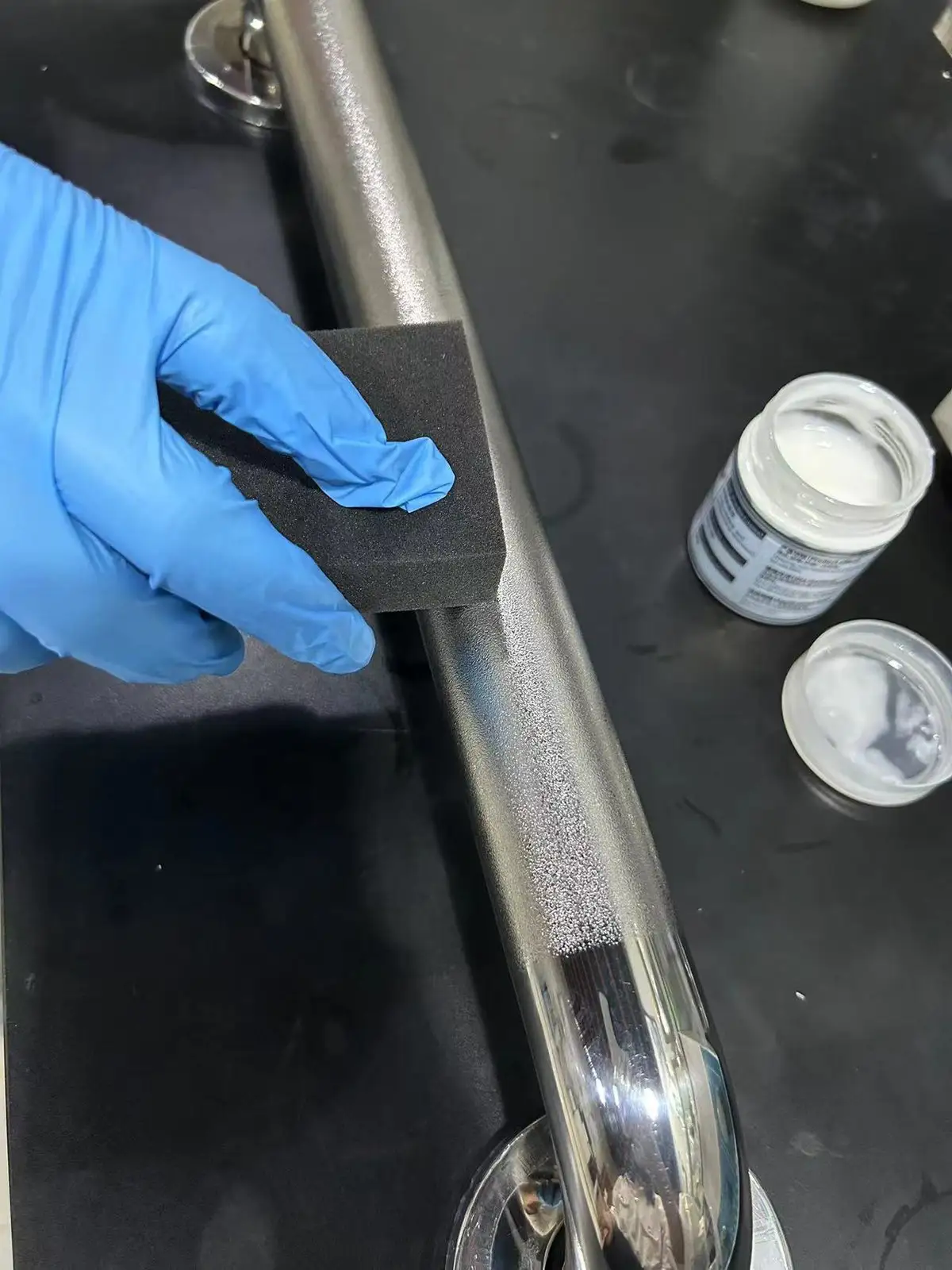
1. Metal blank and polishing workshop: After polishing 304/201 stainless steel parts, spray iHeir-Spray (M3D) water-based anti-mildew agent at 1:5 with water (30-50 ml per square meter), air-dry 15-20 minutes before assembly. Carbon-steel and tinplate parts need anti-rust oil or VCI gas-phase anti-rust treatment (selection below). Install dehumidifiers in the blank warehouse to hold RH below 60%RH.
2. Assembly and color-box packaging (anti-mold): Before assembly, wipe the vacuum-bottle silicone ring with 75% alcohol and let dry; spray the inner wall of the bottle and the silicone ring once with iHeir-Spray (M3D) at 1:10 with water (about 5 ml per bottle), air-dry, then assemble. Line the color box with a sheet of VCI anti-rust paper (see the VCI desiccant selection guide), drop 1 Power Pak powerful anti-mildew tablet into each bottle’s PE bag, and place 1 Power Pak M tablet into each of the four corners of the outer carton.
3. Assembly and color-box packaging (anti-rust): When carbon-steel, galvanized iron or tinplate parts go into the color box, add VCI gas-phase anti-rust tablets (the same source formula as the iHeir-D 5 series gas-phase antimicrobial and mold inhibitor, each tablet protecting 1-3 cubic meters of space) and stick 1 VCI anti-rust aluminum-foil laminate to the inside wall of the outer carton. VCI molecules auto-diffuse through the sealed space to the metal surface, forming a mono-molecular protective layer that blocks moisture and salt fog.
4. Finished warehouse and inventory: Run industrial dehumidifiers in the finished warehouse to hold RH below 55%RH (metal parts are more demanding than textiles or paper), lay moisture-proof mats on the floor, and cap stacking height at 4 layers with a 5 cm airflow gap between outer cartons. For metal parts in inventory longer than 3 months, add 1-2 packs of silica gel desiccant (or the multifunctional CH-10 anti-mildew drying and deodorizing pack) per carton. Carbon-steel parts in stock for over 6 months should be re-treated with anti-rust oil or VCI.
5. Container sea-freight: Hang 6-8 T-1000 container desiccant sticks in a 20 ft container, 10-12 in a 40 ft high cube. Stick moisture-proof aluminum foil reflective film to the inner walls to deflect the “container rain” path. Inspect the door gasket for damage. Slip a VCI anti-rust shrink bag over the color box for precision tools such as wrenches and sockets. T-1000 uses calcium chloride base material that absorbs moisture even at -20°C, covering the 18-22 day transit from China to the US West Coast and bringing in-container humidity from 95%RH down to below 35%RH.
3. Real mold and rust case at a Yongkang vacuum-bottle plant with product test data
A Yongkang Economic Development Zone vacuum-bottle plant (annual output 8 million flasks, supplying US Stanley and European Alfi) shipped 120,000 vacuum flasks to Los Angeles in July 2024 with FOB value RMB 4.8 million. After 22 days at sea, the customer opened cartons and found 9% of bottle-cap silicone rings covered in mold and 5% of bottle bases showing black mold spots, triggering a full-batch return and RMB 730,000 claim under contract annex 4.
Root cause review: silicone ring was not anti-mold treated before assembly; color box had no VCI anti-rust paper; finished warehouse humidity reached 78%RH in summer; container had no T-1000 sticks; outer carton iron buckles had rusted. Lab testing of the mold samples identified three mixed colonies: Aspergillus niger, Penicillium, and Mucor, primarily spreading from the silicone ring + color-box inner card + packaging film cross-contamination.
Remediation plan: silicone ring wiped with 75% alcohol and sprayed with iHeir-Spray (M3D) at 1:10 before assembly; color box lined with VCI anti-rust paper; 1 Power Pak tablet per finished bottle inside the PE bag; 1 Power Pak M tablet at each of the 4 outer-carton corners; industrial dehumidifier added to the finished warehouse; 6 T-1000 sticks per 20 ft container; outer cartons slipped into a VCI anti-rust shrink bag. In the second half of 2024 across 8 shipping containers, the mold rate dropped to under 0.3%.
A Yongkang hardware tool maker (annual output 3 million wrench sets) faced a similar situation (see the stainless steel knife zero-mold guide). After switching to VCI anti-rust tablets + color-box interior VCI aluminum-foil laminate + dehumidifier-controlled warehouse, salt-fog testing passed ASTM B117 96 hours (industry standard 48 hours), and the rust/mold claim rate dropped from 4.2% to 0.4%.
4. Anti-rust and anti-mold product selection guide for Yongkang hardware factories
Yongkang hardware plants typically use four categories of anti-rust and anti-mold products, and the right model must be chosen per process port:
1. Metal surface anti-mold treatment (spray type): iHeir-Spray (M3D) water-based anti-mildew agent, non-toxic and odorless, safe on stainless steel, aluminum alloy and galvanized iron. Mix ratio: spray directly or dilute 1:5 with water, air-dry 15-20 minutes. Suitable for the inner and outer walls of 304/201 stainless steel vacuum bottles, kitchenware and tableware (kitchenware anti-mold details at the stainless steel pot mold guide).
2. Gas-phase anti-rust (VCI): Carbon-steel, galvanized iron and tinplate parts use VCI anti-rust tablets (upgraded formula based on the iHeir-D 5 series) plus VCI anti-rust aluminum-foil laminate. VCI molecules auto-diffuse through the sealed space to the metal surface, forming a mono-molecular protective layer — 12-24 months of anti-rust protection for carbon steel, 6-12 months for galvanized iron. VCI replaces traditional anti-rust oil, avoiding oil contamination and easing operator handling.
3. Container sea-freight moisture control (stick type): 6-8 T-1000 container desiccant sticks per 20 ft container, 10-12 per 40 ft high cube. For high-value precision tools, layer in 1-2 packs of silica gel desiccant as backup. T-1000 uses calcium chloride base material that is non-corrosive to metal parts in salt-fog environments (verified per ASTM B117 96h) and covers the 18-22 day transit from China to the US West Coast.
4. In-pack anti-mold (tablet + drying pack): Inside vacuum bottle and hardware tool packaging use Power Pak powerful anti-mildew and deodorizing tablets (selected by volume: 1-2 L — S, 2-5 L — M, 5-15 L — L, 15-50 L — XL). Pair with the multifunctional CH-10 anti-mildew drying and deodorizing pack at 1-2 packs per carton. Power Pak was the #1 anti-mold tablet sold in Yongkang in 2024, priced at RMB 1.5-3 per tablet.

5. Compliance essentials for Yongkang hardware exports: REACH, Prop 65, ASTM B117, LFGB
Hardware and vacuum-bottle exports to Europe and the US must pass the following compliance checks:
1. EU REACH Annex 17: Lead (limit 0.05%), cadmium (limit 0.01%), phthalates (DEHP/DBP/BBP, limit 0.1%), hexavalent chromium (limit 0.1%). iHeir-Spray (M3D) has passed SGS REACH 171-item full testing, with English reports available; VCI anti-rust tablets have also cleared REACH full-item testing.
2. US California Proposition 65: Lead (limit 0.05%), cadmium (limit 0.03%), phthalates (limit 0.1%), nickel (soluble release 0.5 μg/cm²/week for vacuum-bottle inner-wall contact). All iHeir anti-rust and anti-mold products ship with California 65 test reports.
3. ASTM B117 neutral salt-fog test: Industry standard 48 hours no red rust; premium customers (Stanley, YETI) require 96-200 hours. The iHeir anti-rust plan, combined with VCI anti-rust tablets + desiccant, delivers stable 96-200 hour salt-fog performance on carbon-steel parts.
4. Germany LFGB food-grade: Vacuum bottles and kitchenware exported to Germany must pass LFGB food-contact testing (stainless-steel migration metals ≤0.5 mg/dm², lead ≤0.01 mg/kg, cadmium ≤0.005 mg/kg). iHeir-Spray (M3D) has cleared LFGB food-grade testing and can directly contact the inner wall of vacuum bottles.
5. Export commodity inspection and certificate of origin: Yongkang hardware exports via Ningbo Customs or Shanghai Yangshan Port, requiring CIQ commodity inspection certificates, FORM A / E / F certificates of origin; packaging containing VCI anti-rust tablets must note “contains gas-phase anti-rust agent” on the customs declaration packaging description.
6. Yongkang hardware factory anti-rust and anti-mold checklist (printable)
Below is a five-port checklist that the Yongkang hardware factory, vacuum-bottle plant, or quality manager can print and post on the wall:
☐ Metal blank warehouse RH ≤60%RH (dehumidifier running 24h); carbon steel / galvanized parts treated with anti-rust oil or VCI before warehousing
☐ Polished parts sprayed with iHeir-Spray (M3D) at 1:5, air-dried 15-20 minutes before assembly
☐ Vacuum-bottle silicone ring wiped with 75% alcohol + M3D at 1:10 before assembly; color box lined with VCI anti-rust paper
☐ Each finished vacuum bottle / tool set: 1 Power Pak inside the PE bag, 1 Power Pak M at each of the 4 outer-carton corners
☐ Carbon-steel / galvanized parts: add VCI anti-rust tablet (same source formula as iHeir-D 5) + color-box interior VCI aluminum-foil laminate
☐ Finished warehouse RH ≤55%RH, moisture-proof floor mat, stacking ≤4 layers, 5 cm airflow gap between outer cartons
☐ Inventory over 3 months: add 1-2 packs of CH-10 drying pack per carton; carbon steel over 6 months: re-treat with anti-rust
☐ 6-8 T-1000 sticks per 20 ft container, 10-12 per 40 ft high cube, intact door gasket, moisture-proof aluminum foil reflective film on inner walls
☐ Color box slipped into a VCI anti-rust shrink bag (for precision hardware tools)
☐ Customs declaration marked “contains gas-phase anti-rust agent”, with SGS REACH 171-item report, California 65 report, ASTM B117 report, LFGB report and CIQ inspection certificate
Run this checklist through one full cycle at the Yongkang hardware, vacuum-bottle or kitchenware plant and the rust/mold claim rate drops from 4%-15% to below 1%, with container loads of RMB 1 million+ bottles/tools effectively achieving zero-rust and zero-mold delivery. For VCI anti-rust tablets, anti-rust and anti-mold samples, Power Pak bulk pricing, or a complete T-1000 container desiccant plan, please contact us.