




 View Count:56
 Date:2026-10-05
How should a toothbrush handle antimicrobial be dosed so the whole brush passes? Handling the handle but not the bristles, or testing a single part instead of the finished brush, is what fails an incoming check. A PP or ABS handle takes iHeir-ECO plastic antimicrobial agent at 0.3%-0.5% pre-mixed into the resin before moulding, and a pale or clear handle takes iHeir-IPL at 0.8%-1%; the bristle filament runs on a spinning grade with its own figure. This article covers both dosing points and how the brush is tested.
1. Why a toothbrush is treated in two places
A toothbrush is two materials in one item: the handle is an injection moulding, usually PP, ABS or a clear grade, and the bristles are filament extruded and spun, usually PBT or nylon. The two are formed in completely different ways, one from an injection masterbatch and one from a spinning masterbatch, with different carriers, different figures and different process windows.
Treat them as one job and two things go wrong most often. A handle dosed to the bristle figure ends up either too low to work or high enough to affect clarity and appearance. Or the handle is treated and the bristles are left bare. A toothbrush meets water every day and the bristles sit in a damp environment for the life of the product, so half a job shows up the moment the lab tests it.
The order is therefore: split the materials, set each figure, then test the finished brush. The handle runs on the injection line, the bristles run on the spinning line, the loadings are worked out separately, and acceptance looks at the whole brush rather than the handle material alone.
2. Handle and bristle at a glance: two materials, two lines
The table lines up the part, the forming route, what is treated, the product, the figures and the points to watch. It is written to serve as the first draft of a process card.
| Part | Forming route | Treated item | Product | Figures | Points to watch |
|---|---|---|---|---|---|
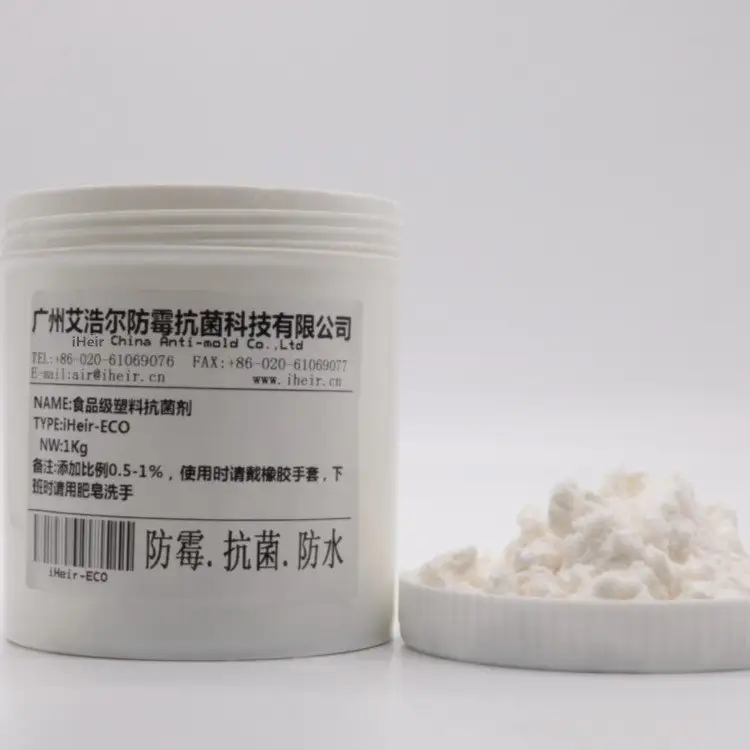
| Handle (PP, ABS) | Injection moulding | Moulding resin | iHeir-ECO plastic antimicrobial agent | 0.3%-0.5% on PE/PP resin | Make a masterbatch first; heat stable to 240 degrees, avoid above 320 |
| Handle (pale or clear) | Injection moulding | Pale or clear resin | iHeir-IPL inorganic plastic antimicrobial agent | 0.8%-1% on resin | Low colour shift, whiteness above 90, particle size 1-2 micron, holds to 300-320 degrees |
| Bristle filament (PBT, nylon) | Extrusion and spinning | Spinning compound | Spinning grade (select separately) | On spinning compound weight | A different masterbatch from the injection one, with its own carrier and heat demand, so the figure stands alone |
| Assembly | Tufting and assembly | The whole brush | Control only (no agent) | Test the whole brush | Handle and bristles are done separately, and acceptance reads the whole brush rather than one part |
| Finished-goods store | Stacking | Finished cartons | Humidity control only | Keep the store below 60% relative humidity | Off the floor, away from the wall, air gaps between stacks; store tuft-side up so the bristles are not bent |
| Export packing | Full container | In-container climate | Humidity control only | Set by box type and voyage | The base of a tuft traps moisture; skip in-container control and the first two stages are wasted |
Six rows, one conclusion: the handle and the bristles each run on their own line, the loadings are set separately, and acceptance reads the whole brush.
3. The handle: choosing the masterbatch and dosing it
The handle gets one chance, before injection, to have the antimicrobial mixed into the resin. A general PP or ABS handle takes iHeir-ECO plastic antimicrobial agent at 0.3%-0.5% on PE/PP resin, made up as a masterbatch in a matching carrier before it goes into the hopper. Its melting point is 56-58 degrees and it is heat stable to 240, so keep the barrel below the limit and avoid running above 320 degrees. A pale handle, a clear handle or one judged on appearance takes iHeir-IPL inorganic plastic antimicrobial agent at 0.8%-1% instead: whiteness above 90, particle size 1-2 micron, holds to 300-320 degrees, low colour shift and a smaller effect on clarity.
Two points to watch: the figure and the dispersion. The figure is on total resin weight, regrind included, so a change in the regrind ratio means recalculating, and high-regrind batches belong at the top of the range because the organic residue and moisture they bring in feed mould. Dispersion decides whether protection exists locally: powder fed straight in can agglomerate, and an agglomerate is a blank spot. Masterbatch first, dosed at the equivalent loading, is the steady route. For that choice, see masterbatch or powder for plastic antimicrobials.
4. The bristles: why spinning cannot copy the handle
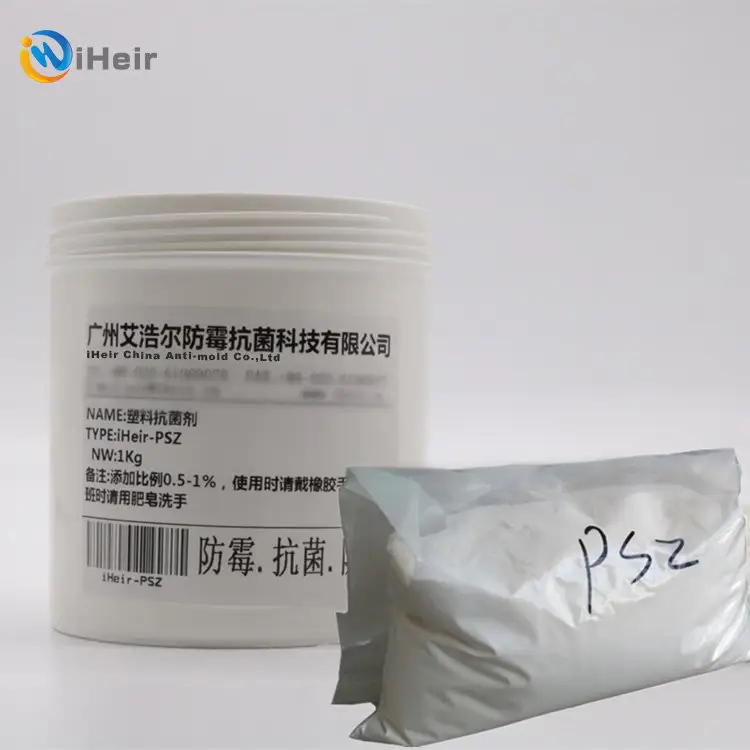
Bristle filament is extruded and drawn into a fine thread, cut and tufted into the handle, and its forming route is nothing like injection. An injection masterbatch is built for the injection window; spinning runs a higher draw ratio through finer spinneret holes, so particle size and agglomeration tolerance are tighter. The bristles therefore take a spinning-grade masterbatch and their own figure, not the handle’s.
Two things set the choice. The finer the filament, the more a coarse particle can block the spinneret, so a fine, well-dispersed grade matters more. The higher the spinning temperature, the more heat margin the masterbatch needs. Because the carrier and the window differ, the exact spinning grade is best confirmed with the supplier and taken through a small trial before a full run; the injection product is not a substitute. This is the practical reason the handle and the bristles have to be two lines.
5. How the antimicrobial rate is tested: submit the whole brush
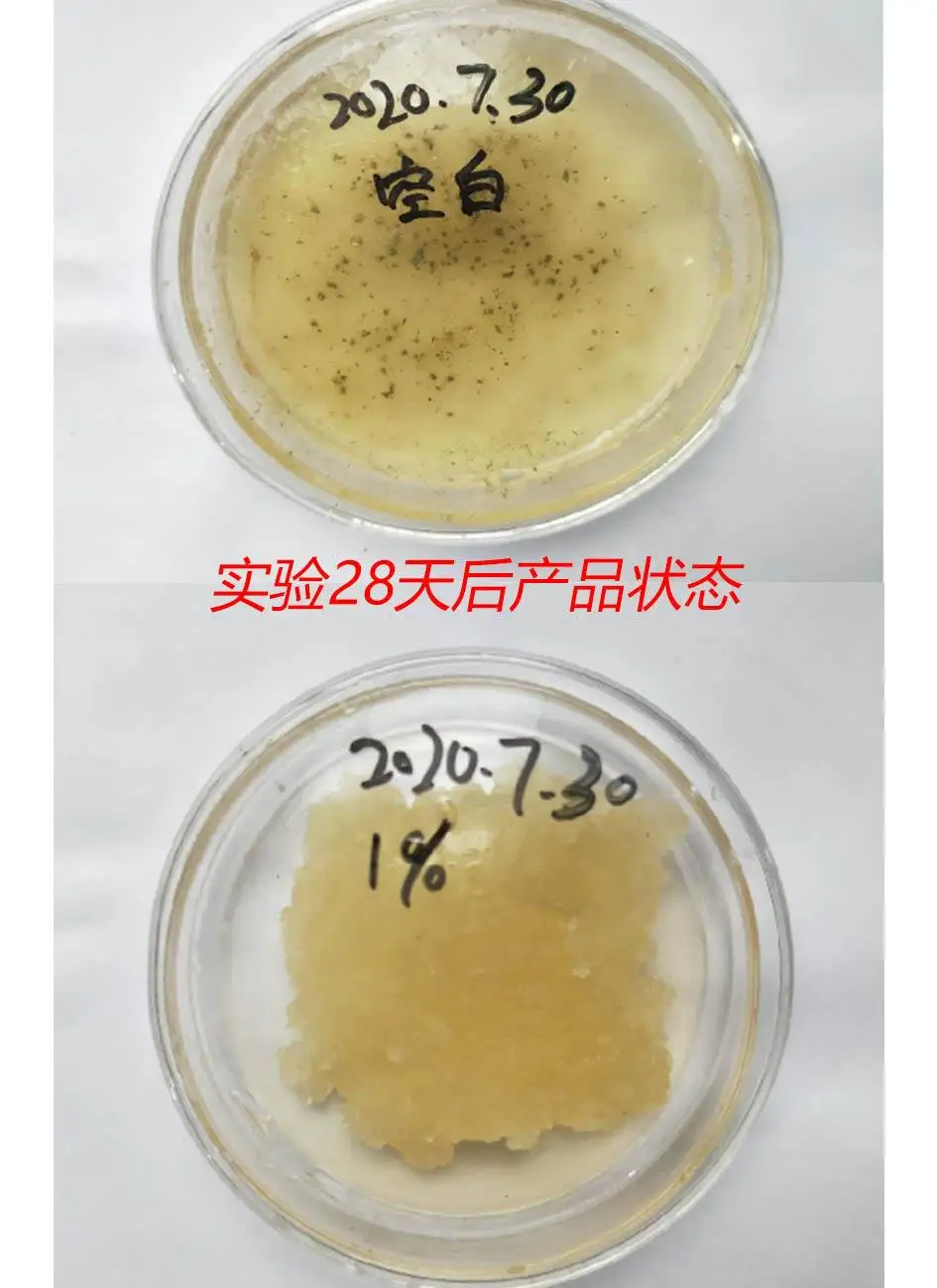
A toothbrush is used in a damp environment, so the antimicrobial result has to be judged on the finished item. The usual approach is to test the whole brush against organisms such as E. coli and Staphylococcus aureus, comparing the colony count on the treated sample with the blank and reporting a rate. Submitting only the handle material, or only a single part, does not describe the real condition of use, and a buyer’s re-check will almost certainly send it back.
Two preconditions are easy to miss. First, the samples have to represent production: even dispersion in the masterbatch, a stable moulding process and units taken from the same batch, not a lab-made piece. Second, fix the acceptance figure before submitting, with the rate set by the contract, normally at the 99% level or better. Test reports are only cited when the applicant is iHeir itself; a customer-commissioned report is never quoted by number or conclusion, and customer names are always anonymised.
6. Questions that come up
If the handle carries a masterbatch, can the bristles be left alone? Not advised. The bristles sit in damp conditions for the life of the brush and are exposed, so treating the handle alone leaves half the item unprotected. Both lines have to run for the whole brush to pass.
Can the bristles use the same masterbatch as the handle? Not simply copied across. The spinning and injection windows differ, and so do the carrier, particle size and heat demand, so the figure stands alone and the grade is best confirmed separately.
Will treating a clear handle spoil its clarity? Not with the right product. Clear parts take the inorganic iHeir-IPL, with a particle size of 1-2 micron, whiteness above 90 and low colour shift. Trouble usually comes from coarse powder and poor dispersion leaving haze, so take a small sample through transmission and appearance checks before the full run.
The work sits in two places: the handle takes iHeir-ECO masterbatch at 0.3%-0.5% or iHeir-IPL at 0.8%-1% before moulding, and the bristle filament takes a spinning grade on its own figure, with acceptance testing the finished brush. Samples and TDS sheets are available, and we are glad to run a trial on your own line.


