




 View Count:28
 Date:2026-09-17
How do you deal with mouldy footwear and bags before shipment? Rework is not about scrubbing harder, it is grading first: clean and re-protect what can be saved, downgrade what cannot, and redo the container only when the mould is through the interlayers. Clean with iHeir-CM, re-spray with Spray(M3D), dose the leather line with iHeir-PF, and drop a Power Pak tablet into each box. This article covers the three grades, the cost of each route and retesting to ASTM G21.
1. Grade it first: what can be reworked and what can only be downgraded
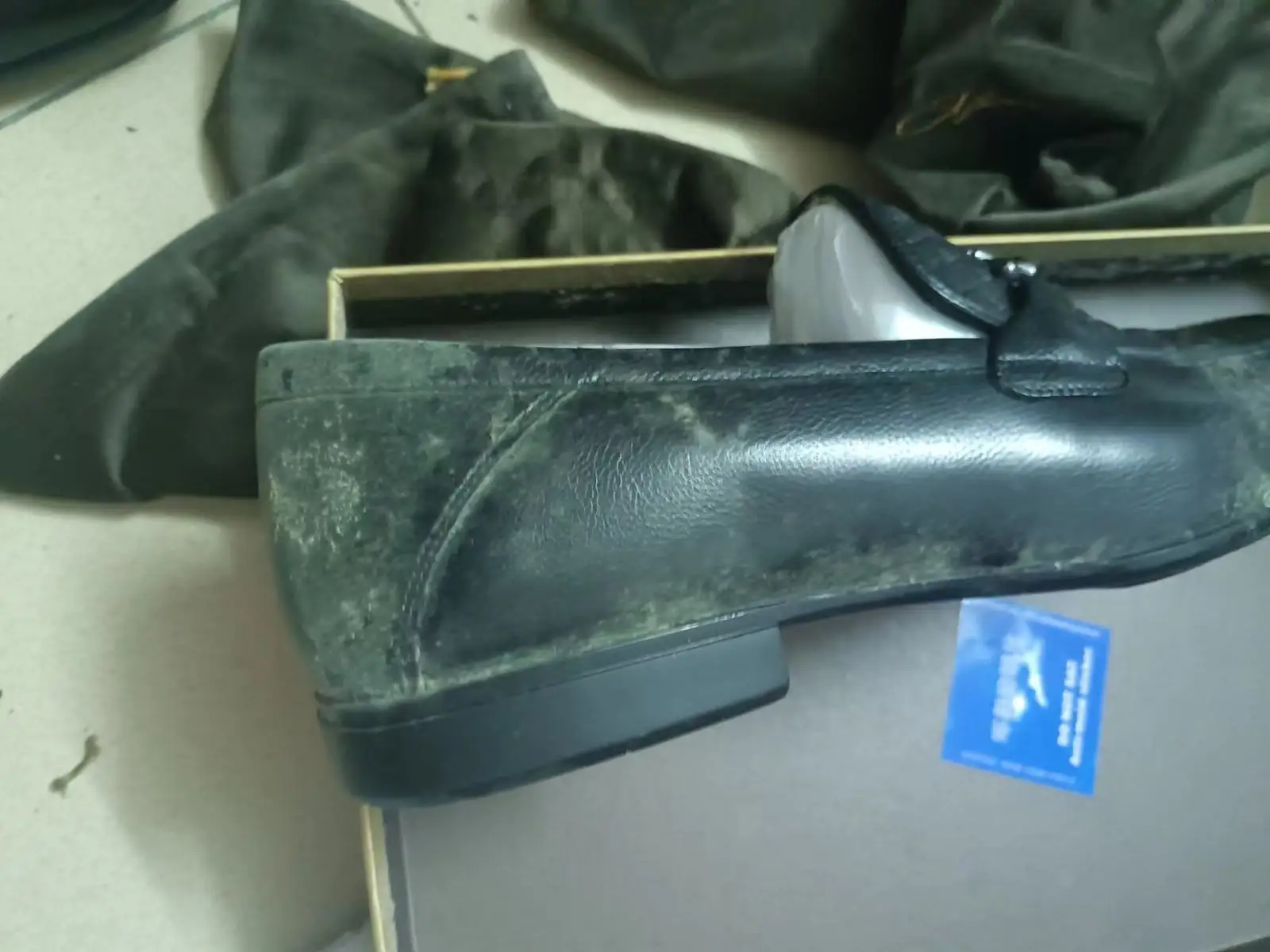
Uppers, linings, bag bodies and midsoles are different materials, but two checks decide the grade: does wiping leave etching behind, and is there a musty smell when the box opens. Grade one (surface growth): frosty or spotted mildew that lifts with a soft cloth, no colour loss on leather or fabric, mostly on uppers and the outside of bags. Grade two (into the surface layer): etching or colour difference after wiping, leather etched in the finish, fabric left with dark patches, plus a slight musty smell. Grade three (mould inside and out): lining and midsole board both affected, strong smell, brittle or crumbling leather, corroded metal trims. The material has lost strength.
| Grade | What you see | Route | Cost scale |
|---|---|---|---|
| 1 | Growth wipes off, leather and fabric intact | Clean, re-protect, ship as planned | A few RMB per pair, mostly labour |
| 2 | Etching or colour difference after wiping, slight smell | Refurbish, ship at a discount or swap non-face parts | Value allowance agreed with the buyer |
| 3 | Mould inside and out, strong smell, brittle leather | Scrap, redo the container, trace the batch | Highest: goods value plus redo lead time |
The grading takes two moves: one wipe to see whether etching stays, one sniff to settle the smell question. From there the rework, downgrade and scrap counts go to sales as one set of numbers, and the buyer negotiates against the same figures you keep.
2. The rework: isolate, clean, recheck, re-protect
The classic mistake is scrubbing wet stock: the fungus rides the moisture film into pores and weaves, the piece looks clean, and it blooms again two weeks later in the warehouse. Run four steps instead.
Step one, isolate and dry: separate affected pieces from clean stock and air dry them in the shade, never in direct sun, which hardens leather. Step two, clean: spray iHeir-CM mould remover directly onto the affected areas, give it a moment to penetrate and kill mould on the surface and in the depth, then wipe stubborn spots with a soft cloth and let the piece air dry. Step three, recheck: look at the etching against the light and smell again; grade two stops here and goes to refurbish-and-downgrade, grade one continues. Step four, re-protect: reworked stock must carry a fresh anti-mould treatment before it goes back to the warehouse or into a carton, which is what keeps it from relapsing; the method is in section four.
A bag factory in South China cleared its warehouse in June with two thousand mouldy handbags on this flow: grade one cleaned and re-protected in two days, grade two refurbished and moved to the discount channel, grade three relined, and not one piece came back twice.
3. Rework, downgrade or redo the container: cost and lead time
We recommend choosing the three routes against the grade and the delivery window, not by feel.
| Route | Grade | Time | Cost | Main risk |
|---|---|---|---|---|
| Rework and ship | Mostly grade one | 1 to 3 days | Cleaner plus labour, hundreds of RMB per hundred pairs | Relapse if re-protection is skipped |
| Downgrade | Grade two | Set in negotiation | Value allowance or swap of non-face parts | Needs the buyer’s written confirmation |
| Redo the container | Grade three or rejection | 7 to 15 days of rescheduling | Goods value plus freight, the largest item | Late delivery and a lost account |
Most disputes sit at grade two: the factory wants to rework, the buyer fears a relapse. The fix is data. Keep reworked and normal batches side by side in retention, hold both under the same conditions for 14 days, and show the report; downgrade terms are much easier to sign in front of numbers.
3bis. Re-protection after rework: one dose in the line, one coat on the surface, one tablet in the box
Cleaning removes visible growth, not the spores sitting in the grain, the weave and the room, and they regrow the moment humidity rises. Re-protect on three levels. In the line: have the leather mill dose iHeir-PF leather anti-mould agent at 0.05 to 0.2 percent of leather weight, added straight into the processing liquor at any of the three stages, chrome tanning, fatliquoring or finishing; never use it above pH 8, and pour the agent into the water, never the reverse. If you buy leather from outside, write the dosing requirement into the purchase contract, it is far cheaper than fixing batches on arrival.
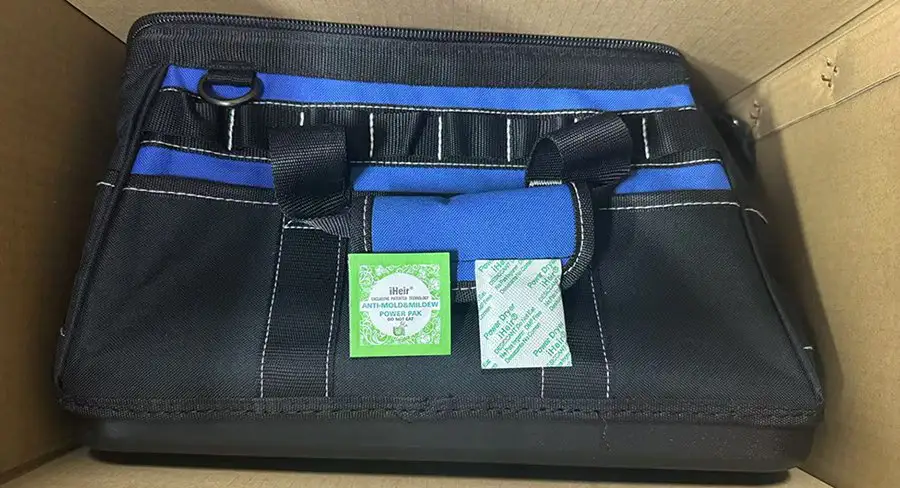
On the surface: treat finished uppers and bag bodies with iHeir-Spray(M3D) water-based anti-mould agent, usable from pH 4 to 10 by spray, wipe or dip, air dried into a lasting anti-mould layer, low odour, well suited to a pre-shipment pass over the whole batch. In the box: add a Power Pak anti-mould tablet as the product goes into the box, seal immediately, expect action within 72 hours, and replace the tablet if the carton is opened for inspection after more than 15 days. Three levels, each covering one stage, and reworked stock can go back into a sea container with confidence.
4. Verification: retest, retain samples, keep the report with the batch
Both reworked and dosed batches need records. Fungal resistance goes through ASTM G21, graded by growth on the specimen, with grade 0 to 1 as the internal requirement. Export orders add a sea-freight simulation, 14 days at 30 degrees and 90 percent relative humidity, reworked and normal samples photographed side by side. Keep the liquor concentration and leather weight for PF batches, the dilution ratio for surface treatments, and the evidence chain goes out in one file when the buyer asks about relapse risk. As the supplier we send samples first: material, photos of the mould and the shipping date are enough for a grading and dosing plan before you commit to drum quantities.
6. FAQ
Q: Will the buyer notice reworked pieces?
Grade one leaves no trace after cleaning and re-protection. Grade two keeps some etching, so it goes out under the downgrade terms and noted on the paperwork; shipping it as first quality is a trust problem waiting to happen.
Q: Why does reworked stock relapse without re-protection?
Cleaning removes visible growth only, spores stay in the grain and the weave and regrow when humidity rises. A fresh surface treatment plus a tablet in the box closes the loop.
Q: How is iHeir-CM applied and packed?
Spray it straight onto the affected areas, let it penetrate, wipe stubborn spots with a soft cloth and air dry. It comes in 1 kg, 5 kg and 25 kg blue drums; a 1 kg pack covers small rework runs.
Q: How do you limit the loss when a container must be redone?
Grade first and assign the cause: fungus carried in raw material, warehouse humidity or condensation in transit lead to different claims. Moisture and treatment records before boxing are the key evidence; for the full route see our bag and luggage export anti-mould programme.
Send us the material, photos of the mould and the shipping date, and we will come back with a grading and rework plan before quoting volume. Contact us.