




 View Count:62
 Date:2026-08-29
Garments got moldy? For clothing factories and exporters, a moldy batch means order cancellations, claims and lost customers; at home, moldy coats and shirts in the wardrobe are just as frustrating. This article covers garment mold causes, treatment and factory-wide prevention.
1. Why Do Garments Grow Mold?
- Fiber moisture: cotton regains 8.5%-16% moisture (linen even higher) – in high humidity, garment moisture quickly exceeds the 12% safe line;
- Sizing nutrients: starch and PVA sizing residues plus finishing agents feed mold; garments stored without proper desizing grow mold fastest;
- Storage and shipping: sealed, stacked garments above 70% RH at 20-35℃ germinate mold within 24-48 hours.
▲ Moldy garments
2. Four-Step Garment Mold Treatment
- Isolate and grade: separate moldy from clean garments; assess light surface spots vs heavy fiber damage separately;
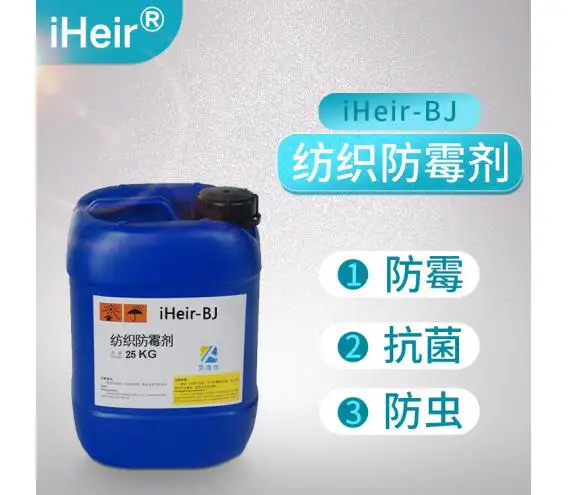
- Treat: use textile-grade mold remover – soak or spray, let sit 5-10 minutes, rinse with clean water; shorten to 5 minutes or less on printed or rhinestone areas to avoid color loss;
- Dry thoroughly: low-temperature dry until moisture is below 10% before packing – residual spores regerminate within 48 hours if not fully dry;
- Protect: spray textile anti-mold agent after drying, focusing on collars, cuffs and underarms (sweat residue zones).
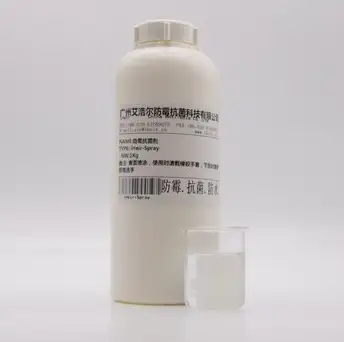
▲ Garment anti-mold treatment
3. Factory-Wide Mold Prevention
| Stage | Measure | Reference |
|---|---|---|
| Fabric | Anti-mold finishing by padding | 2%-5% concentration, 70%-80% pick-up |
| Production | Spray anti-mold after finishing | Focus on collar, cuffs, underarms |
| Storage | RH below 60%, temperature below 30℃ | Above 60% RH, mold growth doubles |
| Packaging | Anti-mold sachets + desiccant per carton | 1-2 sachets + 20g desiccant |
| Container | 4-6kg desiccant + 8-12 rods per 40ft | Covers 30-60 day voyages |

▲ Full-cycle textile mold prevention plan
4. What Should Each Role Do?
- Clothing factories: write “moisture below 10% before packing” into QC with moisture meters;
- Exporters: high-cotton orders (knits, denim) must include sachets in cartons; verify desiccant counts when loading;
- Home users: wash and fully dry seasonal clothes before storage; add wardrobe desiccants and dehumidify in rainy seasons.
5. FAQ
Q1: Can moldy garments be saved?
A: Light spots recover after treatment; garments that are blackened or brittle (fiber degradation) must be scrapped – prevention beats remediation.
Q2: Will removers damage fabric?
A: Textile-grade neutral formulas do not; test silk and wool on a hidden spot first.
Conclusion
Garment mold prevention comes down to fabric finishing + storage humidity control + packaging protection. For solutions, contact us or browse the product range; related: Textile Anti-Mold Agent Buying Guide.