




 View Count:63
 Date:2026-08-18
Container Moisture & Mold During Shipping: A Complete Protection Plan
“The container arrived and the cargo was molded.” It is one of the most common claims in export trade. Temperature swings at sea make the air inside a container condense on walls and cargo, while the wood floor and cartons add moisture — mold can appear within 7–15 days. Here is a practical three-step plan.
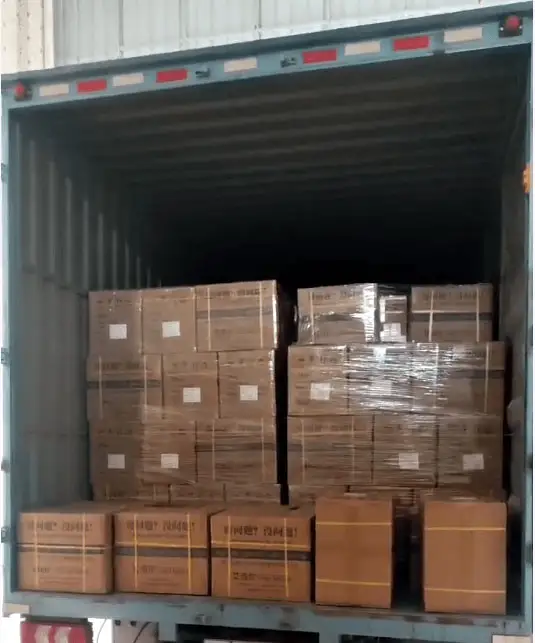
Containers
1. Why Containers Grow Mold
- Condensation: hot humid days followed by cool nights cause condensation on walls and goods.
- Wet floor and cartons: a damp wood floor or damp packaging locks water inside the container.
- Contaminated cargo: leather, bamboo, wood and textiles carry mold spores that multiply rapidly in humidity.
2. The Three-Step Plan
Step 1: Control the source before loading
- Keep wood moisture below 18% and reject damp cartons.
- Pre-treat risky materials: iHeir-PF for leather, iHeir-M8 for bamboo and wood, iHeir-BJ for textiles.
- Inspect the container: reject wet, smelly or damaged units.
Step 2: Dehumidify inside the container
- Use T-1000 container desiccant sticks: 8–12 for a 20-ft container, 16–20 for a 40-ft container, adjusted by season and cargo.
- Hang sticks on walls or between cargo, away from direct contact with metal and fine surfaces.
- Load during dry periods to keep initial humidity low.
Step 3: Add slow-release protection inside packaging
- Place iHeir anti-mold chips in every carton; the slow-release vapor protects goods even through packaging paper.
- Use anti-mold packaging paper or non-woven bags instead of ordinary materials.
- Treat already-molded goods with iHeir-Clean mold spot cleaner before shipping.
3. FAQ
How often must desiccant sticks be replaced? T-1000 is designed for a single voyage (30–60 days) without replacement; re-configure for every outbound trip.
Will anti-mold chips contaminate the cargo? No — iHeir chips use a safe slow-release formulation with low volatility, suitable for leather, apparel, furniture and electronics.
How do we verify the plan works? Run a 7–15 day simulation at 90% RH / 28°C on samples before dispatch.
Request export protection samples and container configuration ›