




 View Count:36
 Date:2026-08-31
How to make gym equipment antibacterial? A gym’s treadmill handles, dumbbells and yoga mats are touched and sweated on by dozens to hundreds of hands every day – the bacteria and mold counts on surfaces are far higher than imagined. Since the pandemic, “equipment hygiene” has become a must-have selling point. This article explains why antibacterial matters, which parts to treat, and how manufacturers build it into products.
1. Why Does Gym Equipment Need Antibacterial Protection?
- Extremely high contact frequency: handles, grips and seats touch skin and sweat directly – a hub for bacteria (E. coli, S. aureus) and fungi (from foot sweat);
- Cleaning is never complete: daily disinfectant wipes only kill surfaces – bacteria in gaps, seams and foam keep breeding;
- Health and reputation: equipment hygiene directly affects member health (skin infections, respiratory issues) and gym reputation – antibacterial is visible assurance.
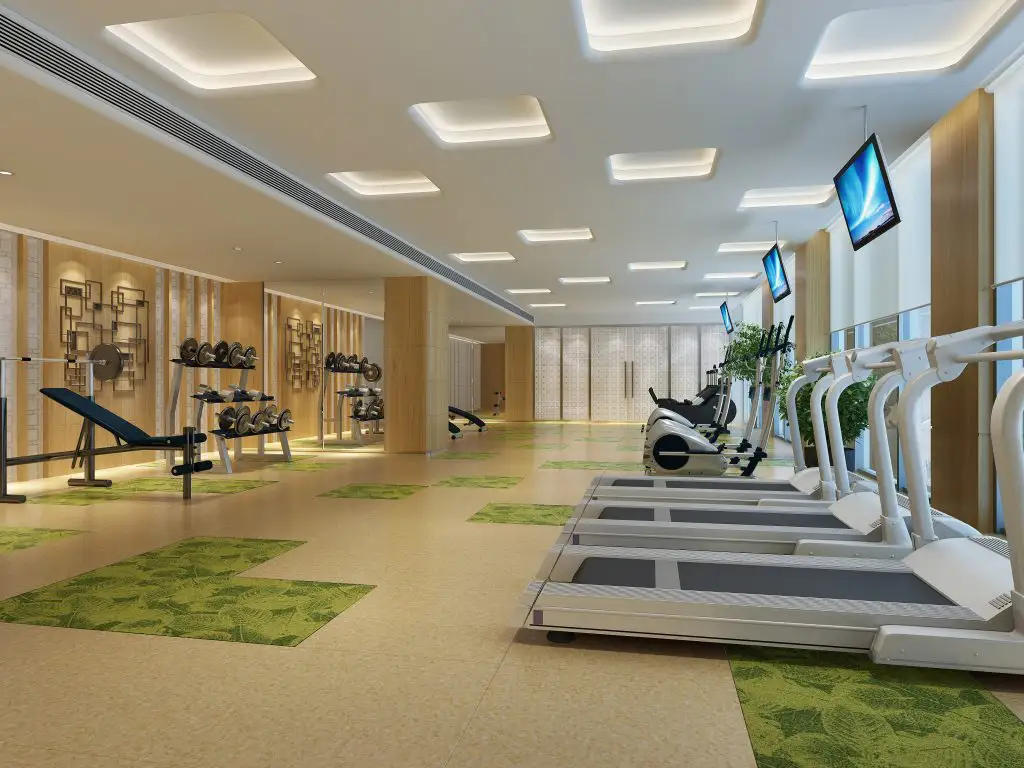
▲ Gym equipment antibacterial
2. Which Parts Need Antibacterial Treatment Most?
| Equipment | High-Risk Parts | Material |
|---|---|---|
| Treadmill/elliptical | Handles, control panel, grips | Plastic + rubber |
| Dumbbells/barbells | Grips, rubber sleeves | Metal + rubber |
| Yoga mats | Whole mat surface | TPE/PVC foam |
| Seats/backrests | Seat surface, backrest | PU leather + foam |
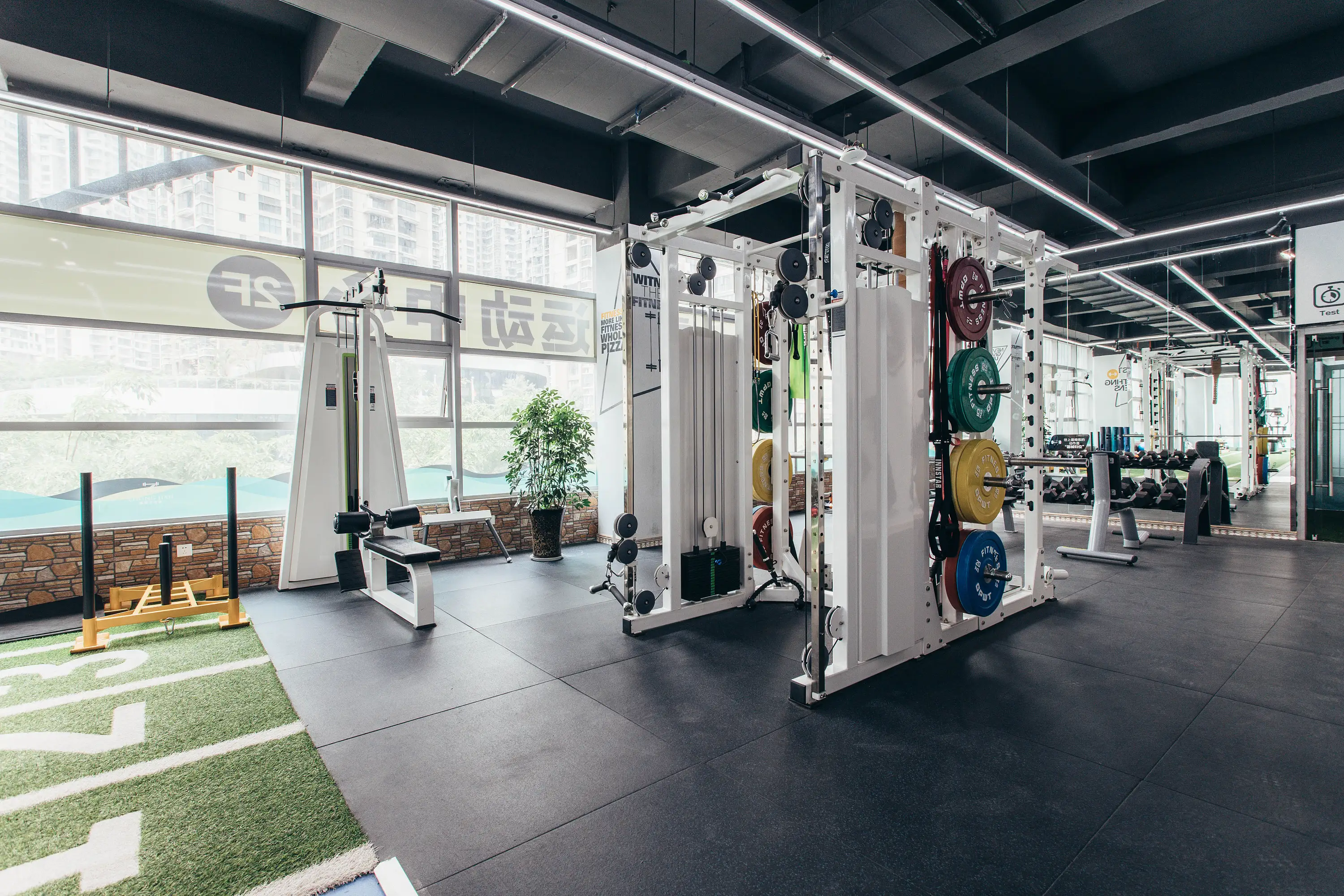
▲ Sports equipment antimicrobial solutions
3. How to Make Equipment Antibacterial? (By Material)
- Plastic parts (handles, panels, shells): add antibacterial masterbatch (e.g. iHeir-ECO) at 2%-5% during injection – actives are evenly distributed inside the plastic, 99%+ antibacterial rate (ISO 22196 verified), wear-proof, lasts as long as the product;
- Rubber parts (grips, sleeves, mats): add antibacterial agent before vulcanization (e.g. iHeir-GGTK), 0.5%-1% – rubber processing runs hot, so choose heat-resistant types: organic agents degrade above 180℃; use inorganic types rated to 300℃;
- Textile/leather surfaces (seats, backrests, straps): finish fabrics with textile agents (e.g. iHeir-333, 2%-5% padding) or spray finished products;
- Metal parts (dumbbell bodies, frames): metal rarely hosts bacteria; focus on coating integrity and rust prevention so damaged coatings do not harbor bacteria.
4. What Should Gyms Do on Site? (Operations)
- Daily disinfection: wipe each machine after use, focusing on handles, grips and panels;
- Mat management: members bring or borrow disinfectant wipes; mats get centralized disinfection and drying daily;
- Ventilation and humidity: keep gym RH below 60% and ventilate to stop mold in humid corners;
- Equipment renewal: prefer antibacterial materials (ask for test reports) when replacing machines – lower hygiene burden at the source.

▲ Antibacterial health appliances and equipment
Last year a chain gym upgraded equipment hygiene – treadmills and strength machines switched to antibacterial grips and panels, member skin allergy complaints dropped 70%, and “full-equipment antibacterial” became a marketing point. The principle parallels appliances – see Antibacterial Agents in Home Appliances.
5. How Do Manufacturers Implement It? (Production)
- Define the antibacterial parts list: lock parts (handles, grips, panels, seats) at development and add to the BOM;
- Choose the right grade: match agent type to material and process – heat-rated masterbatch for injection, vulcanization-compatible for rubber, finishing type for textiles;
- Verify by testing: submit finished products to ISO 22196 or GB/T 31402 and obtain the 99%+ report before marketing;
- Batch management: retain masterbatch samples to prevent rate fluctuation between batches.
6. FAQ
Q1: Can antibacterial equipment replace daily disinfection?
A: No – antibacterial reduces reproduction while disinfection kills surface bacteria; they complement each other. Antibacterial equipment + daily disinfection = best combination.
Q2: Are the agents safe for human contact?
A: Choose agents passing REACH, FDA or GB 9685 migration tests – safe for skin-contact gym equipment.
Conclusion
Gym equipment antibacterial is three phrases: masterbatch for plastic, additive for rubber, finishing for textiles, plus daily disinfection on the operations side. For solutions, contact us or browse the product range; related: EVA Slippers Antimicrobial.