




 View Count:41
 Date:2026-08-31
Office furniture got moldy? Desks, file cabinets and conference tables look like pure “indoor furniture” but they mold too – especially in sea freight, where moldy arrivals are common losses. This article explains why office furniture molds, how to treat it, and how factories prevent it.
1. Why Does Office Furniture Grow Mold?
- Board moisture: particleboard and MDF dominate; moisture content (water inside the board) above 12% activates mold, and undried boards are the root cause;
- Sealed packaging traps humidity: after packing, carton humidity cannot escape; surface moisture gathers inside, and a 30-40 day voyage is a “hot humid incubator”;
- Damp storage: factory or transit warehouses with high humidity let furniture absorb moisture before loading – it boards the ship already damp;
- Local materials absorb moisture: chair foam, fabric arms and leather backs hold more water than boards and mold faster.
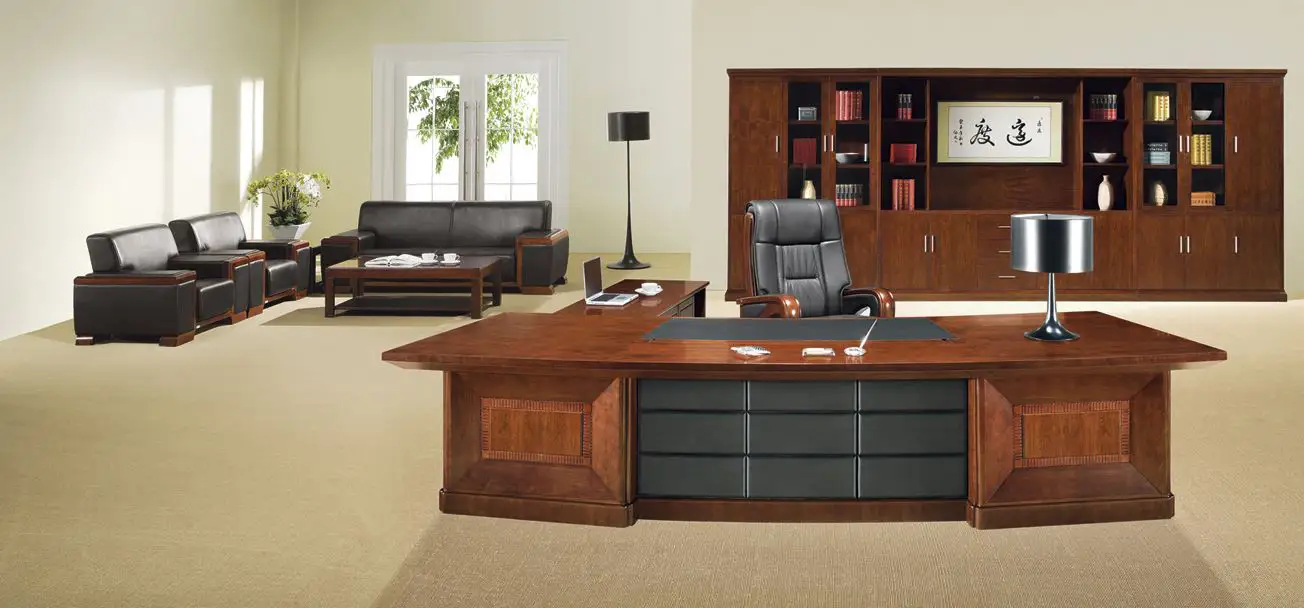
▲ Office furniture mold prevention
2. Most Vulnerable Parts
| Part | Risk Point |
|---|---|
| Board edges | Lifted banding lets water enter the core |
| Table/unit bases | Ground contact in storage molds first |
| Seat foam/fabric | High absorption; molds first in sealed packaging |
| Cartons | Damp cartons transfer mold to furniture |
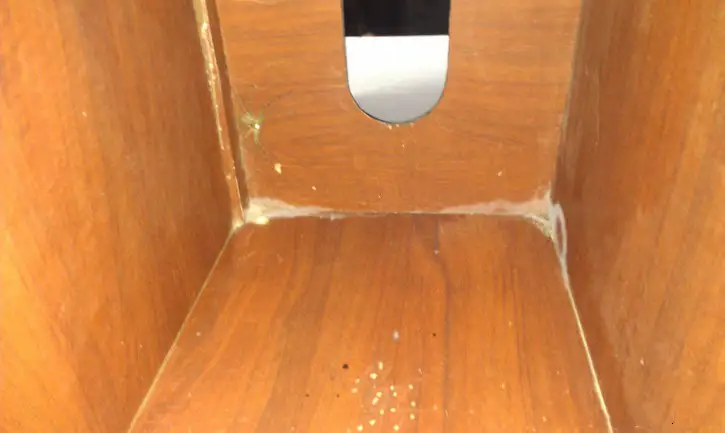
▲ Office furniture mold treatment
3. How to Treat Moldy Office Furniture?
- Sort: separate moldy from clean; treat leather/fabric and board surfaces separately (different removers);
- Treat by material: boards with bamboo/wood remover (e.g. iHeir-CM) for 5-10 minutes; leather with leather remover; fabric/foam with spray then air-dry;
- Dry and recheck: air-dry and confirm board moisture below 12% and foam below 10% before repacking – packing damp items seals the mold inside;
- Replace packaging: swap moldy cartons and liners to avoid recontamination.
4. How Do Factories Prevent Mold? (Key)
| Stage | Action | Why |
|---|---|---|
| Board control | Test intake per batch (reject above 12%), treat with bamboo/wood agent (e.g. iHeir-JP, 2%-5%) | Stop moisture at the source; boards carry their own protection |
| Foam/fabric | Choose anti-mold foam or spray textile anti-mold on finished seats | Foam absorbs strongly – separate protection needed |
| Packaging | 1-2 anti-mold sachets (e.g. Power Pak) + 20g desiccant per carton, moisture-barrier liner | Space and humidity double protection |
| Storage | RH below 60%; furniture 10cm off the floor | Prevent at intake so it ships in healthy state |
| Container | 4-6kg desiccant + 8-12 rods per 40ft | Humidity control for the whole voyage |

▲ Office furniture storage moisture control
Last year an office furniture exporter had a batch of desks rejected in the Middle East because the bases and cartons arrived moldy. After implementing “board moisture testing + in-carton sachets + container rods”, three quarters of exports shipped with zero mold complaints. For storage environment methods, see Warehouse Mold Prevention.
5. How to Prevent in the Office?
- Offices: ventilate air-conditioned rooms; protect cabinets near windows and exterior walls;
- Documents: add desiccants to paper-heavy cabinets; run dehumidifiers in rainy seasons;
- New furniture: unpack and air new furniture for 1-2 days before use so packaging humidity escapes.
6. FAQ
Q1: Does office furniture mold affect office health?
A: Yes – mold spores are allergens; prolonged exposure can cause respiratory discomfort. Treat mold promptly.
Q2: Do sachets affect furniture materials?
A: Vapor-phase sachets release solids slowly and never touch surfaces – safe for boards, leather and fabric; choose certified products.
Conclusion
Office furniture prevention is three phrases: control board moisture, add sachets in cartons, control storage and container humidity. For solutions, contact us or browse the anti-mold product range; related: Hardware Mold Prevention.