




 View Count:53
 Date:2026-08-31
How to prevent warehouse mold? The warehouse is the product’s transit hub – and mold’s home base. Once a warehouse turns damp, finished goods, semi-finished products and raw materials on the racks mold one batch after another. This article explains why warehouses mold, how to control humidity, and how to pair anti-mold products – practical steps for warehouse managers.
1. Why Do Warehouses Grow Mold?
- Humidity too high: sealed, unventilated or damp-region warehouses sit above 70% RH year-round – above 60% mold activates, and above 75% it germinates on surfaces within 24-48 hours;
- Condensation: day-night swings make walls, roofs and metal racks “sweat”; drips land on goods and packaging, creating local high-humidity spots;
- Products carry moisture: bamboo, cartons and textiles absorb moisture; dense stacks without airflow push internal humidity up and mold spreads from inside out.
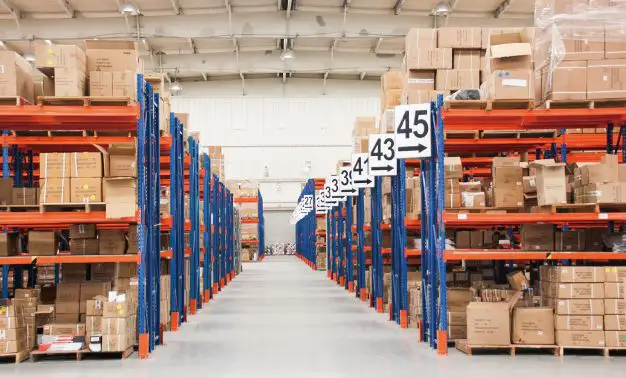
▲ Warehouse mold prevention plan
2. How to Control Warehouse Humidity? Three Steps
- Ventilate: install fans and ventilate on a schedule (avoid mornings and evenings when humidity peaks; midday is the most effective window);
- Dehumidify: run industrial dehumidifiers in damp regions and rainy seasons to push RH below 60% – hygrometers are essential, one on racks and one by the door;
- Isolate floor dampness: raise goods 10cm+ off the floor on pallets and 30cm from walls so they never touch ground or wall moisture.

▲ Factory warehouse mold treatment
3. How to Pair Anti-Mold Products? (Vapor-Phase Plan)
Humidity control is the foundation, but for high-value goods add vapor-phase protection – products that slowly release anti-mold actives (like camphor balls) covering the whole rack or carton space:
| Product | Usage | Scenario |
|---|---|---|
| Anti-mold sachets (e.g. Power Pak) | 1-2 per carton | Finished goods in cartons, covered pallets |
| Vapor-phase agent (e.g. iHeir-D) | Dose by warehouse/storage volume | Rack areas, sealed rooms |
| Desiccant rods (e.g. T-1000) | 8-12 per 40ft / by stack area | Containers, high-humidity stacks |
Last year a shoe and garment warehouse saw humidity spike to 85% after heavy summer rains, and a whole batch of finished shoes on the bottom racks grew mold. After implementing “dehumidifiers to below 60% + sachets in every carton + rods in stacks”, zero mold for two quarters. For goods already moldy, see our mold rework service process.
4. How Do Different Warehouses Apply This?
- Shoe/garment warehouses: high-moisture goods need sachets + dehumidification; increase patrols in rainy seasons;
- Furniture/board warehouses: focus on off-floor, off-wall storage and dehumidification to stop bottom absorption;
- Food/pharma warehouses: besides humidity, choose food-grade odorless products and confirm contact safety.
5. FAQ
Q1: Can air conditioning replace a dehumidifier?
A: AC dehumidifies as a side effect but is inefficient in rainy seasons; use a dedicated dehumidifier to hold RH below 60%.
Q2: Are anti-mold sachets harmful to humans?
A: Regular vapor-phase sachets at normal dosage are safe in warehouse spaces; for food or infant product warehouses, choose food-grade products with verified test reports.
Conclusion
Warehouse mold prevention is three phrases: RH below 60%, goods off floor and walls, double protection with anti-mold products. For storage solutions, contact us or browse the anti-mold product range; related: How Much Desiccant Goes in a Container?