




 View Count:51
 Date:2026-09-01
How to make toilet and bathroom fittings antibacterial? Toilet seats, flush buttons, vanity cabinets and basins – these plastic parts are touched constantly and stay damp, making bathrooms one of the densest bacteria and mold zones in a home. More families and hotels now look for “antibacterial sanitaryware”. This article explains why bathroom plastics need antibacterial treatment, which parts to treat, and how manufacturers build it in.
1. Why Do Bathroom Plastics Need Antibacterial Treatment?
- High contact frequency: seats and buttons touch skin directly; with family and guests, bacteria (E. coli, S. aureus) persist and multiply on surfaces;
- Humid environment: bathrooms stay damp year-round; plastic surfaces hold water films – bacteria and fungi reproduce dozens of times faster on damp surfaces than dry ones;
- Cleaning blind spots: button gaps, seat hinges and cabinet corners are never fully cleaned; antimicrobial materials suppress growth at the source.
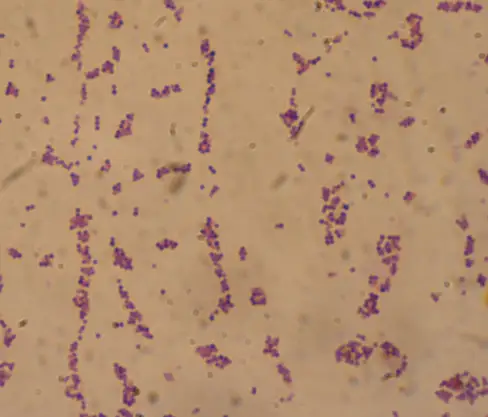
▲ Antibacterial toilet and bathroom plan
2. Which Parts Need Antibacterial Treatment Most?
| Part | Risk Point | Material |
|---|---|---|
| Toilet seat | Direct skin contact, most bacteria-prone | PP/UF plastic |
| Flush button/panel | High-frequency hand contact | ABS/PC plastic |
| Vanity cabinet | Humid environment, boards absorb moisture | PVC foam/MDF |
| Basin/faucet | Water residue | Ceramic/metal + plastic |
| Shower curtain/mat | Permanently damp, molds easily | PEVA/PVC |
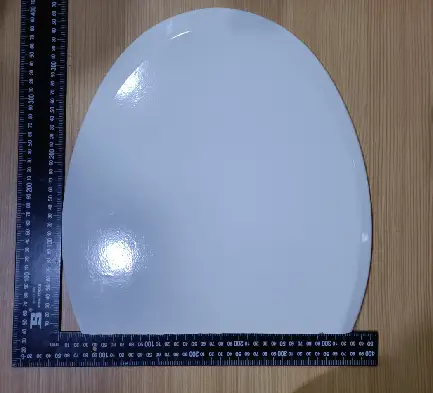
▲ Antibacterial toilet seat
3. How to Make Bathroom Plastics Antibacterial? (Key)
- Add masterbatch in injection: seats, buttons and panels get antibacterial masterbatch (e.g. iHeir-ECO or iHeir-IPL) at 2%-5% – actives are evenly distributed inside the plastic, 99%+ rate (ISO 22196 verified), wear-proof, lasting as long as the product;
- Choose heat-rated grades: bathroom plastic processes hot (PP injection 180-260℃) – use inorganic agents rated to 300℃; organic agents degrade during processing;
- Light/transparent parts: white seats and clear tanks need non-yellowing inorganic grades (e.g. iHeir-IPL for light transparent plastics);
- Verify by testing: submit to ISO 22196 or GB/T 31402; the 99%+ report backs the “antibacterial sanitaryware” selling point.
4. How to Prevent Mold on Vanity Cabinets?
In bathrooms, plastic antibacterial handles bacteria while cabinet mold prevention handles fungi – do both:
- Cabinet boards: treat MDF/PVC foam boards with anti-mold agents (soak or spray); complete edge sealing;
- Ventilation: leave openings at the cabinet base to stop trapped humidity;
- Off the floor: raise cabinet feet to avoid ground water soaking the base;
- Dehumidify: install an exhaust fan and run it 10-15 minutes after showers.
▲ Kitchen and bathroom storage mold treatment
5. What Should Each Role Do?
- Sanitaryware factories: write the “antibacterial parts list” (seat, button, panel) into development and attach test reports;
- Hotel/apartment buyers: require ISO 22196 reports on bulk orders and prefer antibacterial materials;
- Home users: look for the “antibacterial” mark; combine regular cleaning and ventilation with antibacterial products.
Last year an exporting sanitaryware factory had a batch of antibacterial toilet seats returned because the products lacked antibacterial test reports. After implementing “2%-5% inorganic masterbatch + ISO 22196 testing”, antibacterial seat exports doubled and became a designated selling point for European and US clients. The principle parallels appliances – see Antibacterial Agents in Home Appliances.
6. FAQ
Q1: Does antibacterial sanitaryware kill all bacteria?
A: No – antibacterial inhibits reproduction, not disinfection. Antibacterial fittings + daily cleaning = best combination; avoid overstating in marketing.
Q2: Will agents yellow white seats?
A: Non-yellowing inorganic grades for light plastics (e.g. iHeir-IPL) do not; specify product color when selecting.
Conclusion
Bathroom antibacterial is three phrases: heat-rated masterbatch for plastic, anti-mold for cabinets, humidity control and ventilation. For solutions, contact us or browse the product range; related: Types of Plastic Antimicrobial Agents.