




 View Count:38
 Date:2026-09-05
“How do I choose a pet deodorant?” Pet owners, pet shops and kennel operators all struggle with this. Scoop the litter box twice a day and it still stings; the ammonia smell from a kennel reaches you before you open the door; shelves of deodorizing sprays smell nice for half an hour and the odor returns. The mistake most people make is treating pet odor as “one smell” — it is actually a group of gas molecules: ammonia, sulfur compounds, indoles. Choose the wrong mechanism and nothing will hold. This guide explains odor composition, deodorant mechanisms, per-scenario application — and antimicrobial finishing for pet product factories.
1 Where does pet odor come from? Know the odor molecules
Pet odor is more complex than people think. Three main groups:
- Ammonia (the sharp “urine smell”): bacteria break down urea in urine and release ammonia. The more urine residue on litter, kennel mats and floors, and the warmer it is, the stronger the ammonia. Ammonia is lighter than air and rises, so it hits your nose first when entering a room.
- Sulfur gases (rotten-egg smell): anaerobic bacteria decompose proteins in feces into hydrogen sulfide and methyl mercaptan. These small molecules penetrate strongly and fragrance cannot mask them.
- Indole / skatole (the fecal smell itself): also from protein breakdown; at low concentration indole is even used in perfumery, at high concentration it is pure fecal odor.
Two invisible problems make it worse: odor molecules adsorb onto fabrics, walls and floors, so removing the waste is not enough — the smell keeps releasing; and in humid air (RH 70%+) bacteria multiply faster, so odor generation rises sharply — that is why kennels smell worst in the rainy season.
2 Three deodorant mechanisms: masking, adsorption/neutralizing, biological
- Masking (fragrance): heavy perfume hides the smell. Fast but only covers — the odor returns when fragrance fades and ammonia still stings. Not recommended as a primary product.
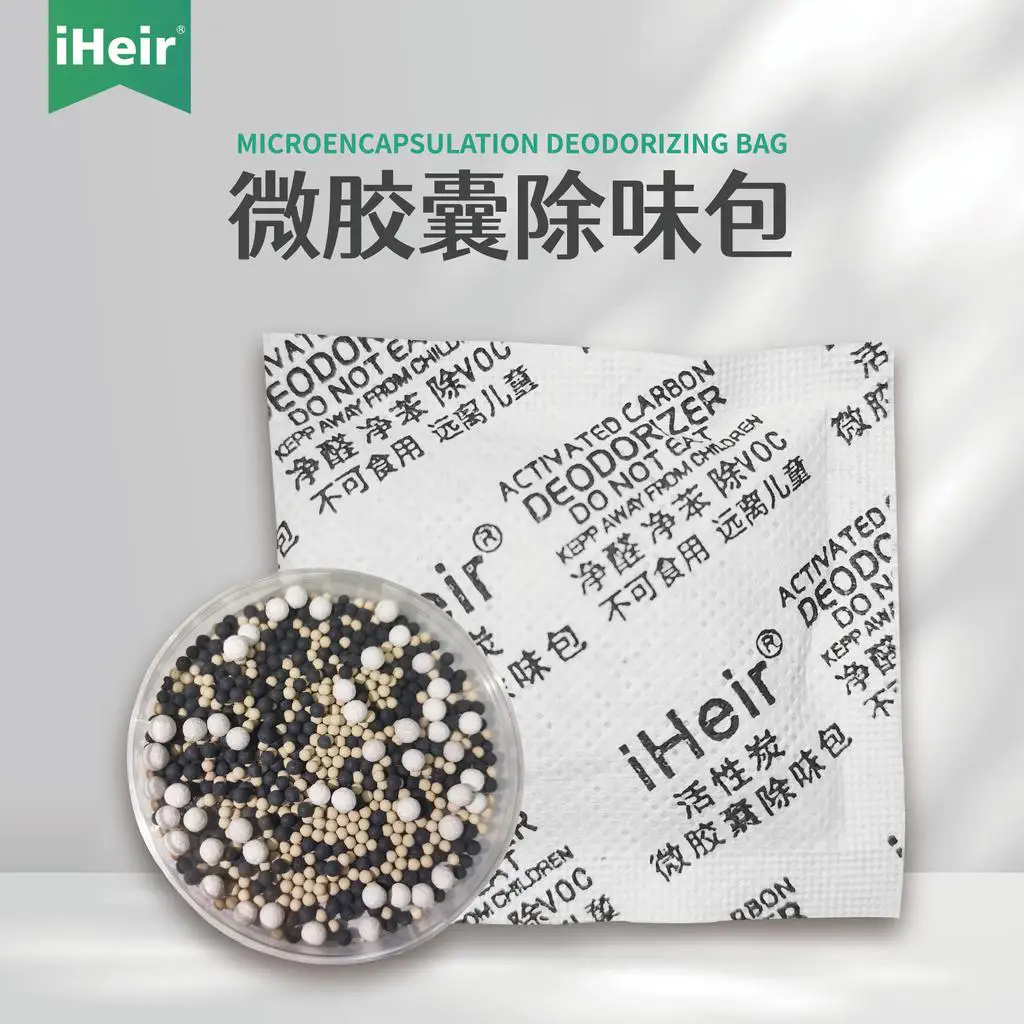
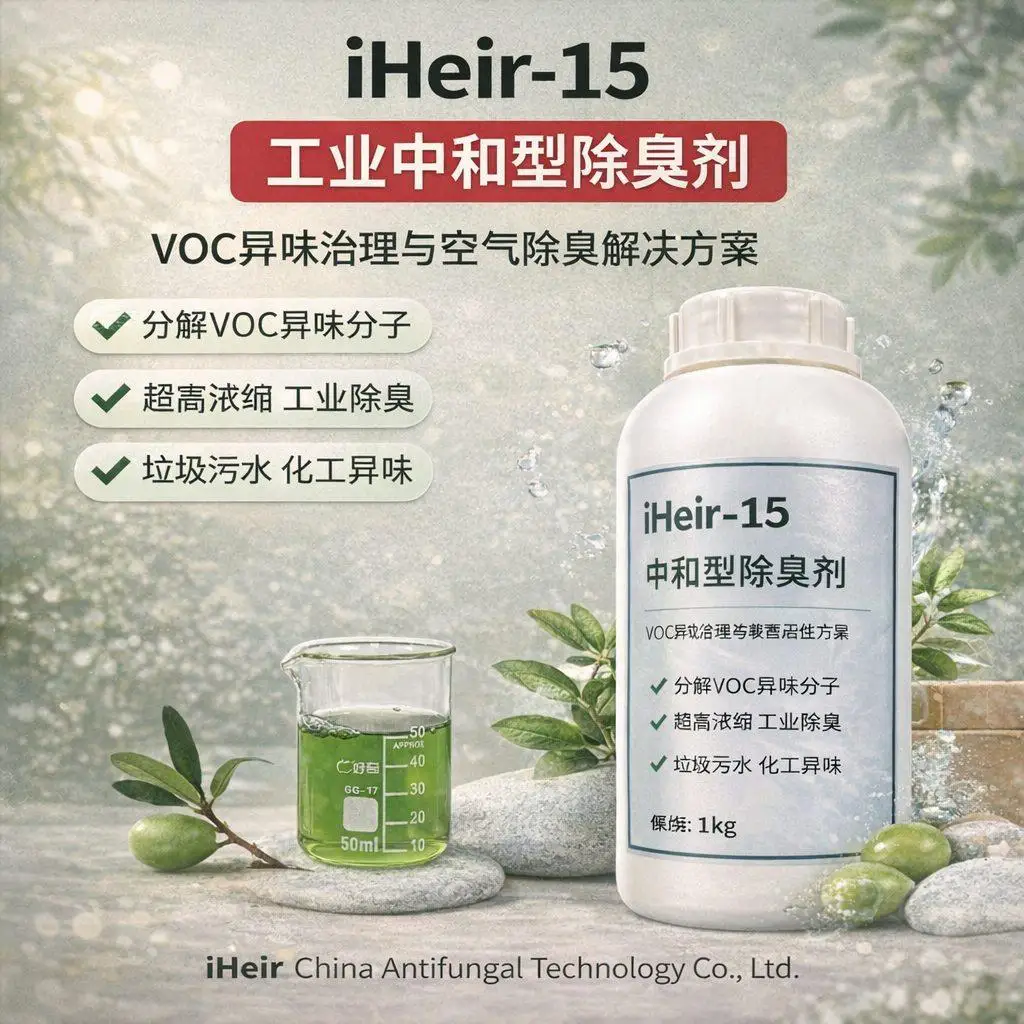
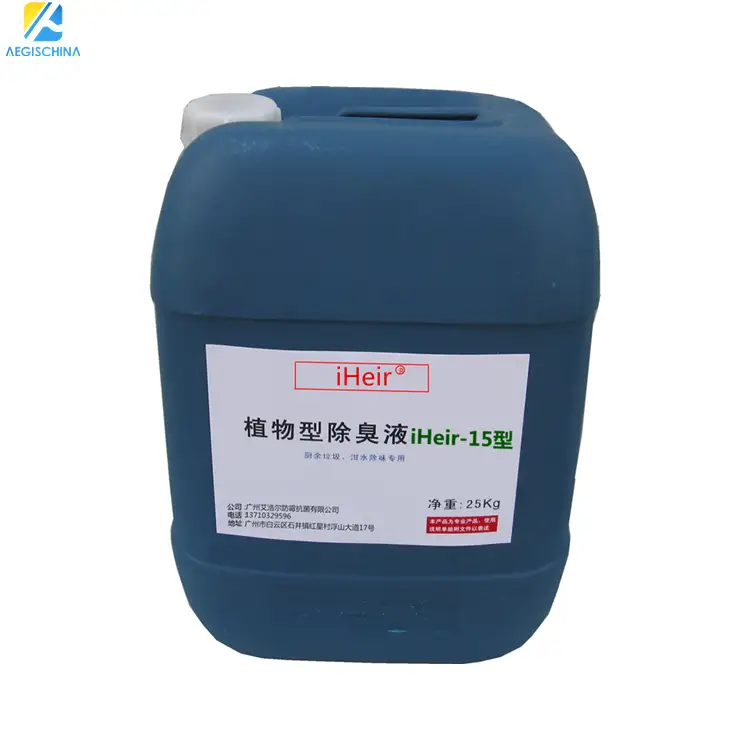
- Adsorption / neutralizing: porous materials such as activated carbon or zeolite adsorb odor molecules, or neutralizers chemically bind ammonia and hydrogen sulfide into odorless compounds. A typical product is iHeir-15 neutralizing deodorant liquid — it captures and neutralizes ammonia, sulfides and other malodorous molecules. Spray around the litter box, kennel floors or grooming tables: this removes odor instead of covering it.
- Biological (enzyme / microbial): enzymes or beneficial microbes break odor molecules down at the source. Best for persistent contamination such as urine soaked into mats or long-used litter boxes; slower to act and less active at low temperature.
The right approach for homes and shops is a combination: biological products on contaminated spots for slow source decomposition, neutralizing liquid for instant space treatment, and adsorption sachets for static corners. For an industrial comparison of these mechanisms see how to choose an industrial deodorizer.
3 Per-scenario plans: litter box, kennel and pet shop
Scenario 1 — home litter box. Daily scooping is the baseline; replace litter and wash the box thoroughly every 1-2 weeks with neutral detergent (avoid ammonia-based cleaners — ammonia scent can make cats urinate outside the box). After changing litter, sprinkle a thin layer of baking soda on the bottom to help absorb odor, and keep a multi-effect adsorption sachet beside the box. If odor persists, check litter quality or scooping frequency.
Scenario 2 — kennel / pet cage. Kennel odor is mainly ammonia from floor and tray residue. After daily waste removal, dilute iHeir-15 neutralizing deodorant per the label (start at 1:100) and spray the tray, floor and corners; rinse and sun-dry mats weekly. Control humidity below RH 70% — dampness is the amplifier of ammonia smell.
Scenario 3 — pet shop / veterinary clinic. Grooming tables, boarding areas and treatment zones mix many odors and directly affect customer experience. Wipe the grooming table with diluted deodorant after every customer; place adsorption sachets near vents in boarding areas; after hours, mist the whole space with neutralizing liquid (away from food bowls and medication areas), then ventilate for 15-20 minutes.
One warning: never spray deodorant directly at an animal’s face. Cats and dogs have far more sensitive noses than humans; heavy aerosol irritates their airways. Always spray while pets are away or at a distance.
4 Pet product factories: antimicrobial & odor-control finishing for beds and toys
Pet beds, fabric toys and leashes are another “odor carrier”: saliva, skin oils and urine soak into textile fibers, bacteria grow inside, and washing cannot remove the smell. Factories can build antibacterial performance into the fabric at the finishing stage:
- Antimicrobial textile finishing: treat bed fabrics and toy plush with a textile antimicrobial agent (silver-ion or organic types) during dyeing/finishing to inhibit Staphylococcus aureus, E. coli and other common bacteria, reducing odors from decomposed oils and dirt. For test methods and process details see antibacterial and anti-mite finishing agents.
- Control moisture in filling and foam: filling cotton and foam absorb moisture and mold or turn musty fast in damp conditions. Control moisture content during production and make sure products are dry before packing.
- Export packaging protection: pet product exports (leashes, beds, toys) need mold protection in containers — see pet product export mold prevention; fabric and webbing items suit anti-mold tablets plus desiccant, while leather leashes also need surface mold control.
- Claim compliance: if you claim “antibacterial” or “antimicrobial”, provide test reports (textiles: GB/T 20944.3 or ISO 20743; surfaces: ISO 22196). For the EU, check the Biocidal Products Regulation (BPR) limits on active substances — confirm compliance documents with your raw-material supplier before ordering.
5 Biological vs neutralizing: comparison table
| Aspect | Neutralizing (e.g. iHeir-15) | Biological (enzyme/microbial) |
|---|---|---|
| Speed | Instant (minutes after spraying) | Slow (hours) |
| Target | Released gas molecules (ammonia, sulfides) | Contamination sources (urine, oils) at origin |
| Best use | Fast space treatment, spraying floors and walls, daily cleaning | Stubborn spots (mats, litter boxes), long-term maintenance |
| Temperature sensitivity | Low | High (activity drops in cold; cautious in winter) |
| Odor | Nearly odorless or light | Possible ferment smell |
| Recommended combo | Biological on source + neutralizing in air + adsorption sachets in corners | |
Two buying tips: check the ingredient list and test reports — avoid “fake deodorants” that only contain fragrance; and follow the dilution instructions for concentrates — overdosing can irritate pets’ airways.
6 Pet deodorant FAQ
Q1: Can deodorant be poured directly into the litter? Some products can (the label will say “safe for litter”), but the safer practice is spraying the bottom or mid-layer of fresh litter so the cat does not step on wet spots; keep strongly fragranced products away from paws, since cats lick their paws.
Q2: The kennel ammonia is very strong — how to bring it down fast? First remove feces and urine residue (the source), then spray neutralizing liquid on the floor and cage trays, and improve ventilation. If urine soaked into wooden or concrete floors, clean thoroughly and treat the spots with a biological product; spraying alone only lasts a few hours.
Q3: Why does my enzyme deodorant seem useless in winter? Enzyme and microbial activity drops sharply at low temperature and nearly stops below about 10°C. In winter, choose neutralizing products for kennels and outdoor areas, and keep biological ones for warm indoor use.
Q4: A pet shop wants effective deodorizing that is safe for animals — what to choose? Choose fragrance-free or low-allergen formulas based on neutralizing chemistry; move animals away or keep 1m+ distance when spraying and ventilate after; avoid chlorine bleach and strong phenolic disinfectants, which are toxic to cats.
Q5: My pet bed still smells after many washes — should I throw it away? Odor that has penetrated the filling means bacteria are breeding inside and normal washing cannot kill them. Try a hot tumble dry or UV disinfection once; if it still smells, replace it. Factories should apply antimicrobial finishing at the source to avoid such after-sales complaints.
Home users should follow “clean first, deodorize second, maintain third”. Pet shops, kennels and pet product factories unsure about deodorant selection or antimicrobial finishing are welcome to contact us for samples — test before you buy in bulk, let data decide.