




 View Count:16
 Date:2026-09-14
The same container, the same ocean humidity: at destination, the genuine-leather upholstery hides are clean, but the PU-leather handbags from the same shipment show white mold first. Bag and furniture factories find this counterintuitive — isn’t synthetic leather the more waterproof material? The intuition misses the point: waterproofing blocks water from outside, while mold prevention is about the nutrient sources inside and the moisture that never escapes. This article works through the mechanism comparison first, then dosing points, storage, and complaint handling, so tanneries, synthetic leather mills, and bag or sofa factories can each take what applies to them.
Genuine Leather: Two Meals for the Fungus
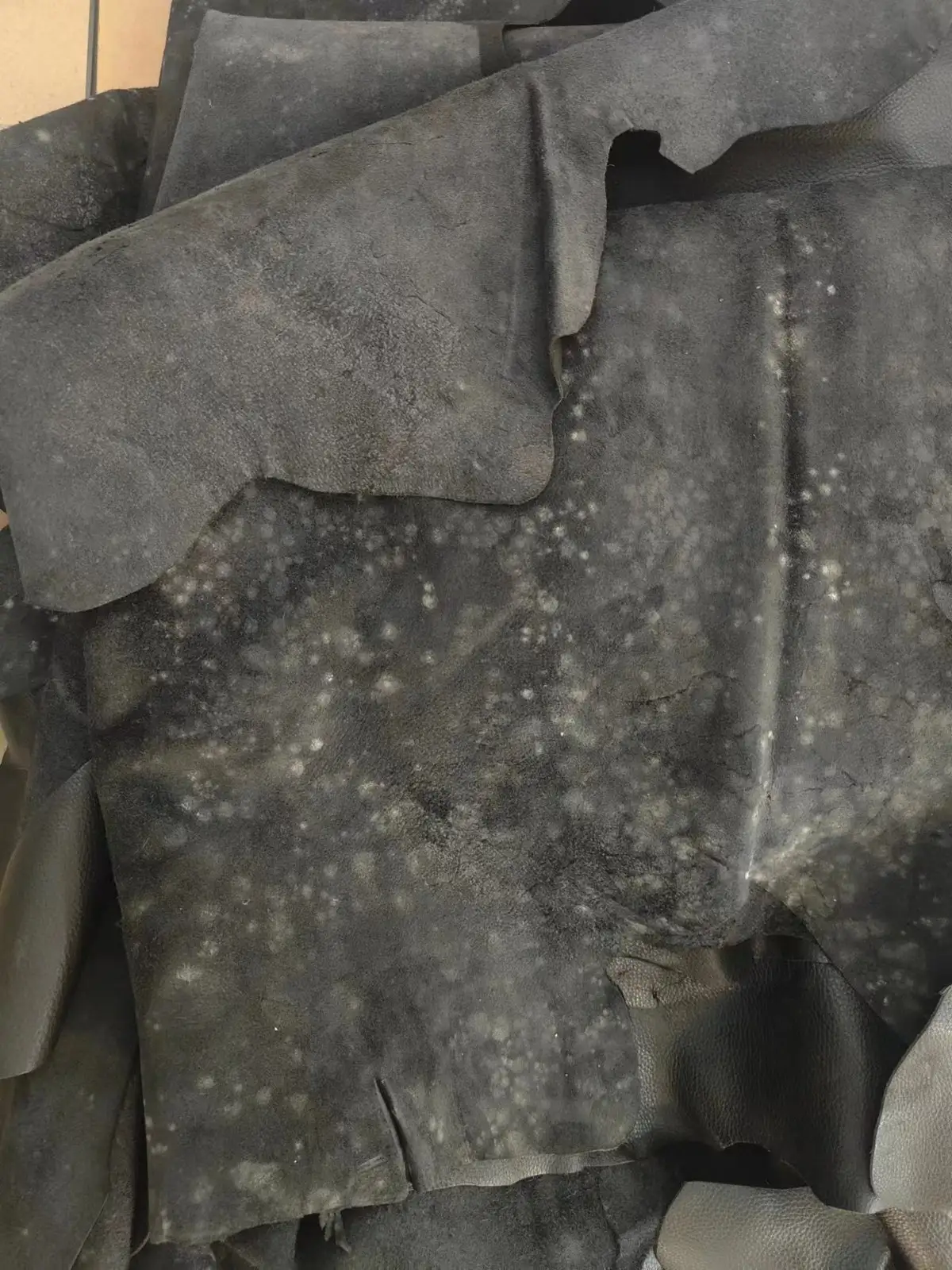
Leather is a natural material, and its mold risk is structural. Two nutrient sources decide its fate. Collagen itself is a high-quality protein food for microorganisms — left unprotected at the raw-hide stage, bacteria can pit the grain within three days. Fatliquors and finishing auxiliaries: the sulfated oils and synthetic fatliquors added after tanning for softness are the fat source, which is why mold spots on stored leather always appear first on the fattest areas — the butt and bend regions, and fold lines. Add one structural factor: leather’s porous fiber network is strongly hygroscopic, and in a humid season the moisture content of stored leather can climb above 20%, comfortably in mold’s working range.
For the owner, the cost runs across the whole chain: spoiled grain at the raw-hide stage is a direct material loss, mold on finished goods is a rejection claim, and between them sits the rework cost of de-molding and retanning. Hence the first principle of leather mold prevention: defend in stages — preservation at the hide stage, anti-mold at tanning, moisture control in storage. Any missing gate becomes the failure point.
PU Leather: Two Channels, One Hidden Greenhouse
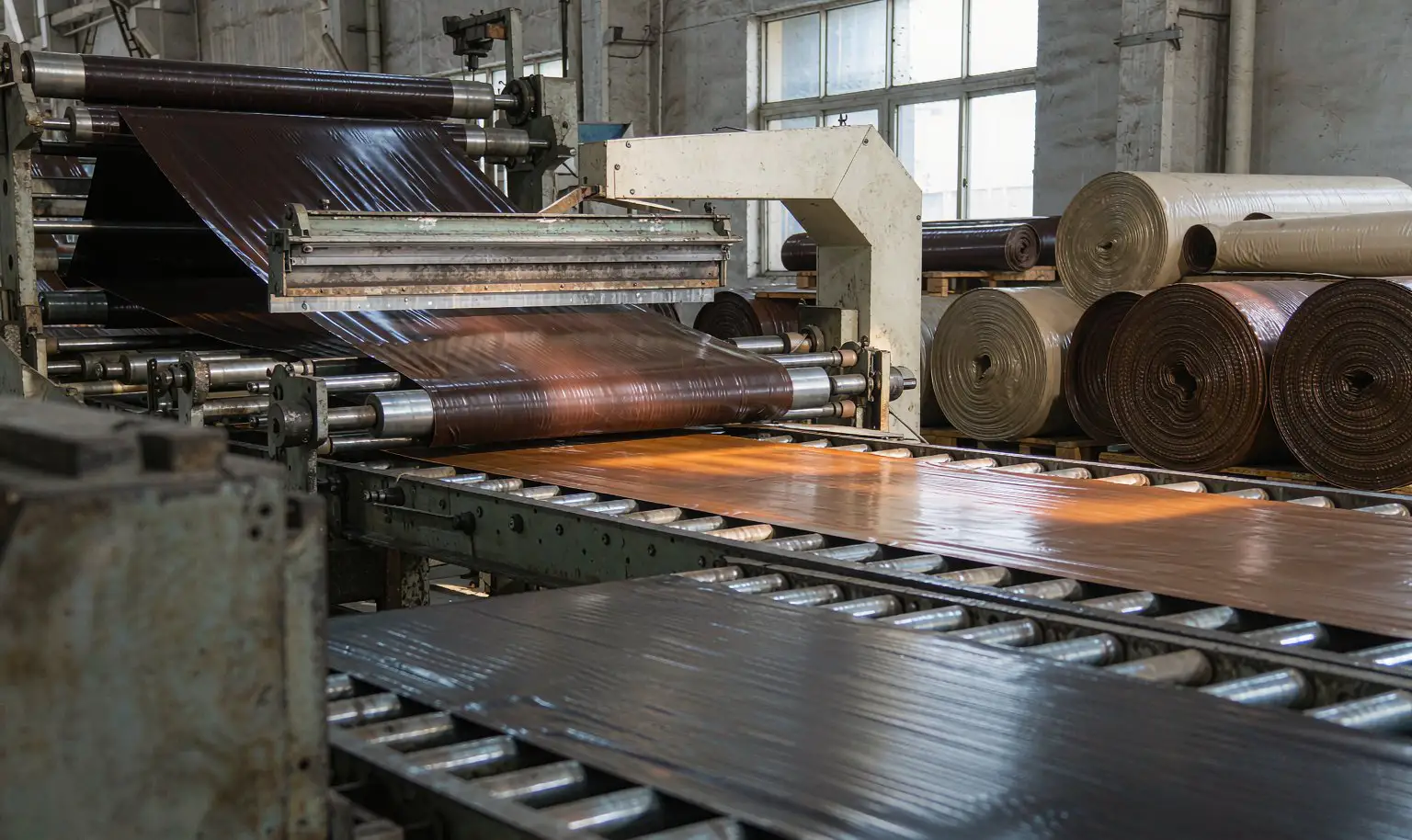
PU leather molds more insidiously than hide because it has two channels. The coating channel: plasticizers, leveling agents, and crosslinking residues in the PU resin are low-molecular compounds fungus can metabolize — in humid conditions the coating surface itself spots white and hazes over. The base-cloth channel, the deadlier one: the substrate is usually a brushed or nonwoven fabric with good moisture uptake, and the coating seals that moisture into the sandwich. Trapped humidity plus nutrient in the base cloth equals a mold colony in a layer nobody can see; by the time spots surface, the interlayer is usually colonized in patches. That is the mechanism behind “the more waterproof PU leather molds first”: the water-repellent coating builds an internal greenhouse.
The fix works on both layers: add an anti-mold agent into the coating paste at 1.5-3% of paste solids, and finish the base cloth at the stenter or raising stage. Both, not either — mills that treat only the coating never see the end of complaints. A third layer for aftercare: treat finished leather with a protective surface agent, and for stock that already shows mold, clean first then re-protect. iHeir-QF anti-mildew antibacterial cream is formulated for exactly this surface-treatment and spot-remediation role.
PVC Leather and Plasticizer Migration: The Thirty-Year Old Problem
The root cause in PVC artificial leather is plasticizer migration. Ester plasticizers such as DOP and DOA are only physically bound to the PVC resin; over time they migrate to the surface and lay down a tacky oil film — a carbon source for fungus that also traps dust and spores, effectively building its own culture medium. Migration accelerates in cold conditions (fogging, sweating), and doubling with high humidity doubles the mold speed. Beyond dosing the paste resin at 0.5-1%, the more fundamental fix is a low-migration plasticizer system; surfaces that already bloom should be degreased with a neutral cleaner before re-treatment. A purchasing note: the agent for PVC leather must resist plasticizer extraction — not every textile-grade anti-mold agent survives an ester-plasticizer environment, so ask the supplier for extraction-resistance data, or go straight to a leather-specific formulation.
Where to Dose: In the Drum or at the Finish
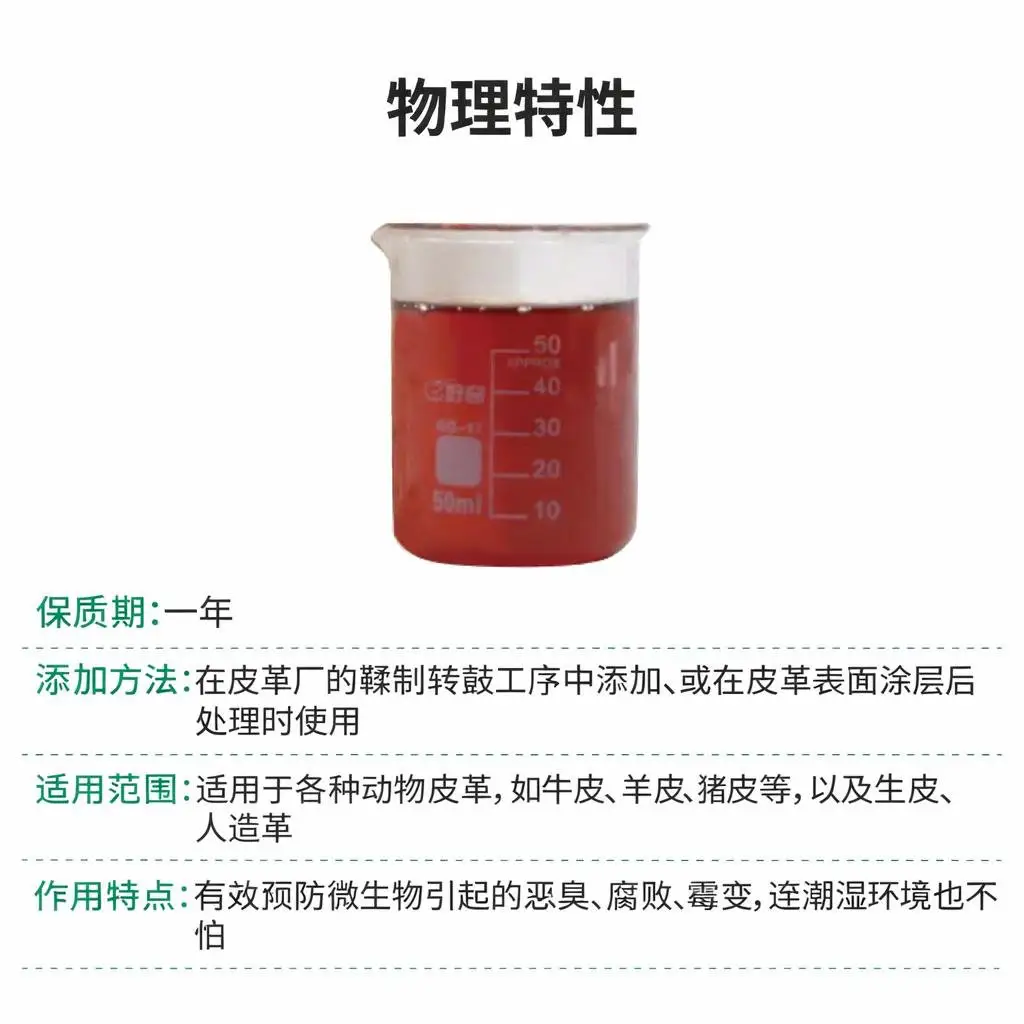
The question every tannery asks. Both routes have a role. Drum dosing is the backbone: at the fatliquoring stage, add iHeir-PF leather anti-mold agent at 0.8-1.2% of hide weight together with the fatliquor, drum at 40-50°C for 40-60 minutes — the agent penetrates with the oil into the fiber network, a “systemic” protection covering the whole service life. Finishing dosing is the complement: blend the actives into the base or top coat to build a surface barrier against contact flora. High-volume export orders run both; domestic short-cycle orders can rely on the drum pass. iHeir-Plus anti-mildew and antibacterial agent suits the finishing-paste route with good compatibility in water-based finishing systems.
For synthetic leather mills the dosing points are the coating paste (above) and base-cloth stentering. One process red line for R&D: keep drum temperature under 55°C — higher temperatures destabilize the fatliquor emulsion and the agent disperses poorly; even distribution is easy to verify by cross-section color uniformity on the drained hides.
Warehouse and Packaging: The Last Gate
Plants with solid chemistry still lose shipments on storage, every year. Three hard rules. Off floor and off wall: pallets 15 cm above the floor and 30 cm from walls — floor moisture rise is the number one driver of interlayer mold. Humidity control: target under 65%, dehumidifiers through the rainy season, and CH-10 anti-mildew drying and deodorizing packs inside the stacks. Packaging: anti-mold wrapping paper for export leather goods, mold-proof chips inside boxes, desiccant sticks in the container. The combined playbook is written out in our genuine leather sofa mold prevention plan and the Shiling bag and luggage export guide; mixed fabric-leather furniture scenarios are covered in the Wenzhou leather shoe factory plan and the general bag and luggage export prevention article.
Testing, Complaint Handling, and FAQ
Three things for QC managers. First, report anti-mold on the AATCC 30 or GB/T 2412 0-4 scale and write “grade 0” into export contracts — it removes the arrival dispute before it starts; antibacterial rates follow ISO 22196 for hard surfaces or AATCC 100 for flexible ones. Second, assign liability by spot distribution: uniform patches across a sealed shipment point to container condensation (check the box and desiccant load), local spots inside intact packaging point to a process miss (check dosing records). Third, close the loop: two mold complaints from the same supplier in a year should trigger a factory audit, not another per-claim settlement. The full complaint chain is laid out in the Haining leather factory anti-mold article.
FAQ.
Is white bloom on PU leather always mold?
No — plasticizer bloom looks similar; mold leaves stains and a musty smell after wiping, bloom wipes off and returns. Diagnose before treating.
Does drum dosing change hand feel?
Within 0.8-1.2% run together with the fatliquor, no perceivable change; oil spotting appears only past 2%.
How to rescue stock with local mold?
Quarantine first — mold spreads; clean and re-treat the spots, replace the mold-proof chips in the whole stack, and drop the humidity. Use a leather-specific neutral cleaner: strong alkali damages the finish, and that repair costs more than the cleaner ever will.