




 View Count:45
 Date:2026-09-05
Lighting factories in Guzhen (Zhongshan, China) know this complaint too well: LED ceiling lamps and downlights shipped to the Middle East or Southeast Asia arrive with mold spots on the housings, rusty metal brackets and softened, stained cartons. Customers demand returns or discounts on the whole container. A lamp is a combination of electronics + metal hardware + paper/plastic packaging, which makes it harder to protect than a single material — but the mold pathways are actually clear. This guide follows “why it molds → how to pack → how to control container humidity → what to do on arrival”, written for lamp factories, trading companies and forwarders.

1 Why do LED lamps mold during sea freight? Where mold comes from
Lamps themselves are not “mold material” — metal does not mold and PC covers do not grow mold. What molds is the organic matter shipped alongside the lamps. Four common pathways:
- Pathway 1: packaging paper absorbs moisture. Cartons, manuals and pulp/foam inserts are paper or wood fiber. At RH 85% for a week, corrugated board moisture rises from about 8% to over 14% and black mold appears on the surface.
- Pathway 2: surface soiling feeds mold. Fingerprints and sweat left on PC covers and hardware during assembly, plus adhesive residues from tape, are organic nutrients. In humid sea conditions mold colonies often form fingerprint-shaped or streak-shaped spots.
- Pathway 3: inserts carry their own spores. Recycled pulp trays and cheap foam that sat in a humid warehouse go into the container already damp and contaminated, then multiply fast inside sealed cartons under alternating temperature and humidity.
- Pathway 4: container condensation. Day-night temperature swings of 15-25°C inside containers on tropical routes make walls and cargo surfaces sweat at night; water seeps into cartons and local humidity approaches saturation. This is the top cause of whole-container mold, the same mechanism analyzed in container moisture and mold during shipping.
2 Packaging protection at the factory: keep moisture out of the carton
Lamp mold protection works at two levels: per-carton and whole-container. Per-carton rules:
- Control moisture content of packaging first: check cartons, printed boxes and pulp trays on arrival; target ≤12%. Reject damp or recycled trays. Paper selection logic is covered in how to choose anti-mold packaging paper.
- Rust-proof hardware first: screws, brackets and springs blacken first in damp air. Apply rust-preventive oil after stamping or pack parts in VCI bags/paper. Treat rust and mold together — otherwise hardware rust and housing mold arrive at the same time. Full hardware protection is in hardware mold and rust prevention.
- Place an anti-mold tablet inside each carton: one tablet suits a normal ceiling-lamp/downlight carton, e.g. Power Pak tablets or the electronics-grade CH-10 anti-mold drying & deodorizing pack, which combines moisture absorption, mold inhibition and odor control in one sachet — easy to drop into lamp cartons. This mirrors the electronics-packaging logic in our guides on moldy headphones and moldy speakers.
- Leave airflow gaps when packing: do not stuff cartons 100% full; keep some space. Ventilating corrugated cartons is not always wise — once container desiccant is in place, sealing helps.
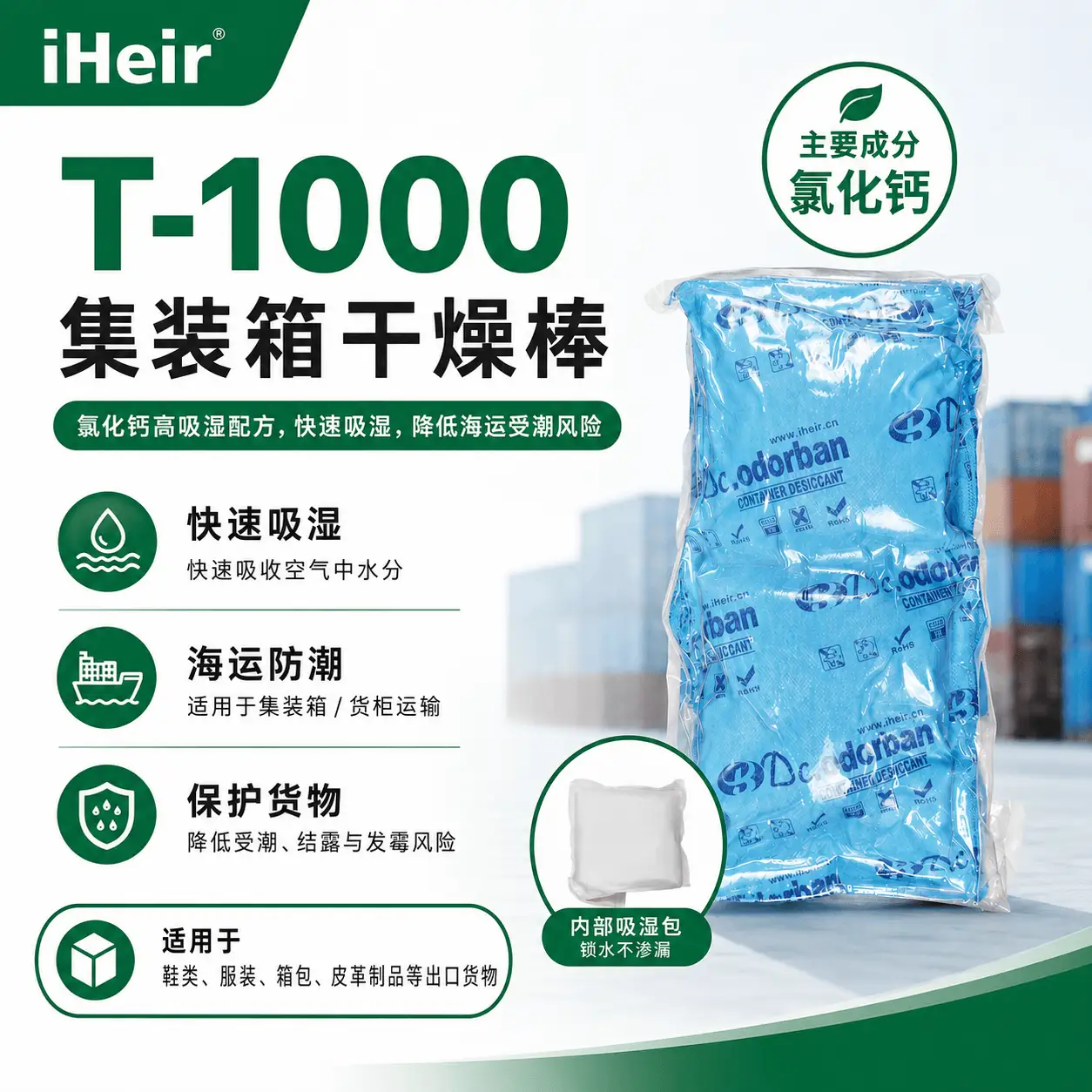
3 Whole-container humidity control: how many desiccant sticks, where
Even with perfect per-carton packing, condensation can still seep through carton seams. High-humidity-route lamp exports need whole-container dehumidification:
- Dosage baseline: hang 6-8 T-1000 container desiccant sticks in a 20ft container, 10-14 in a 40ft. Lamps with paper/plastic packaging are moderately hygroscopic, so take the middle of the range and add 2 if the route crosses equatorial heat or you ship in rainy season. For a precise calculation see how much desiccant a container needs.
- Placement: hang sticks along the upper side walls (condensation forms first on walls and ceiling), not buried inside the cargo; put 1-2 near the door because door-side cargo is most exposed when the container is opened.
- Pre-loading checks: confirm the container is undamaged, odor-free and did not carry damp cargo last trip; avoid loading on rainy days and keep doors open as briefly as possible.
- Spot-check before shipment: 3-5 days before packing, sample the humidity of the finished-goods warehouse and the moisture content of cartons; pay extra attention to batches produced in wet seasons.
4 Arrival rework: handling moldy housings and rusty hardware
If problems still occur on arrival, distinguish “mold” from “rust” first:
- Mold on PC/PMMA covers and housings: usually grows only on surface soiling and can be cleaned. Wipe with a soft cloth and diluted neutral cleaner or a specialty mold cleaner, dry fully, and repack. Never use stiff brushes or abrasives — they scratch optical surfaces.
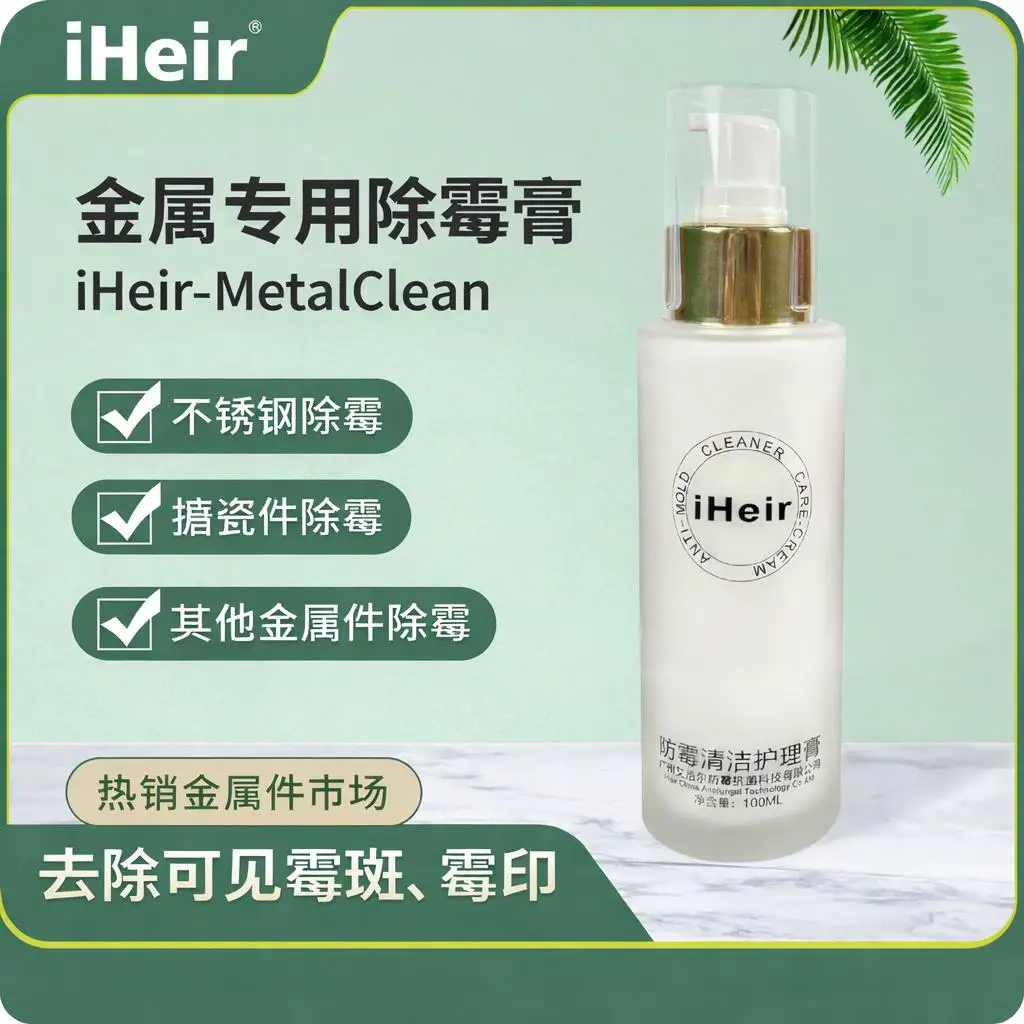
- Blackened hardware: judge rust vs mold. Black powder that will not wipe off is rust; gray-white fuzz that wipes away is mold. Polish or replace corroded parts; badly rusted brackets should not ship. After rework, protect metal parts with a water-based anti-mold agent.
- Moldy pulp trays and manuals: do not clean and reuse moldy paper (fibers are already infected); replace them, and add a fresh anti-mold tablet to prevent a second outbreak.
- Manage the rework process: log batch, location and ratio of mold to trace which protection step failed — tray moisture content too high, or not enough sticks in the container. Batch rework organization is covered in the full mold rework process.
5 Factory-side management: close the humidity gaps from workshop to warehouse
The best time for mold prevention is not loading day — it is the whole production and storage process. Four actions for lamp factories:
- Metal stamping workshop: keep RH ≤65%; apply rust-preventive oil or passivation promptly so parts are not left bare overnight; use gloves during assembly to reduce fingerprints.
- Packaging material warehouse: store cartons and trays 15cm off the floor and 30cm away from walls; install dehumidifiers; specify ≤12% moisture content when purchasing trays and spot-check incoming lots.
- Finished-goods storage and loading: do not store finished products on the floor; re-check before shipment; in rainy season allow 1-2 days of air-drying so hot, damp products are not sealed into cartons immediately.
- Agree on inspection timing with customers: in hot humid regions, recommend opening and inspecting within 30 days of arrival so issues surface early rather than growing worse.
6 Lighting export mold prevention FAQ
Q1: Can LED chips and drivers mold? Electronic parts do not grow mold themselves, but humidity oxidizes solder joints, lowers insulation and can cause shorts. For lamps, mold prevention is about protecting packaging and adjacent parts plus humidity control; never spray liquids around circuit-board areas.
Q2: Why does only half the container arrive moldy? Typical — condensation runs down the container walls so cartons against the walls get wet first, or front and rear of the container experience different temperatures. During rework, note cargo position to reconstruct the humidity distribution; it also shows desiccant sticks were not evenly placed.
Q3: Can transparent PC covers be treated with anti-mold spray? Yes, with the right product. After cleaning, one thin pass of water-based anti-mold agent is enough; always test on a small area first to confirm no white haze or streaks. For clear optics, prefer environmental protection (tablets + desiccant) over spraying the optical surface.
Q4: Can printed manuals be mold-treated too? Yes — printers can apply a water-based anti-mold coating or add fungicide during papermaking to manuals and printed boxes. The cost rises slightly but the whole-carton protection improves a lot (anti-mold packaging paper guide).
Q5: Do we still need desiccant sticks for air freight? Air freight takes only days and condensation risk is far lower than sea freight; a per-carton anti-mold tablet usually suffices. But if the destination is humid, plan warehouse dehumidification after arrival.
Lamp export mold prevention means doing three things together — packaging paper control, hardware rust prevention and whole-container humidity control; skip one and the container can fail on arrival. If you are planning lamp export packaging, contact us for a complete moisture and mold plan sized to your container, route and product mix.