




 View Count:49
 Date:2026-08-31
How to treat moldy boards? Board mills fear two things: incoming boards already moldy, and finished boards growing mold in the warehouse within days. A moldy board means rework at best and scrapping at worst. This article covers why boards mold, how to treat them, and how mills prevent it.
1. Why Do Boards Grow Mold?
- Moisture above the line: boards at or above 18% moisture give mold its base – the higher the moisture, the faster the growth. This is the industry’s number one cause;
- Poor storage: boards on bare floors, stacked too tightly without airflow, or in damp warehouses – bottom layers absorb moisture and spread mold upward;
- Surface residue feeds mold: sawdust, glue marks and dust absorb moisture and become mold food.
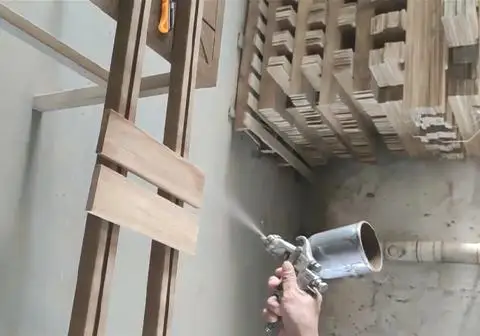
▲ Moldy boards
2. How to Treat Moldy Boards?
- Sort and isolate: separate moldy from clean boards; small spots (under 10% coverage) can be treated; heavily damaged or softened boards go to scrap;
- Sanding and treatment: sand off surface mold (wear a mask), spray with a mold remover (e.g. iHeir-CM), let sit 5-10 minutes, wipe clean;
- Dry: kiln-dry or air-dry treated boards to moisture below 15% – without full drying, mycelium stays inside and regrows within weeks;
- Recheck: verify moisture with a meter before boards re-enter storage.
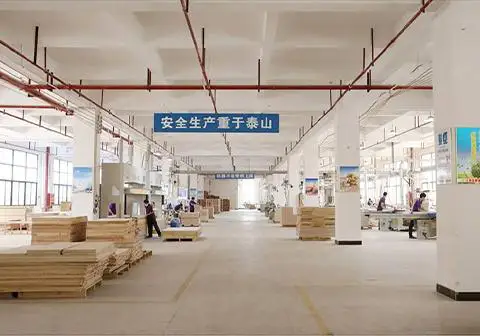
▲ Board mold removal process
3. How Do Board Mills Prevent Mold? (Key)
| Stage | Action | Why |
|---|---|---|
| Intake testing | Test moisture on every batch (reject above 18%) | Stop moisture at the source so no firefighting later |
| Anti-mold treatment | Soak at 2%-5% (e.g. iHeir-JP) or spray 0.08-0.1kg/m3 (e.g. iHeir-FT powder) | Actives form a protective layer lasting 6-12 months |
| Storage | RH below 60%; boards 10cm off the floor; leave airflow gaps in stacks | Lower humidity plus airflow removes mold conditions |
| Shipping | Add desiccants and rods in export containers | Sea freight humidity must be actively controlled |
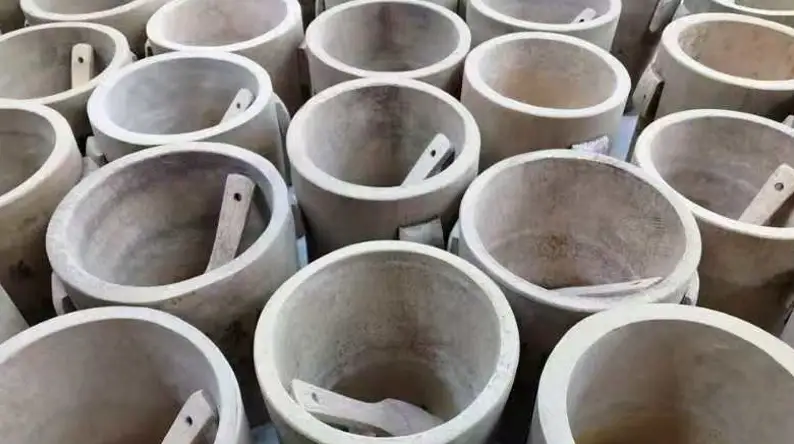
▲ Bamboo/wood board factory prevention plan
Last year a board mill took in pine boards at 22% moisture without testing; two weeks later the warehouse bottom was all moldy – a loss of over 300,000 RMB. After implementing “intake moisture testing + anti-mold treatment + warehouse dehumidification”, zero batch-level mold all year. For the general bamboo/wood principle, see Why Do Bamboo and Wood Mold?
4. What Should Each Role Do?
- Board mills: make moisture meters and drying rooms standard; add anti-mold treatment to the production process;
- Furniture factories: test intake moisture (re-dry boards above 15% before use), add dehumidifiers in storage;
- Building material suppliers: keep warehouses ventilated, close windows and run dehumidifiers in rainy seasons, monitor with hygrometers.
5. FAQ
Q1: Does mold affect board strength?
A: Light surface spots are fine after sanding; deep spots and softened boards mean mycelium has degraded the wood fibers – strength drops and they should not be used for load-bearing structures.
Q2: Does treatment change board color?
A: Colorless bamboo/wood grades do not change appearance; spray types save liquid and suit surface treatment needs.
Conclusion
Board mold prevention is three phrases: test intake moisture, treat with anti-mold agents, control warehouse humidity. For board solutions, contact us or browse the anti-mold product range; related: How to Choose Paint Anti-Mold Agents?