




 View Count:76
 Date:2026-09-30
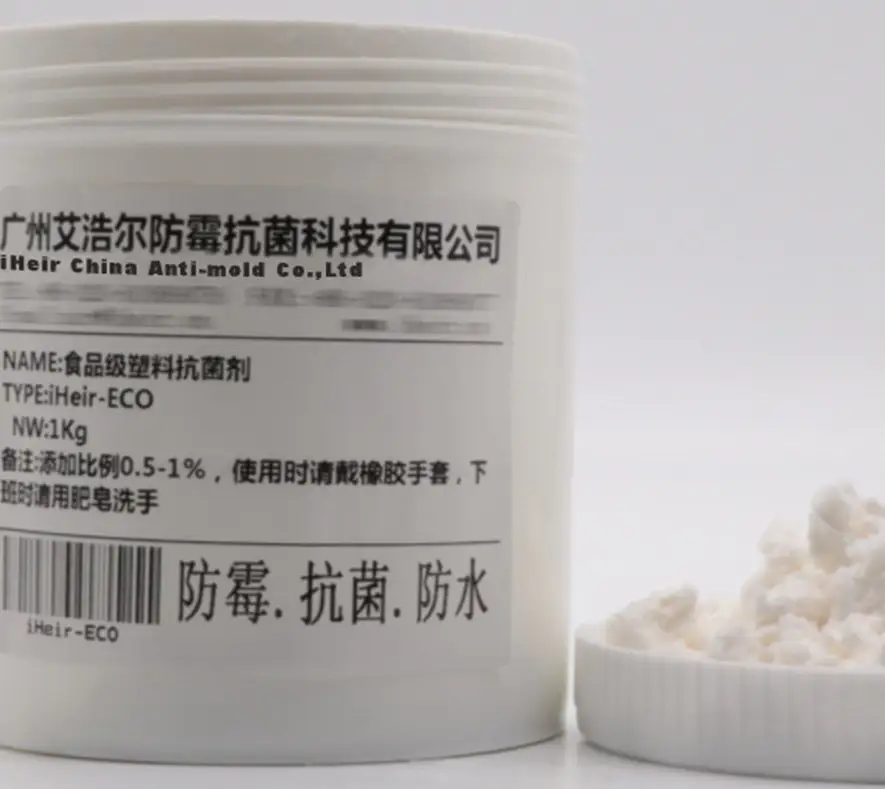
Woven bag mould: which two stages need the agent? Once bags and FIBCs are strapped, the inside barely breathes, so the bottom packs and the ones against the wall draw damp first and the batch gets downgraded. Pre-mix iHeir-ECO at 0.3%-0.5% on resin at the tape line, dose the coating layer separately, and switch to iHeir-IPL at 0.8%-1% for pale and clear bags. This article covers the two dosing points, the figures and the warehouse and loading controls.
1. Where mould on a woven bag comes from
Woven bags and FIBCs are polyolefin products: a body woven from PP or PE flat tape, usually with a coating or lamination on top. The polymer itself does not absorb water, but the woven structure is porous and once strapped, the layers press together and trapped moisture has no way out. Spots normally start on the coated face, at the folds and at the bottom of the stack, then work into the seams.
Read the source before you choose a dosing point. Where the body uses a high share of regrind and the store is damp, the problem usually sits in the substrate itself and the agent goes in at the tape line with the resin. The coated face is where mould lands first, so the coating compound needs its own dose. Doing one and leaving the other to storage is the usual shortcut, and it is also the usual reason a batch spots after a wet spell.
2. The dosing points at a glance
The table lists the stage, what is treated, the product, the figures and the points to watch, so it can be used as the first draft of a process card.
| Stage | Treated part | Product | Figures | Points to watch |
|---|---|---|---|---|
| Tape extrusion (flat tape) | Tape, monofilament | iHeir-ECO plastic antimicrobial agent | 0.3%-0.5% on total resin | Pre-mix with the pellets before the extruder; holds to 240 degrees, avoid long spells above 320 |
| Coating / lamination | Coating compound | iHeir-ECO plastic antimicrobial agent | 0.3%-0.5% on coating resin | Meter the coating compound on its own weight, not with the tape line; the coated face sees the mould first |
| Pale and clear bags | White and high-clarity bags | iHeir-IPL inorganic plastic agent | 0.8%-1% on total resin | Inorganic grade holds above 380 degrees and does not mask pale or clear parts |
| Finished-goods store | Strapped bags, FIBCs | Humidity control only | Store below 60% relative humidity | 30 cm off the wall, pallets off the floor, first in first out |
| Export loading | Full container | In-container humidity control only | Set by box type and voyage | Skip it and the sea passage decides for you; shrink wrap alone seals the damp in |
| Retained sample check | Bag body and batch sample | Test to the contract scope | Keep one sample per batch | Read growth to GB/T 24346-2009 and retest after a storage period |
Six rows, one conclusion: the tape line decides whether the body carries protection, the coating decides whether the surface barrier holds, and the store and the container decide whether either lasts to delivery.
3. The tape line: pre-mixing iHeir-ECO
Tape extrusion is the first dosing point. iHeir-ECO goes in at 0.3%-0.5% on total resin, pre-mixed with the pellets before they reach the extruder; general polyolefin sits at the low end. It holds to 240 degrees, so it stays inside the normal tape temperature window without affecting tape strength or appearance, and its 56-58 degree melting point means long spells above 320 degrees should be avoided. Where food-grade use has to be evidenced, check it in the GB 4806.7 direction, and send pale or high-clarity bags to the inorganic grade instead.
Three things matter here. First, the pre-mix has to be even: tape cross-sections are small and carry little material, so uneven dispersion leaves a strong section and a weak section in the same coil, and that weak section is where mould starts. Second, meter on total resin weight and recalculate when the regrind ratio shifts. Third, record dose, processing temperature and line speed in the process card and keep a sample per batch. The high end suits longer storage life and higher regrind shares.

4. Coating and lamination: do not leave this layer out
Coating or lamination is the second dosing point and the one most often skipped. Meter the coating compound at its own 0.3%-0.5% on coating resin and add iHeir-ECO during compound make-up, so it travels with the coating process. Do not carry the tape-line rate straight across: the carriers and the pick-up differ, and a combined figure tends to over-dose one stage and starve the other. The coated face is where mould lands first, so treating it keeps the surface clean through a wet spell.
For pale, clear or appearance-critical bags, switch the coating to the inorganic grade, iHeir-IPL at 0.8%-1% on total resin: it holds above 380 degrees and does not mask pale or transparent parts, with a reduction figure up to 99.99%. Run one coupon for appearance (colour and gloss) plus one for bacterial reduction before scaling up.
5. The store and the container: two moisture controls
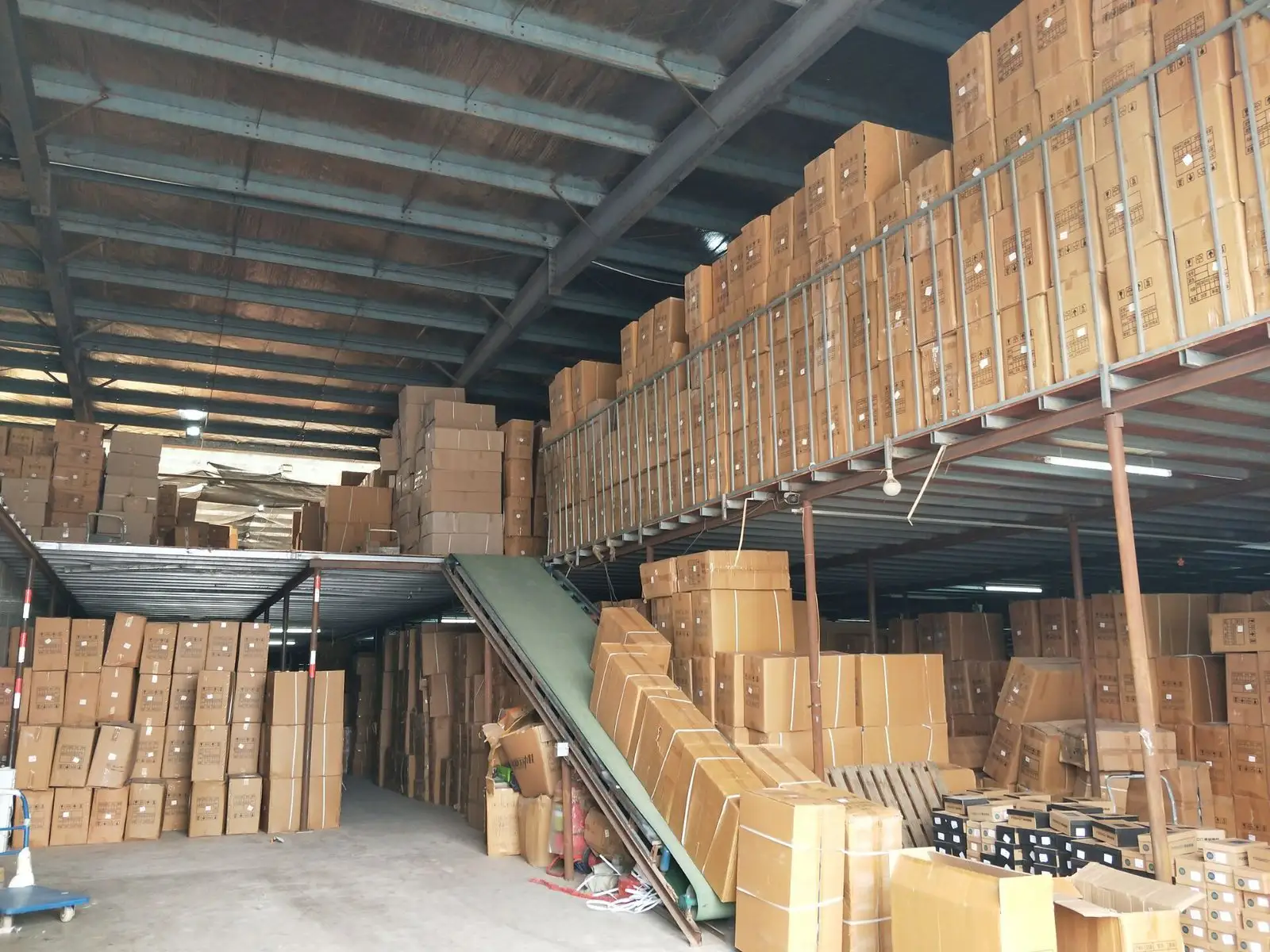
The agent supplies resistance; the store and the container decide whether that resistance is spent. Three rules in the warehouse: hold relative humidity below 60%, rack strapped bags 30 cm off the wall with pallets off the floor, and rotate first in first out; keep the wall-side row out of the pending dispatch area. FIBCs are bulky and stop breathing once strapped, so the bottom packs are always the first to take up damp and the first place to check when a stack is turned.
The third control is inside the container. Size in-container humidity control to the box type and voyage rather than relying on shrink wrap, which seals the moisture in with the goods. Recheck bag moisture content and appearance before loading, and leave air gaps when stowing. On acceptance wording: a passing reduction figure on a fresh sample says nothing about stored stock, so retest a sample that has been held for a period. Storage and loading wording is covered in how much desiccant a container needs at sea.
6. Common questions
Q: Is the tape line enough on its own? Not recommended. Once the body carries protection, the coated face is still where mould lands first, and a laminated surface is denser and dries more slowly. Dose both stages separately; if the budget is tight, secure the coating first and add the tape line next.
Q: How do you choose between iHeir-ECO and iHeir-IPL? By appearance and line temperature. Dark bags on a normal temperature window run iHeir-ECO at 0.3%-0.5% on resin; pale or clear bags, or a line running above 380 degrees, run iHeir-IPL at 0.8%-1%. They target different conditions, so pick one per bag rather than substituting.
Q: Will more agent fix a damp bottom of the stack? No. A damp bottom is a stacking and humidity problem; a higher rate only raises the bag’s own resistance and cannot hold back the environment. Fix humidity, racking and rotation first, then set the rate.
Woven bag mould comes down to two dosing points: iHeir-ECO at 0.3%-0.5% on resin at the tape line (iHeir-IPL at 0.8%-1% for pale or clear bags) and a separately metered dose in the coating, with the store and the container closing the last gap. Samples, TDS and minimum order details are available on request.


