




 View Count:104
 Date:2026-09-30
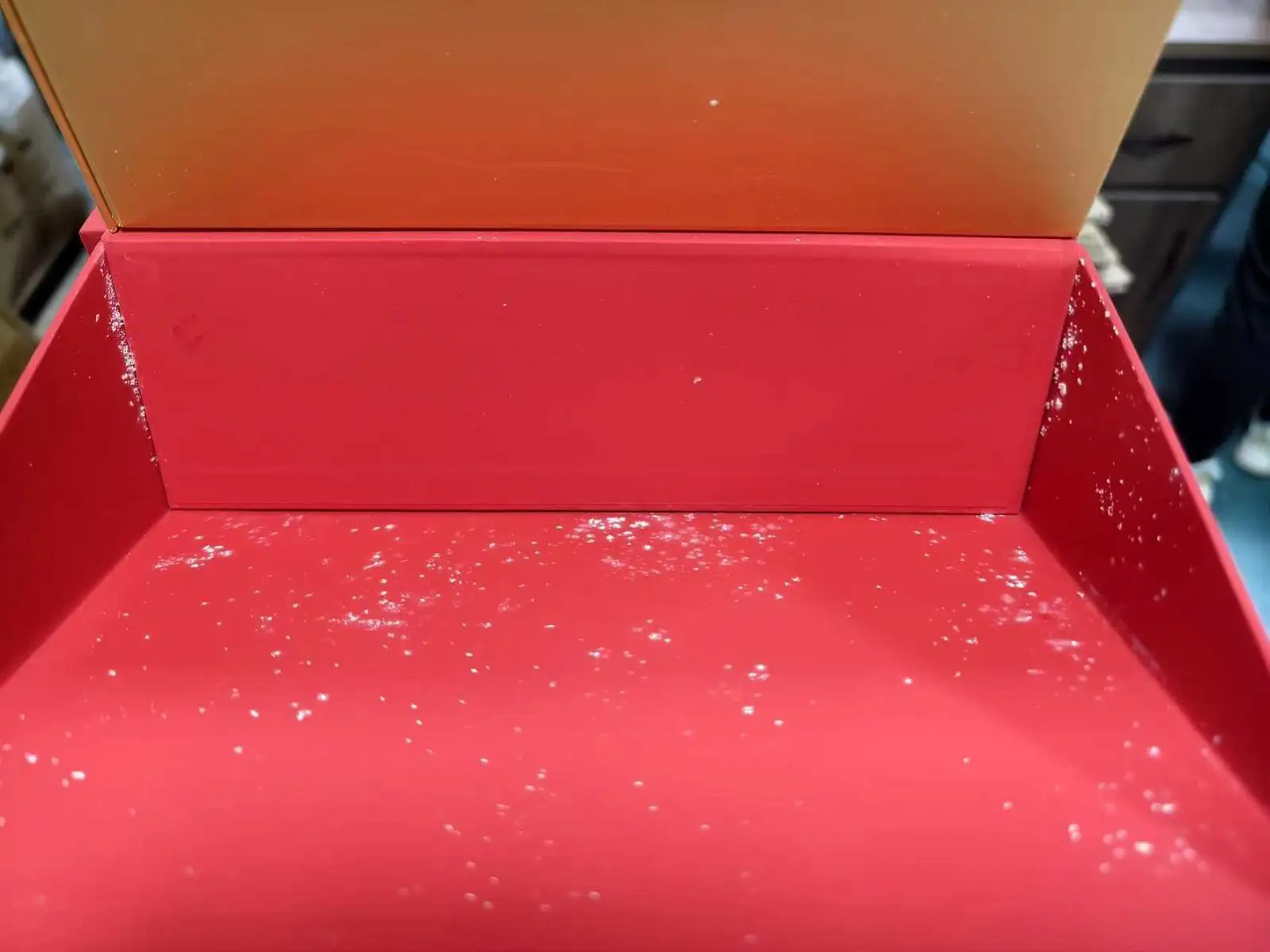
Moulded pulp tray mould: how do you dose it so the tray does not come back spotted? Spots on trays and egg cartons start at the pressed faces and the edges, and a batch downgraded for mould takes the delivery date with it. Add iHeir-BCA dry powder at 0.5%-0.75% on dry mass in the furnish at pH 5.0-10.0, and iHeir-TQ coating agent at 2%-3% on coating weight. This article covers both dosing points, the figures and the stacking check.
1. Where mould on a pulp tray comes from: furnish or coating
Trays, egg cartons and industrial inserts are moulded pulp, formed by draining a pulp slurry onto a screen. The fibre web is porous and takes up moisture quickly, so the pressed part needs drying and usually a surface size or coating for stiffness and water resistance. The place where spots appear tells you which line let them in: the furnish, or the coating and the store.
The read is simple. Spots that run through the body and sit in the pressed faces, visible on a torn cross-section, usually mean the furnish had no protection. Spots that sit only on the surface layer and lift off when rubbed point to the coating stage or to storage. The two need different actions: dry powder into the mixing stage, coating agent into the coating liquor. Treat them as one job and you get the familiar result — dosed, and still spotted.
2. The dosing points at a glance
The table lists the stage, what is treated, the product, the figures and the points to watch, so it can serve as the first draft of a process card.
| Stage | Treated part | Product | Figures | Points to watch |
|---|---|---|---|---|
| Furnish mixing (stock prep) | Pulp, recovered fibre, filler | iHeir-BCA dry-powder anti-mould agent | 0.5%-0.75% on total dry mass | Stable and alkali-resistant from pH 5.0 to 10.0; 4-30 micron powder, needs full dispersion |
| Surface coating (coating liquor make-up) | Coating liquor, surface size | iHeir-TQ coating mould inhibitor | 2%-3% on total coating mass | 45% active, pH 6-7; add at the let-down stage while the liquor is still thin |
| Drying | Formed parts | Process control only | Set by the drying curve | Drying kills the mould present, it does not prevent regrowth; stacking wet is the usual root cause |
| Finished-goods store | Stacked parts | Humidity control only | Store below 60% relative humidity | Off the floor, away from the wall, leave air paths between stacks, first in first out |
| Export loading | Full container | In-container humidity control only | Set by box type and voyage | Pulp takes up moisture fast; skip container control and the sea passage decides for you |
| Retained sample check | Finished parts and batch sample | Test to the contract scope | Keep one sample per batch | Hold at 28 degrees and 85% humidity for 7 days and watch the edges and pressed faces first |
Six rows, one conclusion: the furnish decides whether the fibre carries protection, the coating decides whether the surface barrier holds, and drying and stacking decide whether either survives to delivery.
3. The furnish: how to set the iHeir-BCA figures
The furnish is the only point on the line where protection can be built into the fibre. iHeir-BCA goes in at 0.5%-0.75% on total dry mass during mixing, and it holds from pH 5.0 to 10.0 — which matters because pulp stock runs alkaline, so a powder is the right choice rather than a liquid inhibitor. Active content is above 97%, particle size 4-30 microns, supplied in 25 kg fibre drums with a 12-month shelf life.
Three things to fix before you dose. First, meter against total dry mass rather than estimating by pit volume; recovered fibre ratios drift, and so does an estimate. Second, give the powder enough mixing time and shear to disperse; at high stock consistency a lump leaves a spot that grows mould on its own. Third, write dose, pH and mixing time into the process card and keep the record with the retained sample. The low end suits short-life inserts, the high end long-stock or export parts. One caution: protection in the furnish does not remove the need for the surface, because each stage covers a different layer.
4. The coating line: where iHeir-TQ goes
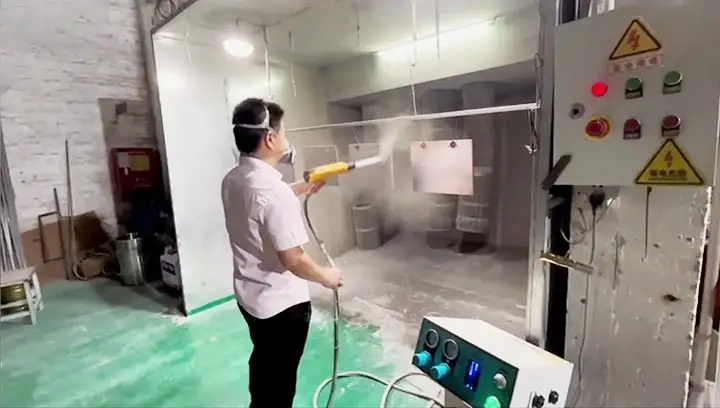
Surface coating or surface sizing is the second point. iHeir-TQ is added at 2%-3% on total coating mass during let-down or coating-liquor make-up, when the liquor is thin and the agent disperses most evenly; it is 45% active with a working pH of 6-7. Add it late, just before the coater, and you get pockets of high and low concentration — which show up later as patchy spots on the coating.
Keep the sequence explicit: inhibitor at let-down, then the existing order of thickener, defoamer and pH adjustment. Where the coating system contains an anionic auxiliary, run a coupon first to confirm compatibility and coating appearance before scaling up. Which end of the band to use depends on coat weight and storage life: the low end for thin coats, the high end for heavy coats or long-cycle export parts. Run one coupon for coating appearance plus one for mould growth before the order goes on the line.
5. Drying and stacking: the two points that get skipped
The first is drying. Many plants treat high-temperature drying as mould protection, which misreads the mechanism: heat kills the mould present, but spores in the air settle again the moment the part takes up moisture. Protection has to be dosed in the furnish or the coating; drying only brings moisture content down. Stack and pack parts before the moisture content is back inside specification and you seal water between layers — the most common cause of trays and egg cartons growing mould again.
The second is stacking and shipping. Moulded pulp takes up moisture quickly, so the finished-goods store needs humidity control, racking off the floor and away from walls, air paths between stacks and first-in-first-out rotation. A full export container needs in-container humidity control rather than a plastic wrap on the pallet alone. On acceptance wording: a fresh sample that passes says nothing about stored stock. Retest a sample that has been held for a period, and watch the edges and the pressed faces first.

6. Common questions
Q: Can the furnish treatment replace the coating stage? It depends on the part. Plain inserts with a short storage life can run on the furnish alone; parts that get coloured, need water resistance or sit in stock for months should have the coating stage too. Each stage covers a different layer and neither substitutes for the other.
Q: Can iHeir-BCA and iHeir-TQ go into the same tank? Not advisable. One is dosed into the dry-mass furnish, the other into the coating liquor; the carriers and the dosing points differ, and keeping them separate is what makes each one work. On a continuous line, dose in the order furnish then coating rather than tipping both into one vessel.
Q: With the agent dosed, is in-container humidity control still needed? Yes. The agent supplies resistance to mould; the humidity in the box decides whether that resistance is spent before the goods arrive. In-container control and a moisture check before loading both cost far less than a container returned. Grading and storage wording are covered in mouldy cartons and the grading standard.
Moulded pulp tray mould comes down to two dosing points: iHeir-BCA at 0.5%-0.75% on dry mass in the furnish with pH held between 5.0 and 10.0, and iHeir-TQ at 2%-3% on coating mass at the let-down stage, with drying and stacking holding moisture and humidity in check. Samples, TDS and minimum order details are available on request.


