




 View Count:21
 Date:2026-09-15
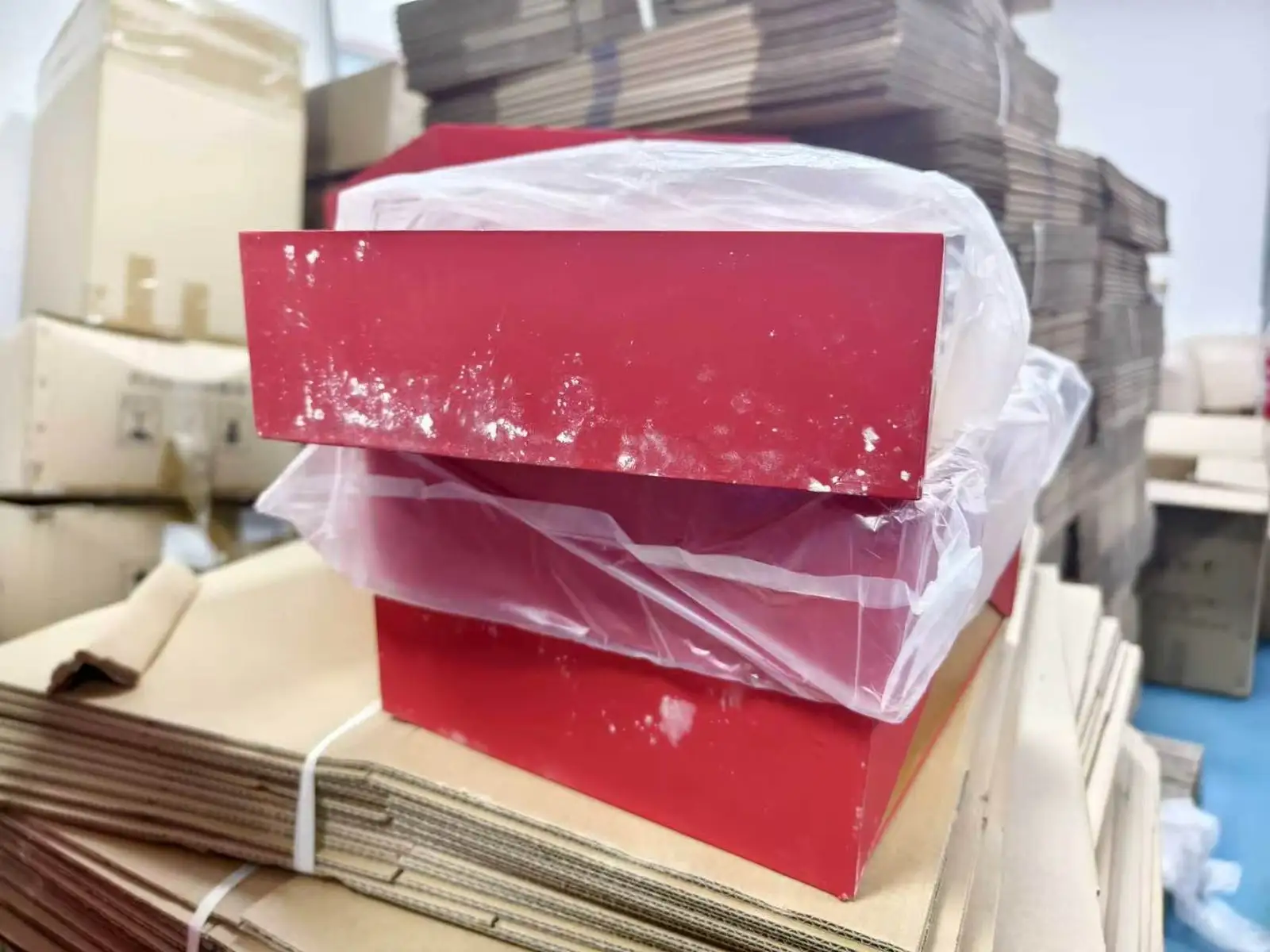
The container reaches port, the customer opens the doors for inspection, and the carton surfaces carry a frost-like layer of mold — worst on the red gift boxes — and the whole container is rejected on the spot. This is the most painful complaint class for export manufacturers: the goods themselves are usually intact, the packaging failed first, and the customer does not care about the distinction. The reflex afterward is to blame “humid sea freight,” yet switching carriers changes nothing, because the mold did not start on the ocean. The root is three moisture sources stacked together — packaging, pallets, and container condensation — with a storage segment that also failed to hold.
Where Export Carton Mold Comes From: Three Stacked Moisture Sources
Audit before you dose. Mold needs spores, nutrients, and water; corrugated fiber and the starch adhesive are nutrients, spores attach naturally during production and storage, so the controlling variable is moisture. Source one is carton moisture content: boxes leaving the plant above 12% are self-humidifiers inside the container — a classic symptom of rainy-season rush production with insufficient drying. Source two is wood pallets and wooden crates: solid-wood pallets can hold above 20% moisture and keep releasing it into a container cycling between 30 and 40°C. Source three is container condensation — the trade’s “container rain” — where day-night temperature swings condense water on the steel roof, dripping onto the carton stacks. Stacked together, these three push the in-container microclimate past 85% humidity, and seven days is enough for sheet mold. Owners should internalize one idea: mold prevention is a systems ledger — no single segment can carry the other two.
| Moisture source | Key numbers | Defense line |
|---|---|---|
| Carton moisture content | Hold outbound at 10-12% or below; over-spec goes back through the dryer | Section two: release checks + anti-mold dosed gluing adhesive |
| Wood pallets and wooden packaging | Pallets at or under 18% moisture; solid wood can exceed 20% and keeps releasing | Section three: kiln-dried material + anti-mold brush coat, 24-hour dry |
| Container condensation (container rain) | Day-night swings of 30-40°C; in-container humidity past 85% | Section five: T-1000 sticks, from 8-10 per 20-foot container |
| Warehouse environment | Target at or under 65% RH | Section five: dehumidifiers + quarterly anti-mold spraying |
Paper and Board: Corrugated Cartons and Gift Boxes
The carton plant’s first move is moisture control: finished boxes leave at 10-12% moisture content or below, spot-checked with a quick moisture meter before release in the rainy season; over-spec boxes go back through the dryer. The starch gluing adhesive is the second lever: starch glue molds easily, so during humid months dose the glue with a glue anti-mold agent at 1-2% of glue weight so the bond line never becomes a fungus source; formulation details appear in our glue got moldy: treatment and prevention article. High-value printed and gift boxes carry a coated surface that cannot be dipped, so they take the anti-mold wrapping paper route: a slow-release paper liner between the product and the printed box suppresses surface mold for cents per unit. The mechanism details for cartons and boxes are covered in our carton and printed box mold prevention guide.
Wood Pallets and Wooden Packaging
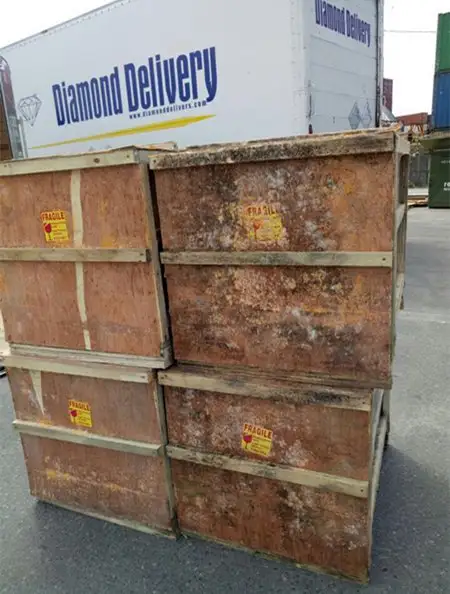
The pallet is the largest single moisture source in the container and the most visible mold carrier — the green-black mold bands on deck boards show up in customer photos along with the damaged goods. Two source-side actions. Material and drying: prefer kiln-dried pallets below 18% moisture, or fumigation-free plywood pallets whose moisture is more stable; export orders should default to them. Protective treatment: brush or spray new and rotating pallets all over (deck boards and joints especially) with an anti-mold agent diluted 1:10-1:15, air-dry 24 hours before loading; one treatment holds 3-6 months, reapply through the rainy season. Wooden crates and frames follow the same logic — inspect piece by piece before container loading, and anything already spotted goes through the section-five workflow before it ships. The full pallet workflow is in our wood pallet got moldy: export treatment article.
Vapor-Phase Protection: Getting the Actives Deep Inside
The core of a carton stack and the cavity inside a gift box are dead corners sprays cannot reach — vapor-phase protection covers exactly that space. iHeir-D gas-phase antimicrobial and mold inhibitor and iHeir-5 gas-phase antimicrobial and mold inhibitor are specialty inks carrying anti-mold particles under 5 μm: coat or print them onto paper, dry it into anti-mold wrapping paper or sachets, and inside the sealed pack the actives release slowly into the air, actively killing airborne mold and bacteria so even the surfaces never touched directly are covered. Dosage: each sheet of anti-mold paper or each sachet carries 0.1-0.2 g of active ingredient, adjusted for ambient humidity, temperature, and protection requirements; seal them with the goods promptly after production so they do not pull moisture and lose effect. Two cautions: there is a fading risk with low-grade dyes and possible corrosion of low-grade metal fittings in humid conditions, so run a compatibility trial at three times the normal dose before production (spray water to simulate humidity, keep paper between agent and goods, inspect after several days). R&D can add an accelerated humid retention comparison before batch release — a clean accelerated sample releases the batch.
Container Desiccant Dosage and the Warehouse Humidity Line
Condensation inside the container is the desiccant’s job. T-1000 container desiccant sticks are built on super-absorbent polymer (cross-linked sodium polyacrylate), absorbing over 100% of their own weight at 25°C/80% RH; the absorbed water gels so it cannot re-evaporate, and an added antimicrobial factor keeps bacteria and mold from growing on the sticks themselves; hang them on the wall lugs. The dosage baseline: 8-10 sticks per 20-foot container, 10-12 per 40-foot (T-1000 type, 1000 g each); long transit times, routes with big temperature swings, or long dwell at the terminal justify adding more; leave 5-10 cm of air gap between the carton stacks and the walls so the sticks can keep pulling from the container air. The calculation logic is detailed in how much desiccant goes in a container, and the condensation mechanism in container rain and sea freight condensation. Two small pre-loading habits matter: leak-check the container (an old leaky box doubles condensation risk) and lay a moisture barrier on the floor.
The warehouse carries its own quantified line: one hygrometer per stacking zone with a target under 65% RH, dehumidifiers on any breach; pallets 15 cm off the floor and 30 cm off the walls; walls and pallets sprayed with anti-mold agent once a quarter to keep the in-warehouse inoculum down — the environmental workflow is in our warehouse mold prevention plan. Beyond the container-level defenses, add a CH-10 anti-mildew drying and deodorizing pack inside high-value retail cartons to handle both moisture and odor at the unit level.
Cleaning and Reworking Moldy Cartons and Crates
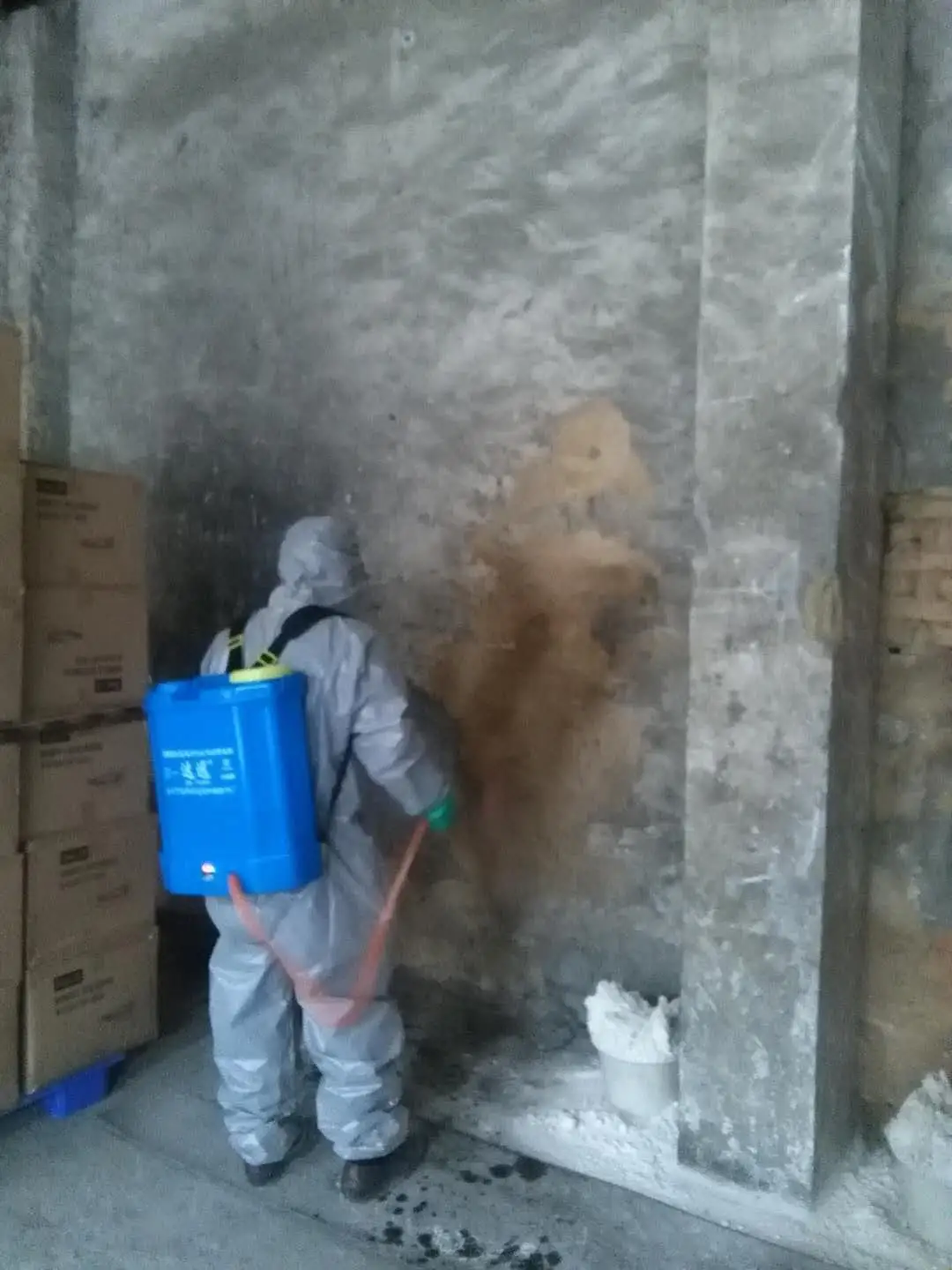
Grade the goods before touching anything. Scrap line: mold has soaked into the paper and the board has softened, or spots cover more than 30% of the box face — compression strength is no longer trustworthy, so re-pack into fresh cartons and write the moldy ones off as waste paper; wooden crates with mold into the fibers and rot signs go the same way. Clean-rework line: spots on the surface with sound board — wipe the affected area with a cloth or brush dipped in iHeir mold spot cleaner, let it air-dry, and after 48 hours with no recurrence the carton returns to service; heavier spotting that has not penetrated the fibers on wooden crates — spray iHeir-CM mold remover directly onto the moldy areas and let it penetrate to kill the surface and deep spores, wipe stubborn spots with a soft cloth, air-dry, then redo the protective treatment from section three. Environment: the warehouse and rework area that hosted the outbreak get one full pass of diluted anti-mold spray on walls, platforms, and racking, then ventilation and drying before finished goods return — the same flow as the pallet and storage-area treatment linked above.
For purchasing and QC, close the loop with records: quarterly measurements of carton moisture, pallet moisture, and warehouse humidity, all filed; loading-site photos (container condition, desiccant sticks hung, floor barrier laid). If mold appears at destination, the responsibility chain is documented — claim or corrective action, both stand on evidence.
FAQ.
We hung desiccant sticks — why did the cartons still mold?
Nine times out of ten the dosage was short or the cartons themselves left the plant above spec, so the sticks spent the voyage drying the boxes’ own water; dose per section five and hold outbound moisture under 12%.
If we wipe the mold off, will the customer still find it at inspection?
Only reworked cartons with a zero-mold recheck and passing compression can ship; a wiped surface with degraded strength fails the recheck every time.
Is vapor-phase protection safe around goods?
At the recommended dosage in sealed packaging, with no direct food contact and routine gloved handling, yes.
Rainy-season rush means cartons cannot dry — what then?
Ship from the stock of in-spec cartons first and hold fresh deliveries in a warm room for 24 hours before they reach the packing line; the day saved by rushing is usually the seed of the mold claim at destination. Defend every moisture source, and export packaging mold becomes a rare event instead of a chronic one.