




 View Count:30
 Date:2026-10-17
How should a mouldy bamboo cup be treated? Once grey-white spots appear on the inner wall, the whole batch is downgraded on the inspection bench, and the delivery date goes with it. The order is soak first, then dry: iHeir-M5 immersion type bamboo and wood fungicide at 1:40 in water for 5-10 minutes to 15%-20% pickup, or iHeir-FT bamboo and wood anti-mildew powder at 1:500 for food-contact ware, best above 45℃. This article covers the figures, the time and the drying test for both routes.
1. Why bamboo cup mould starts on the inner wall
A bamboo cup is a section of bamboo bored out, so the inner wall is the pith and vascular tissue of the plant: loose fibre with plenty of capillaries, which takes up water far more readily than the dense green skin outside. When shop humidity rises, the inner wall draws in the moisture from the air first; and the water left by rinsing, leak testing and sanitising settles at the base of the cup, the one place that dries last. The spots then grow from the bottom towards the rim. The outside keeps its waxy skin and looks untouched, so the problem is usually found late.
Bamboo also carries starch and sugars, which feed micro-organisms, so wiping the surface clean solves nothing: the wipe removes the growth and leaves the nutrients and the water inside the fibre. What works is getting the treatment liquor into the fibre to change the environment it feeds on, and then taking the water out completely. That is why two cups from the same batch, one soaked and dried and one only wiped, look very different after a few months in store.
2. The two routes compared: M5 immersion and FT powder
A bored cup has one requirement a table cannot show: the liquor has to reach the bore, not only the outside. The wall thins from base to rim, so the base is the thickest section, holds the most water and dries last; in the same tank it also takes up more liquor than the rim. That is why the shop card states a pickup figure and a drying test rather than a soaking time. The table sets both routes against the drying and the store, to be checked against your own tank and dryer.
| Route | Product | Dilution and time | Pickup | Points to watch |
|---|---|---|---|---|
| Immersion, standard | iHeir-M5 | 1:40 in water (5kg to 100kg), soak 5-10 minutes | 15%-20% | Keep the ware fully submerged; drain, then air or sun dry |
| Immersion, food grade | iHeir-FT | 1:500 in water, best above 45℃ | 10%-15% | Slightly soluble in water, easier in hot water; the liquor can be reused, top up at 1:180 or stronger |
| Drying | — | Run to the equilibrium moisture content, with the base and inner wall blown first | Back to equilibrium before packing | Skip the drying and the soak is wasted; the inner wall moulds first |
| Storage | — | Below 60% relative humidity, off wall and floor | — | Bag or stack by diameter, and never let the base sit on the floor |
Rows one and two are the optional soak routes, chosen on hot water and volume; row three, the drying, is not optional; row four decides how long the batch survives in store. The sequence that gets reversed in practice is soak-then-dry on the same day: cups left overnight before the dryer sit with water in the bore, and the base ring is exactly where that water collects.
3. M5 immersion: 1:40 in water, 5-10 minutes, 15%-20% pickup
iHeir-M5 immersion type bamboo and wood fungicide is a red-brown liquid, diluted 1:40, that is 5kg of the agent to 100kg of water. Submerge the cups completely, with nothing above the surface, and take them out once the pickup reaches 15%-20%, which takes about 5-10 minutes; drain the liquor off, then air dry or sun dry, and pack only when fully dry.
Two details matter in practice. First, a bored cup floats, so hold it down with a rack or a weight and let the liquor fill the bore — a cup whose bore never fills has only had its outside treated. Second, the liquor is acidic and must not meet metal or alkaline substances, so the tank and the fixtures should be acid-resistant plastic or lined, and any alkaline auxiliary in the adjacent stages has to be kept away. The product comes in 25kg drums, stores away from moisture and light, and keeps for one year.
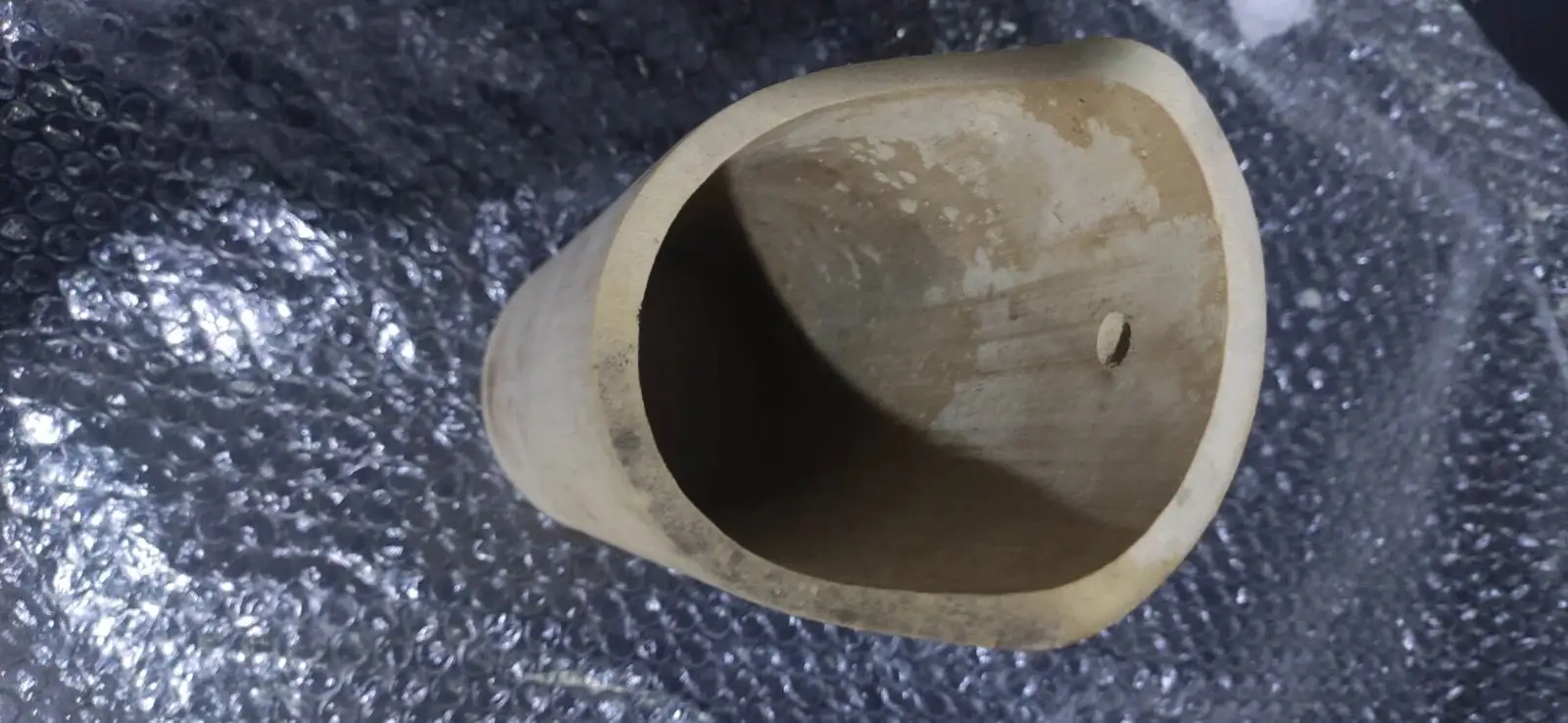
4. FT powder: 1:500 for food-contact ware, best above 45℃
For the food-contact grade, use iHeir-FT bamboo and wood anti-mildew powder at 1:500 in water, ideally above 45℃. It is a pale yellow crystalline powder with a slight odour, slightly soluble in water and much easier in hot water, so make it up with hot water and stir until the powder has fully dissolved before loading the ware. Hold the pickup at 10%-15%, drain, then air or sun dry before packing, and keep the batch out of the rain so the adsorbed agent is not washed off.
The FT liquor is stable and can be reused rather than dumped; top it up whenever the level no longer covers the ware, at 1:180 or stronger. It comes in 30kg drums with a three-year shelf life, longer than M5, which suits high-volume continuous production. The same warning applies: the product is acidic and must not meet metal or alkaline substances. For the general approach to bamboo and wood, see bamboo products that grow mould.
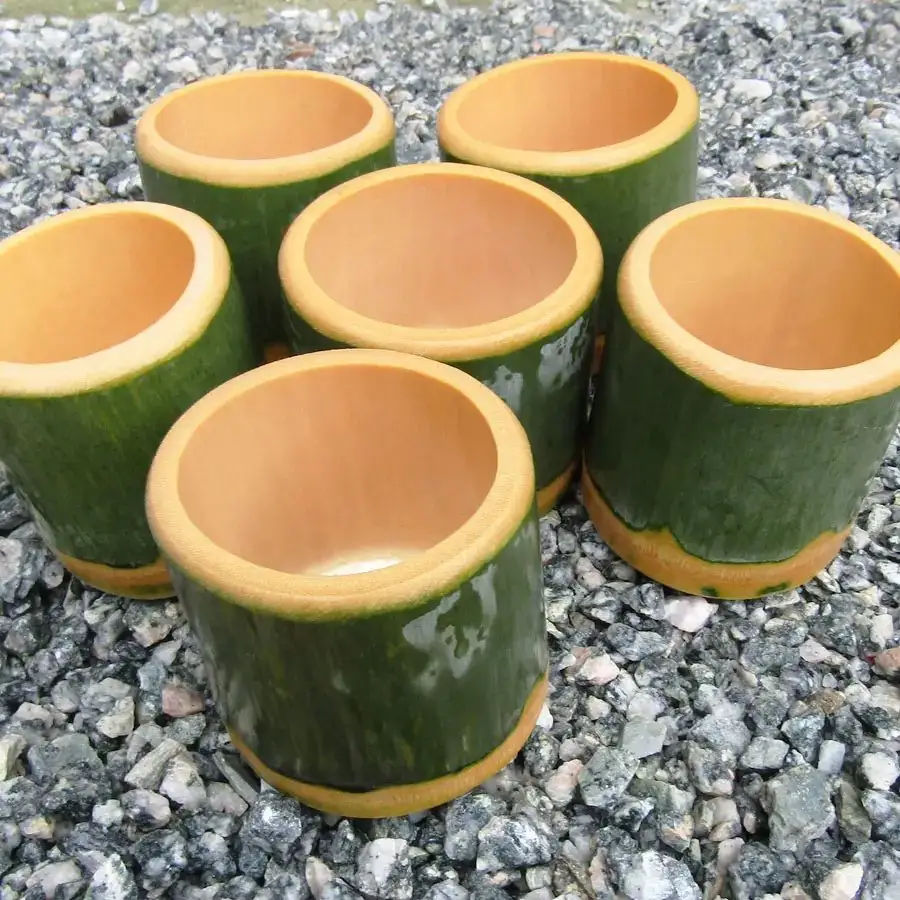
5. How dry is dry enough
Skipping the drying wastes the whole soak, and this is the most common reason a batch of cups comes back. The liquor carries water into the fibre, and if the cups are boxed after nothing more than draining, the base ring stays warm and damp, which is exactly the environment mould wants. Test against the equilibrium moisture content: weigh a few cups from the batch, dry until the weight stops falling, and confirm it holds steady once the cups have cooled in the shop.
Three places need the air most: the inner base ring, the cut edge at the rim, and the joint between the wall and the outer skin. Do not simply raise the temperature, because bamboo cracks and the green skin discolours when it heats too fast; step the temperature up, taking the surface water off at low heat first. Once the cups leave the dryer, let them cool in the shop before bagging, because condensation inside the bag is worse than no drying at all.
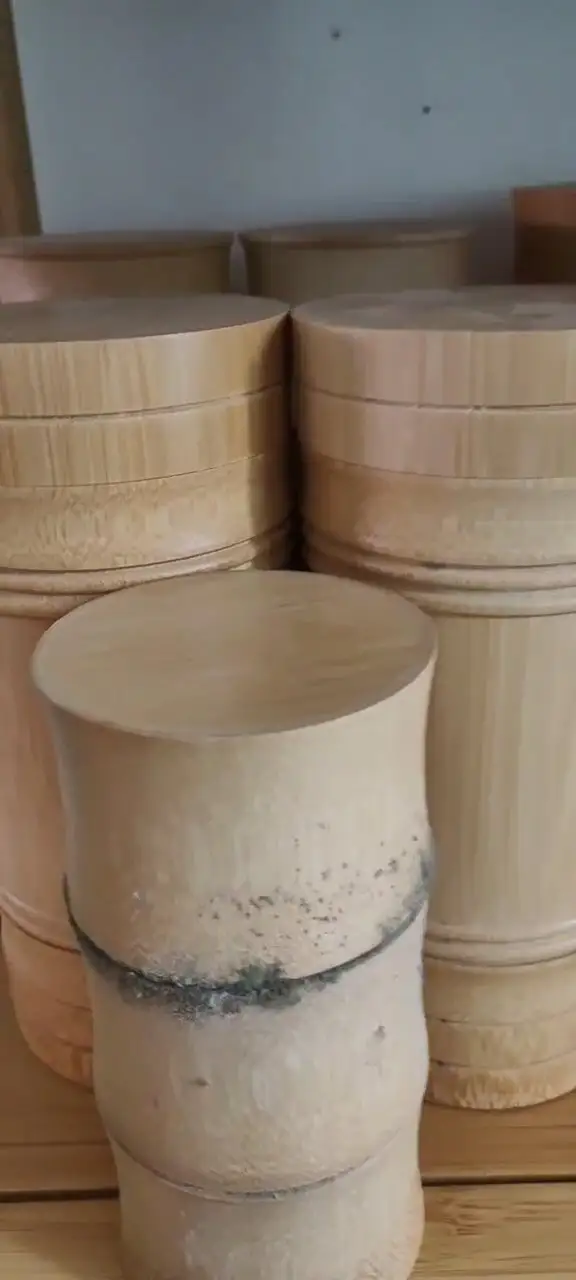
6. Base, rim and wall joint: three spots, three different causes
Where the spots sit tells you what went wrong, which is the most useful thing to know on an inspection bench. A grey-white ring around the inner base is usually incomplete drying: thick section, most water, least airflow. Spots at the cut edge of the rim point to the cut face taking water, which means the cup floated rim-up or was not held down and the bore never filled. A dark hairline along the joint between wall and outer skin is moisture in the joint or the adhesive, an assembly and storage problem that extra fungicide will not cover.
One look-alike gets misread as mould: tannin bleeding out of the bamboo itself. It is yellow-brown, its edge is soft, it does not wipe off and it does not spread. The test is simple. Wipe with a damp cloth: mould lifts colour and leaves a pale mark, tannin does not change. Then look at distribution: mould starts low, in gaps and on the shaded face, while tannin follows the nodes and the grain. Getting this wrong costs either way, downgrading good stock or releasing mouldy stock.
The treatment is a through soak, not a coat on the inner wall. Some shops brush the bore only to save material; the bore is protected while the outer wall and the joint still take water, so the cup moulds from the outside in once it reaches a humid market. Save on the figure, at the lower end of the pickup range, not on the coverage. Thinner stock behaves differently again: see bamboo skewers and bamboo steamers.
7. Questions: can a spotted cup be saved, and can a wipe replace the soak
Can a cup that has already spotted be saved? Look at how deep the spots go first. If they sit on the surface of the inner wall and the colour lifts, re-soaking by either route and drying the cup through will usually recover it. If the spots have gone into the flesh, or come with blackening and softness, the fibre structure is already damaged, so downgrade the piece rather than mixing it into the good batch. Test two cups before committing a whole batch.
Can a damp cloth replace the soak? No. Wiping only removes the surface growth, while the nutrients and the water stay inside the fibre and the mould returns as soon as shop humidity rises; it also adds another dose of water to the bore, which only postpones the problem. The order is: soak the ware through, dry it completely, then store it to the humidity rules. Samples and TDS are available for both products, and a trial against your own bamboo is the safest way to fix the figures.
On the floor it comes down to three moves: make up the liquor at 1:40 (M5) or 1:500 (FT, food-contact grade) and hold the cups under so the bore fills; drain and get them into the dryer the same day, run it until the weight stops falling, then let them cool; bag and store after cooling, and leave the bag mouth open for the first hours so residual vapour has a way out.


