




 View Count:31
 Date:2026-10-16
Why does phone holder mould start at the silicone pad? The body is plastic and the pad is silicone, two materials with different anti-mould routes, so treating one leaves the other to fail. A holder lives in a car or on a desk, where the pad is handled, sweats and gets wet. The body takes iHeir-ECO plastic antimicrobial agent at 0.3%-1.0% of plastic weight during mixing, the pad takes iHeir-GG907 silicone rubber antimicrobial cream at 1.5%-2% during compounding. This article explains how each material is dosed and the storage rules.
1. Why the silicone pad comes first on a phone holder
A phone holder is usually a plastic body plus a few silicone anti-slip pads: the body is hard plastic and does the load-bearing and the clipping, while the pads are soft silicone and do the grip and the shock absorption. The two surfaces behave very differently — plastic is dense and takes up little moisture, whereas silicone is soft and elastic, and pressed against a palm or a desk all day it holds sweat, water and grease, which is exactly where micro-organisms settle.
The way it is used widens the gap. A holder sits in a car or on a desk, baking in the sun by day and turning damp at night, so the pad swings between wet-cold and dry-hot; on a desk it is handled constantly, and the film left on the surface builds up. Open an old holder and the body is often still clean while the pad edge has gone tacky, dark and sour.
The processing routes differ too. The plastic body is injection moulded, so the agent goes into the compound at the mixing stage; the silicone pad is compounded on a mill, so the agent has to be blended in at that stage and squeezed even. Different equipment and different temperatures — one scheme applied to both materials usually leaves one of them short.
2. The plastic body and the silicone pad compared
The table lines up the material, the dosing operation, the figure and the points to watch for each part, as a first draft of the process instruction.
| Part | Material | Where it is dosed | Figure or criterion | Points to watch |
|---|---|---|---|---|
| Holder body | PP or ABS plastic | Into the mix, blended with the granules before moulding | iHeir-ECO at 0.3%-1.0% of plastic weight | Keep the melt below 320 degrees; take the low end for light parts |
| Silicone anti-slip pad | Soft silicone | Blended in during compounding, squeezed even | iHeir-GG907 at 1.5%-2% of silicone weight | Works across pH 5-9; add at the mixing operation and squeeze evenly |
| Assembly and store | Finished holder | Humidity control, packing, away from heat and sun | Relative humidity below 60% | The pad is the handled, sweaty part; keep the store clear of high heat |
Three rows make the split clear: the body runs on an internal additive, guarding the material itself; the pad runs on a compound blended at the mill, guarding a surface that keeps getting wet and handled; and the last row is the assembly and storage that backs both up. Miss one and the problem only shows when the customer opens the carton or after the holder has been in use a while.
3. The plastic body: ECO at 0.3%-1.0% of plastic weight
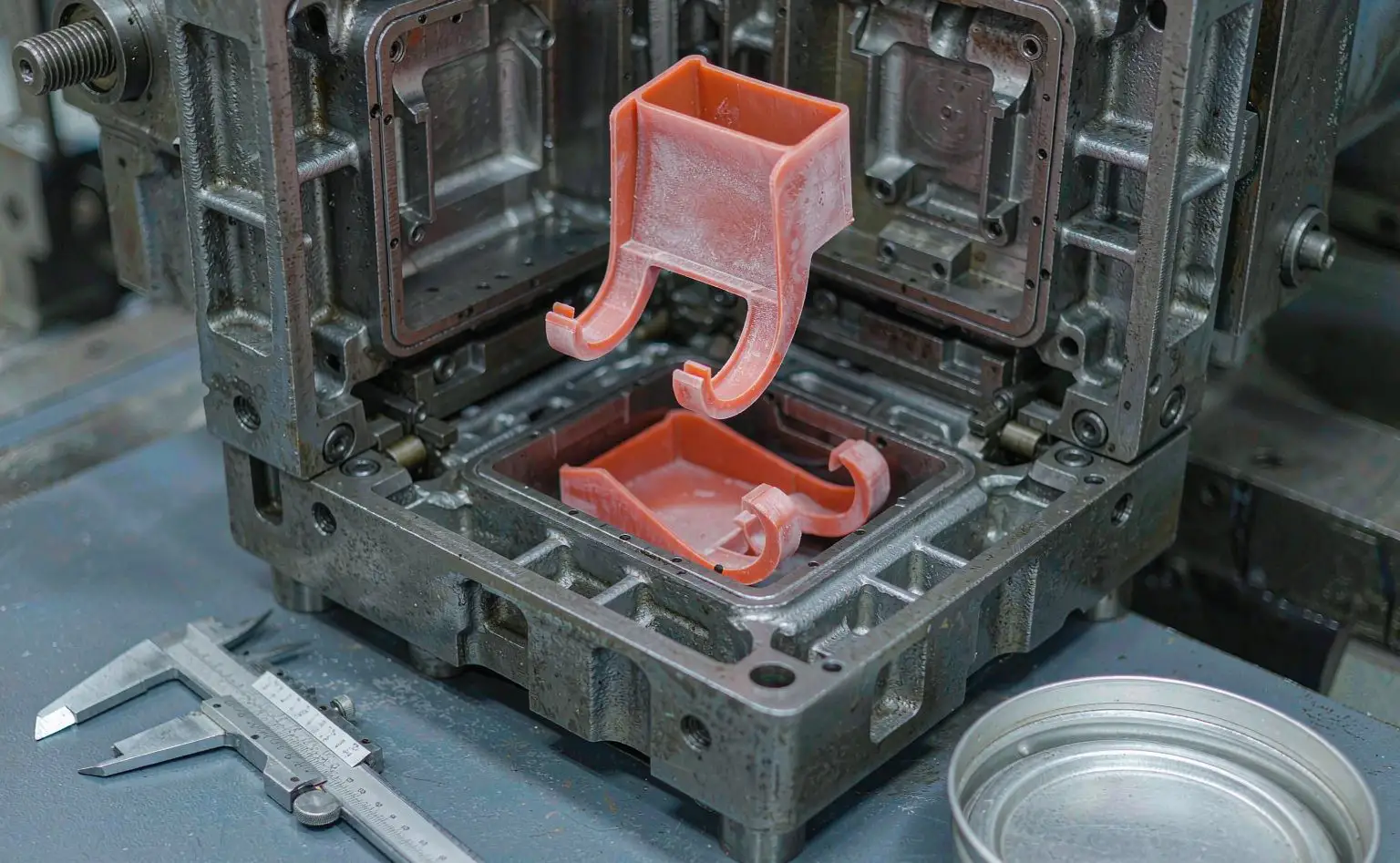
The holder body takes iHeir-ECO plastic antimicrobial agent at 0.3%-1.0%, counted on the weight of the plastic compound rather than the finished part; dark and light parts take the low end, and a part with a tight colour requirement should certainly stay low. It is a grey-white powder of 100% purity, supplied as a masterbatch and added at the plasticising or mixing stage, compatible with ordinary injection moulding and needing no extra equipment.
Its advantage is that the active runs through the whole part rather than sitting on the surface, so the body keeps its protection after being scratched and after repeated assembly; a small holder with deep clips and hidden faces can only be covered from the inside. Watch the processing temperature: thermal stability reaches 240 degrees and the melt should stay below 320 degrees, so that an excessive temperature does not drive the active off. Selection for transparent and engineering plastics is set out for antimicrobial selection for engineering plastics and transparent parts.
4. The silicone pad: GG907 blended at 1.5%-2% during compounding
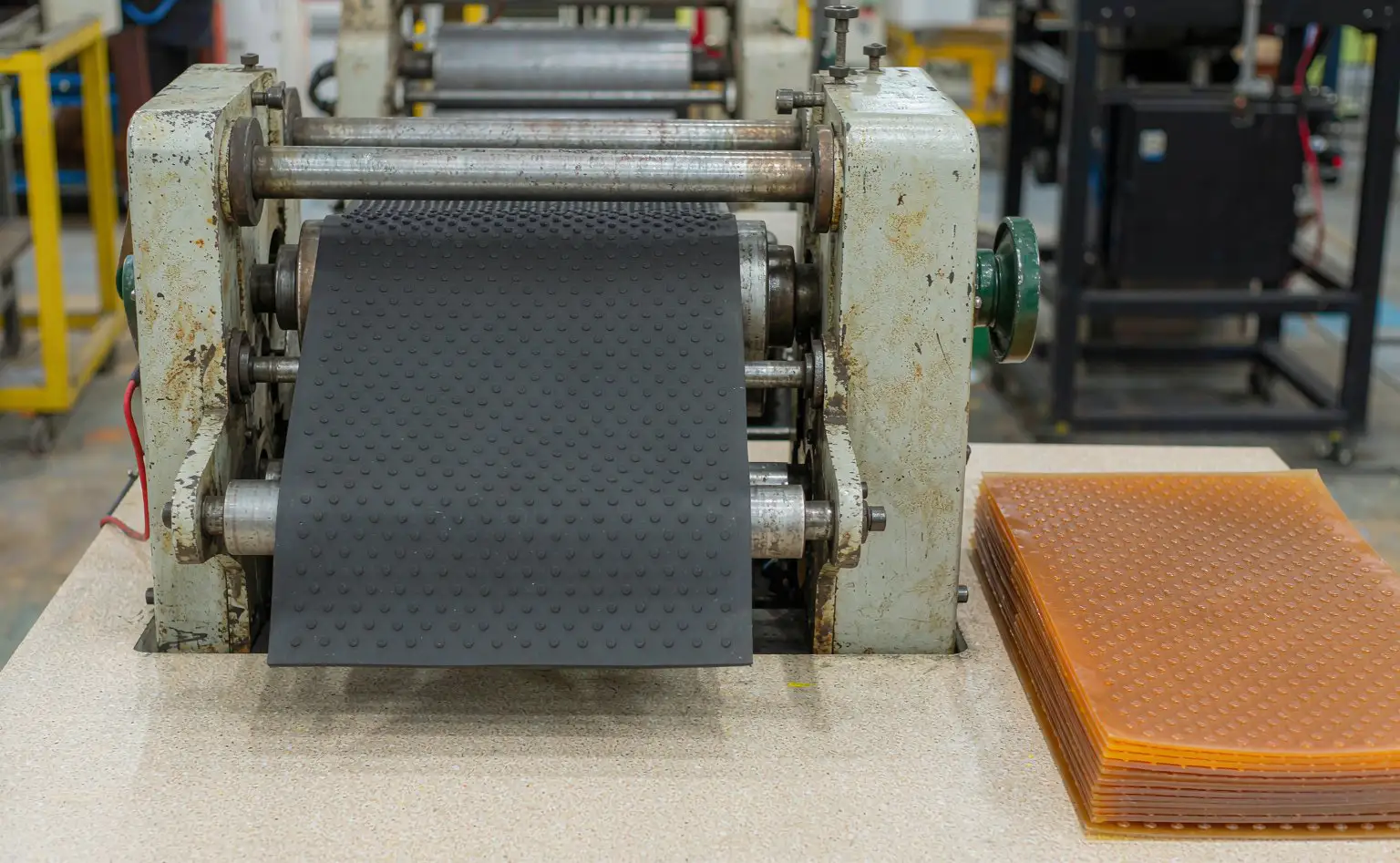
The silicone pad switches to iHeir-GG907 silicone rubber antimicrobial cream at 1.5%-2%, counted on the weight of the silicone compound. It is a white paste carrying 50% active matter, with a slow-release agent and a light stabiliser, and it resists washing without leaching away; it works across a wide pH range, 5 to 9, is blended into the silicone at the compounding stage and squeezed even, and is compatible with silicone adhesives.
Adding it at the mill rather than treating the finished pad follows the same logic as the plastic part: a pad the hand touches every day will not keep a surface treatment, which comes off with every wipe and wash, so the only durable route is to blend the agent into the rubber and let it distribute through the whole pad as it forms. Take the 1.5%-2% range, higher for damp service conditions or demanding performance and the low end for ordinary lots, with the exact figure settled by trial. On toxicity, acute oral LD50 is above 1500 mg/kg and dermal LD50 above 2000 mg/kg, so the material classifies as low toxicity.
5. Assembly, bonding and storage
Once both materials are dosed, a few assembly steps can still waste the work. Control the amount of adhesive used to bond the silicone pad and give it time to cure, because a pad boxed while the glue is still wet carries moisture on its back; the gap between the body and the pad is a dead pocket that holds water, so it is worth blowing the assembly clean of dust and swarf before packing.
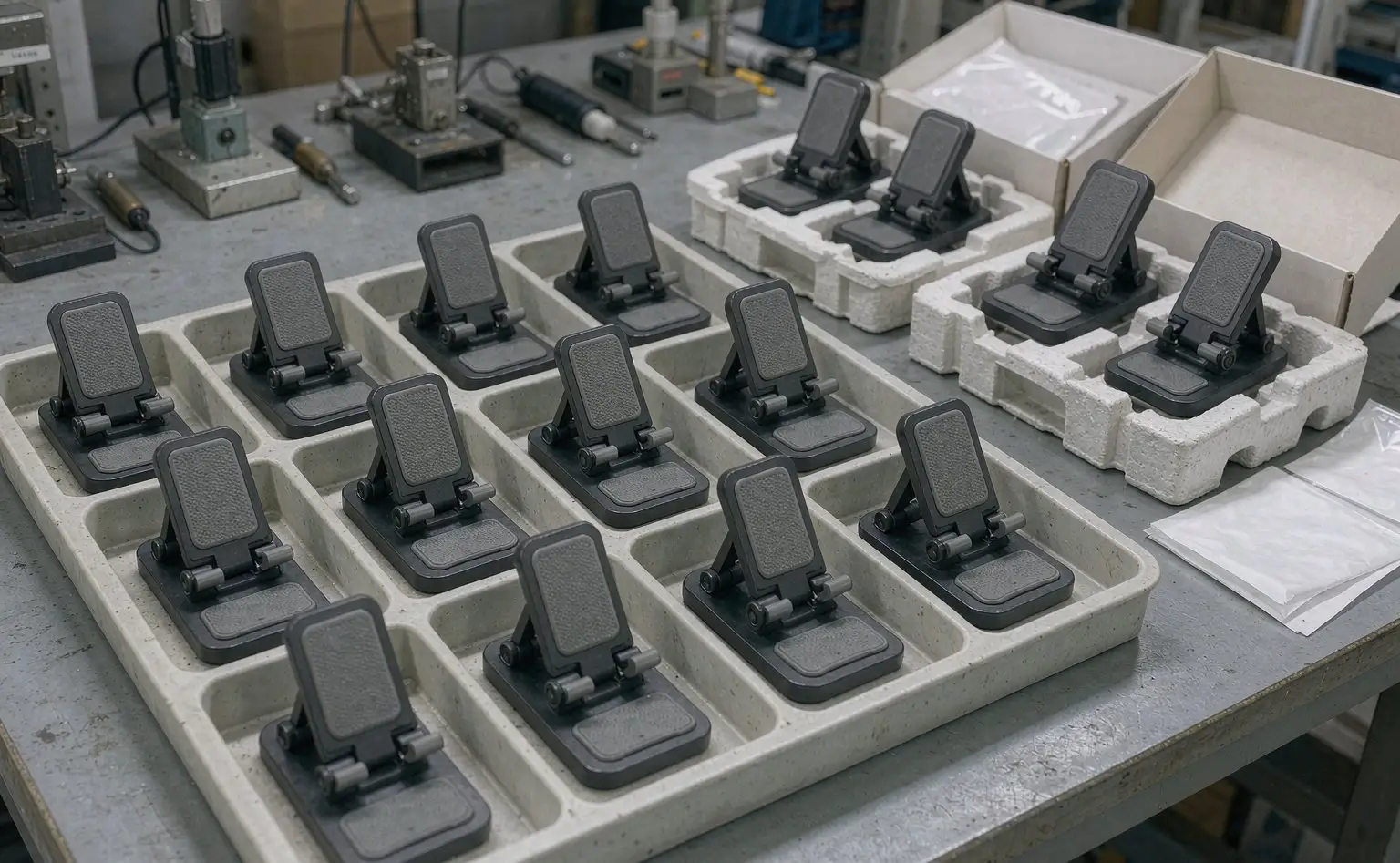
Storage runs on three rules: hold the store below 60% relative humidity; pack the finished goods in small closed cartons rather than leaving them open in a pile, since the smaller the air space the slower the pickup; and keep silicone parts away from heat and sun, since they are heat sensitive, storing below 25 degrees and in a cool, dry place. Storage and export handling for plastic parts follow the practice set out for plastic products anti-mould and antibacterial solutions.
6. Questions: body only, and whether a final spray works
If only the plastic body is treated and the silicone pad is left, will it do? Not advisable. The pad is where the spots show up most, because it is handled, sweats and stays damp; the body can be done perfectly and one blackened pad will still get the whole lot rejected. Two materials, two processing stages, and neither one alone finishes the job.
Can a spray on the finished holder replace internal dosing? No. A spray stays on the surface and misses the soft face of the silicone and the deep clips of the plastic, and handling, wiping and washing take it off quickly. Internal dosing puts the protection into the material, so a scratched cross-section is protected too. Samples and TDS are available for both products.
Two points carry the work. The body takes iHeir-ECO plastic antimicrobial agent at 0.3%-1.0% of plastic weight, blended before moulding. The silicone pad takes iHeir-GG907 silicone rubber antimicrobial cream at 1.5%-2% of silicone weight, blended in during compounding and squeezed even. Clean the gap after assembly, let the adhesive cure before boxing, and hold the store below 60% relative humidity, so the work done on both materials stays in the goods.


