




 View Count:40
 Date:2026-10-12
How should dashboard mould be dealt with on a car? Not by wiping the skin. A dashboard is a three-layer build, a PVC skin over a foam layer over a carrier, and the trouble usually starts in the foam underneath. Dose iHeir-ECO plastic antimicrobial agent at 0.5%-1.0% on material weight for the PVC skin, and iHeir-FP foam antimicrobial agent at 0.5%-1.5% on total foam weight for the foam layer. This article covers the selection and figures for both layers and the humidity control at assembly and vehicle storage.
1. Where the trouble starts: the layer that holds moisture
A dashboard is a composite: a PVC skin on the outside, a polyurethane foam layer in the middle, and a carrier with inserts inside. The three are different materials made by different processes, so the damp takes two paths, the skin raising appearance questions and the foam layer holding moisture inside.
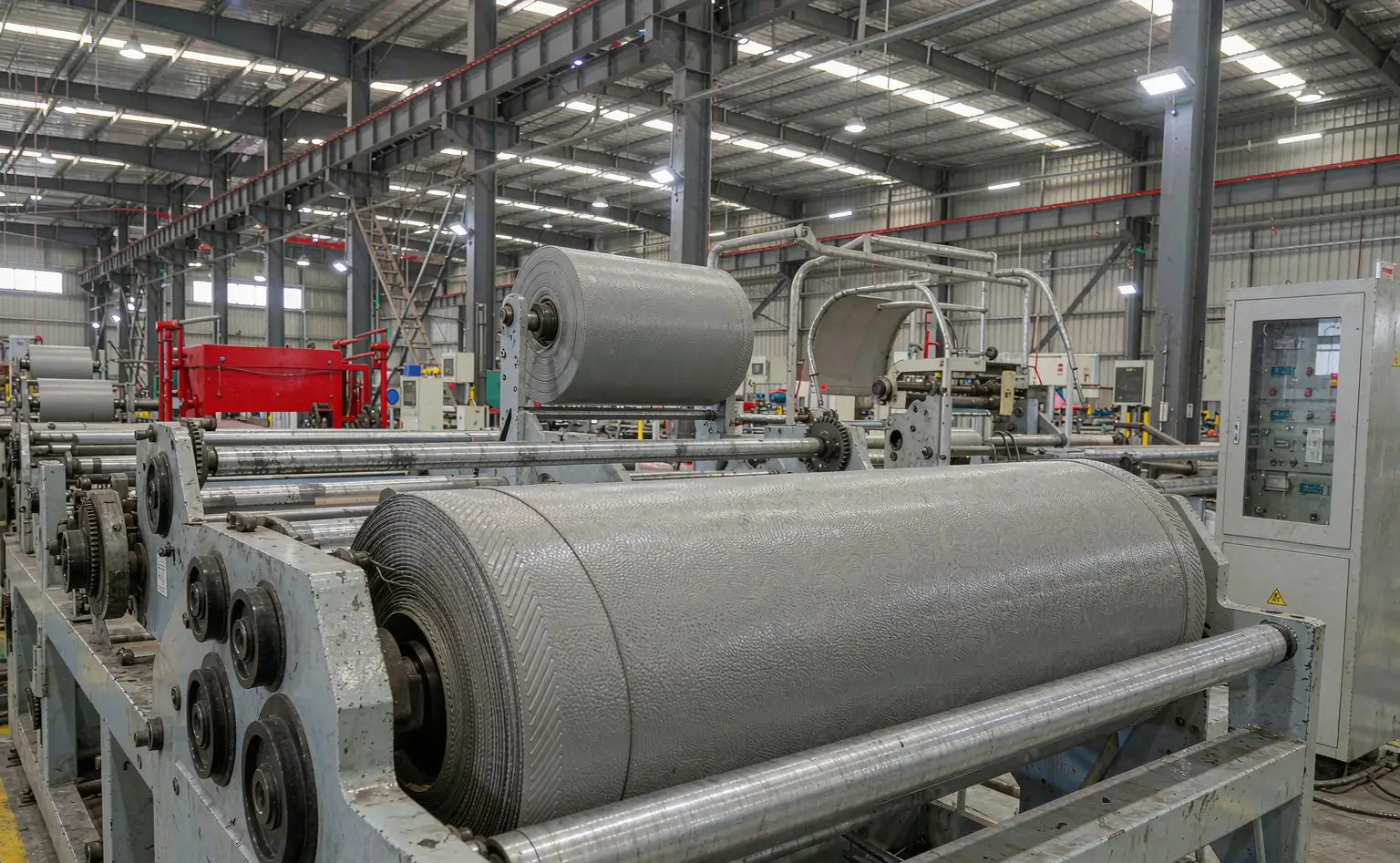
The skin line: PVC sheet is grained, vacuum formed and then bonded onto the foam part, and the surface is sensitive to staining and tackiness. The skin itself is dense and water does not easily enter, but the interface between skin and foam is a weak point, and once water sits there the mould starts from that interface. The foam line: polyurethane foam is porous with a large specific surface area and is the layer in a dashboard that takes up water most readily, so a part stacked before it has fully cured holds its water and residual volatiles inside, which is the best possible bed for mould.
Treating the skin alone therefore covers only the appearance layer and leaves the moisture-holding foam untouched. Both layers need work, and they take two different grades.
2. PVC skin and foam layer at a glance
The table lines up the layer, the material, the product, the figure and the points to watch, so it can serve as the first draft of a process card.
| Layer | Material | Product | Figure | Points to watch |
|---|---|---|---|---|
| PVC skin | PVC sheet / flexible PVC | iHeir-ECO plastic antimicrobial agent | 0.5%-1.0% on material weight | Feed with masterbatch or premix at extrusion or calendering; heat stable to 240℃, stay clear of 320℃ |
| Foam layer | Polyurethane foam | iHeir-FP foam antimicrobial agent | 0.5%-1.5% on total foam weight | Clear liquid, stable across pH 1-11; added and stirred into the liquid stage, 25kg pack |
| Carrier and inserts | Metal / plastic carrier | None, humidity control | Below 60% relative humidity | De-grease assembly faces; the carrier does not take up water, so the assembly environment matters |
| Vehicle storage and export packing | Cabin air and container air | None, humidity control | Below 60% relative humidity | Control the vehicle store; match desiccants to the container type for export |
One conclusion from the four rows: two rows are the dosing points, one on a plastic antimicrobial agent and one on a foam antimicrobial agent, each calculated on its own material weight, while the last two dose nothing and rest on the assembly environment and store humidity. Miss one of the two layers and the spending on the other is cancelled out.
3. PVC skin: ECO at extrusion and calendering
The PVC skin takes iHeir-ECO plastic antimicrobial agent at 0.5%-1.0% on material weight, fed with the masterbatch or premix at extrusion or calendering. ECO bonds with the resin and spreads through the sheet, so graining, vacuum forming and bonding do not remove it; it is heat stable to 240℃, processing should stay below 320℃, and the melting range is 56-58℃, so a change of regrind ratio means recalculating.
Three details. First, the skin is thin, so the compound has to be premixed and evenly dispersed, since dry charging leaves colour specks on the sheet and pale skins show them first. Second, pale or clear skins need a non-yellowing inorganic grade, and the dark-part ratio does not carry over. Third, leave no water at the skin-to-foam interface: clean and dry the sheet before bonding, because interface water is where the mould begins.
4. Foam layer: FP on total foam weight
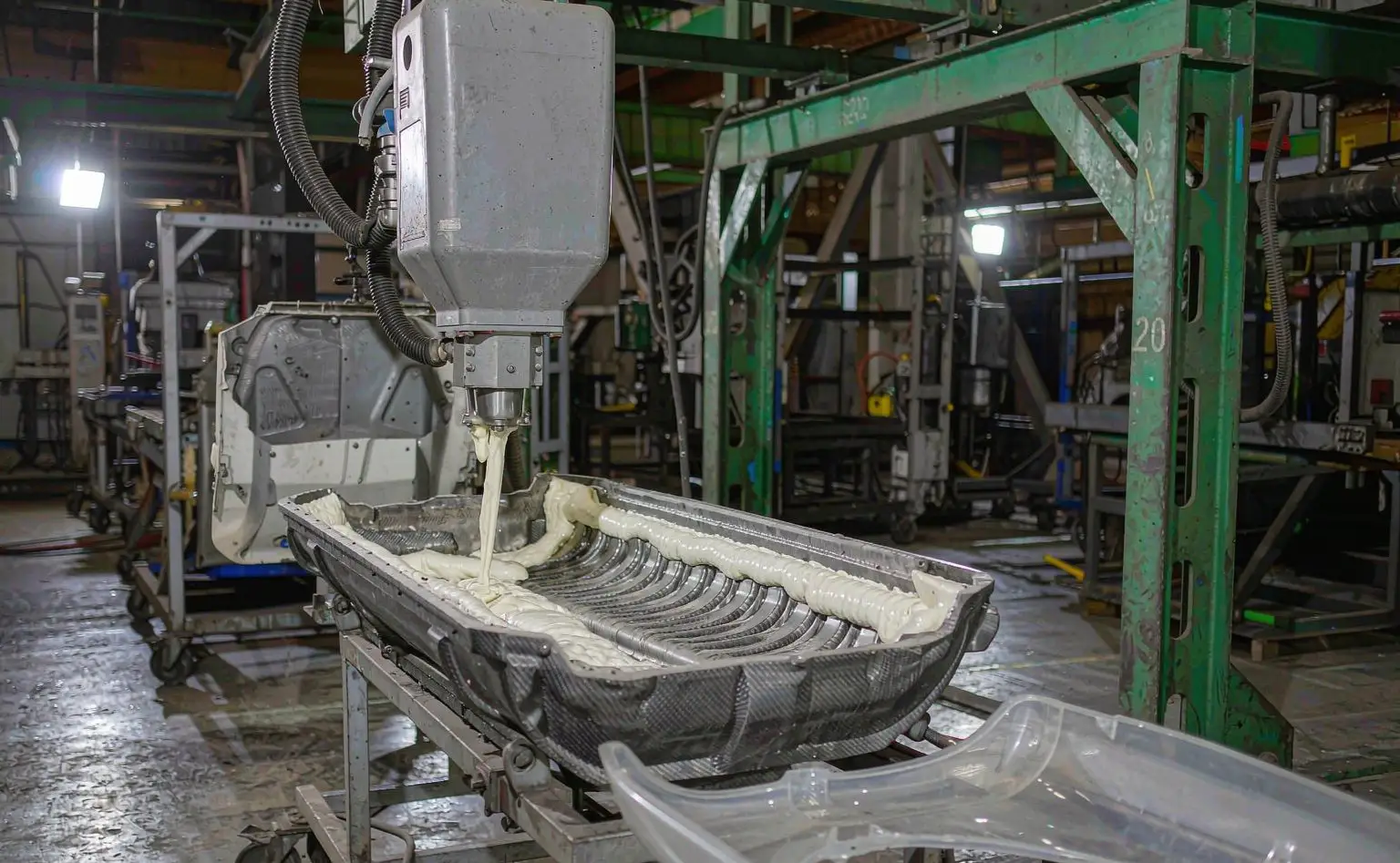
The foam layer takes iHeir-FP foam antimicrobial agent at 0.5%-1.5% on total foam weight. FP is a clear liquid with good stability across pH 1-11 and stability to light and heat, added and stirred into the liquid stage; the loading is small and the activity high, with a peak antimicrobial rate reaching 99.99%, a skin irritation score of zero and a sensitisation rate of zero, shipped in 25kg packs.
Three details. First, the figure is on total foam weight rather than finished part weight, so a change to the pour formulation means recalculating. Second, FP has to be stirred evenly through the other components, because uneven concentration brings uneven cure and shows up in both feel and appearance. Third, allow enough cure time before stacking, and do not press uncured parts together, because trapped water and residue inside the part cannot be recovered afterwards.
5. Assembly and vehicle storage: two jobs, humidity and cleaning
Assembly and storage dose nothing and rest on the environment. Hold the assembly line below 60% relative humidity and clean benches and totes on a schedule. Once a dashboard is fitted to the body the cabin becomes a sealed pocket, and a day-to-night swing condenses on the inner faces first, so the vehicle store needs humidity control too, and freshly built vehicles should not be parked in the open or against a cold wall.
Export adds another layer: a container swings far more than a warehouse, condensate runs down the container wall, and the first to get wet are the vehicles and parts stacked against it. Match desiccants to the container type to hold the container air and wall condensate. For batches that have already gone mouldy, the order of rework is set out in mould treatment for car interiors.

6. Questions that come up: skin only, and choosing for the foam
Can the PVC skin be treated on its own? No. The skin is dense and does not take up water, while the foam beneath it is the layer that holds moisture; with the skin alone, water at the interface still brings mould from the inside, where it cannot be seen.
What decides the foam grade? The system pH and compatibility. Foam systems vary widely, so choose a grade that is stable across a broad pH range and stirs evenly into the liquid stage, with the figure on total foam weight; run a small sample to check foam ratio and feel before a large batch.
With the compound in, is humidity control still needed? Yes. The compound covers the material itself, while the assembly environment and the vehicle store are outside its reach, and both cabin condensate and container condensate are handled by humidity control and desiccants.
Two dosing points carry the work: the PVC skin takes iHeir-ECO plastic antimicrobial agent at 0.5%-1.0% on material weight at extrusion or calendering, and the foam layer takes iHeir-FP foam antimicrobial agent at 0.5%-1.5% on total foam weight, stable across pH 1-11, stirred into the liquid stage; assembly and vehicle storage hold the result through humidity control and cleaning. Samples and TDS sheets are available to run a trial against your material system and processes.


