




 View Count:40
 Date:2026-10-12
How should smart watch mould be dealt with, and where does the agent actually go? Both the silicone strap and the case need treatment, and they take different grades. Dose iHeir-GG907 silicone rubber antimicrobial cream at 1.5%-2% on rubber weight for the strap, usable across pH 5-9, and iHeir-ECO plastic antimicrobial agent at 0.3%-1.0% on part weight for the case and bezel, two moulds and two processes whose figures never transfer. This article covers the selection and figures for both parts and the humidity control at assembly and packing.
1. Where the trouble starts: the strap and the case
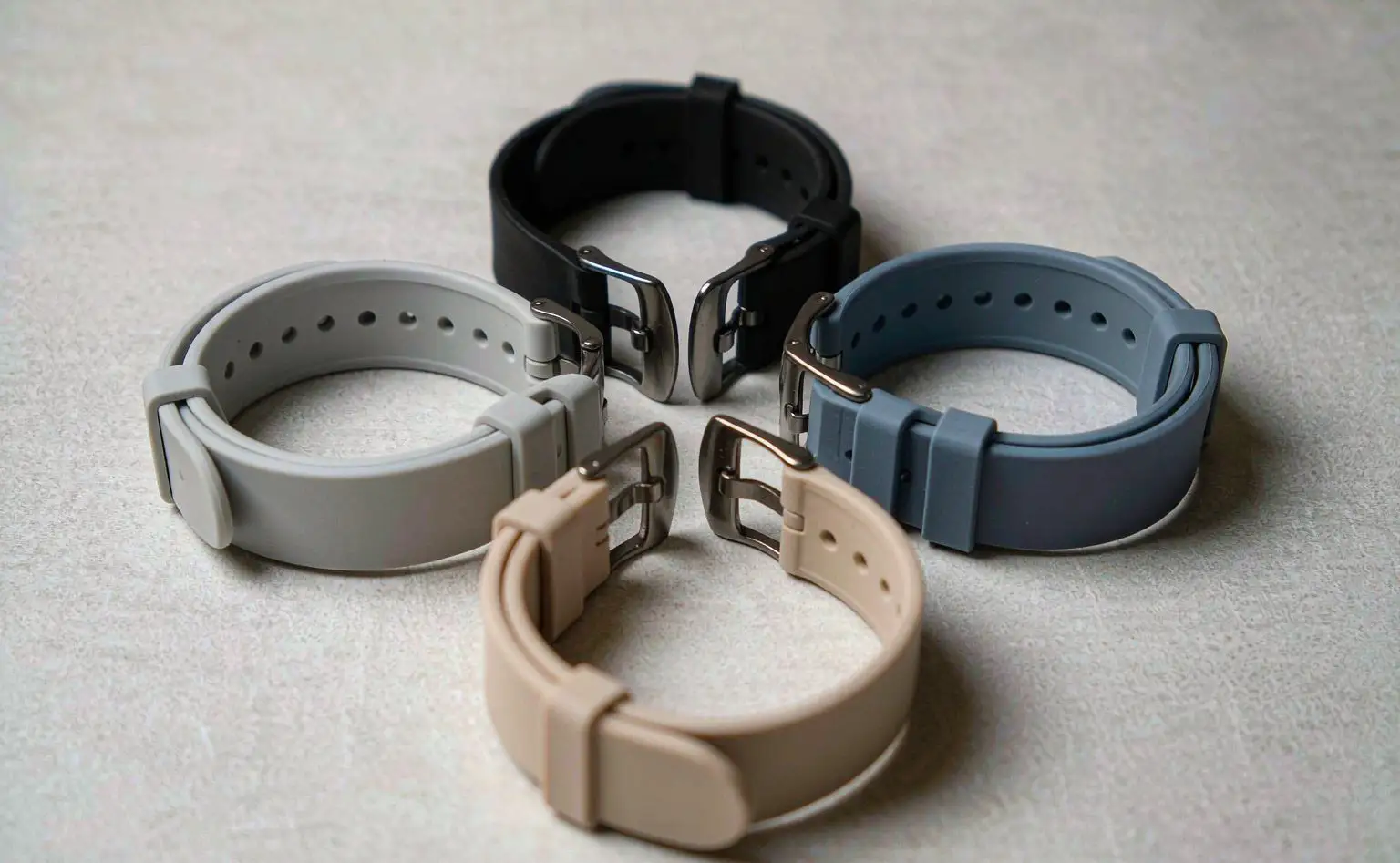
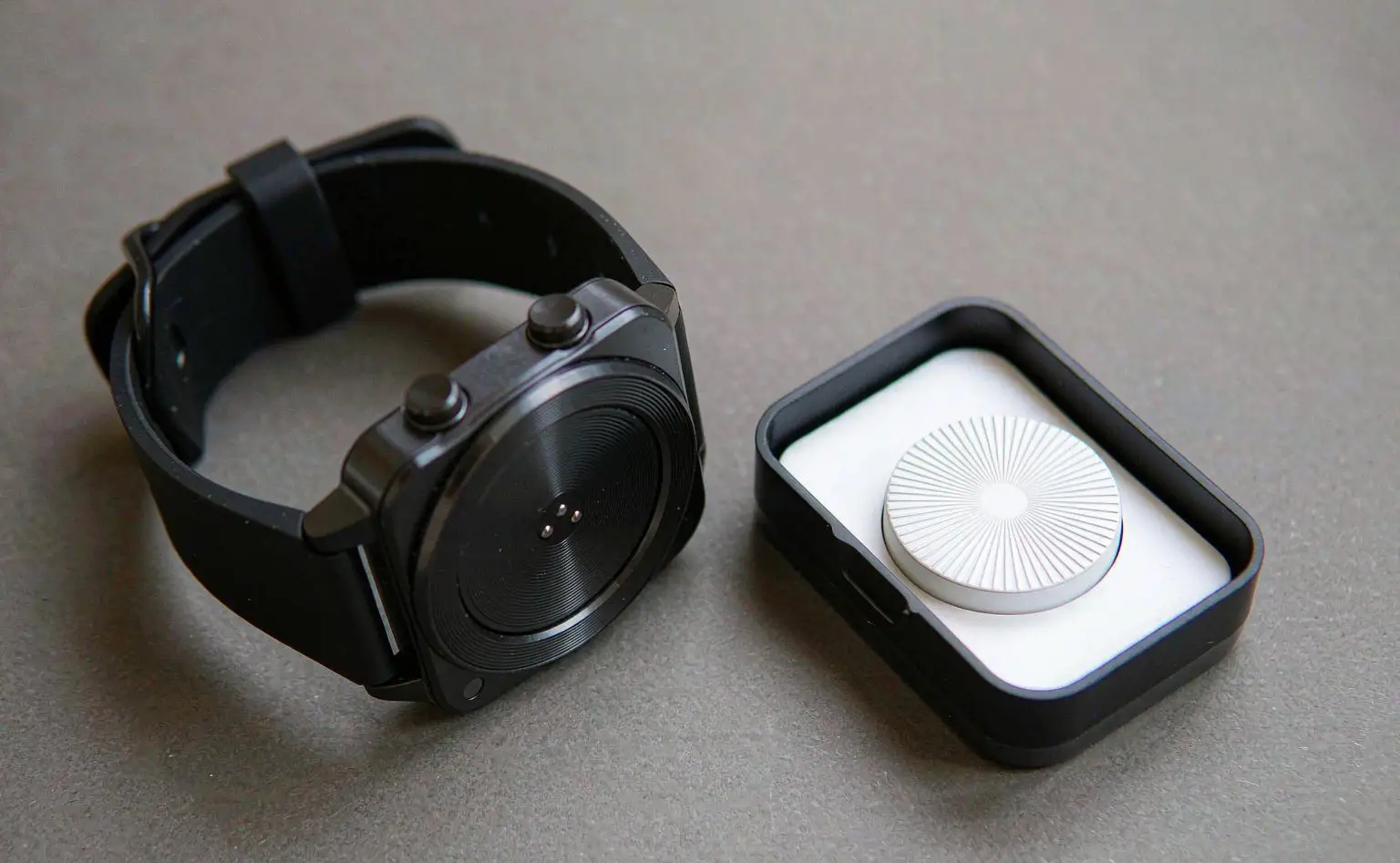
A smart watch comes down to two groups of parts: the silicone strap, and the case with its bezel, back cover and buttons. The two are moulded by completely different processes and the damp follows different paths, so running one grade at one ratio across both usually leaves both short.
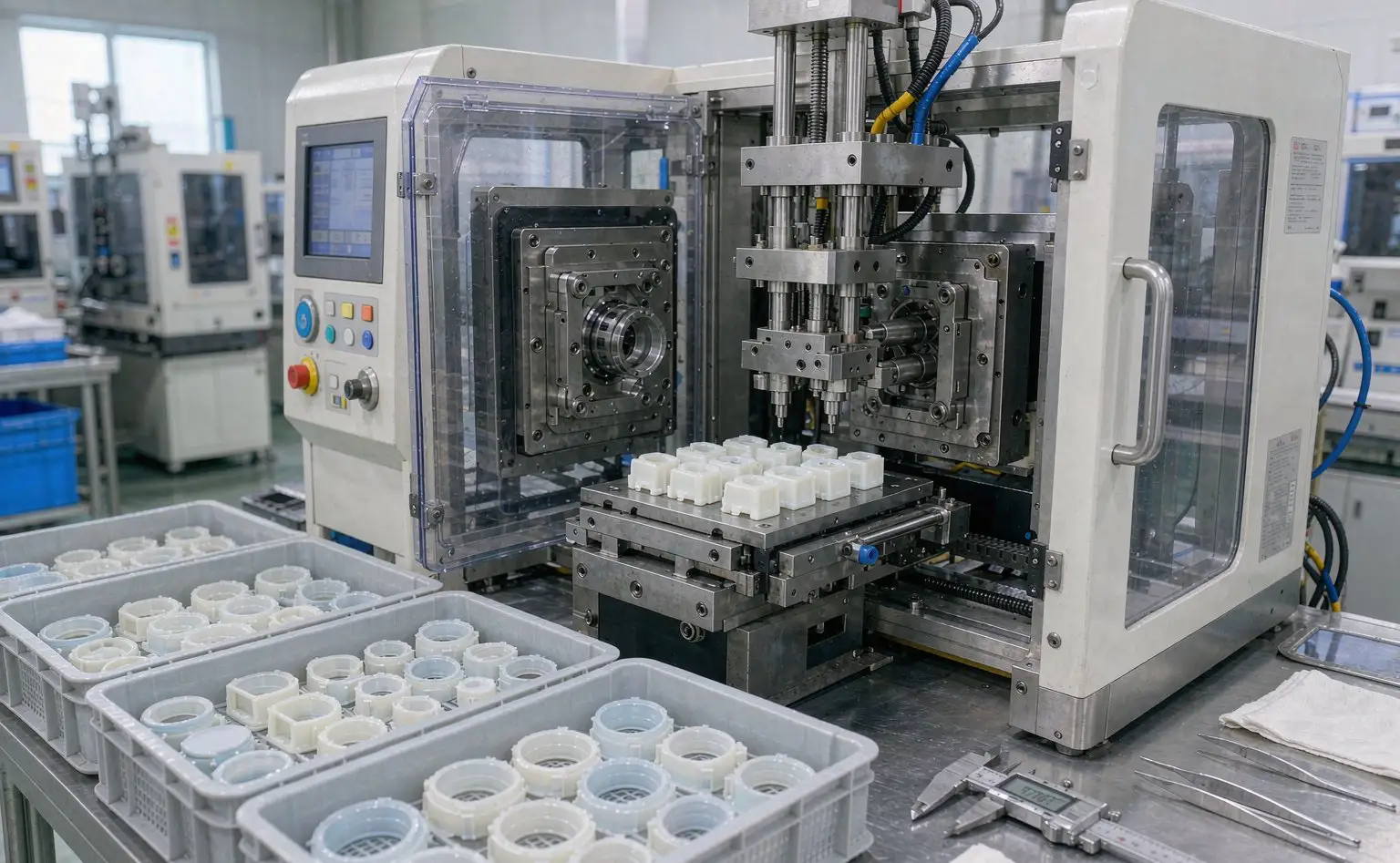
The strap line: once moulded, silicone keeps a soft, oil-loving surface, and worn against the skin it collects perspiration and skin oil in the surface and in the buckle recesses, which makes it the first place to trouble. The case line: ABS, PC and PC/ABS parts are thin-walled and appearance-critical, injection parts stack and press on each other in crates, resin that was not dried carries water, mould release stays on the surface, and a part left in a closed tote before assembly spots up.
One point is easily missed: both parts go on the same watch, so a strap problem is read as a case problem and the rework covers the whole unit. The two have to be handled together rather than one at a time.
2. Strap and case at a glance
The table lines up the part, the material, the product, the figure and the points to watch, so it can serve as the first draft of a process card.
| Part | Material | Product | Figure | Points to watch |
|---|---|---|---|---|
| Silicone strap | Silicone rubber | iHeir-GG907 silicone rubber antimicrobial cream | 1.5%-2% on rubber weight | Usable across pH 5-9; white cream, 50% active; added at the compounding stage, 25kg fibre drum |
| Case, bezel, back cover | ABS / PC / PC+ABS | iHeir-ECO plastic antimicrobial agent | 0.3%-1.0% on part weight; 0.3%-0.5% for PE/PP | Feed with masterbatch or premix; heat stable to 240℃, stay clear of 320℃ |
| Assembly seams and buckle recesses | Assembly faces | None, humidity control | Below 60% relative humidity | Clean benches and totes on a schedule; blow dust out of the recesses first |
| Finished packing | Liner and cards | None, humidity control | Below 60% relative humidity | Check liner moisture before cartoning; match desiccants to the box |
One conclusion from the four rows: the first two split by material, one for silicone and one for plastic, with different figures and different feed points, while the last two dose nothing and hold the result through humidity control and cleaning. Lose one step and the antimicrobial performance of the whole unit drops.
3. Silicone strap: GG907 at the compounding stage
The silicone strap takes iHeir-GG907 silicone rubber antimicrobial cream at 1.5%-2% on rubber weight. GG907 is a white cream with 50% active content and works across a wide pH range, usable from pH 5 to 9; it compounds well with silicone, and once added at the compounding stage it is distributed through the whole strap, so perspiration, skin oil and routine cleaning do not remove it. It is also compatible with silicone adhesives and is non-flammable, which keeps handling and transport simple.
Three details. First, the figure is on rubber weight, so different hardness and formulations have to be calculated on their own rubber weight rather than back-calculated from the finished part. Second, compounding has to be even, because charging the cream straight in can leave it clustered in thick sections, so premixing with the first part of the batch is the safer route. Third, check appearance and feel on a moulded part to confirm no tackiness and no bloom before running a large batch.
4. Case and bezel: ECO on part weight
The case, bezel and back cover take iHeir-ECO plastic antimicrobial agent at 0.3%-1.0% on total part weight, with general PE and PP at 0.3%-0.5%. ECO bonds with the resin and spreads through the whole part, so wiping and washing do not strip it; it is heat stable to 240℃, processing should stay below 320℃, and the melting range is 56-58℃, so handling and storage follow the datasheet.
Three details. First, the figure is on total part weight with regrind included, so a change of regrind ratio means recalculating. Second, case parts are thin-walled and cycle fast, so the compound has to be premixed and evenly dispersed, since dry charging leaves colour specks on small parts. Third, pale or clear cases need a non-yellowing inorganic grade, and the dark-part ratio does not carry over to a pale part.
5. Assembly and packing: two jobs, humidity and cleaning
Assembly and packing dose nothing and rest on shop and store humidity control. Hold the assembly line below 60% relative humidity, clean benches and totes on a schedule so dust does not carry spores, and blow the buckle recesses and case seams clear before assembly, because dust and grease there give mould and bacteria a foothold. Check liner moisture before cartoning, and do not bag a warm moulding, since a temperature difference condenses inside the bag first.
Export lots then take desiccants matched to the container type, since a sea voyage is long and container condensate is harder to control than a warehouse. For parts that have already spotted, decide first whether the spores came in with the material or grew from a damp environment before choosing rework or downgrading; silicone and plastic parts take different routes, and the logic is set out in silicone and rubber antimicrobial grade selection.
6. Questions that come up: one grade for both, and choosing for the strap
Can the strap and the case share one grade? No. The strap is silicone and needs a silicone-specific grade, while the case is plastic and needs a plastic antimicrobial agent; the feed point, the figure and the compatibility all differ, so neither transfers.
What decides the strap grade? The usable pH range and compatibility. The strap is compounded with the rubber, so choose a grade that compounds well with silicone and works across a wide pH range without turning tacky or blooming, and run a small sample for appearance and feel before a large batch.
Once spots appear, can wiping the surface be enough? Establish the source first. Surface damp can be cleaned, dried and then held back with humidity control, while a batch whose material carries spores or whose regrind ratio ran high spots again after wiping and has to go back to the compounding or mixing stage for a fresh charge of antimicrobial agent.
Two dosing points carry the work: the silicone strap takes iHeir-GG907 silicone rubber antimicrobial cream at 1.5%-2% on rubber weight at the compounding stage, usable across pH 5-9, and the case and bezel take iHeir-ECO plastic antimicrobial agent at 0.3%-1.0% on part weight at the mixing and plasticising stage, with assembly and packing held by humidity control and cleaning. Samples and TDS sheets are available to run a trial against your materials and processes.


