




 View Count:34
 Date:2026-10-13
Door trim panel mould is a two-layer job. The panel is a composite: a moulded plastic substrate inside and a laminated or coated skin outside, and because the two carry the additive in different places the anti-mould work is split between them. The substrate takes iHeir-ECO plastic antimicrobial agent at 0.3%-1.0% on part weight, with PP in the 0.3%-0.5% band, while the skin and coating take iHeir-JS117 plastic anti-mildew powder at 0.5%-1.0% on final product weight. This article covers how each layer is treated, how the figures are set, and what matters at a point as temperature-swinging as a car door.
1. Why door trim panels go mouldy: two layers and a wide temperature swing
The car door is the point where the temperature difference is widest, inside and out. Sun on the outside, air conditioning inside, and the air in the door cavity condenses again and again, leaving dew on the back of the panel and between the layers. The panel itself is a composite: a moulded plastic substrate, a skin laminated over it, and a glue line and a foam transition layer between them. Once moisture reaches that sandwich it can neither escape nor be reached.
The damage runs along two paths. The substrate is a plastic part, so mould settles where surface organic matter and moisture meet, and a substrate held damp will bloom and spot. The skin is a laminate or coating, so mould starts first at a damaged area of the coating and in the grain of the skin, and once it is in the grain, wiping only takes the surface growth off. When both layers go, the panel has failed.
So the work is split by layer: the substrate takes the additive in the moulding stage, into the material, and the skin and coating take the anti-mould component in the formulation stage, into the system. The two use different products and different dosing bases, and one cannot be converted into the other.
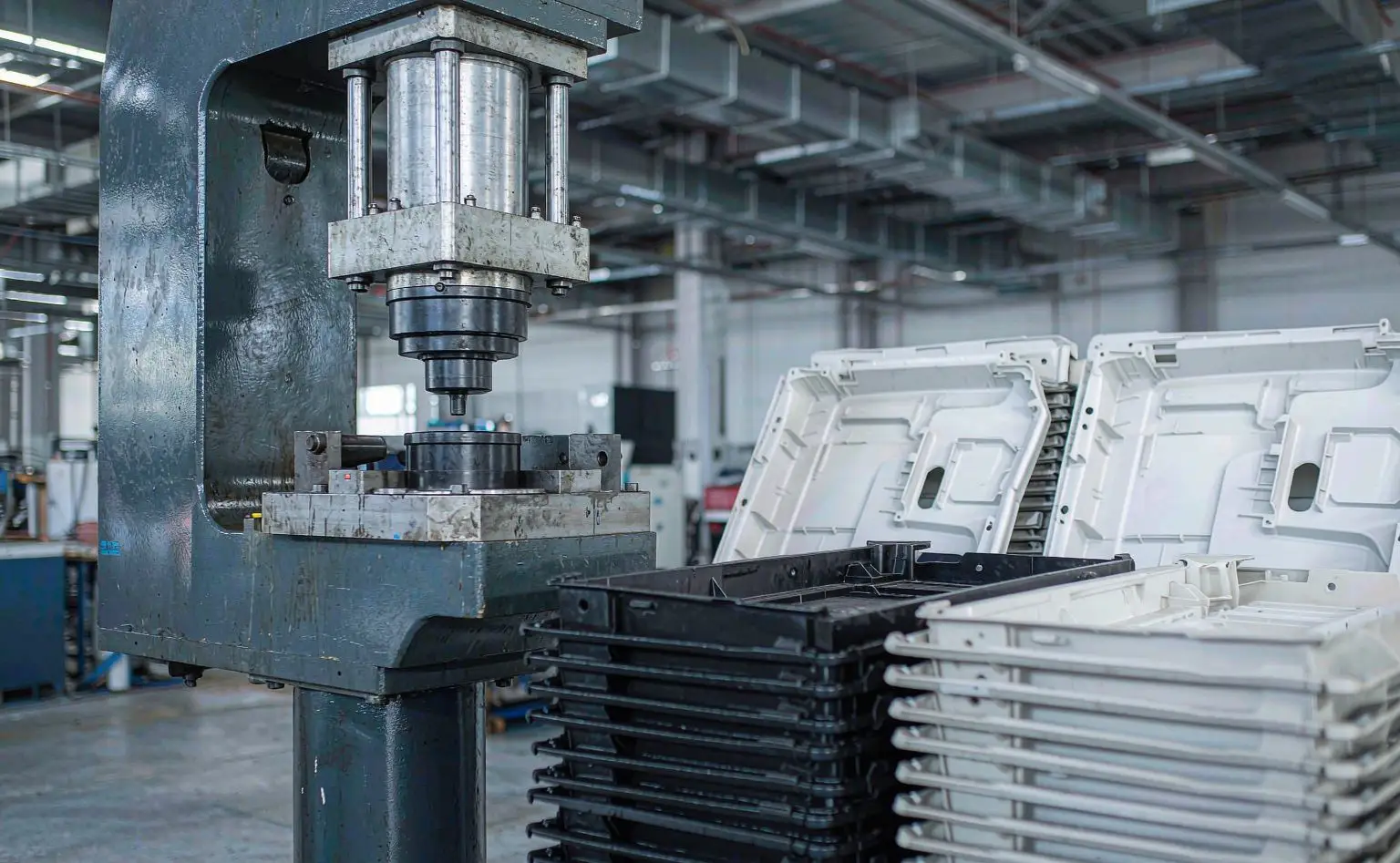
2. The substrate and skin routes side by side
The table lines up the layer, the material, the recommended product, the dosing basis and the points to watch, so it can serve as a process-card draft against the operations on hand.
| Layer | Material | Product | Dosing basis | Points to watch |
|---|---|---|---|---|
| Moulded substrate | PP/ABS | iHeir-ECO plastic antimicrobial agent | 0.3%-1.0% on part weight | PP in the 0.3%-0.5% band; heat stable to 240℃ with processing kept below 320℃; sample first on pale or translucent parts |
| Skin and coating | PVC/PU | iHeir-JS117 plastic anti-mildew powder | 0.5%-1.0% on final product weight | Over 97% active, heat resistant to 280℃, non-yellowing; disperse the powder evenly and keep the pack sealed against damp |
| Metal frame and clips | Metal/standard parts | No agent | Humidity control in assembly and storage | Metal takes up no moisture, so the weight falls on the assembly environment and the store |
Three rows make the division clear: two dosing routes, one on the masterbatch side and one on the powder side, with one basis on part weight and the other on final product weight, and a metal row carried by humidity control. Miss one layer and the input to the other is cancelled out.
3. Substrate: ECO on the masterbatch route, on part weight
The moulded substrate takes iHeir-ECO plastic antimicrobial agent at 0.3%-1.0% on total part weight, stepping by polymer: polyolefins such as PP and LDPE/HDPE at 0.3%-0.5%, PU together with PMMA and unsaturated polyester at 0.3%-1.0%, TPU at 0.3%-0.5%, PVC at 0.5%-1.0%, with ABS sampled before it is fixed. ECO comes in masterbatch form and can be blended straight with resin pellets or pre-made into masterbatch before the barrel.
Three details. First, the figure is counted on total part weight, and door panels vary a lot in size, so a new mould means the figure is worked out again. Second, the part passes through plastification and moulding, so a hot barrel or a long residence time costs activity first; ECO is heat stable to 240℃ with processing kept below 320℃. Third, a door panel is usually an appearance part with colour and grain requirements, so the masterbatch route needs a sample run for colour and haze before anything is moulded in production.
4. Skin and coating: JS117 powder on final product weight
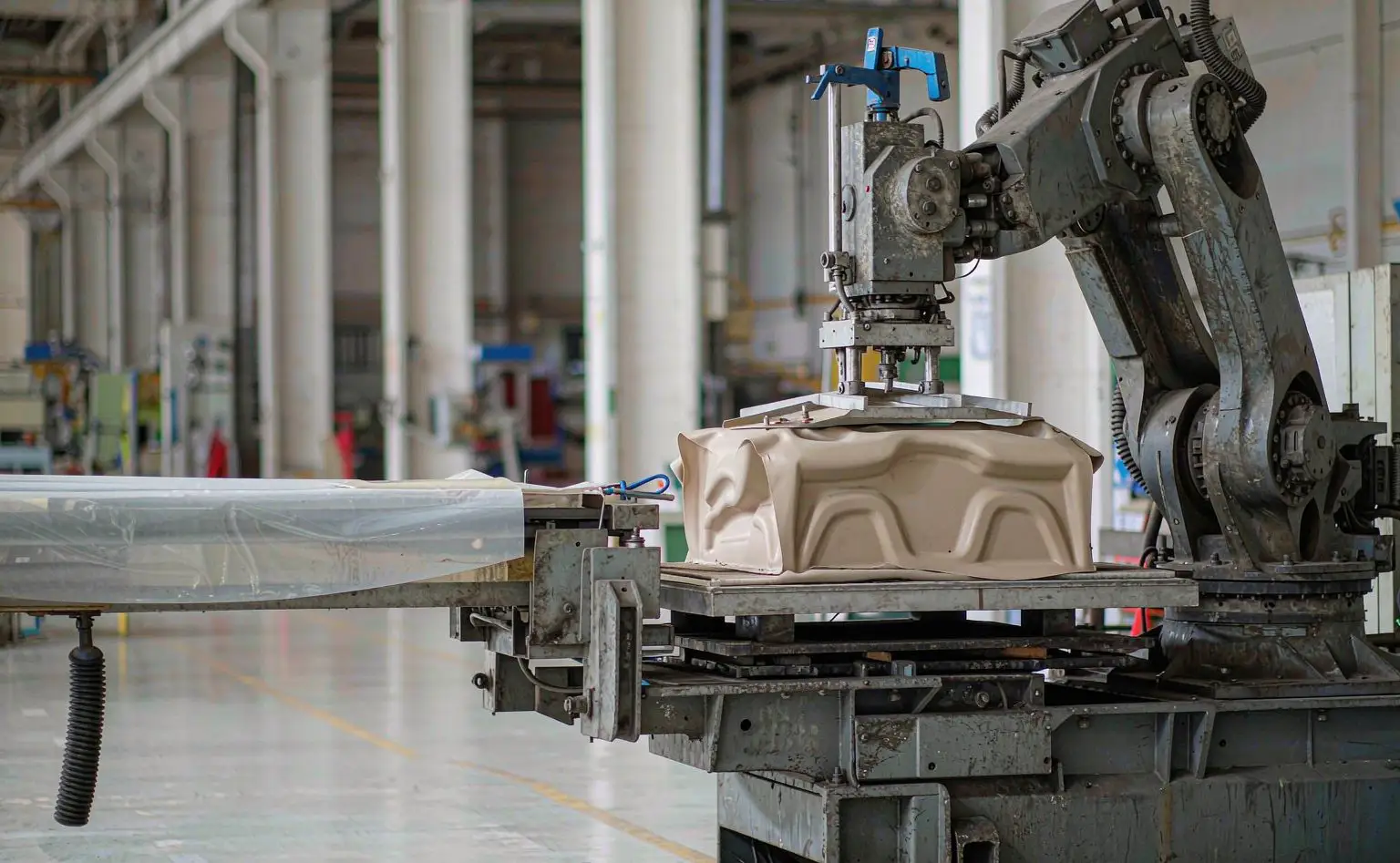
The skin and coating take iHeir-JS117 plastic anti-mildew powder at 0.5%-1.0% on final product weight. JS117 uses a nitrogen-heterocyclic phenol-alcohol compound as its active ingredient, with over 97% active content; it is a white to pale yellow powder with a specific gravity of 1.21, a bulk density of 380 kg/m³ and a mean particle size of 110 microns. It resists heat to 280℃, does not yellow and does not affect clarity, and because it is insoluble in water it does not leach out; it suits PVC, PU, silicone resin, polyolefins, polyester, thermoplastic elastomers and rubber.
Three details. First, disperse the powder fully into the system, since undispersed lumps leave patches with no protection at all, and fix both the order of addition and the mixing time. Second, JS117 is insoluble in water, so keep the pack sealed against damp, because a caked powder disperses worse. Third, sample before adding it to a skin system, checking that colour, gloss and hand are unchanged, since skins are appearance-critical parts. How a panel that has already gone mouldy is sorted and treated is set out in mould in the car interior and its treatment.
5. Assembly and vehicle storage: hold the interlayer dew first
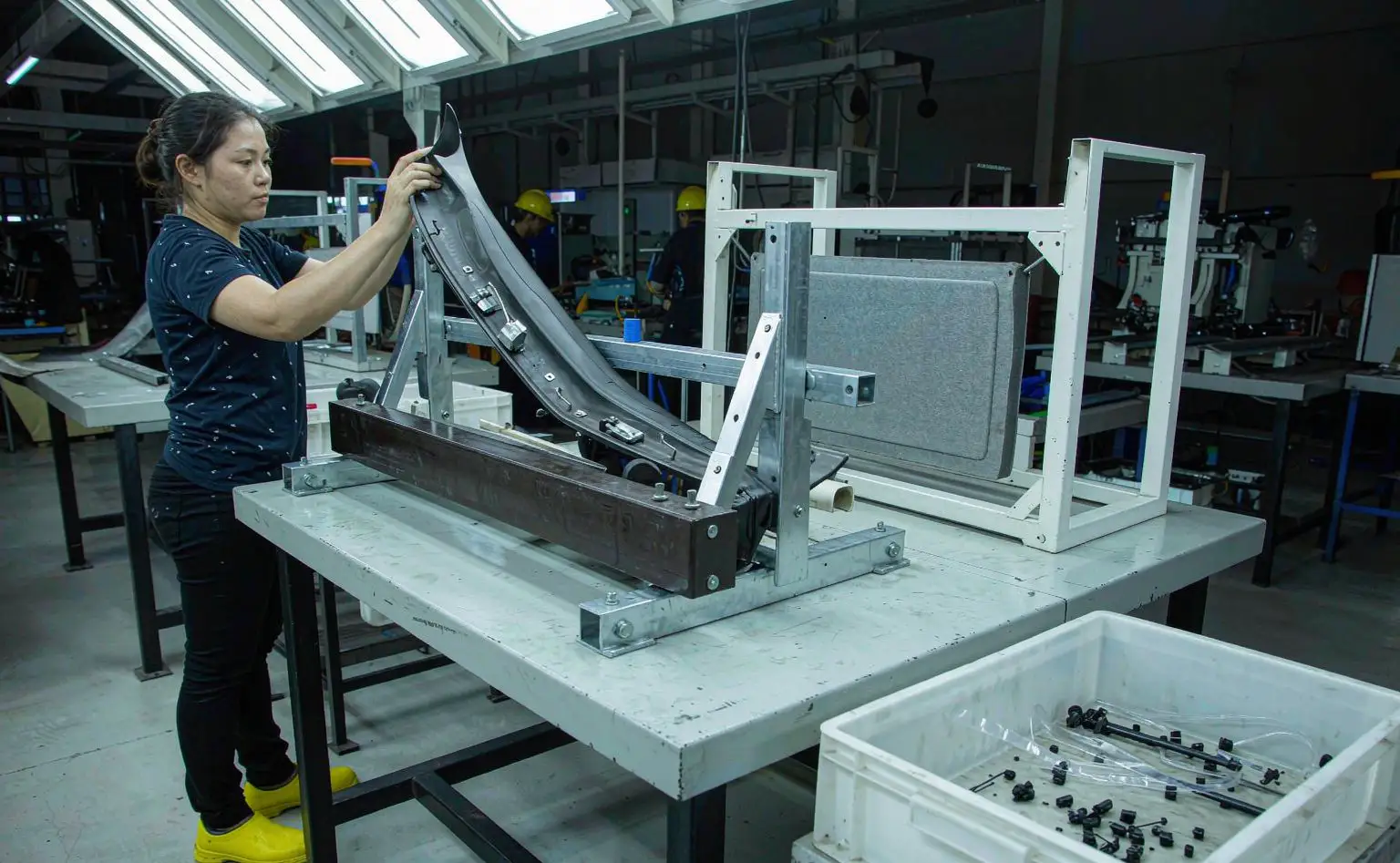
Once both the substrate and the skin are treated, assembly and storage still need humidity control. Assembly holds relative humidity below 60%, and half-finished panels are not left open overnight. After the panel is fitted to the body, the door cavity is a semi-enclosed space, and a wide day-night swing puts dew on the cavity wall first, so vehicle storage needs humidity control too: a freshly built car is not parked in the open or against a cold wall.
Export batches add a layer, since a container swings more in temperature than any store and the dew on the container wall runs down it, wetting the vehicles and spares stacked against it first. Export loads get moisture-control items sized to the container type. Where a batch has already taken moisture into the panel sandwich, drive that damp out before talking about a touch-up, otherwise the surface work is sound and the inside still goes mouldy.
6. Questions that come up: the skin alone, dispersing the powder, and laminating
Can the skin alone be treated? No. The skin is dense and takes up no water, and it is the substrate and the sandwich that hold moisture. Treat only the skin and, once the sandwich takes water, the mould still starts inside, where it cannot be seen and cannot be reached after assembly. Both layers are treated in the moulding stage.
How is the powder dispersed evenly? Premix to the formulation first, then add it at the specified temperature and mixing time so it travels evenly through the system; adding in portions with more shear is steadier than tipping it in at once. After a formulation or equipment change, confirm dispersion again.
Does the treatment interfere with laminating? No. ECO goes in on the masterbatch side and does not disturb moulding or assembly, and JS117 is heat resistant to 280℃ and non-yellowing, so it is stable at normal laminating temperatures. Where the laminating glue or process changes, sample first for peel strength and appearance before the batch runs.
Two layers take the work. The moulded substrate takes iHeir-ECO plastic antimicrobial agent at 0.3%-1.0% on part weight, PP in the 0.3%-0.5% band, heat stable to 240℃ and processed below 320℃. The skin and coating take iHeir-JS117 plastic anti-mildew powder at 0.5%-1.0% on final product weight, over 97% active, heat resistant to 280℃ and non-yellowing. Assembly and vehicle storage hold the value in with humidity control and cleaning. Samples and TDS sheets are available to run a trial against your part types and material systems.


