



 View Count:39
 Date:2026-09-10
Keqiao Fabric Anti-Mold: Mildew Control for Greige & Dyed Textiles
China’s Keqiao Light Textile City produces over 30 billion meters of fabric annually—greige, dyed, printed, and functional—exported worldwide. Yet every year from late spring to early autumn, three complaints pile up: “greige mildewed in the warehouse,” “mold spots on dye-house output,” and “mold when the customer opens the container.” They all trace back to one root cause: a missing systematic anti-mildew + antibacterial finish across the dye-house, warehouse, and sea-freight stages. This guide breaks the workflow into dye-house padding, fiber matching, greige warehouse, roll packaging, market showroom humidity, and container desiccants.
1. Why Greige Fabric Mildewe in the Warehouse
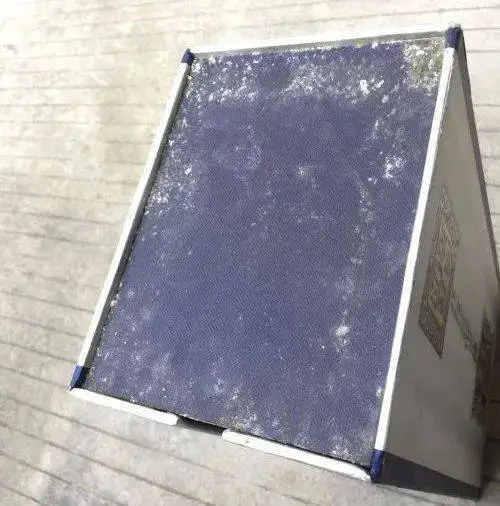
Many Keqiao factory owners ask: “The greige comes off the loom dry—how can it mold in seven days?” Three drivers:
- Sizing residue: warp yarns are sized with starch / PVA / polyacrylic acid—the carbon and nitrogen mold feeds on, once humidity returns;
- Raw-material moisture regain: cotton greige comes off the loom at 8%-10% moisture, synthetics 3%-5%; in ≥75%RH warehouse conditions, cotton can pick up to 12%-14%;
- Tight stacking & poor airflow: rolls weigh 50-200 kg each, stacked with small gaps; the inner core runs 10%-15%RH higher than the outer perimeter.
The fastest risk indicator is moisture regain + size residue: cotton greige with ≥10% moisture and ≥4% size content must go to the desize/wash stage before warehousing, never direct into stock.
2. The Right Stage for Anti-Mildew + Antibacterial Finishing
Many dye houses treat anti-mildew as an “add-on only when the customer asks” move—results are unstable quality and last-minute process tweaks. The right move is to build it into the standard dye-house routine, choosing one of two stages:
| Stage | Pros | Cons | Best for |
|---|---|---|---|
| After desizing (pre-dye) | Clean fabric, better chemical uptake | Post-dye stenter may wash off some finish | Medical, outdoor, workwear with strict anti-mold specs |
| After dye, before stenter | Covers finished form, fixation is stable | Extra stenter pass adds energy cost | Mainstream export, home textile, apparel |
Recommended mainstream process: padding + stenter at the last dye stage. Parameters:
- iHeir-BJ fabric mildew inhibitor: 2%-4% owf, one dip + one nip, 70%-80% pickup;
- iHeir-BJ1000 silver-ion antibacterial: 0.5%-1% owf, same bath;
- Stenter: 100-120 °C for 2-3 minutes;
- Avoid mixing with chlorine bleach or cationic softener in the same bath—ionic conflict.
Lab data: padded samples scored 0-1 on the AATCC 30 fungal test (no visible mold after 28-day humid incubation) and showed an antibacterial R-value ≥3.5 (99.9% bacterial reduction) per ISO 22196.
3. Chemical Matching by Fiber Composition
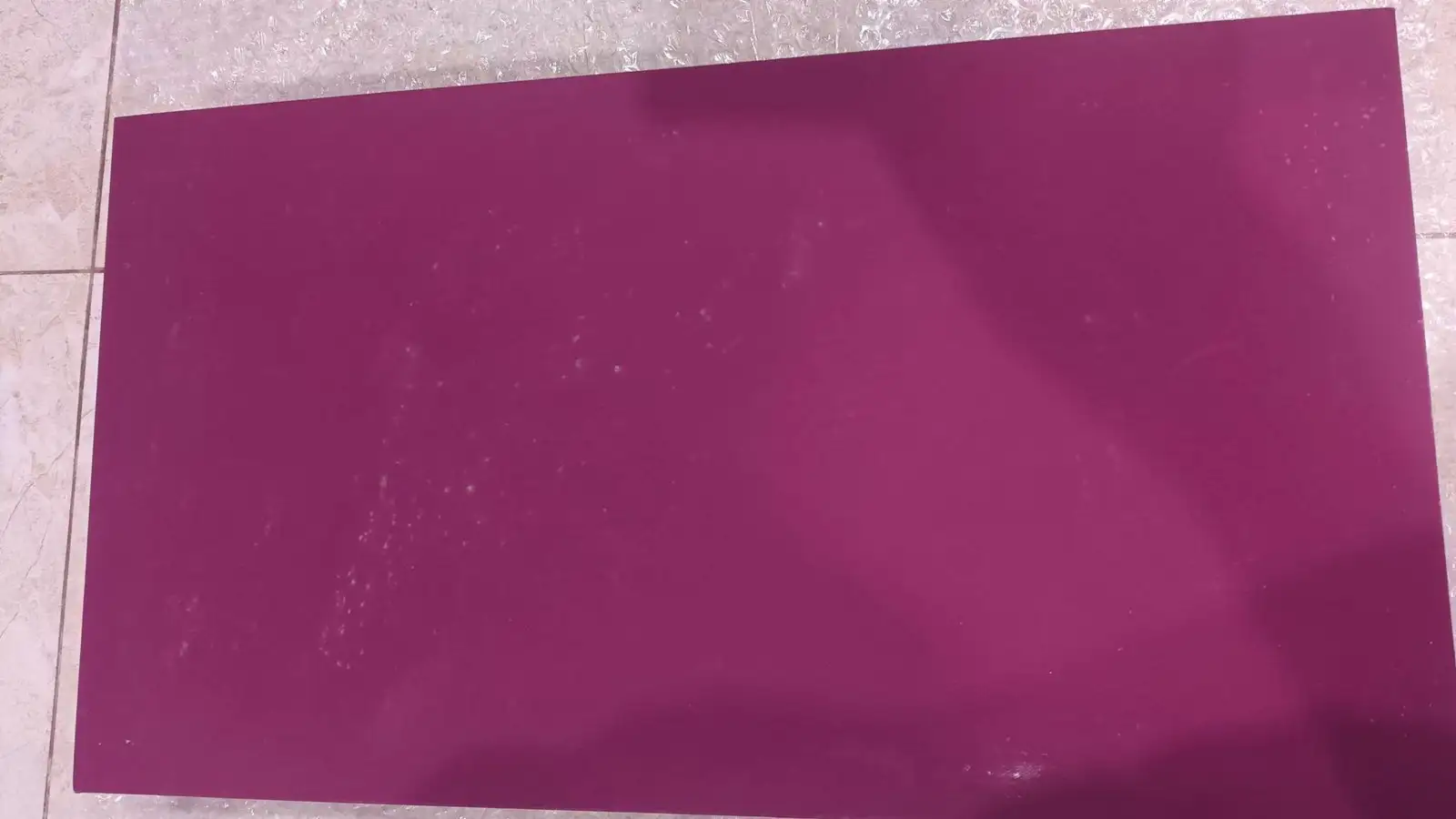
Keqiao runs polyester, cotton, poly-cotton, cotton+spandex, modal, lycelly, and more—each fiber’s affinity for the finish differs:
| Fiber blend | Recommended finish | Process notes |
|---|---|---|
| 100% cotton (≥80%) | iHeir-BJ + BJ1000 | Pickup up to 80%, good moisture uptake |
| Polyester / poly-cotton | iHeir-BJ + BJ1000 | Raise bath temp to 40 °C for better penetration |
| Cotton + spandex (≥3%) | iHeir-BJ (1.5%-3%, reduced) + BJ1000 | Spandex dislikes high-temp finish, stenter ≤110 °C |
| Modal / Lycelly / Tencel | iHeir-BJ halved (1%-2%) | Lycelly absorbs moisture strongly—pair with warehouse dehumidification |
| Wool / silk | Avoid BJ/BJ1000; use post-finishing gas-phase anti-mildew | Wool/silk are alkali-sensitive, finish chemistry is limited |
Compatibility check: iHeir-BJ1000 (silver-ion) and BJ can be combined in one bath. But quaternary-ammonium cationic antibacterials will react with anionic BJ and form a precipitate—always confirm the antibacterial’s ion type before mixing.
4. Roll Packaging & Moisture Barrier
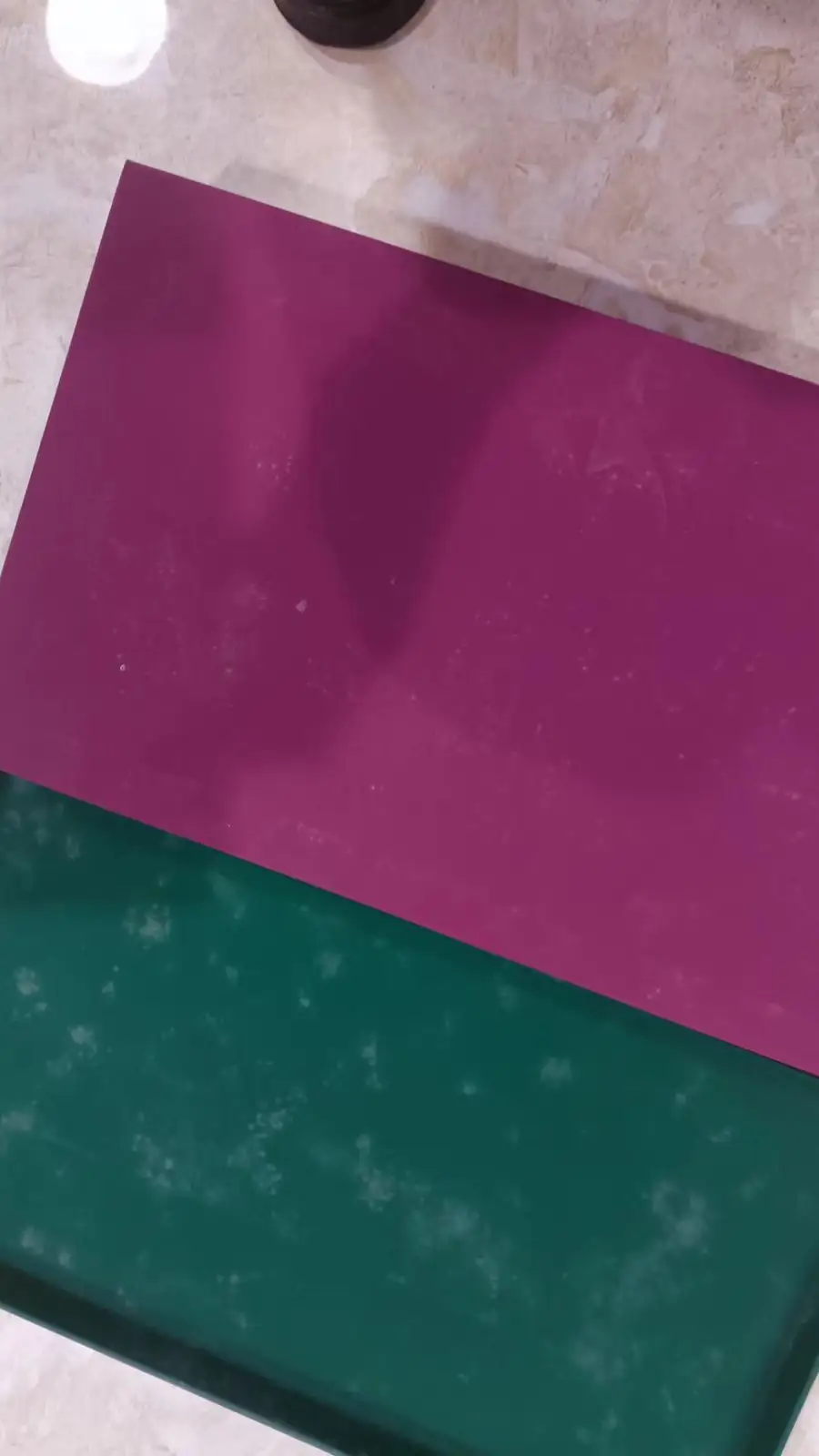
Post-dye roll moisture proofing is the most-skipped stage in Keqiao. Most factories wrap rolls in plain PE bags, but 1-2 g of trapped water is enough to mold a roll within 30 days. Correct roll packaging:
- Let the fabric cool to ≤40 °C before rolling (hot-rolling traps moisture);
- Place 1-2 iHeir-D gas-phase antibacterial mildew chips inside the core—30 cm coverage radius per chip;
- Wrap the outside with 2-3 layers of PE stretch film, sealed with tape at the overlap;
- Attach an anti-mildew label on the roll end: “Treated with anti-mildew + antibacterial finish, store below 60%RH”.
iHeir-D’s slow-release gas reaches the roll’s inner core—something silica desiccant alone can’t do.
5. Keqiao Showroom & Greige Warehouse Humidity
Keqiao showrooms are small (5-50 m²), densely packed, with high foot traffic—humidity is hard to control. Yet mold often starts in the showroom and travels with the sample to the customer’s warehouse. Recommendations:
- Install a small dehumidifier in the showroom (6-12 L/day for 30-50 m²), run 8-12 h daily during humid months;
- Use open-shelf display (not fully sealed glass cabinets) to avoid local humidity spikes;
- Test greige warehouse moisture regain every 3 days during monsoon—above 10% means immediate re-drying or airing;
- Post daily humidity readings on the warehouse wall—lets lets buyers see your storage capability.
6. Export Fabric Standards & FAQ
Mold claims on export fabrics almost usually come with a standard failure—the customer tests per ASTM / AATCC / GB and finds mold grade ≥3 or bioburden above the spec, triggering rejection. Match your finish to the destination market:
| Market | Anti-mildew standard | Antibacterial standard | Recommended finish |
|---|---|---|---|
| EU / US apparel & home textile | AATCC 30 grade ≤2 / GB/T 24346 | ISO 20743 / AATCC 100 | iHeir-BJ + BJ1000 same-bath padding |
| Japan home textile | JIS Z 2911 | JIS L 1902 | iHeir-BJ + BJ1000 + anti-mildew label |
| Middle East / SE Asia | No mandatory anti-mildew | — | Strengthen T-1000 container desiccants |
| Medical / hygiene textiles | GB/T 24346 + ISO 22196 | ISO 22196 R ≥3.5 | iHeir-BJ1000 + double anti-mildew |
Case study: a Keqiao fabric trader received a ¥350,000 mold claim from a South American customer in June 2024—60% of cotton-polyester dyed fabric showed mold spots on arrival. Root cause: no anti-mildew finish at the dye-house, plain PE bag wrapping, monsoon warehouse humidity 80%RH, no container desiccant. Corrective action: every export order now gets iHeir-BJ + BJ1000 padding, gas-phase iHeir-D chip inside the roll core, and T-1000 strips in the container. Zero mold claims since.
FAQ:
Q1: Can antibacterial and anti-mildew finishes be done in one step?
A: Yes. iHeir-BJ (anti-mildew) + iHeir-BJ1000 (antibacterial) have been validated in the same bath without interference. But do not mix with other suppliers’ anti-mildew or antibacterial agents—ionic conflict may cause precipitation and finish failure.
Q2: Do synthetics (polyester, nylon) actually have mold risk?
A: Pure synthetic fibers don’t feed mold easily, but finishing agents added during processing (hydrophilic finishes, antistatic agents, blend partners like cotton) carry the carbon and nitrogen that drive mold. For 100% polyester with a pure anti-mildew finish, halve the chemical dosage.
Q3: Will anti-mildew + antibacterial finishing affect fabric color fastness?
A: iHeir-BJ and BJ1000 ( silverion) show no visible impact on wash fastness (no grade drop after 30 washes) and ≤0.5 grade impact on light fastness, well within typical export specs.
Q4: How do I handle an incoming customer mold complaint on fabric?
A: Light mold spots — wipe with iHeir-Clean mold stain cleaner then re-apply anti-mildew finish. Moderate mold (bioburden ≥10⁴ CFU/g) — discount or scrap. Heavy mold (fabric rot or odor) — scrap.
For a complete “dye-house → warehouse → sea-freight” zero-mold setup for your Keqiao fabric line, contact us for sample testing and tailored processes. Standard products like iHeir-BJ fabric mildew inhibitor, iHeir-BJ1000 silver-ion antibacterial, and iHeir-D gas-phase antibacterial mildew inhibitor ship same-day on small orders.