




 View Count:37
 Date:2026-09-17
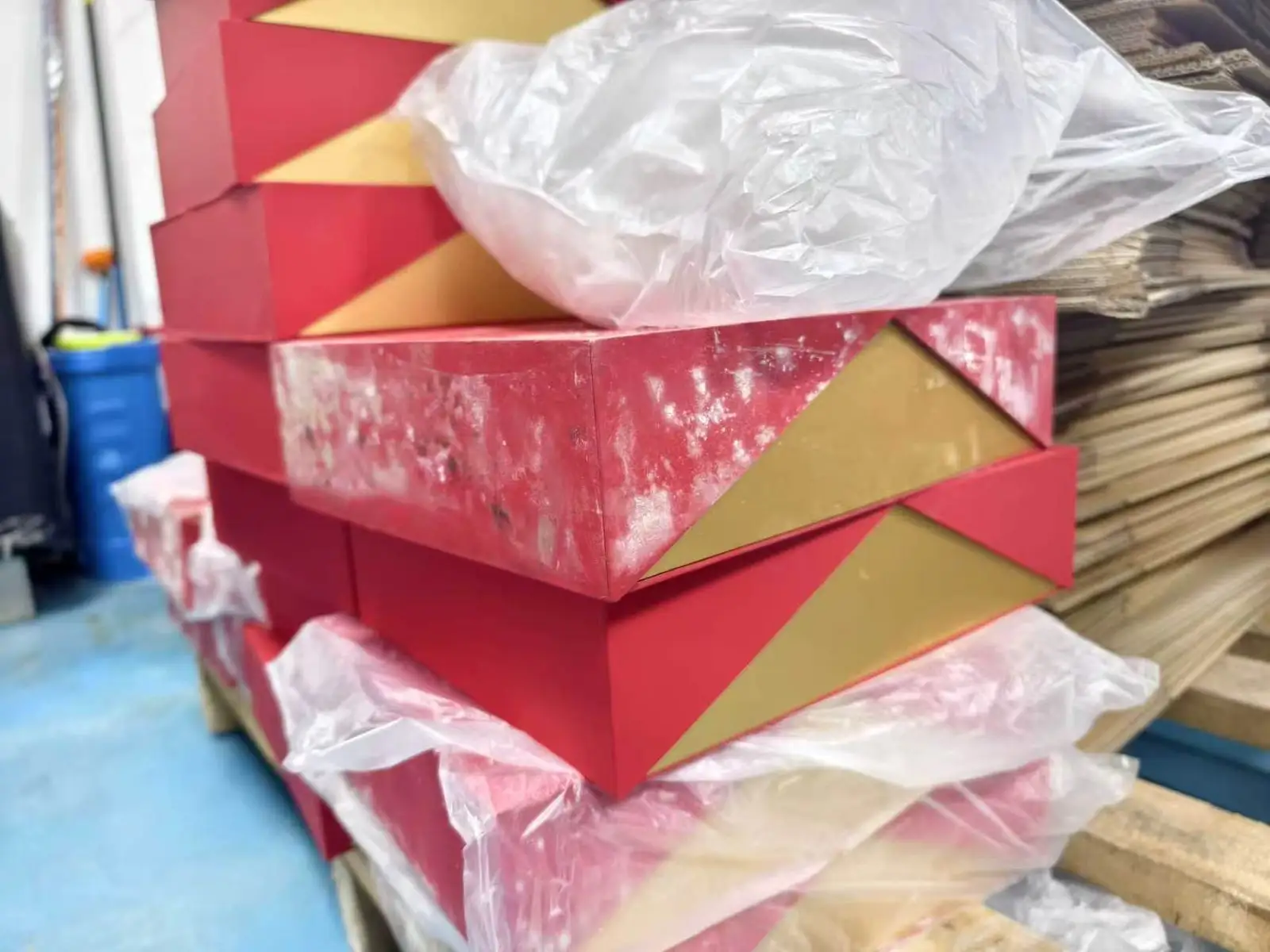
How do you grade mouldy cartons? Gift boxes, printed cartons and corrugated outers that sit through a wet season start with a frosty bloom and end with mould through the plies, off-odours and a rejection note. Protect the paper itself with anti-mould packaging paper made from iHeir-D, and line the box with a CH-10 desiccant pack and a Power Pak anti-mould tablet. This article covers the grading rules, the two lines of defence and the tests under GB/T 4768 and GB/T 462.
1. Grade it first: surface bloom or mould in the plies?
Two checks decide the grade: does the growth wipe off, and is the interlayer affected. Grade one (surface bloom): frosty spots on the print face only, they lift with a soft cloth, no colour loss, no fuzzing. The usual cause is dense stacking with sustained warehouse humidity, and cleaning plus re-protection is enough. Grade two (etching into the paper): wiping leaves yellow patches and fuzz, spots have come through the laminated layer, so the stock is downgraded, cut down or relaminated. Grade three (interlayer mould): musty smell inside the box, plies that crumble when squeezed, mould showing from the reverse side. The board has lost its strength, so scrap it and trace the batch.
| Grade | What you see | Route | Cost scale |
|---|---|---|---|
| 1 | Frosty spots on the print face, wipe off clean | Move to dry storage, clean, replace the anti-mould items | Handled same day, negligible cost |
| 2 | Yellow patches and fuzz after wiping, spots through the laminate | Downgrade, cut down or use as lining | Loss at the unit price of the printed box |
| 3 | Mould in the interlayer, musty smell, crumbling plies | Scrap and trace the batch | Loss at the batch value |
Purchasing and QC then argue over one table instead of three opinions: grade one is cleaned and re-stored the same day, grade two is written down at the printed-box unit price, grade three goes out as a batch loss. The route and the man-hours go to sales in one message.
2. The paper line: build the protection into the board and coating
Three things bring mould to paper packaging: spores carried in the pulp, starch in the sizing that feeds them, and warehouse humidity that switches them on. Spraying the outer surface does not stop moisture coming back inside the box, so the board itself has to carry the protection from the production stage.
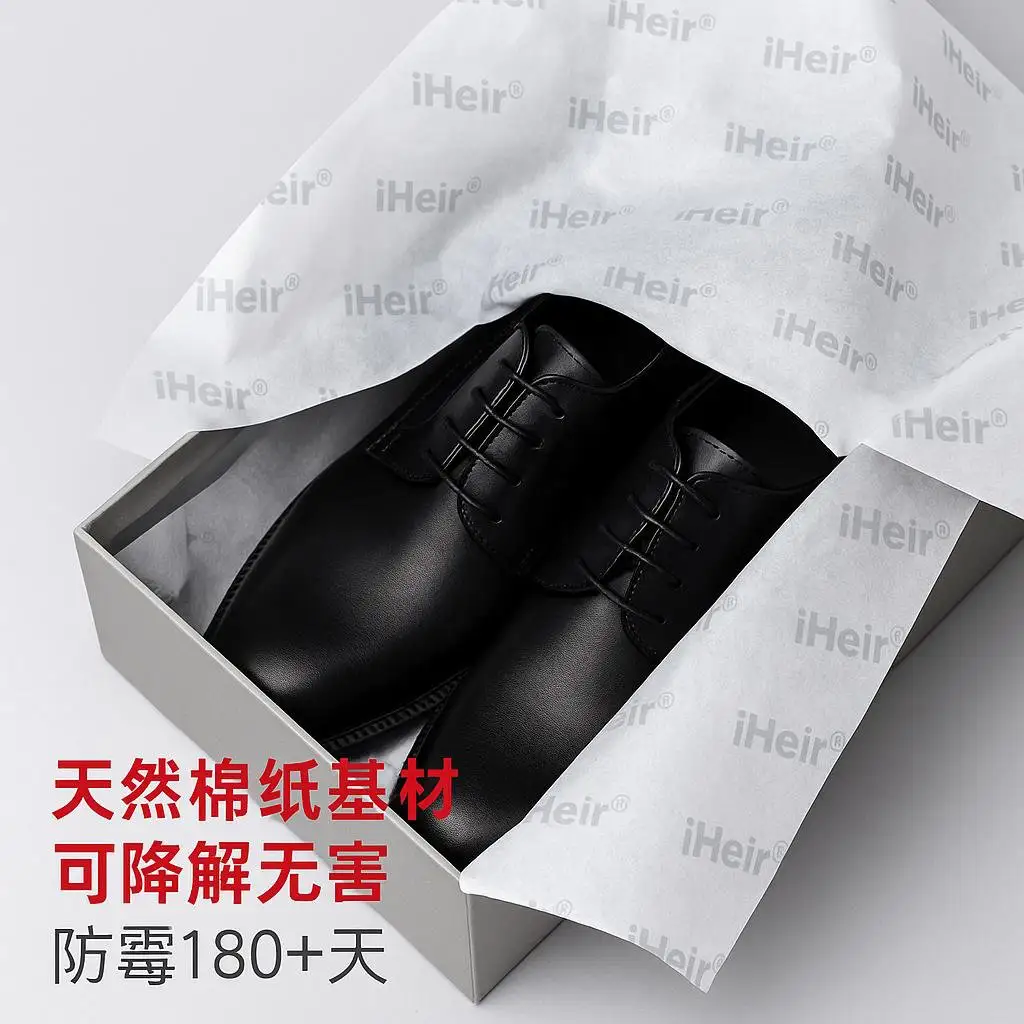
iHeir-D gas-phase anti-mould agent is a specialty ink loaded with anti-mould particles under 5 microns. Print or coat it onto paper and, once dry, the sheet becomes anti-mould packaging paper or an anti-mould sachet, each carrying 0.1 to 0.2 grams of active ingredient, adjusted for humidity, temperature and the space to protect. It works in the vapour phase: the active component releases slowly inside the sealed pack and reaches corners nothing touches, which is exactly what paper packaging needs, since gaps and seams are how spores get in. It ships in 25 kg drums, keeps for one year sealed, cool, dry and dark, and should be used up soon after opening.
Run a compatibility test before production: place three times the normal dose of iHeir-D in a test box, mist in a little water to simulate a humid environment, keep the product separated by a paper layer, close the box and check for discolouration or corrosion after several days. Weak dyes and low-grade alloy buckles can stain or corrode, so do not skip this step.
3. The box line: pairing the desiccant and the anti-mould tablet
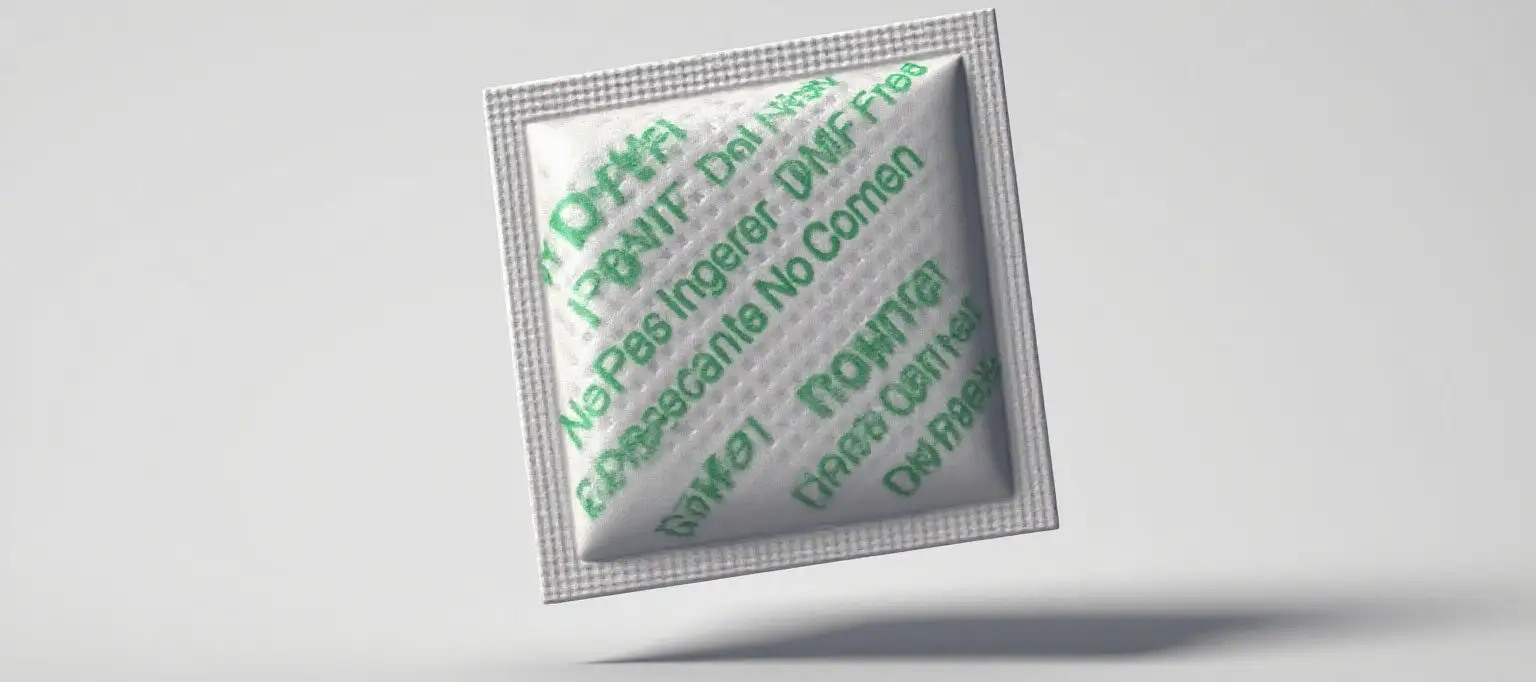
Protecting the paper stops the board from growing mould on its own; the environment inside the box needs two more items. CH-10 anti-mould desiccant and deodorizing pack uses natural aluminium silicate (montmorillonite) as the carrier, with an antibacterial agent and microcapsule odour beads added. At 25 degrees and 80 percent relative humidity it absorbs more than 200 percent of its own weight in moisture and keeps controlling for 270 to 300 days, ten to twenty times the capacity of ordinary silica gel. We recommend sizing it to the packaging space; sealed packaging gives the best result, and it can sit in the same box as the product.
Power Pak anti-mould tablets handle the mould itself. The active ingredient, extracted from natural horseradish and mustard, sublimates at room temperature and spreads through the packaging space, killing Penicillium, Aspergillus and other moulds on contact paths. The operating rule is one line: put the tablet in as the product goes into the box, seal the carton immediately, and expect action within 72 hours. If a sealed carton is opened for inspection after more than 15 days, replace the tablet before resealing. The tablets have a strong irritant odour, so wear rubber gloves and keep the workspace ventilated.
Keep the division of labour clear: the desiccant pack controls humidity, the tablet controls the fungus. Desiccant alone does not fix paper that already carries spores, and tablets alone do not stop moisture. Use both and the cartons come through the wet season.
4. Testing and sampling: what to check before shipping and on arrival
Mould resistance goes through GB/T 4768, the anti-mould packaging standard, tested on the finished pack and graded; export customers often write the grade into the contract, so keep the report with the batch. Moisture content follows GB/T 462: sample the cartons before packing, and dry any batch that reads high before it goes into the container, so you are not sealing dampness in.
Sample at two points. Before shipment, open cartons per batch and check the reverse side for spots and the box for musty smell. On arrival, repeat both checks and look for colour transfer on the print face. For the full route on corrugated cartons and printed boxes, see our carton and printed box anti-mould plan. As the supplier we send samples first: send us the board type, the packaging format and the storage conditions, and we come back with a paper and dosing plan before you commit to drum quantities.
5. FAQ
Q: How is anti-mould packaging paper different from ordinary desiccant?
Desiccant only absorbs moisture and does not suppress fungus. The active ingredient in the anti-mould paper works in the vapour phase and covers positions nothing touches. Use both: one holds humidity down, the other holds the spores down.
Q: Can cartons with grade-one bloom still be used?
The outer corrugated case can stay in service once wiped and dried. Printed boxes that touch the product should be replaced: even after the spots lift, etching and spores remain in the board, and one open box at the customer is a complaint.
Q: How long does iHeir-D keep after opening?
The drum keeps for one year sealed, cool, dry and dark. Use it up soon after opening, and close-pack the finished anti-mould paper or sachets quickly so they do not pick up moisture.
Q: How do samples and orders work?
iHeir-D, CH-10 and Power Pak all ship as samples first, then in standard pack sizes once confirmed. For dosing and selection, see our anti-mould packaging paper guide, test first and scale after.
Send us the board type, the packaging format and the storage conditions, and we will come back with a paper and dosing plan before quoting volume. Contact us.