




 View Count:20
 Date:2026-10-28
How should photo album mould be treated? The spots almost always start on the coated inner pages, and one stained leaf scraps the volume, because mould on coated stock cannot be wiped off and cannot be trimmed away like plain paper. The pages carry iHeir-D gas-phase paper at 0.1-0.2 g of active content per sheet; the fabric cover takes iHeir-BJ at 2%-3% o.w.f. in a finishing bath before it is laminated. This article covers both doses, the paper placement and the binding and export steps.

1. The mould starts on the coated inner pages
The coating on art paper is a calcium carbonate and binder system. It looks sealed, but the coating itself takes up moisture and holds it. Once a page has been damp, the spots show as a pale yellow or grey-green patch that neither eraser nor alcohol removes — the filaments have gone into the coating and the colour does not come back.
The second place is the fabric cover. A cloth-bound album is cloth laminated over greyboard; the cloth is porous and the laminating adhesive carries a lot of water. Pressed and bound before it is dry, that water is sealed between cloth and board, and mould starts along the four edges of the cover.
The third is binding and packing. A thick album with many leaves barely breathes after sewing and gluing, and a gift box over the top closes it completely. On a sea leg the temperature swing condenses water inside the box, and it lands on the outer leaves and the cover first.
So the volume is treated in two stages: the paper controls the micro-climate between leaves, the cover cloth goes through a finishing bath. Paper only, and the cover still fails; cover only, and the page edges still spot.
2. Pages and cover are handled separately
The table lines up the pages, the cover cloth, binding and packing. Pages are counted in sheets of paper, the cover is dosed in o.w.f., and the two are not interchangeable.
| Location | Material and stage | Product and level | Addition point | Basis |
|---|---|---|---|---|
| Inner pages (art paper) | Printing, mounting, sewing | iHeir-D 0.1-0.2 g per sheet | Between sections, before binding | Sheets per volume |
| Cover cloth | Laminating, pressing | iHeir-BJ 2%-3% o.w.f. | Finishing bath, before laminating | Fabric weight (o.w.f.) |
| Greyboard, adhesive | Laminating, pressing | No additive; drying and moisture control | Dry before pressing | Moisture content |
| Gift box and export | Boxing, bagging, loading | Desiccant plus store humidity control | Boxing and loading | Box volume and container type |
Two boundaries. First, the cover cannot be sprayed: a spray sits on the surface and is half gone after laminating, pressing and edge trimming, so the protection is patchy and the edges fail first. Second, the pages cannot be dipped: water ruins the coating, so pages are controlled by drying plus interleaved paper, and there is no substitute for that.
3. Pages: where the paper goes
The pages use iHeir-D gas-phase anti-mould paper, 0.1-0.2 g of active content per sheet, solids 70%±5, 25kg per drum, one year shelf life. It is a paper coated with a special ink, and it works by releasing active content into a closed space — it is not a spray, so placement and closure decide the result.
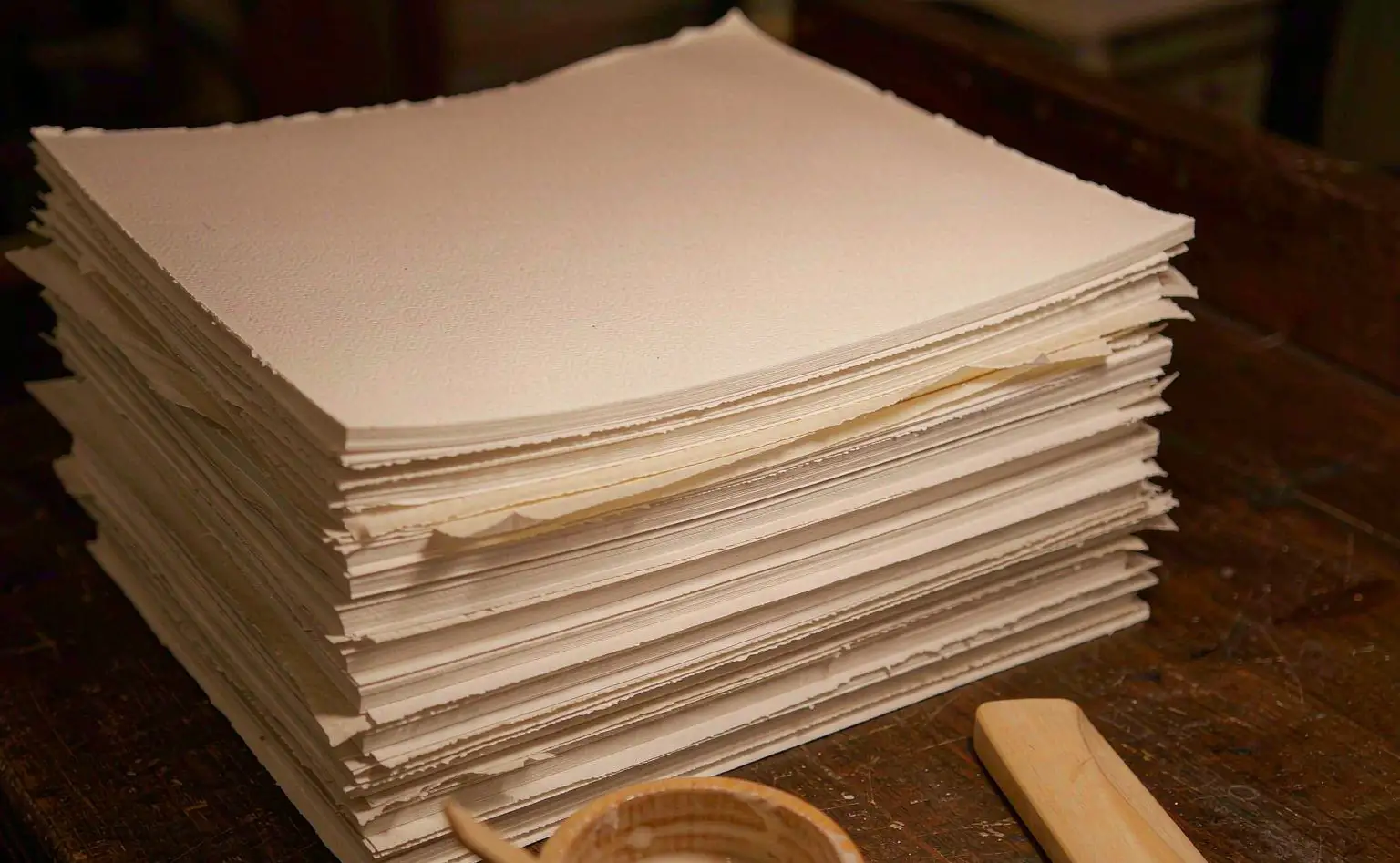
Three placement rules. Between sections, not between every leaf: one sheet per section of 8-16 leaves, placed near the middle of the section so the vapour can spread both ways. Between the page block and the greyboard: the endpaper is the most exposed layer and must have a sheet. Inside the cover: the cover-to-page junction is where condensation lands first.
The count follows thickness and leaf count: a typical 40-60 page album takes 2-3 sheets by section plus one at the endpaper and one inside the cover, and thicker volumes scale with the sections. The exact number is set by a packing trial — 30 days at 30℃/85% RH, then open the box and check page edges and endpapers. No mould means the count is right; mould means add a sheet and retest.
Three handling details: do not fold the sheet, because the coating cracks at a crease; insert just before binding, since paper left in an open shop loses its active content; close the volume — bagged or boxed and sealed, or it is as good as no paper.
4. Cover cloth: dip it, then dry it
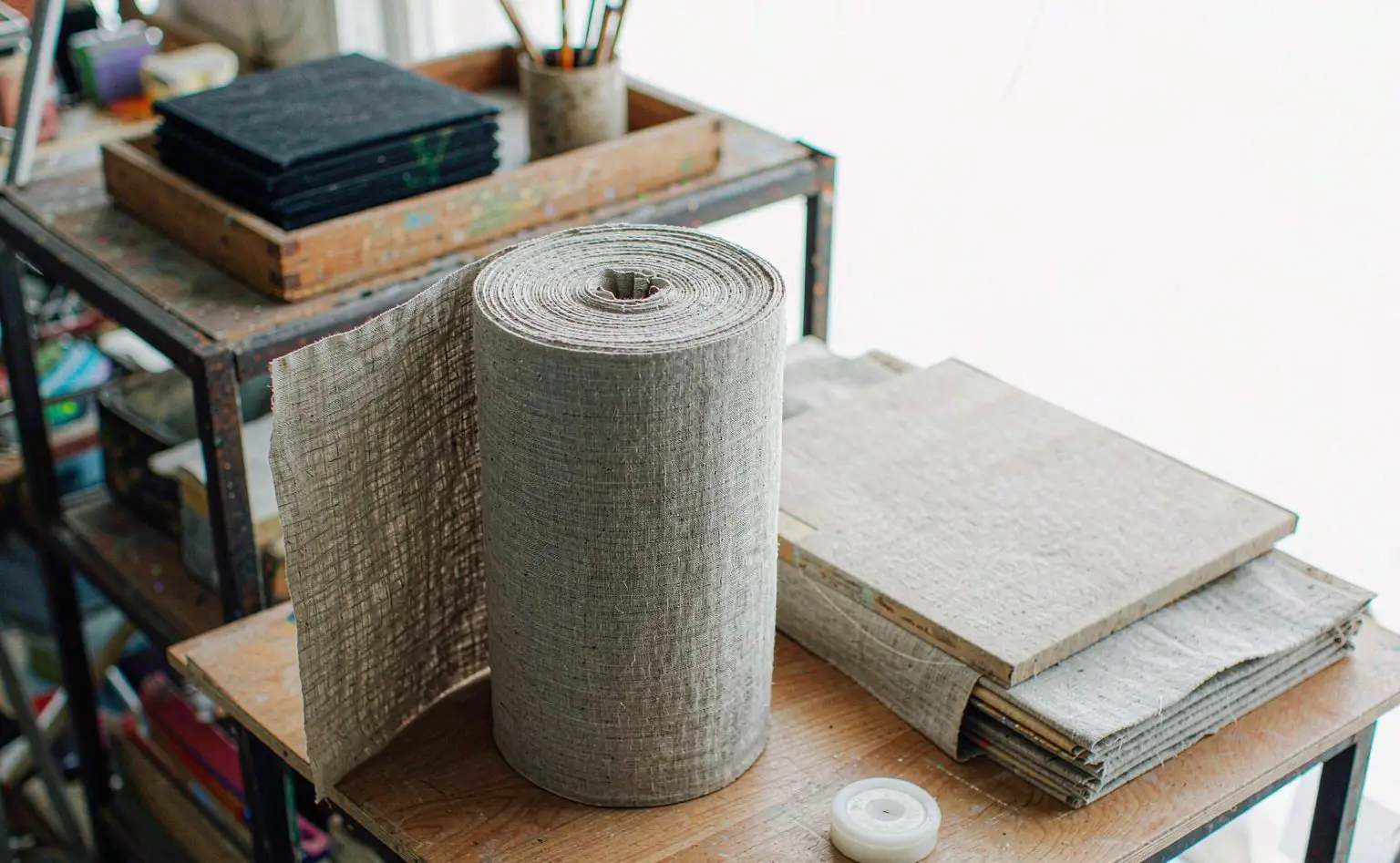
The cover uses iHeir-BJ textile mildew inhibitor at 2%-3% o.w.f. on fabric weight, bath 21-50℃, pH 4.5-8.5 with 6 as the target, in soft water. Premix with 9-13 times its volume of water, add 0.1% wetting agent, then make the bath up; pouring concentrate straight in leaves marks on the cloth.
The sequence is: roll finishing, drying, laminating, pressing, edge trimming. Finishing has to come before lamination; once the cloth is on the greyboard there is no way into a bath and only a spray is left, which is far weaker.
The one that catches most plants: BJ is cationic and must not share a bath with anionic auxiliaries. Cover finishing often runs softeners and water repellents alongside; where those are anionic, the two flocculate, scum forms, the cloth stops picking up the agent and protection drops to zero. Run them on separate schedules, or check compatibility on a sample first.
Drying decides whether the cover comes back damp later: hold wet pick-up at 70% and dry below 8% moisture before laminating. The laminating adhesive carries its own water, so press and leave it surface-dry before binding rather than stacking wet covers. Dose follows the storage period — 2% gives about a year, 3% gives two to three — and we would schedule 3% for export orders.
5. Binding, packing and export
Three things at binding: page moisture below 8%, because sewing damp art paper gives wrinkles after pressing and invites mould; adhesive chosen low in water, with longer open time where the glue line is thick; shop humidity at 60% RH or below, with the binding bench away from doors.
At packing, check the cover for condensation before boxing, add desiccant in a non-woven bag in the free space rather than on the cover, seal the box, and leave micro-perforations in the outer bag. An album is a gift item, so the cover has to look perfect; a spotted cover means the whole batch is a downgrade, which makes humidity control at this stage more critical than at the pages.
Leave an air path in the container: no carton against the wall or under the ceiling. The day-night swing condenses water on the ceiling and the cartons at the wall come back damp first; a thick album hides it until the box is opened and the page edges show. The mechanism is the one described in condensation in sea freight containers.
Verify at three levels: pages on a mould test to ASTM G21, sampling page edges and endpapers; cover cloth to a mould resistance grade under GB/T 24346 plus a bromophenol blue check; the finished album boxed for 30 days at 30℃/85% RH, then open and check page edges, endpapers and the four edges of the cover.
6. Questions on spots that will not wipe off, wrinkled covers and albums that already have mould
Q: Can the spots on the inner pages be wiped off? Once filaments are in the coating they do not come out, and an eraser only smears the coating. a patch of spots means replacing the leaves, and where that costs more than remaking the volume, scrap it.
Q: Can an album that already has mould be saved? Only surface mould on the cover can be wiped, dried and refinished. Spots on the pages are effectively terminal, because the coating is contaminated and turning the pages carries filaments to the rest of the block. Any rescued volume needs fresh interleaved paper and a fresh cover finish; wiping alone and the mould is back within a month.
Four points to take away: one iHeir-D sheet per section at 0.1-0.2 g active, plus the endpaper and inside cover, inserted just before binding and the volume sealed after; cover cloth at 2%-3% o.w.f. iHeir-BJ, 21-50℃, pH 4.5-8.5, finished before laminating with the cationic agent on its own run; cloth dried below 8% and pages held at 8%; desiccant in the box, an air path in the container, and 30 days at 30℃/85% RH before release.


