




 View Count:37
 Date:2026-10-15
Where does power drill mould prevention start? On two lines. The housing is a rigid plastic part, so iHeir-JS117 plastic anti-mould powder goes into the compound at 0.5%-1.0% of part weight; the handle is a soft over-moulded grip dosed with iHeir-ECO plastic antimicrobial agent at 0.3%-1.0% of polymer weight. The two lines differ in material and in temperature ceiling, so they cannot share one ratio. This article sets out where each is added, at what dose and within what limit.
1. Why mould work on a drill splits into two lines
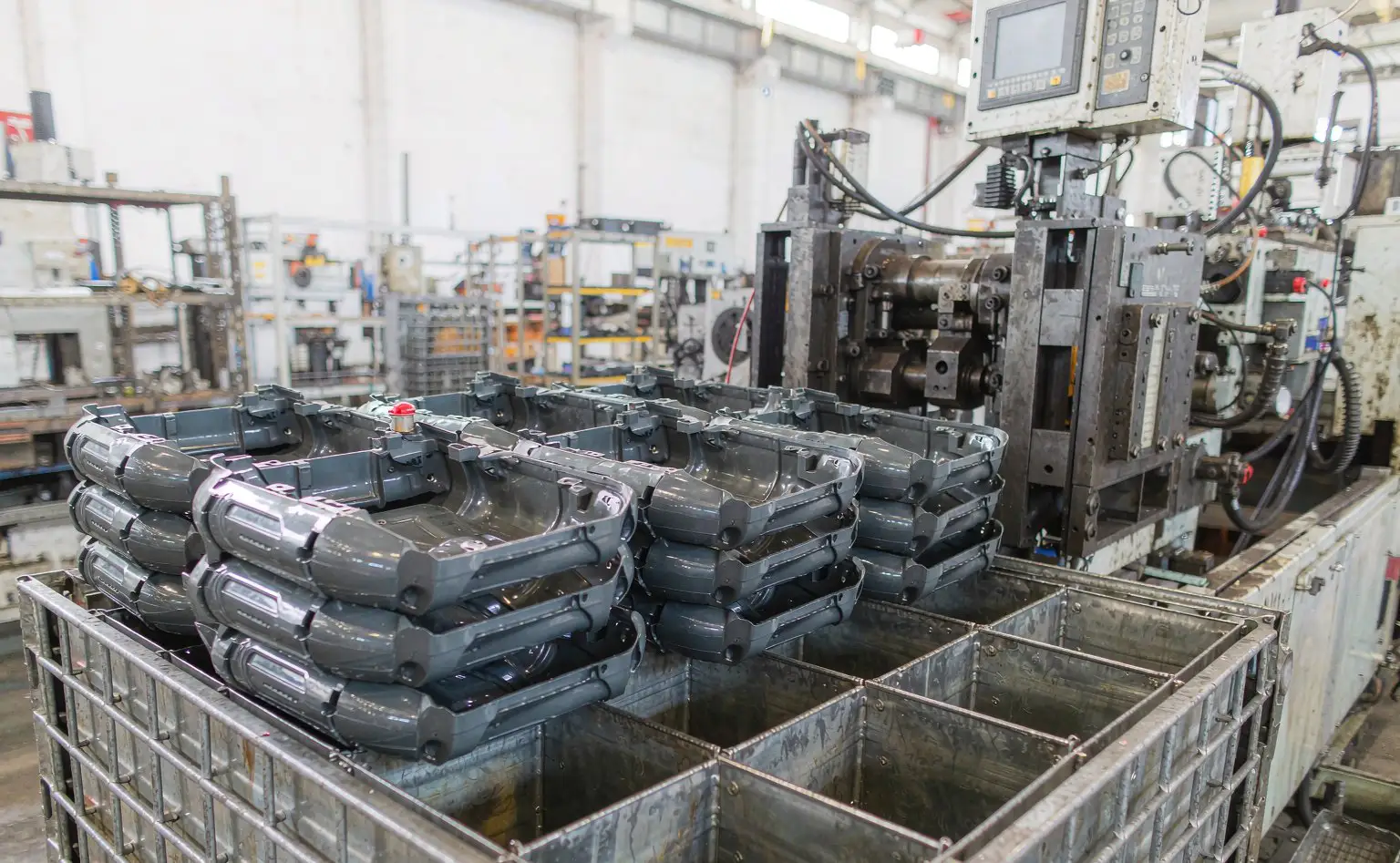
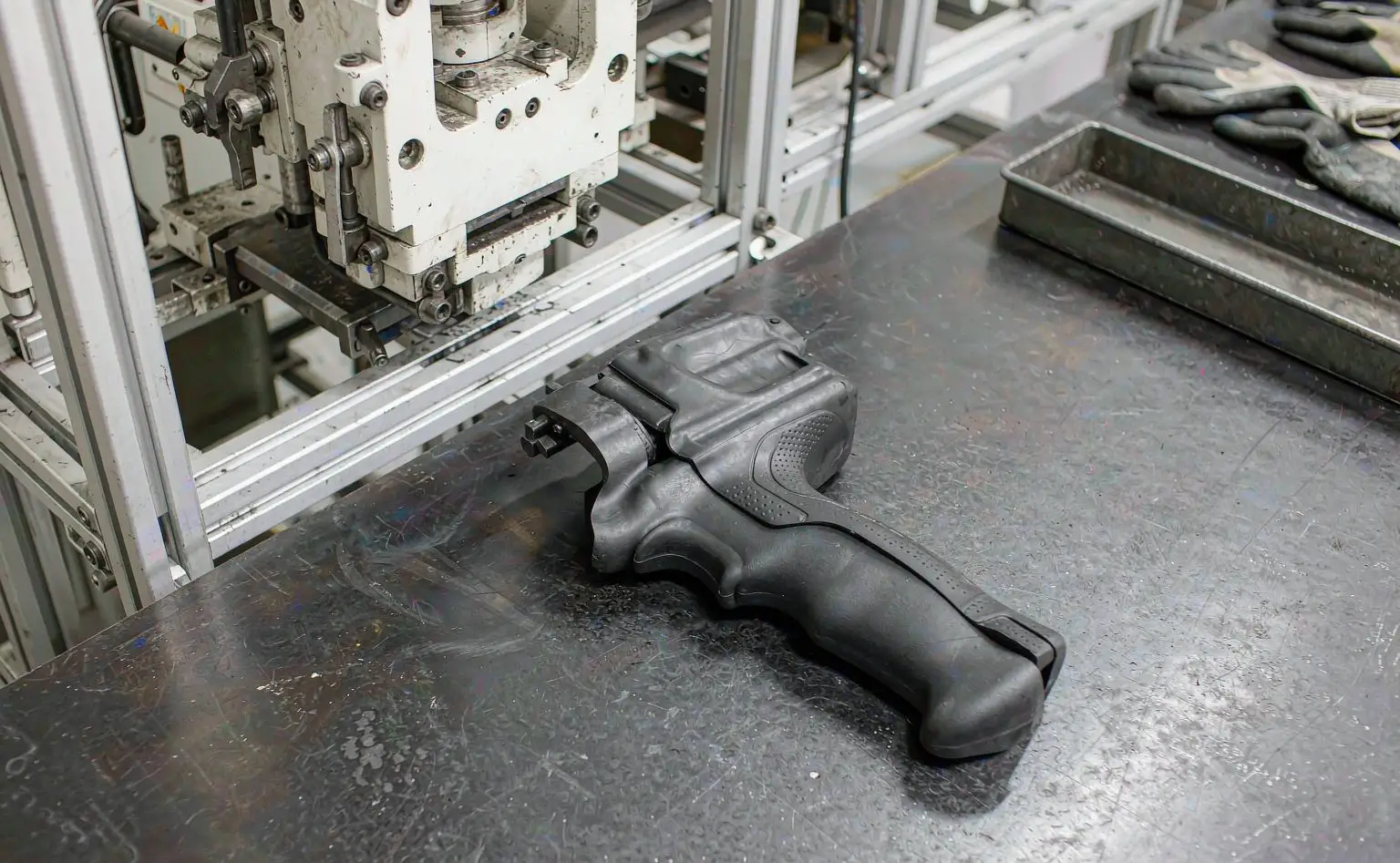
A drill looks like one machine, but the mould job is two quite different pieces of work. The housing carries load and is thick-walled, so it is injection moulded from an engineering plastic; the antimicrobial agent can only enter with the compound at the hopper, and once formed it sits throughout the plastic itself, where rubbing and wiping cannot take it off. The handle is the part the hand holds, so it is over-moulded for grip and feel: the rigid shell is moulded first, then the soft compound is moulded onto it and bonds into one piece, at a second temperature and with a second material.
Merging the two lines into a single ratio is the mistake factories make most often. The housing is the larger mass, so a percentage of whole-drill weight can leave the small soft-grip volume short of agent; dose it the other way round, for the grip, and the housing is overdosed and you pay for nothing. Different objects and different bases mean the two lines have to be reported and recorded separately.
A second reason is the target itself: the housing only has to stop mould colonising a plastic surface, while the grip is handled all day, so sweat and oil are another contamination route. Different target, different agent.
2. Housing and handle: the two lines compared
The table lines up each part, its material and process, the agent, the dose and its basis, and the points to watch. It reads as a first draft of the moulding and over-moulding instruction card.
| Part | Material and process | Agent | Dose and basis | Points to watch |
|---|---|---|---|---|
| Housing | Engineering plastic, injection moulded | iHeir-JS117 plastic anti-mould powder with the compound | 0.5%-1.0% of part weight | Withstands 280℃; dry-blend with the resin before the hopper |
| Over-moulded grip | Second shot: soft compound onto rigid shell | iHeir-ECO plastic antimicrobial agent as a masterbatch | 0.3%-1.0% of polymer weight | Stable to 240℃; keep the melt below 320℃ |
| Off-machine handling | Crates and transfer boxes | Humidity control, off-wall and off-floor, first-in first-out | Relative humidity below 60% | Short cycles on thin walls — check the first shots before releasing |
| Finished-goods store | Assembled drills in cartons | Dehumidifiers, stacking with ventilation gaps | Relative humidity below 60% | No carton against a wall or on the floor; more frequent checks in the wet season |
The first two rows add the agent and decide whether the drill moulds at all; the last two manage the environment and decide whether it takes up moisture after it leaves the line. Miss either half and the problem only shows when the customer opens the carton.
3. The housing line: iHeir-JS117 in the compound
The housing uses iHeir-JS117 plastic anti-mould powder, a powder based on a nitrogen-heterocyclic phenol-alcohol blend, designed for PVC, PU, silicone resin, polyolefins, polyesters, thermoplastic elastomers and rubber. Its mechanism is non-releasing and mechanical: it does not leach, migrate or get consumed by microbes, so no resistance develops, and it suppresses bacteria, moulds, yeasts and algae. The recommended addition is 0.5%-1.0% of the total part weight.
Two process points matter most. The first is heat: JS117 withstands processing at 280℃ without decomposing or discolouring, which covers the usual injection range for engineering plastics, but do not let the melt spike during purging. The second is dispersion: it does not dissolve in water, so dry-blend the masterbatch with the resin and pre-blend where the ratio is high, so no clumps leave a locally under-dosed part. The powder is over 97% active, 380 kg/m³ bulk density, packed 25 kg to a drum and stored cool, dark, sealed and dry.
4. The handle line: iHeir-ECO in the over-moulded grip
The grip uses iHeir-ECO plastic antimicrobial agent. It is an internal additive supplied as a masterbatch, mixed with normal raw material during plastication and formed by ordinary injection or extrusion, so the active is spread through the part and keeps working inside after the surface has worn. Being a general plastics antimicrobial, it is dosed by polymer family: 0.3-0.5% for PE and PP, 0.3-1.0% for PU, 0.3-0.5% for TPU, 0.3-1.0% for unsaturated polyester and PMMA, and 0.5-1.0% for PVC. This article quotes the general band of 0.3%-1.0% of polymer weight, to be pinned to your own soft-compound grade.
Temperature is where this line goes wrong. ECO is thermally stable to 240℃ and processing should avoid going above 320℃. Over-moulding injects the soft compound onto a shell that is already formed, so both melt and mould temperatures sit against what the shell can take; pushing the melt up to improve flow risks losing the additive, which means the dose and the result both have to be recalculated. The material melts at 56-58℃, flashes at 223℃, and keeps for one year stored sealed, dry and dark. Colour changes are more sensitive on soft compounds than on the shell, so regrind is best kept out of pale grips.
5. Process ceilings and checks before dispatch
Putting both lines onto the shop floor needs three written numbers. Feeding: keep housing and grip compounds separate, weigh and record each, and dry-blend masterbatch with resin before the hopper. Temperature: leave margin against the 280℃ that JS117 takes for the housing, and set melt and mould temperatures under 320℃ for the grip, inside the 240℃ stability of ECO. Inspection: sample the finished part for appearance, looking hardest at the bond line and the grip texture, because those hard-to-clean recesses are where mould spots show first.
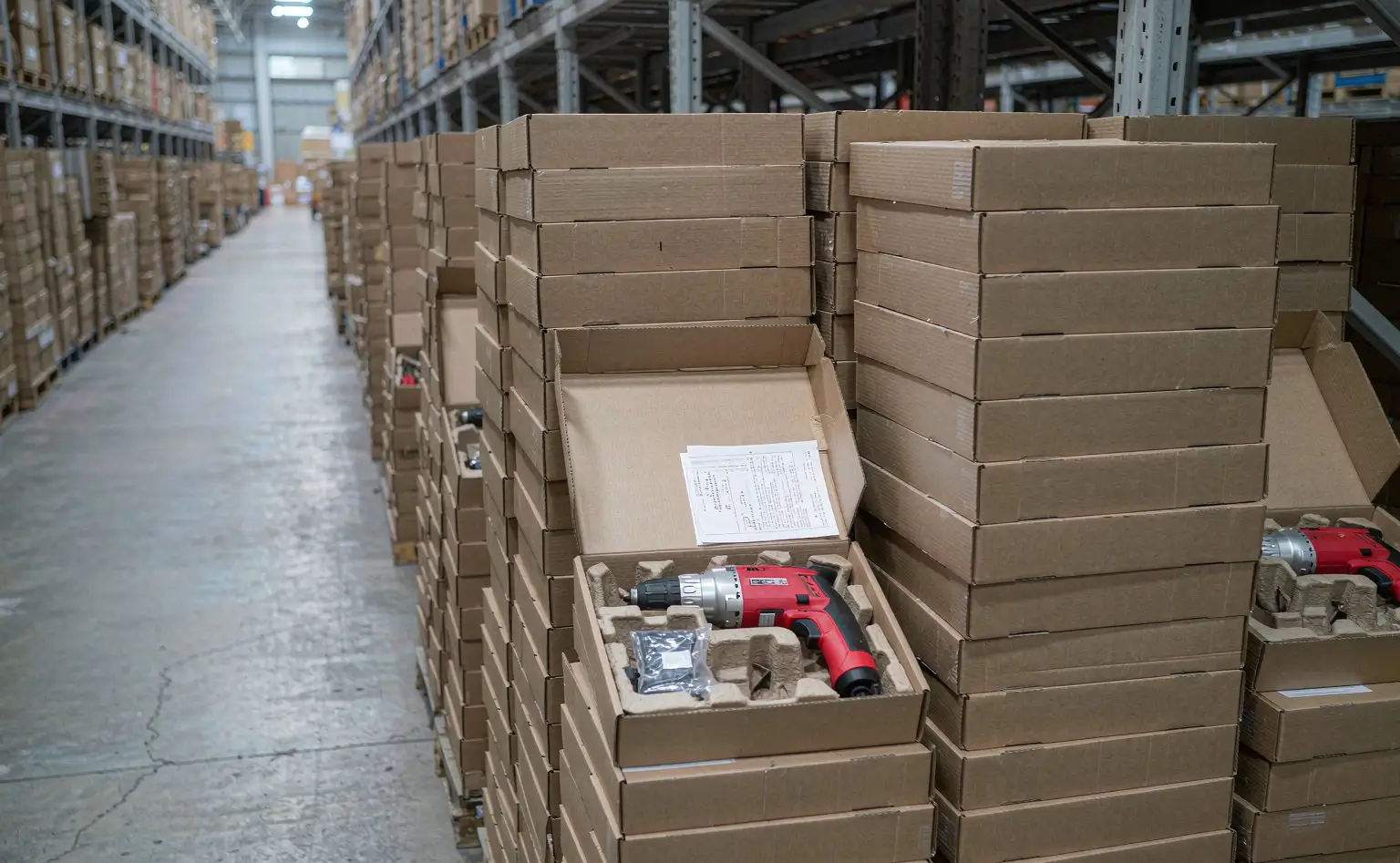
Off-machine handling adds no product and relies on discipline: hold relative humidity below 60%, stack crates and cartons clear of wall and floor with ventilation aisles, and ship first-in first-out. The same logic of pairing anti-mould dosing with moisture control is set out for container moisture and mould in shipping. The container stage for an export lot is handled separately, dosed to container type, because condensation at sea is the main cause of cartons turning damp on board.
6. Questions: one ratio for the whole drill, and does the grip need more than anti-mould
Can one percentage of whole-drill weight cover both housing and grip in a single pass? Not recommended. They are different materials in different processes: the housing agent enters with the compound at the hopper, the grip agent only at the second shot, so the two are not added at the same point at all. Converting both to whole-drill weight dilutes what the small soft-grip volume actually receives. Report and record the two separately — that is an effectiveness question and a traceability question in one.
The grip is touched all day: is anti-mould enough? The grip needs antimicrobial work as much as anti-mould work. Sweat and oil from the hand are a different contamination route from the one the housing faces, so this line uses a plastics antimicrobial at 0.3%-1.0% of polymer weight, while the housing line carries the powder anti-mould agent. Each covers its own stage. Samples and TDS for both are available, so you can run a small trial against your own resin grades and over-moulding temperature before fixing the dose.
Two points carry the work. The housing takes iHeir-JS117 plastic anti-mould powder at 0.5%-1.0% of part weight, withstanding 280℃, and the over-moulded grip takes iHeir-ECO plastic antimicrobial agent at 0.3%-1.0% of polymer weight, stable to 240℃ and kept under 320℃. Feed the two lines separately and record them separately, and hold relative humidity below 60% from the line through to storage, first-in first-out.


