




 View Count:31
 Date:2026-10-15
How does angle grinder mould prevention work? It has to be split between the housing and the gearbox. The housing is a plastic part, so iHeir-JS117 plastic anti-mould powder goes into the compound at 0.5%-1.0% of part weight. The gearbox is metal and takes no compound; it is protected at the joint, where iHeir-JS glue mildew inhibitor is added to the sealant at 1%-2% of glue weight, pH 6-7. Plastic takes the masterbatch, metal relies on the seal. This article sets out each dose and check.
1. Why plastic and metal on a grinder are treated separately
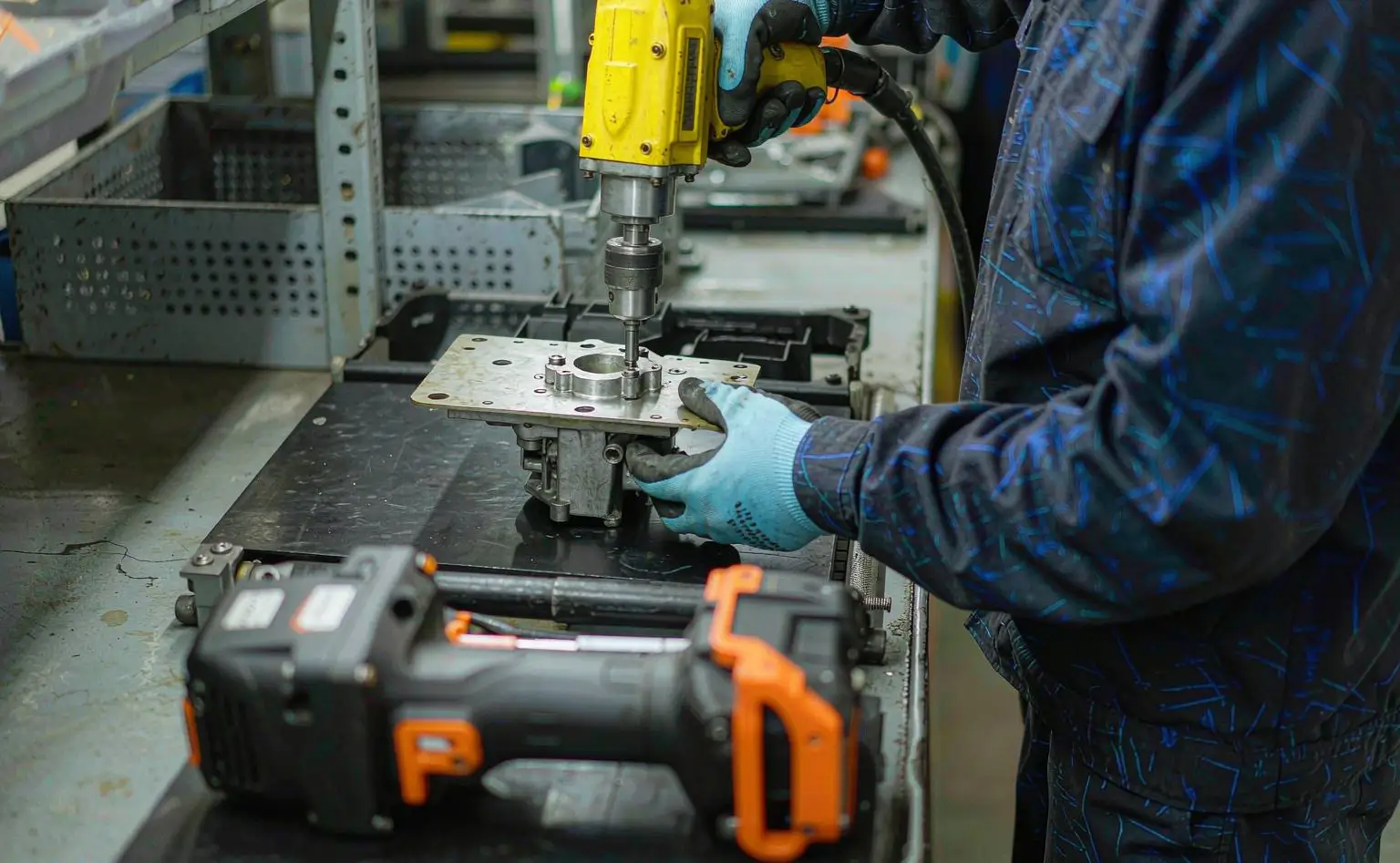
An angle grinder is a plastic shell bolted to a metal gearbox. The housing, the guard bracket and the side handle are plastic, and they allow an internal additive: the anti-mould agent goes in with the compound and is distributed through the moulding, where rubbing and wiping cannot remove it. The gearbox, spindle and screws are metal; metal neither absorbs moisture nor grows mould. What fails is the ring of sealant at the joint — an organic material sitting in damp and dust, whose surface moulds first and then carries the spot inward along the seam.
The two problems are different in kind, so the treatments are too. For the plastic part the issue is the material itself, and the answer is to dose the material. For the metal part the issue is the organic interface at the seal, and the answer is to dose the sealant. Merging them into one ratio means dosing the housing material to protect a glue line, or the reverse — work done for nothing. Dosed and recorded separately, a mould spot later tells you at a glance which stage failed.
There is also the environment to consider: moisture arrives first at the sealant and is conducted from there into the box. So alongside the two doses, the humidity of the assembly shop and the storage conditions of the finished machine have to be managed as well; dosing without humidity control simply keeps feeding the sealant water.
2. Housing and gearbox sealant: the two stages compared
The table lines up each stage, its material, agent, dose and criterion, as a first draft of the assembly and batching instruction card.
| Stage | Material | Agent | Dose and criterion | Points to watch |
|---|---|---|---|---|
| Housing and plastic parts | Plastic, injection moulded | iHeir-JS117 plastic anti-mould powder with the compound | 0.5%-1.0% of part weight | Withstands 280℃; dry-blend with the resin before the hopper |
| Gearbox sealant | Sealant / glue system | iHeir-JS glue mildew inhibitor added to the glue | 1%-2% of glue weight, pH 6-7 | Weigh against the glue batch, stir through, then apply |
| Assembly shop | Shop air and joint faces | Dehumidification, clean joint faces, assemble promptly | Relative humidity below 60% | An open gearbox must not sit overnight on a damp station |
| Finished store and export | Assembled machines and packing | Dehumidifiers, off-wall and off-floor stacking, desiccant by container type | Relative humidity below 60% | No carton against a wall or on the floor; container stage handled separately |
The first two rows add the agent and decide whether the machine moulds at all; the last two manage the environment and decide whether it takes up moisture after it leaves the line. Slacken any one of the four and the spots appear first in the sealant seam or the recesses of the plastic shell.
3. The housing stage: iHeir-JS117 in the compound
The housing and plastic parts take iHeir-JS117 plastic anti-mould powder. It is designed for PVC, PU, silicone resin, polyolefins, polyesters, thermoplastic elastomers and rubber, and works by a non-releasing mechanical mechanism: it does not leach, migrate or get consumed, so no resistance develops, and it suppresses bacteria, moulds, yeasts and algae. The recommended addition is 0.5%-1.0% of part weight, adjusted to how susceptible the product is, its service environment and the protection period required.
Two things need watching: heat and dispersion. JS117 withstands 280℃, which covers the normal injection range, but do not overshoot locally during purging or material changes. It does not dissolve in water, so it must be mixed evenly into the resin and formed by the standard route — dry-blend masterbatch and resin, and pre-blend where the ratio is high, so that no clumps leave a locally under-dosed part. The powder is over 97% active with a bulk density of 380 kg/m³, packed 25 kg to a drum and stored cool, dark, sealed and dry.
4. The gearbox stage: iHeir-JS in the sealant
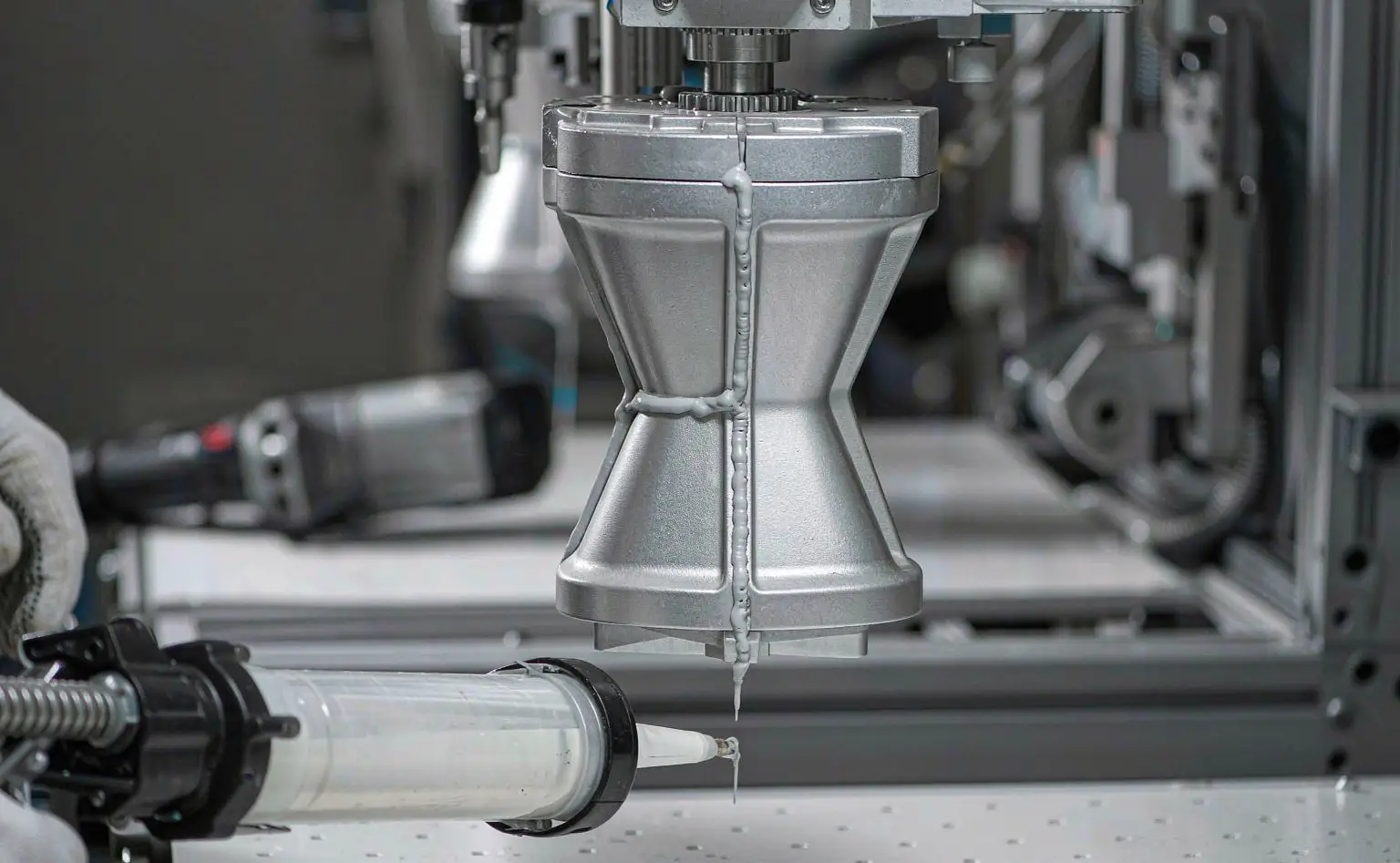
The gearbox joint takes iHeir-JS glue mildew inhibitor. Metal itself offers no substrate for mould, and what is really exposed is the ring of sealant; dosing the agent into the glue means that once cured, the whole bead carries protection, and moisture working in along the seam meets it first. The recommended addition is 1%-2% of glue weight at a system pH of 6-7, around 45% active, weighed against the glue batch and stirred through before the sealant is applied or the parts are closed.
The common failure here is treating it as a repair. Closing a gearbox is a job of minutes in the assembly sequence; if the agent was not in the glue, fixing it later means stripping the machine, which costs far more than batching it in at the start. Two further points: the ratio is calculated on glue weight, not on whole-machine weight, or a small glue batch ends up under-dosed; and bead size and closing time should follow the process card, since too thin a bead leaves a path for moisture and too thick a one spoils the fit.
5. Assembly, off-machine handling and inspection
Putting both stages onto the floor means watching three things. Batching: weigh and record housing and glue separately, each against its own basis. Process: keep joint faces clean and dry, apply the bead evenly, close fully, hold relative humidity below 60% and never leave an open gearbox overnight on a damp station. Inspection: sample the bead for continuity and evenness, looking hardest at the corners of the joint and around screw holes, which are hard to clean and are where mould shows first.
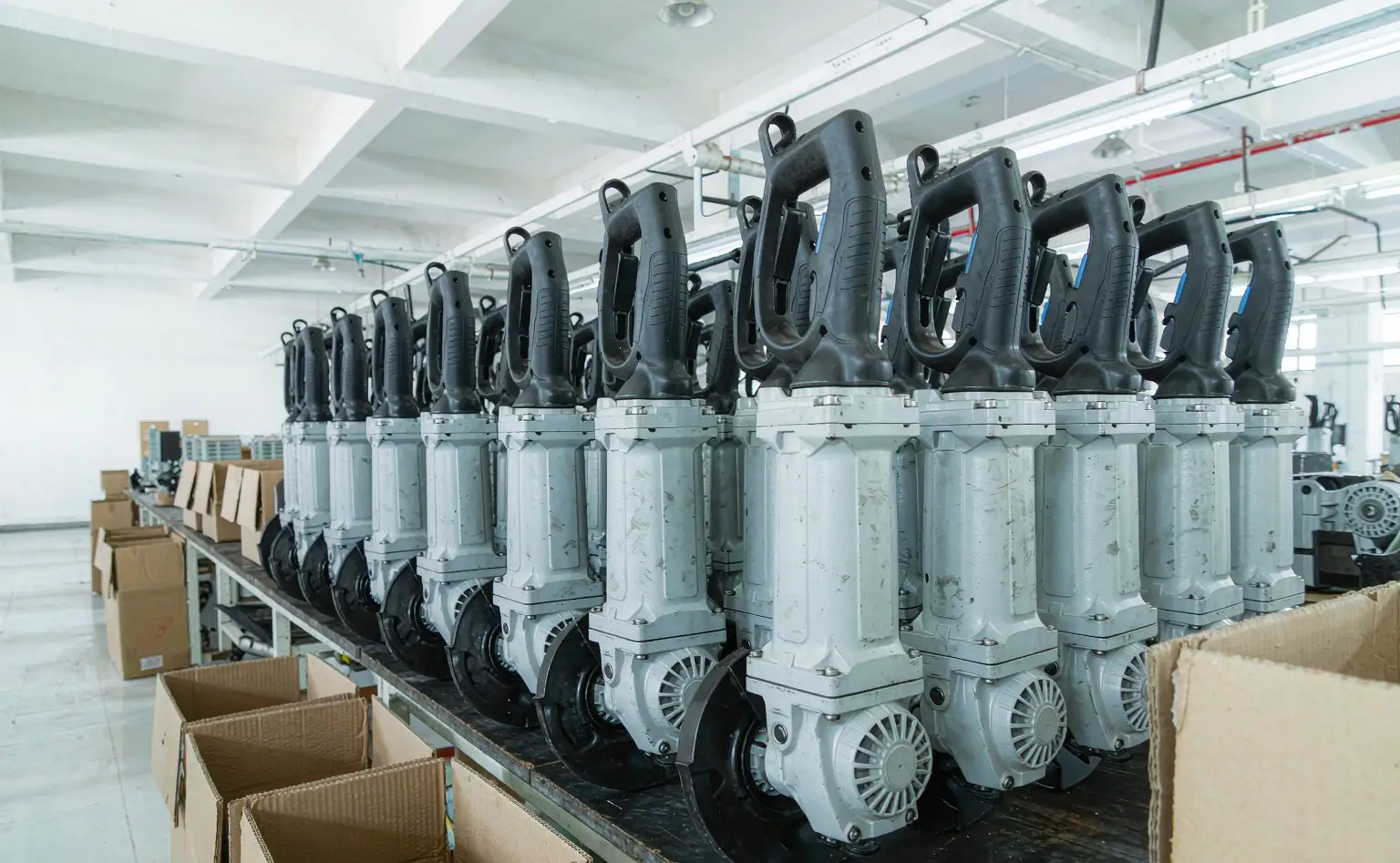
Off-machine handling adds no product and relies on discipline: stack finished machines off the wall and off the floor with ventilation aisles, first-in first-out. The same pairing of dosing with humidity control is set out for container moisture and mould in shipping. The container stage for an export lot is dosed separately by container type, because condensation at sea is the main cause of cartons turning damp on board.
6. Questions: housing only, and can the sealant be skipped
Is it enough to dose the housing and leave the gearbox alone? No. The housing covers the plastic parts, not the ring of sealant at the gearbox joint. That glue line is an organic interface in damp and dust and moulds first, with the spot then travelling inward along the seam. The reverse fails too: dose the glue and the recesses and texture of the plastic shell still support mould. Each stage covers its own surface, and missing one leaves one exposed face.
Can the housing agent be used in the sealant instead? No. The housing uses a plastics anti-mould powder designed to be formed with the compound inside a plastic system; the sealant is a glue system and needs a glue mildew inhibitor weighed against glue weight. The systems, the basis of the calculation and the pH conditions all differ, so borrowing one for the other is guessing at parameters. Samples and TDS for both are available, so you can run a small trial against your own glue and resin grades before fixing the dose.
Two points carry the work. The housing and plastic parts take iHeir-JS117 plastic anti-mould powder at 0.5%-1.0% of part weight, withstanding 280℃; the gearbox sealant takes iHeir-JS glue mildew inhibitor at 1%-2% of glue weight at pH 6-7. Batch and record the two separately, and hold relative humidity below 60% through assembly and storage, first-in first-out.


