




 View Count:27
 Date:2026-10-17
Can mould be prevented on a spin bike’s leather saddle and its frame coating? Two parts of the machine really do mould: the saddle leather, or its PU cover, takes spots first in the humidity of the shop, and the frame coating leaves the substrate exposed once it is wiped and scratched. The saddle takes iHeir-PF leather antimicrobial agent at 0.05%-0.2% on leather weight, and the frame coating takes iHeir-YQ paint mould and bacteria inhibitor at 1%-1.5%. This article covers the dosing stage, the figures and the shop humidity rules for both.
1. Spin bike mould: the leather saddle and the frame coating
A spin bike is heavy-duty fitness equipment used in permanently humid surroundings. The saddle sits against the body, where most of the sweat ends up, so the cover material stays warm and damp for long periods; the frame is usually metal under a powder coat, yet seams, threaded holes, the derailleur area and the flywheel guard all collect water in the warehouse and inside a sea container. The machine looks clean at dispatch, and after a month or two in a humid market the saddle stitching shows white spots first and the coating breaks out next.
The two fail for different reasons. Saddle leather is a natural porous material with water and oils held between the collagen fibres, and without protection at the fat-liquor and finishing stages, a rise in shop humidity brings mould out; leather is sensitive to acids and alkalis, and a high pH in the formulation hardens the face and shifts the shade. The frame coating is a polymer film, and the problem is not the film itself but the scratches, the in-can residue and the interface with the substrate, so the coating additive has to look after both the can and the film. The process, the basis for the figure and the pH window are different for each.
2. The two places and their dosing compared
The table lines up the material, the dosing stage, the figure and the points to watch for each place, as a first draft of the process card.
| Part | Material | Dosing stage | Figure | Points to watch |
|---|---|---|---|---|
| Saddle | Genuine leather or PU cover | Added at the fat-liquor and finishing stages | iHeir-PF at 0.05%-0.2% on leather weight | pH of a 1% solution 3-8; hold the formulation below 8; forms an emulsion, so stir before adding |
| Frame coating | Paint or powder coat | Added at the paint mixing stage with thorough stirring | iHeir-YQ at 1%-1.5% of paint weight | pH 4-7; cap the dose at 15ppm active; works in the can and in the film |
| Stitching and joins | Webbing and thread | Confirm the textile is dry before stitching | Shop humidity below 60% relative humidity | Damp thread going into the shop seals water inside the saddle |
| Assembly and store | Complete bike | Pack only once the coating has cured and the saddle is dry | Below 60% relative humidity; off wall and floor | Bagging an uncured coating traps water vapour in the film |
The first two rows are two separate dosing lines, the third looks after the interface before stitching, and the fourth is assembly and storage. Miss any one and the problem only shows after the customer has used the machine for some time.
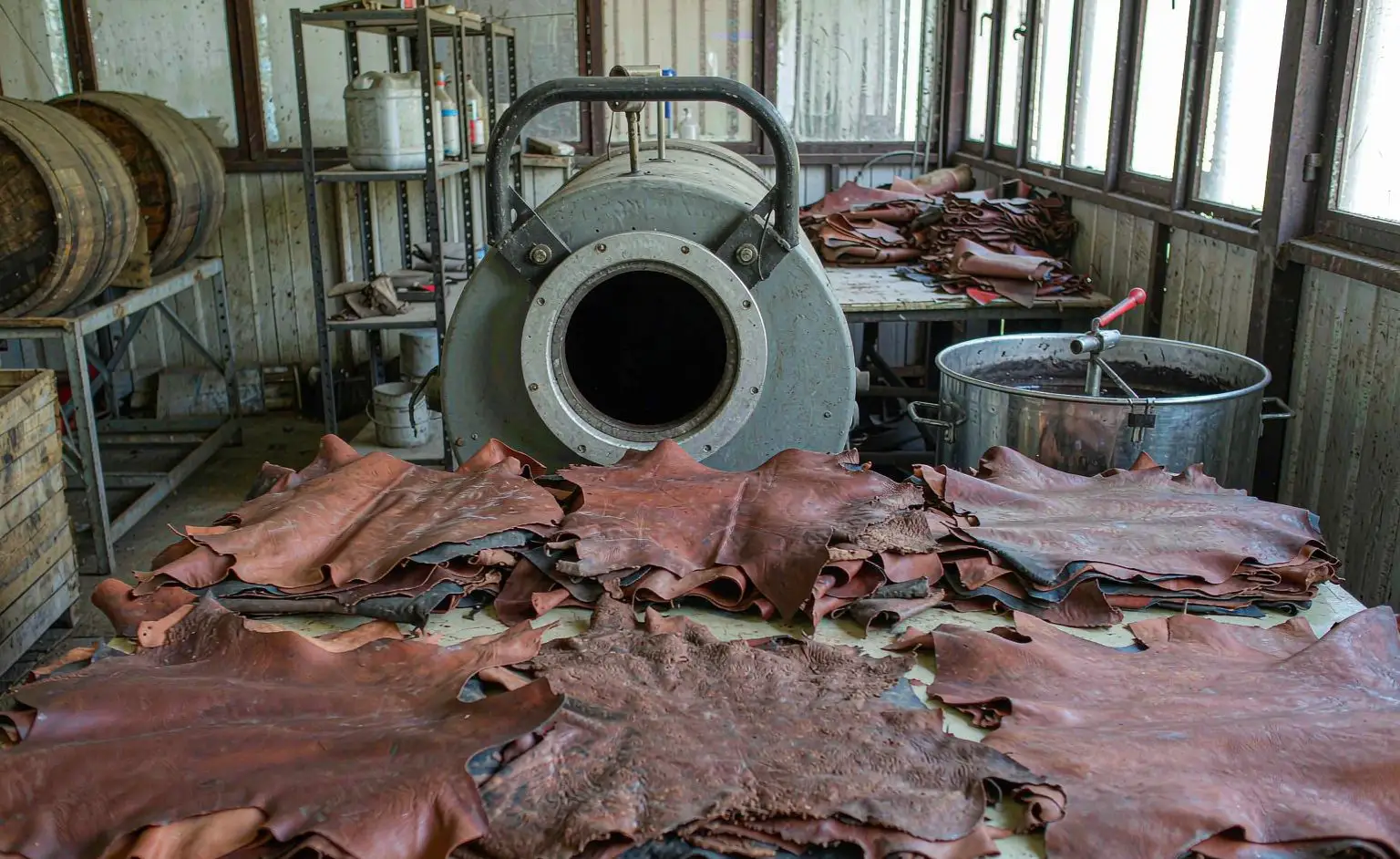
3. Saddle: leather takes PF at 0.05%-0.2% at fat-liquor and finishing
The saddle uses iHeir-PF leather antimicrobial agent at 0.05%-0.2% on leather weight. It is a brown, transparent, emulsifiable liquid that forms an emulsion in water, with an active content of 30±1%, and it is added at the fat-liquor and finishing stages so that the hide is protected from the wet state through to the finished article. Choose the figure by hide type and storage cycle: thin covers on a short cycle take the 0.05% end, while heavy hides and long export shelf life take the 0.2% end.
Dose it at the fat-liquor and finishing stages, following the drum or the finishing line, so the additive enters the leather with the emulsion; a spray on the finished surface wears away with the first scuff. Leather is sensitive to acids and alkalis, the pH of a 1% solution of PF is 3-8, so hold the formulation below 8 and space out any alkaline auxiliary used in the adjacent stages. On safety, the acute oral LD50 in mice is 1441 mg/kg or above, a low-toxicity grade, but the product irritates eyes and skin, so wear goggles and gloves as set out in the safety data.
4. Frame coating: YQ at 1%-1.5% at the paint mixing stage
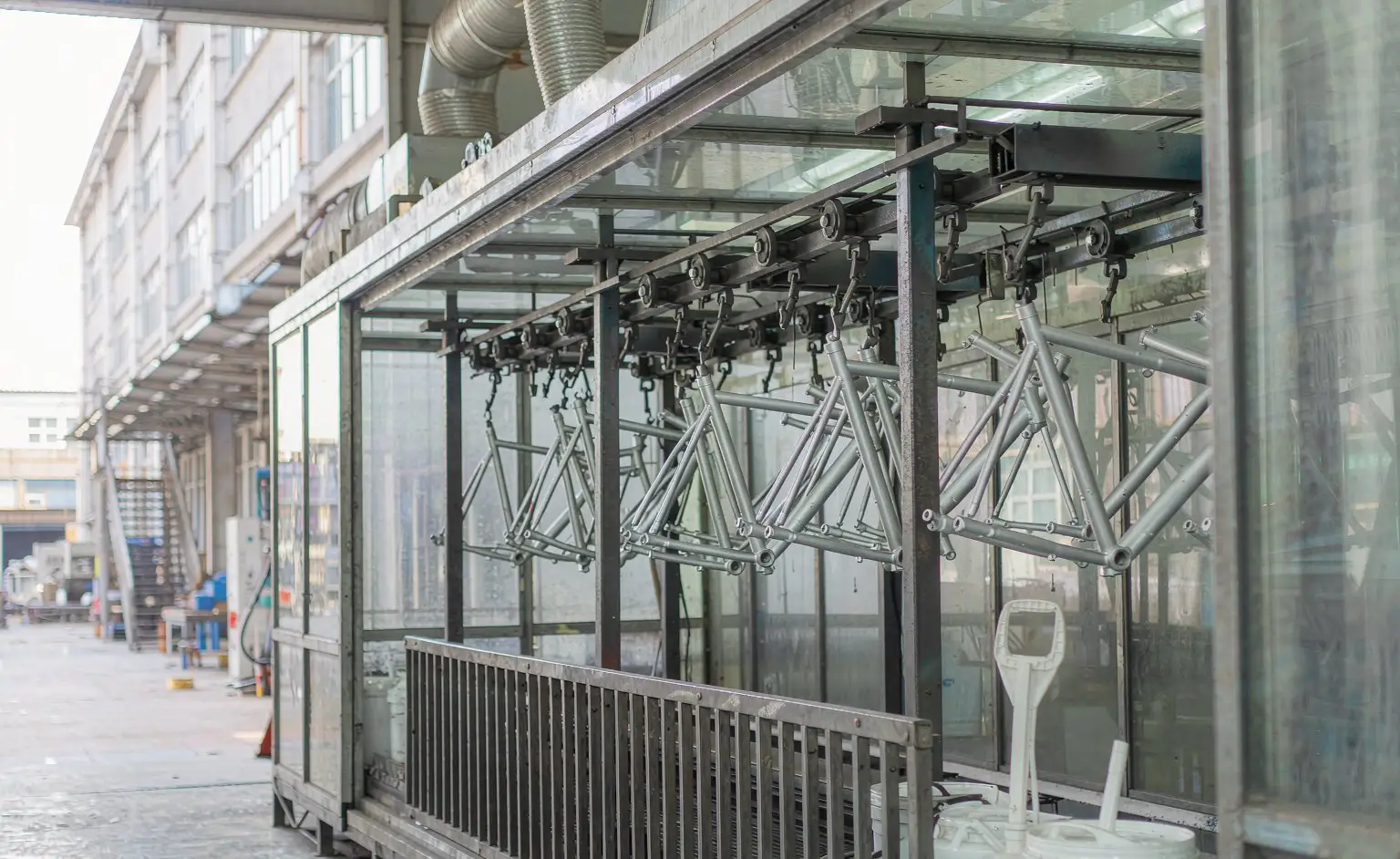
The frame coating uses iHeir-YQ paint mould and bacteria inhibitor at 1%-1.5% of paint weight, stirred in thoroughly. It is a natural-coloured liquid with an active content of 79.5%, a viscosity of 3cps at 25℃, a specific gravity of 1.02±2% and a pH of 4-7, compatible with the great majority of solvent-borne systems. Added at the paint mixing stage, it looks after the can once it is opened as well as the film itself.
Two details matter. First, stir thoroughly before spraying: the additive is a liquid dispersed by agitation, and poor stirring leaves patches with no protection. Second, cap the dose at 15ppm active substance; more is not better, because beyond that point it buys nothing on appearance or cure and only adds cost. On the figure, 1% suits indoor parts and 1.5% suits export batches that sit in humid conditions for a long time. Frames that go through a powder coat line are not dosed here — that additive goes into the powder formulation instead.
5. pH and process: hold the leather line below 8
The two lines have different pH windows, so plan them apart. The leather line runs between pH 3 and 8, and any alkaline stage between fat-liquoring and finishing has to be spaced out in time; PF is an emulsion, so dilution and temporary storage should avoid direct contact with strong alkalis and metal ions. The coating line runs at pH 4-7 and is compatible with common solvent-borne systems, but thinners and hardeners should follow the existing formulation — do not raise the curing temperature just to speed drying up.
The two lines meet at assembly. Before assembly, confirm the coating has fully cured and the saddle is dry: bag an uncured coating and the trapped vapour clouds the film, and fitting a damp saddle leaves a warm, humid layer between thread and cover. Hold this area below 60% relative humidity and store finished bikes off wall and floor, first in first out.

6. Questions: can one product serve both, and can a wipe-down replace prevention
Can the saddle and the frame use the same additive? Not advisable. Leather is a natural porous material that needs an emulsion travelling between the fibres and a narrow pH 3-8 window, while a coating system needs compatibility with paint and solvents plus protection in both the can and the film. One formulation cannot serve both; using the right product for each, at its own figure, costs less in total.
Can a wipe-down with a remover on the finished bike stand in for prevention? No. Wiping only clears mould that has already grown, and unprotected areas come back; repeated wiping also damages the coating and the leather. The order is prevention first — the saddle at the fat-liquor and finishing stages, the frame at the paint mixing stage — and cleaning afterwards only if spots appear. Samples and TDS are available for both products, and a trial against your existing hides and paint system is the safest way to fix the figures.
Four points carry the work. The saddle leather takes iHeir-PF leather antimicrobial agent at 0.05%-0.2% on leather weight at the fat-liquor and finishing stages, with the formulation held below pH 8. The frame coating takes iHeir-YQ paint mould and bacteria inhibitor at 1%-1.5% of paint weight at the mixing stage, stirred thoroughly and capped at 15ppm active substance. Shop humidity is held below 60% relative humidity. Coating cured and saddle dry before assembly, finished bikes off wall and floor.


