




 View Count:40
 Date:2026-10-10
Bluetooth earphone mould sits on two materials that must be handled apart, so how do you dose the silicone ear tips and the charging case separately? The ear tips are silicone and the case is a plastic part, and the spots show first on the tip surface and on the liner inside the case. The ear tips take iHeir-GG907 silicone rubber antimicrobial cream at 1.5%-2.0% on silicone weight, and the case parts take iHeir-ECO plastic antimicrobial agent at 0.3%-1.0% on part weight. This article covers the two materials and the test on the finished unit.
1. Where the mould comes from: the silicone ear tip and the charging case
A Bluetooth earphone is simple in structure but splits into two material families: the ear tips and ear plugs are silicone, and the top and bottom shells with the inner tray of the charging case are plastic. The two families fail in different ways, one leaning towards bacteria and the other towards mould, so the figures cannot be carried across.
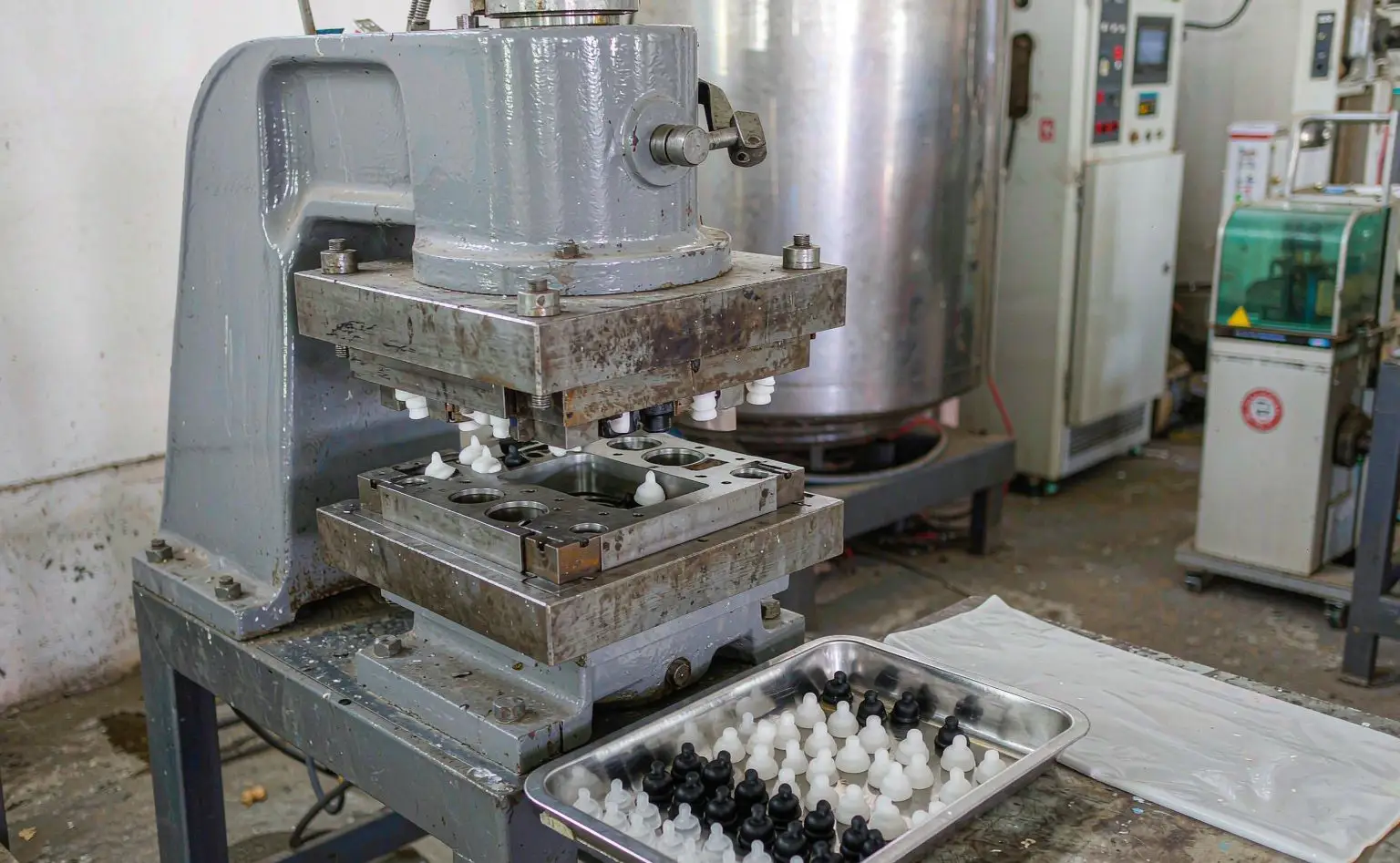
On the silicone line, the compound takes in filler during mixing, the mixing temperature can run high, and a damp resting place all leave the stock with spores to start with; the ear tip is a worn part that sits against the ear and collects sweat and oil, which makes it the place in the whole unit that most needs the antibacterial effect. On the charging case line, the shells are mostly ABS or PC, and pellets that were not dried plus a high regrind ratio leave release agent on the surface, so an unventilated bin turns grey spots within days; the inner tray and paperboard take up damp, and once the box is sealed that damp stays in.
So the work splits in two: the silicone side becomes an antibacterial compound with the cream mixed in during compounding, and the plastic side takes its agent at the compound stage through an antimicrobial masterbatch. One spray on the finished unit reaches neither the soft silicone surface nor the liner inside the case, and assembly friction soon takes it off.
2. The two materials at a glance
The table lines up the part, the material, the product, the figures and the points to watch, so it can serve as the first draft of a process card.
| Part | Material | Product | Figures | Points to watch |
|---|---|---|---|---|
| Silicone ear tips and plugs | Silicone | iHeir-GG907 silicone rubber antimicrobial cream | 1.5%-2.0% on silicone weight | Added at the compounding stage; works at pH 5-9 with 50% active content; mix evenly before checking appearance |
| Charging case shells | ABS or PC | iHeir-ECO plastic antimicrobial agent | 0.3%-1.0% on part weight | In with the masterbatch or a premix; thermal stability 240 degrees, clear of 320 degrees |
| Inner tray and liner | Plastics and paperboard | Damp control only | Below 60% relative humidity | Check the liner moisture before cartoning; add a gas-phase sheet by box |
| Finished unit boxing | Packing box | Damp control only | Below 60% relative humidity | Box only dry parts; do not bag a warm unit |
One conclusion from the four rows: the ear tip is figured on silicone weight and the case on part weight, so the two bases differ, and the inner tray and the boxing stage take no agent at all.
3. Silicone ear tips: GG907 goes in at the compounding stage
The ear tip line is silicone. Use iHeir-GG907 silicone rubber antimicrobial cream at 1.5%-2.0% on silicone weight, mixed through the stock at the compounding stage; it works across pH 5-9 with an active content of 50% and sits well in ordinary silicone systems. GG907 bonds with the stock and is distributed through the whole tip rather than sitting on the surface, so wear, washing and wiping will not rub it off.
Three details. First, the figure is on total silicone weight, regrind and coloured stock included, so any change in the ratio means recalculating. Second, add the cream early in the mixing cycle and blend it through, because adding it late tends to disperse unevenly and leave pale patches or bloom. Third, the ear tip is a worn part, so verify the antibacterial rate by an ISO 22196 method on both a silicone sheet and a finished tip, since testing the stock alone proves nothing.
4. Charging case parts: ECO goes in on part weight
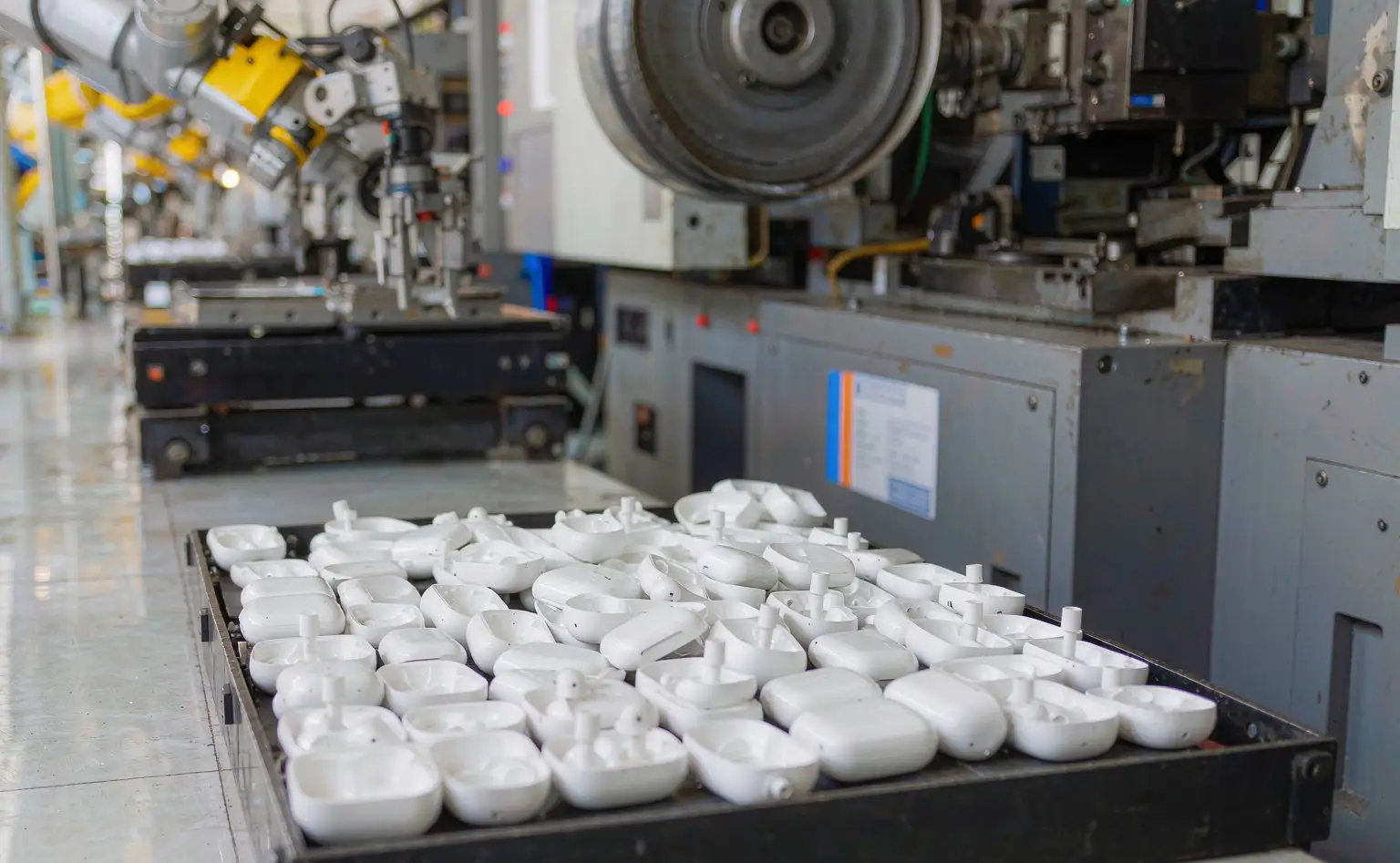
The top and bottom shells and the inner tray of a charging case are mostly ABS or PC. Use iHeir-ECO plastic antimicrobial agent at 0.3%-1.0% on part weight, with general PE and PP at 0.3%-0.5%, premixed with the compound or made into a masterbatch before the barrel. ECO bonds with the resin and is distributed through the whole shell; thermal stability reaches 240 degrees and the process temperature should stay clear of 320 degrees.
Three details. First, dry the pellets before they go in, because PC and ABS take up moisture and a wet melt causes silver streaks. Second, the case is a visible part, so the masterbatch has to be premixed and dispersed evenly, since powder tipped straight in tends to leave cloud marks on the face. Third, the inner tray and the paperboard are absorbing materials, so measure their moisture content before boxing; that water is harder to shift than the water in the shell itself.
5. Assembly and boxing: the worn part and the finished store
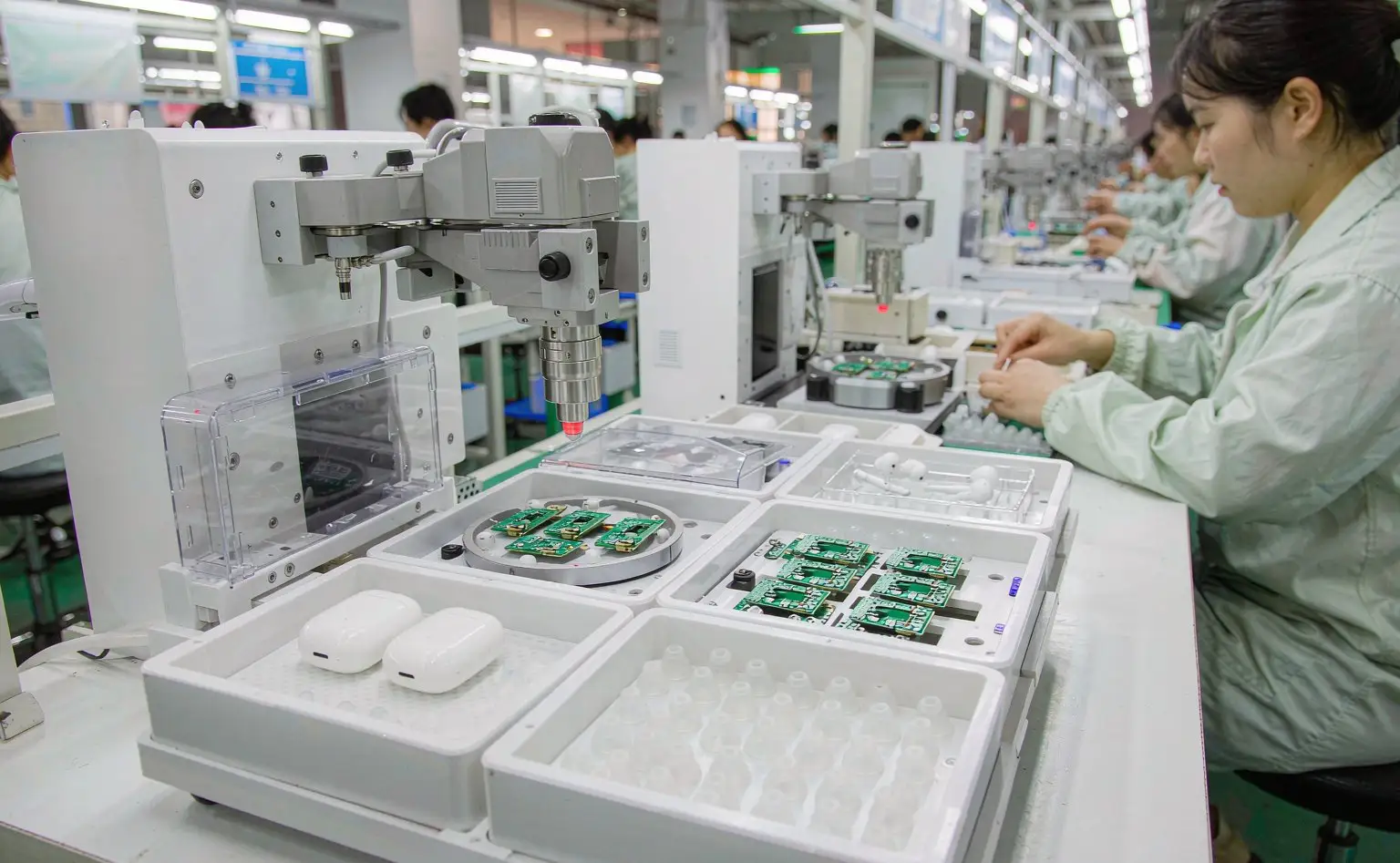
Assembly and boxing exist to keep the earlier results intact. Hold the assembly line below 60% relative humidity, clean benches and tote boxes on a schedule so dust does not carry spores, and measure the surface before the ear tip and the shell are joined; do not bag a warm unit, because a temperature difference condenses inside the bag first. Since the ear tip is a worn part, keep bare-hand contact short on the line, because sweat and oil are a second source of contamination.
Boxing is about the liner and the humidity. Paperboard and inner trays take up damp fastest, so bring their moisture down before boxing, and add desiccants by carton type for export, because a sea voyage is long and container condensation is harder to control than a warehouse. For choosing between masterbatch and powder, see masterbatch or powder for plastic antimicrobial.
6. Questions that come up: one product for both, and why the ear tip stands alone
Can the silicone ear tip and the charging case share one product? No. The tip is a silicone system and the case is a plastic system, so the carrier and the addition stage differ; forcing one onto the other either fails to disperse or damages appearance.
Why does the ear tip need its own figure? The ear tip is a worn part that sits against the ear and collects sweat and oil, which makes it the place that most needs the antibacterial effect; its figure is on silicone weight, which is a different base from the part weight used for the case, so the two are always set apart.
Can extra loading cover damp picked up after boxing? No. Damp after boxing is an environment problem, not a concentration problem, and extra loading only raises the cost of the additive. Hold the assembly line and the finished-goods store below 60% relative humidity, bring the liner moisture down first, and add desiccants by carton type.
Two points carry the work: the silicone ear tip goes in at the compounding stage (iHeir-GG907 at 1.5%-2.0% on silicone weight) and the charging case goes in at the mixing and plasticising stage (iHeir-ECO at 0.3%-1.0% on part weight), while assembly and boxing hold both results with damp control. Samples and TDS sheets are available for a trial on your line.


