




 View Count:41
 Date:2026-10-10
Where does power bank mould start, on the shell or in the battery compartment? The shell is a moulded part and the compartment with its packing liner is a second line, the spots usually show first on the shell face and on the liner, and the cells must not be touched. The shell takes iHeir-ECO plastic antimicrobial agent at 0.3%-1.0% on part weight, and the compartment and liner take iHeir-D gas-phase antimicrobial and mould inhibitor at 0.1-0.2 g per sheet. This article covers the two lines and the damp control before cartoning.
1. Where the mould comes from: the shell and the battery compartment as two lines
Mould on a power bank sits on two lines: the plastic shells, and the battery compartment with its packing liner. The shell is the visible part, so a spot on the shell face is the first thing a buyer sees; the liner and the paperboard take up damp fastest, and once the box is sealed that damp is trapped inside and shows up first when the container swings.
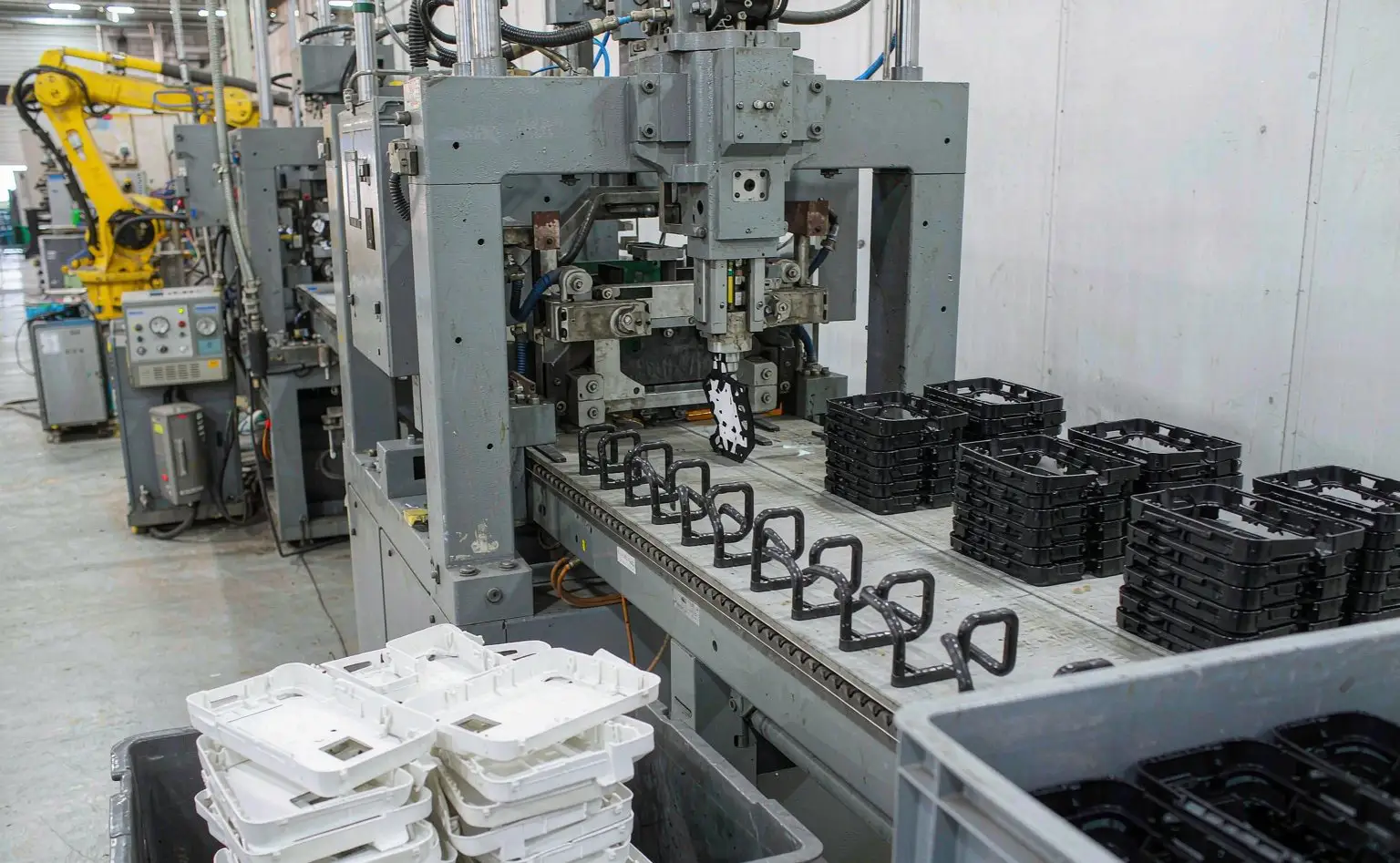
On the shell line, pellets that were not dried and masterbatch or regrind that carries spores leave the tool with release agent on the surface, and an unventilated bin turns grey spots within days; hand sweat and oil on the assembly line make it worse. On the compartment and packing line, the brackets, insulating pads and paperboard in the compartment take up damp, and once the finished unit is bagged and the carton is sealed that damp stays in until a temperature swing condenses it.
So the work splits in two: the anti-mould effect goes into the shell compound through an antimicrobial masterbatch, and the compartment side runs on gas-phase anti-mould and damp control. The only places touched are the shell and the packing; the cell itself is left alone so that electrical performance and safety are not affected.
2. The two lines at a glance
The table lines up the part, the material, the product, the dosage figures and the points to watch, so it can serve as the first draft of a process card.
| Part | Material | Product | Figures | Points to watch |
|---|---|---|---|---|
| Top and bottom shell | ABS, PC or PE | iHeir-ECO plastic antimicrobial agent | 0.3%-1.0% on part weight (PE/PP 0.3%-0.5%, PVC 0.5%-1.0%) | In with the masterbatch or a premix; thermal stability 240 degrees, clear of 320 degrees |
| Battery compartment bracket and pad | Plastics and paperboard | iHeir-D gas-phase antimicrobial and mould inhibitor | 0.1-0.2 g of active ingredient per sheet | An ink-coated grade placed by part and by box, not sprayed on |
| Packing box and manual | Paperboard and liner | iHeir-D gas-phase antimicrobial and mould inhibitor | One sheet per box, adjusted to the volume | Check the liner moisture before cartoning and dry a damp liner first |
| The cell itself | Cell | No treatment | Not applicable | No additive and no spray, to protect electrical performance and safety |
One conclusion from the four rows: the shell is figured on part weight and the compartment and packing are set per sheet, while the cell is left untreated, and the two lines are never converted into each other.
3. The shell: ECO goes in at mixing and plasticising
Top and bottom shells are mostly ABS, PC or PE. Use iHeir-ECO plastic antimicrobial agent at 0.3%-1.0% on part weight, with general PE and PP at 0.3%-0.5% and PVC at 0.5%-1.0%, premixed with the compound or made into a masterbatch before the barrel. ECO bonds with the resin and is distributed through the whole shell rather than sitting on the surface, so assembly friction, wiping and hand sweat will not rub it off; thermal stability reaches 240 degrees and the process temperature should stay clear of 320 degrees.
Three details. First, dry the pellets before they go in, especially PC and ABS, because moisture in the melt causes silver streaks and carries water into the finished part. Second, the figure is on total part weight, regrind included, and since shells are often run with regrind, any change in the ratio means recalculating. Third, shells are thin and cycle fast, so the additive has to be premixed and dispersed evenly, since tipping powder straight in tends to clump and leave cloud marks on a visible face.
4. Battery compartment and packing: D for gas-phase mould control, with the cell left alone
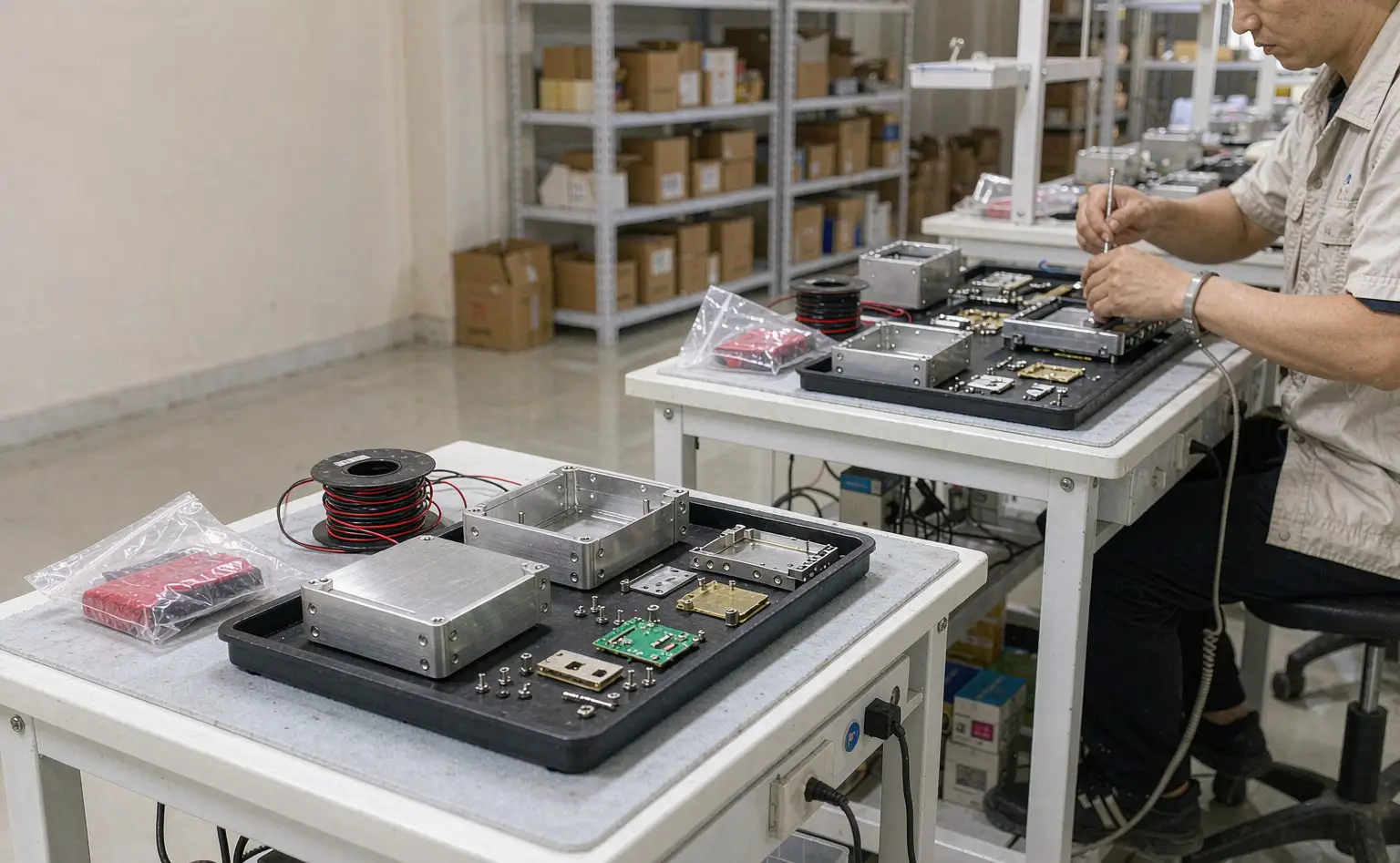
The compartment side takes no liquid additive. iHeir-D gas-phase antimicrobial and mould inhibitor is an ink-coated grade at 0.1-0.2 g of active ingredient per sheet, and the vapour it releases builds an inhibiting atmosphere inside a closed space, which suits the battery compartment, the pack box and the manual bag. It works through the vapour, so it never has to be sprayed onto the shell or the cell.
Three details. First, gas-phase anti-mould covers mould inside a closed space, so the moisture content of paperboard and liner has to come down first for the effect to hold. Second, the sheet has to sit inside the sealed space, because one taped to the outside or pushed into a gap never reaches the internal air. Third, adjust the number of sheets to the box volume, since too few in a large box and too many in a small one are both wrong.
5. Assembly and packing: damp control and liner management
Assembly and packing exist to keep the earlier results intact. Hold the assembly line below 60% relative humidity, clean benches and tote boxes on a schedule so dust does not carry spores, and measure the shell surface before it is closed; do not bag a warm part, because a temperature difference condenses inside the bag first.
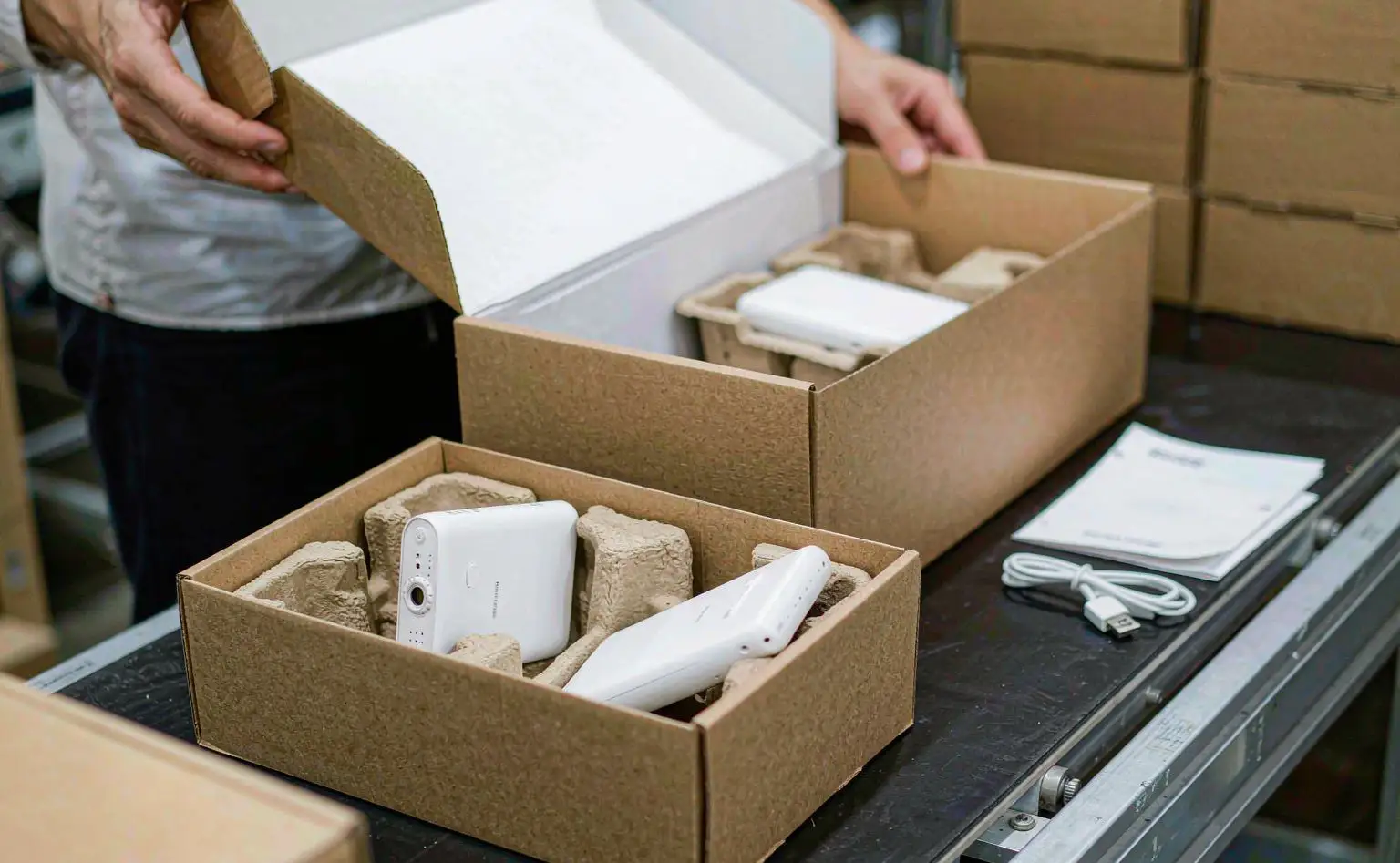
Packing is about the liner and the humidity. Paperboard and PE foam liners take up damp fastest, so bring the liner moisture down before cartoning, and add desiccants by carton type for export, because a sea voyage is long and container condensation is harder to control than a warehouse. For choosing between masterbatch and powder, see masterbatch or powder for plastic antimicrobial.
6. Questions that come up: shell only, or extra loading in store
Is treating the shell alone enough? No. The shell handles the mould on its own face, but the damp in the compartment and the liner is still there, and once the box is sealed it mildews inside the closed space; the two lines have to be done together.
Should the cell be treated as well? No. The cell is a live component, so no additive and no spray are used; anti-mould work stays on the shell and the packing, to protect electrical performance and safety.
Can extra loading cover damp picked up after packing? No. Damp after packing is an environment problem, not a concentration problem, and extra loading only raises the cost of the additive. Hold the assembly line and the finished-goods store below 60% relative humidity, bring the liner moisture down first, and add desiccants by carton type.
Two points carry the work: the shell goes in at the mixing and plasticising stage (iHeir-ECO at 0.3%-1.0% on part weight) and the compartment and packing take iHeir-D gas-phase antimicrobial and mould inhibitor (0.1-0.2 g of active ingredient per sheet), while assembly and packing hold both results with damp control. Samples and TDS sheets are available for a trial on your line.


