




 View Count:45
 Date:2026-09-07
Three questions come up every plum-rain season: “why does my coconut coir mattress mold?”, “the coir mattress has a musty smell, what do I do?”, and “there are bugs inside the coir mattress, can it still be used?”. The root cause is the core material itself. Unlike latex or spring mattresses, a coconut coir mattress uses natural coconut husk fiber (coir) bound with a small amount of natural latex. The combination of plant sugar (mold food) + porous fiber (mold housing) + latex protein (mold side dish) makes it far more mold-prone than other cores. Coir moisture regain runs 13%-15%, so once bedroom or warehouse humidity climbs above 60%RH, mold and dust mites can colonize the core in just a few months. This article covers coconut coir mattresses (and the related palm fiber and jute mattresses), covering factory treatment (de-sugaring + drying + anti-mold immersion) and consumer maintenance (bedroom humidity + daily care). We do not spray any chemical agent on finished mattresses; the whole approach stays compliant with REACH, OEKO-TEX, and GB 18401.
1 Coconut coir vs. latex: how three natural mattress cores compare
The “coir mattresses” sold today fall into three families, with very different mold risk:
- Coconut coir mattress: core is coconut husk outer fiber, relatively high sugar content (coconut husk itself contains sugars), short and stiff fibers, bound with latex or heat-fused fiber. Support is firm and price is moderate, but the high sugar content means higher mold and pest risk than other cores if moisture is not controlled.
- Palm (mountain) fiber mattress: core is mountain palm trunk fiber, lower sugar content than coir, longer and tougher fibers, also bound with latex or heat-fused fiber. Mold risk is one tier below coconut coir, but the price is higher.
- Jute mattress: core is jute stem fiber, the lowest sugar content of the three, the least prone to mold, but the most expensive and lowest in production volume.
All three are natural plant fibers with the same shared weakness: sugar (mold food) + porous structure (mold housing) + protein binder (latex or starch glue, mold side dish). The fix is always the same three levers: moisture control + de-sugaring + anti-mold treatment. Comparison table:
| Core type | Main raw material | Sugar content | Moisture regain | Mold risk | Price |
|---|---|---|---|---|---|
| Coconut coir | Coconut husk fiber | High | 13%-15% | High | Mid |
| Palm fiber | Mountain palm trunk fiber | Medium | 11%-13% | Medium | Mid-high |
| Jute | Jute stem fiber | Low | 10%-12% | Low | High |
2 How to identify coir mattress mold: 4 typical symptoms plus return cause analysis
Four symptoms mark a coir mattress as molded, and they differ from latex or foam:
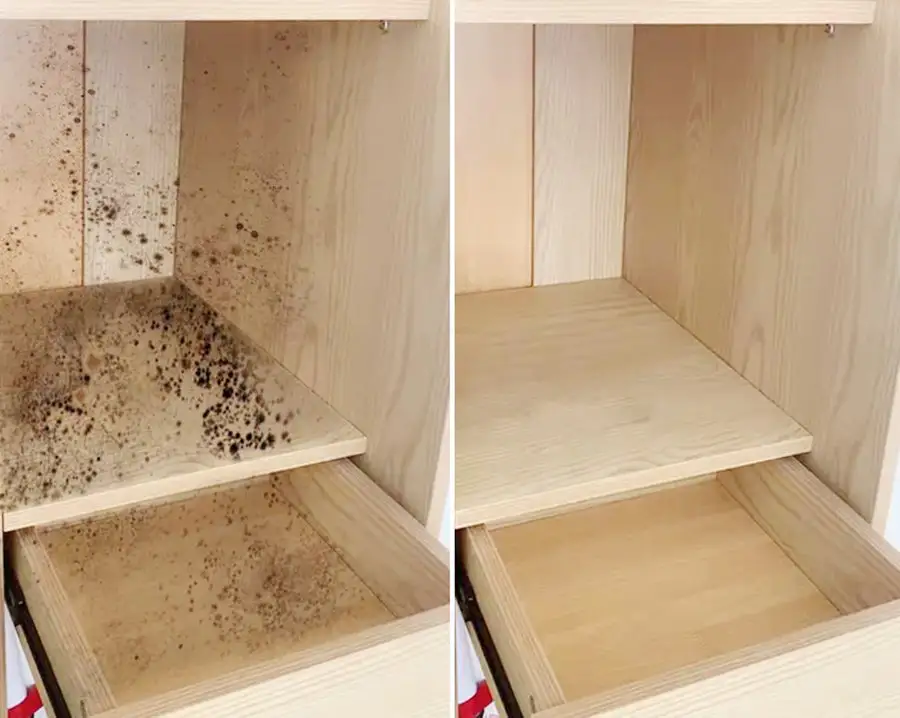
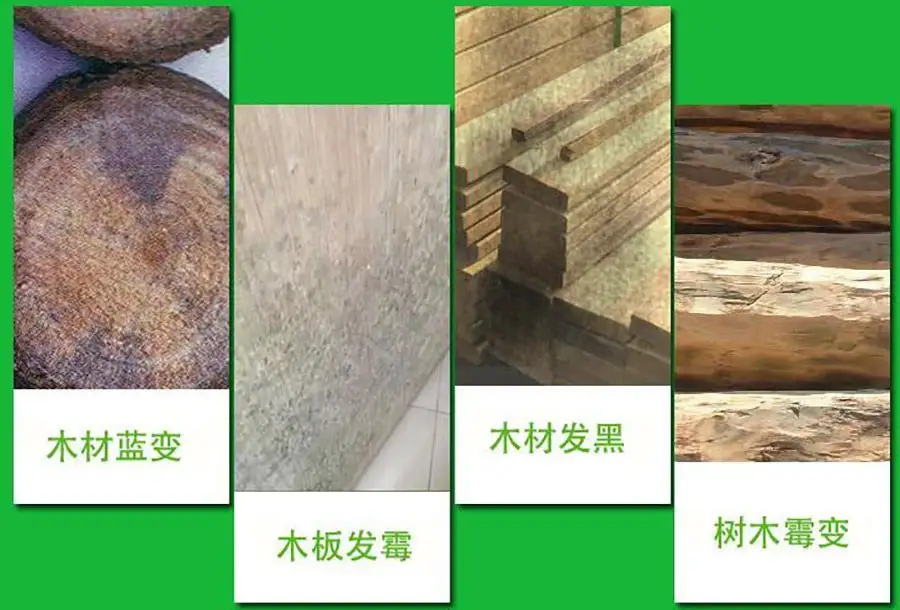
- White, green, or gray-black mildew spots on the surface: typically along stitching, quilting, or air-vent holes. The spots do not wipe off and smear into powder when rubbed—these are live mold colonies, not stains.
- Musty, sour, or sour-rot smell: a musty + sour-rot odor near the mattress surface. Coir mildew smells more sour and sharper than latex, because both sugar and protein are breaking down at once.
- Mite bore dust inside the core: open the cover and inspect the core. If you see fine bore powder, tiny holes, or mite droppings, dust mites and clothes moth larvae are breeding in the coir. The high sugar content makes coir an ideal medium for mite eggs.
- Sagging or uneven firmness: a mattress that was once flat now has localized sagging, uneven firmness, or coir clumping. Mold has eaten the latex binder, the coir lost its bond, and the mattress is effectively scrap.
When handling a return, classify the mold by stage: ① factory warehouse; ② consumer bedroom; ③ dealer warehouse; ④ sea freight. Each stage carries a different responsibility and a different fix, so do not always blame the consumer. The pre-shipment anti-mold logic in our latex pillow and mattress guide applies to coir mattresses as well.
3 Factory-side treatment: de-sugaring + drying + anti-mold immersion, three steps
After coir fiber enters the factory and before it is bound into the mattress core, three anti-mold steps are non-negotiable:
- Step 1: de-sugaring (the critical step): coconut husk fiber carries 3%-6% sugar by weight, which is direct food for mold. Two common de-sugaring methods: hot water boil (80-90°C, 30-60 min) or alkali dip (NaOH 0.5%-1%, 20-30 min). After de-sugaring, the sugar content drops to below 0.5%, and mold reproduction slows by 60%-70%.
- Step 2: drying (controlling moisture content): after de-sugaring the fiber is wet and must be dried to moisture content ≤12%. Standard drying: 80-100°C hot air for 4-6 hours, or 60-80°C vacuum drying for 2-3 hours. Each 1% drop in moisture content reduces mold risk by 8%-10%.
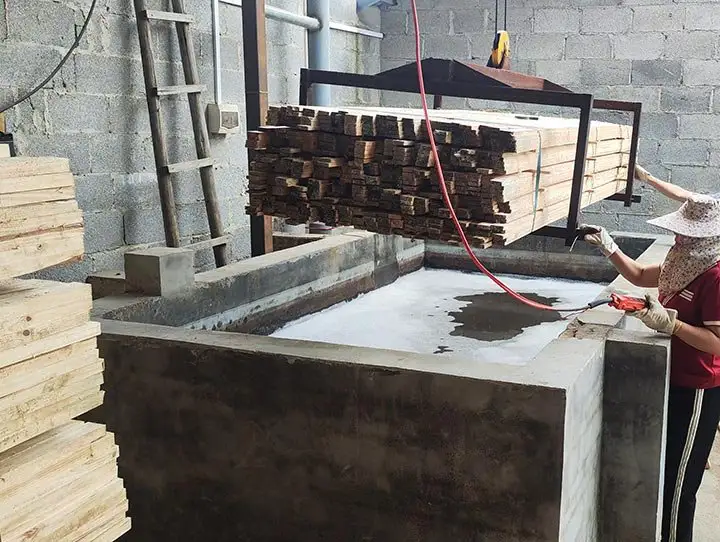
- Step 3: anti-mold agent immersion: after drying, cool the fiber to room temperature and use iHeir-JP bamboo and wood anti-mold agent (see iHeir-JP bamboo and wood fungicide, formulated for bamboo, wood, rattan, palm, jute, hemp, grass, and other natural fibers) at 2%-3% dilution, soak 20-30 minutes, then dehydrate and dry. JP-treated coir fiber stays mold-free for 60 days at 30°C / 85%RH and does not damage the latex binder. Passes OEKO-TEX Standard 100, REACH, GB 18401; non-irritating to skin.
Cost check: anti-mold treatment for a single 1.8m coir mattress runs about USD 0.7-1.7 (de-sugaring utilities $0.14-0.42 + anti-mold agent $0.28-0.56 + drying energy $0.28-0.70), while a single mold-related claim is usually USD 30-280 (based on mattress price and rework cost). A South China mattress maker had 18% mold rate on a 5,000-mattress export batch to Europe and the US in 2024, with claims of RMB 860,000; in 2025 they added JP immersion to the line and held mold rate across 12 export batches to ≤0.4%.
4 Finished mattress antimicrobial finishing: iHeir-BJ1000 silver-ion
The outer cover of a coir mattress is usually a knit fabric or 3D mesh. Antimicrobial finishing on the cover is what the consumer feels most directly. The standard pick is iHeir-BJ1000 silver-ion textile antimicrobial agent (see iHeir-BJ1000 silver-ion textile antimicrobial):
- Process: applied at the fabric mill after dyeing, before heat setting, by padding (immersion + nip) at 1%-2% concentration, then dry and heat-set. The silver ions bind firmly to the fiber and keep their antimicrobial activity for 50+ washes.
- Antimicrobial performance: ≥99% kill rate against Staphylococcus aureus, Escherichia coli, and Candida albicans; ≥85% dust mite inhibition. Passes ISO 20743, GB/T 20944.3, AATCC 100.
- Compliance: silver-ion dosage meets OEKO-TEX Standard 100 Class I (baby-safe), no heavy-metal leaching, no irritating odor, suitable for skin contact.
Important: BJ1000 is the cover-fabric antimicrobial finish; the inner coir core uses iHeir-JP from the previous section. The two must be combined to achieve “no mold inside, no bacteria outside”—doing only one side leaves a gap. If the cover needs both anti-mold and antimicrobial, treat the inner coir with iHeir-JP and the outer fabric with BJ1000; the two processes do not conflict.
5 Consumer use: bedroom humidity plus daily maintenance
Even with proper factory treatment, consumer maintenance is critical. Skip it and the mattress molds in 6-12 months anyway:
- Hold bedroom humidity at 50%-60%RH: coir mattresses fear sustained high humidity, not heat. Southern, coastal, and plum-rain regions must use a dehumidifier and keep humidity below 60%RH long term. Northern dry regions have more headroom.
- Avoid direct sunlight and keep away from heat sources: coir plus latex cores will age, become brittle, and fade under direct sunlight; the latex binder also breaks down faster. Place the mattress out of direct sunlight and away from radiators, underfloor heating, and electric blankets.
- Flip and air regularly: flip the mattress front-to-back every 3-6 months, air it out (strip the sheets, expose to air for 2-3 hours) once a month to let the core moisture evaporate.
- No breakfast in bed, no drinks on the mattress: food crumbs, coffee, milk, or juice leaking into the core deliver sugar + liquid—the perfect combination to accelerate mold.
- Use a mattress protector: choose a breathable waterproof protector (cotton outer, TPU waterproof-breathable inner layer) to block sweat from reaching the core without trapping heat. Wash the protector every 3-6 months.
Mattress lifespan: a coir mattress with proper factory anti-mold treatment lasts 8-10 years under normal use; an untreated one starts to sag, mold, and attract pests in 3-5 years. The selection logic in our textile anti-mold agent buying guide applies to coir mattress covers as well.
6 FAQ plus one desensitized case
Q1: The coir mattress smells musty. What should I do?
A: Move the mattress to a well-ventilated, dry spot (a balcony or a shaded outdoor area) and air it for 3-5 days to let the musty odor dissipate naturally. Wipe surface mildew with diluted white vinegar (1:3 with water), then air-dry. Do not rinse with water directly; water soaks into the core and worsens the mold. If the musty smell lingers after a week, contact the manufacturer for a rework—they can disassemble, dry, and re-treat the core.
Q2: The coir mattress has bugs. Can it still be used?
A: It depends on the extent. Surface-level bugs only on the cover can be handled by stripping and washing, sun exposure, and pest control. Heavy infestation inside the core (eggs, droppings, bore dust) means the mattress should be scrapped entirely; mite eggs are nearly invisible and will keep reproducing. When handling a bug-infested mattress, treat the bedroom at the same time to prevent cross-infestation.
Q3: Can a coir mattress be placed directly on the floor?
A: Not recommended. Placing it on the floor exposes it to ground moisture rising from below → core absorbs moisture → mold. Use a bed frame (with legs or ventilation holes) to keep the mattress underside ventilated. A flat platform works in dry northern homes; southern and coastal homes must use a raised frame (mattress base ≥10cm off the floor).
Desensitized case (South China mattress maker): A South China mattress maker shipped 5,000 coir mattresses to Europe and the US in 2024. On arrival, the customer reported 18% of mattress cores had molded or been infested with pests, with claims of RMB 860,000. Root cause: the coir raw material was not de-sugar treated, with sugar content at 4.2%, far above the safe line; post-drying moisture was 14%, above the 12% safety threshold; no anti-mold agent immersion step. In 2025 the factory upgraded the line: 80°C hot-water de-sugaring for 45 min + 90°C hot-air drying for 5 hours (moisture ≤11.5%) + iHeir-JP 2.5% immersion for 25 min. Across 12 export batches that year, mold rate fell to ≤0.4% and the mattresses passed OEKO-TEX random re-tests by European and US customers.
Coir mattress anti-mold rests on two pillars: factory process (de-sugaring + drying + anti-mold immersion) and consumer care (bedroom humidity + daily maintenance). With both in place, mold rate falls below 0.5% and mattress life extends from 3-5 years to 8-10 years. For a tailored plan based on coir / palm / jute core type, destination market, and OEKO-TEX / REACH compliance target, contact iHeir Hangzhou for sample testing and a custom process protocol.