




 View Count:31
 Date:2026-09-10
Foshan Soft Furniture Factory Anti-Mold: Sofa & Mattress Full Process Guide
Foshan’s Longjiang-Lecang cluster supplies over 70% of China’s upholstered furniture—fabric sofas, recliners, soft beds, and pocket-spring mattresses dominate export orders. Yet “soft” cuts both ways: fabric, foam, and adhesive each feed mold, and one humid week can turn a full container into a return claim before the customer even opens it. This guide walks through six stages—from fabric finishing, foam blocking, frame & hardware, finished-goods warehouse humidity, ocean-freight desiccants, to Power Pak anti-mold chips—for a zero-mold Foshan sofa factory workflow.
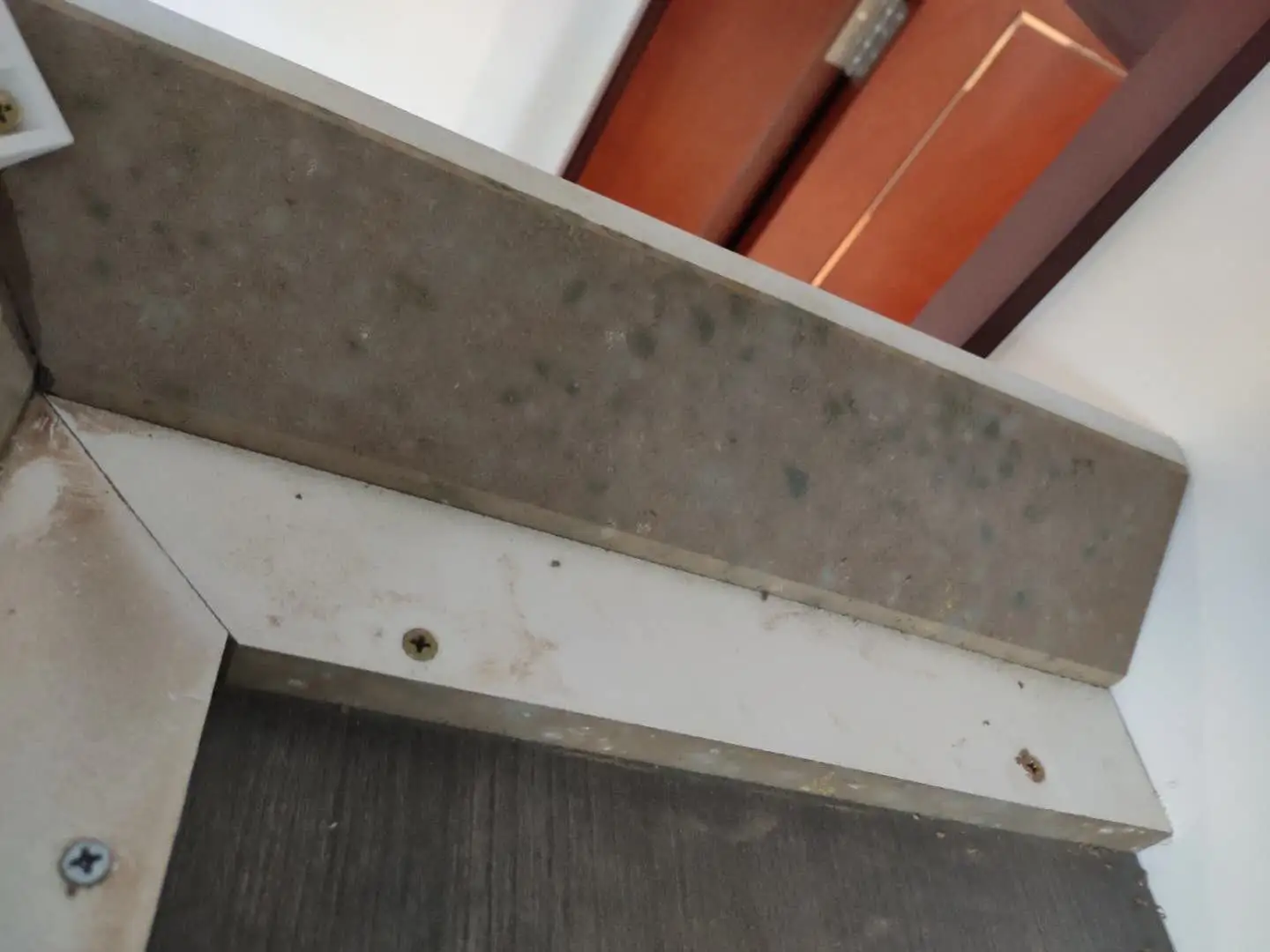
1. Why Upholstered Furniture Is a Mold Hotspot
Most Foshan factory owners first meet a mold claim thinking “we shipped clean goods.” The mold actually hides inside: cotton/linen/knit fabric absorbs 8-12% moisture at equilibrium, polyurethane foam keeps amine catalyst residues inside its cells, and water-based adhesives contain starch and PVA thickeners—pure carbon for mold spores. Stack these three nutrients and add Foshan’s humid spring (relative humidity regularly above 85%RH), and mold is inevitable. The only question is timing.
The fastest risk indicator is finished-goods moisture regain: above 9% on fabric or 6% on foam means immediate action; ambient humidity above 75%RH for any sustained period demands a dehumidifier or relocation.
2. Fabric Pre-Treatment: Pad Anti-Mild + Antibacterial Finishing
Many Foshan factories try to add mold protection as a last step on finished sofas—and the inner layers stay unprotected. The correct approach is to add protection at the final padding step in the dye-house, not in the assembly hall:
| Process step | Product | Concentration | Temperature | Notes |
|---|---|---|---|---|
| Pad finishing (after dyeing) | iHeir-BJ fabric mildew inhibitor | 2%-4% owf | Room temp to 40 °C | One dip + one nip, 70%-80% pickup |
| Antibacterial (same bath) | iHeir-BJ1000 silver-ion antibacterial | 0.5%-1% owf | Room temp | Mildew + antibacterial, avoid mixing with other biocides |
| Drying / curing | — | — | 100-120 °C for 2-3 min | Stenter for fixation |
Lab data: padded samples scored 0-1 on the AATCC 30 fungal-growth test (28-day humid incubation, no visible mold), versus grade 3-4 on untreated samples. No noticeable change in hand-feel or color fastness, compliant with GB/T 24346-2009 (Textiles—Evaluation of Anti-Mildew Activity).
Note: post-assembly spray protection fades within 2 months of ocean transit; padding is the only durable option.
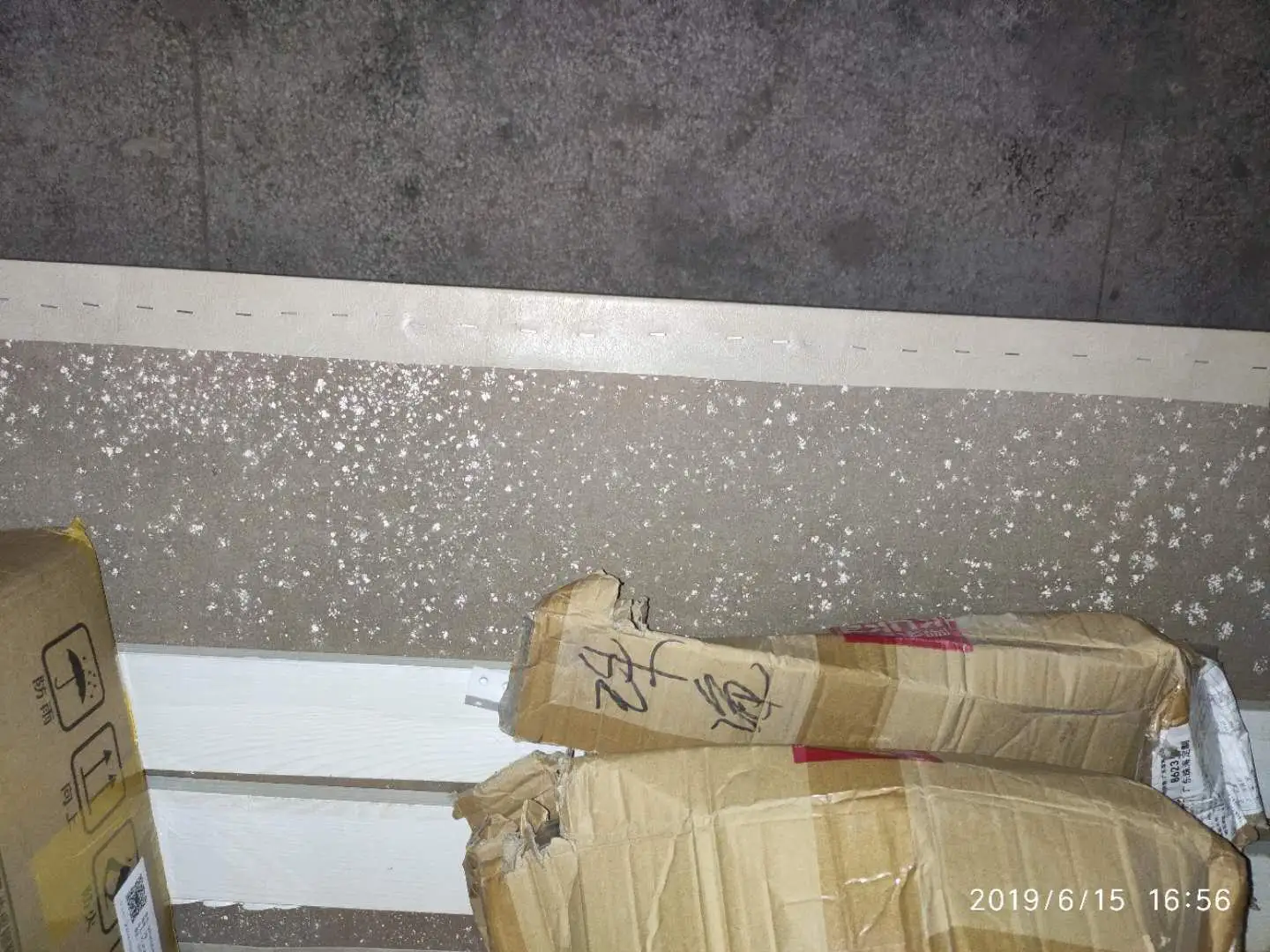
3. Foam & Filling Layer Protection
Foam mold is the trickiest because it sits inside the sofa and only surfaces at the customer’s end. Three checkpoints:
- Foaming stage: add 0.3%-0.5% foam-grade anti-mildew masterbatch into the polyol blend to block mold at the source;
- Post-cutting drying: freshly cut foam retains 8%-10% moisture—dry at 60-80 °C for at least 30 minutes to bring moisture regain below 5%;
- Before upholstery: spray the foam’s inner surface with iHeir-Spray (M3D) at 1%-2% concentration and let it dry before wrapping the fabric.
Field data from a Guangzhou upholstery maker: untreated foam stored 60 days had mold counts of 10⁵ CFU/g, versus ≤10² CFU/g on the dry+spray group—a 1000x reduction.
4. Wooden Frame & Hardware
The “skeleton” of an upholstered sofa is plywood, pine, and metal hardware. If the frame mildews, the odor migrates through the foam’s open cells, and the customer smells mold the moment they unwrap the sofa. Treatment steps:
- Plywood / pine frame: soak for 15-30 minutes in 5% diluted iHeir-MA wood anti-mildew agent, or spray twice at 1:5 dilution;
- Hardware (hinges, springs): light spray of iHeir-Spray (M3D) before assembly—acts as both anti-rust and anti-mildew;
- Moisture content: every frame must test ≤12% before assembly (≤10% recommended during Foshan’s humid spring).
5. Finished-Goods Warehouse: Humidity Threshold & Packaging
The humidity threshold for a Foshan upholstery warehouse is 60%RH or lower. Many small workshops don’t even own a hygrometer, let alone a dehumidifier—this is the usual cause of “shipped clean, arrived moldy” complaints. A reproducible SOP:
- Install a digital hygrometer in every finished-goods area and log readings;
- Trigger dehumidifier at 65%RH; investigate leaks at 75%RH;
- Keep sofas/mattresses at least 30 cm apart and 50 cm off walls for airflow;
- Place Power Pak anti-mold odor chips (1-2 chips per m³) + CH-10 anti-mildew desiccant packs (30-50 g/m³) inside the packaging.
Power Pak’s slow-release mustard-derived active gas keeps a 0.5-2 m³ sealed space mold-free for 3-6 months.
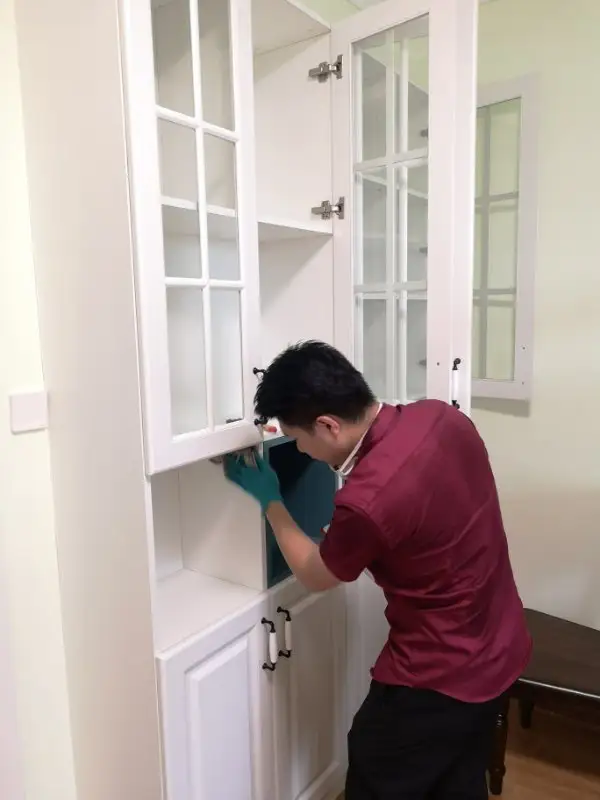
6. Sea Freight, Claim Case & FAQ
Ocean transit is where claims spike—day/night heating cycles form container rain, trans-ocean temperature swings create condensation, and 25-45 days in a sealed box means any small moisture load multiplies. Container prep:
- Hang T-1000 shipping container desiccant strips (4-6 strips per 20 ft container, 8-10 per 40 ft) before loading; each strip absorbs over 200% of its own weight in moisture;
- Wrap each piece in iHeir anti-mold packaging paper as an inner moisture barrier;
- Seal container door gaps with waterproof tape to stop sea-spray ingress.
Case study: a Foshan four-piece sofa exporter received a £32,000 mold claim from a UK buyer in 2024—40% of armrests had green mold on arrival. Root cause: finished-goods warehouse had logged 78%RH for two weeks, no container desiccant, and only an outer layer of anti-mold paper. After corrective action (humidity controlled to 55%RH, 6 strips of T-1000 per container, inner-wrap anti-mold paper), the next five shipments had zero complaints.
FAQ:
Q1: Can I add a water-repellent finish to fabric sofas? Will it affect breathability?
A: Yes. A water-repellent finish (iHeir water repellent) reduces breathability by roughly 10%-15%, acceptable for outdoor or water-resistant orders. Indoor sofas are better without it—the reduced airflow hurts seat comfort.
Q2: Can I use Power Pak anti-mold chips and silica desiccant together?
A: Yes. They complement each other—Power Pak neutralizes mold spores, silica absorbs moisture. Put Power Pak inside the seat cushion and backrest, and silica desiccant in the outer packaging.
Q3: How do I handle an incoming customer mold complaint on a sofa?
A: First wipe mold spots with iHeir-Clean mold stain cleaner (safe on leather and fabric). Then deep-treat with iHeir-CM mold remover for 24 hours. Finally re-spray iHeir-Spray (M3D). This emergency kit can save roughly 80% of an otherwise-lost shipment.
Q4: Can moldy foam still be used?
A: Foam with mold counts ≤10³ CFU/g can be cleaned (iHeir-CM wipe + drying + M3D spray) and reused; foam with counts ≥10⁴ CFU/g must be scrapped—continued use will surface at the customer end.
Q5: How long is the mold latency period inside foam?
A: From production to the customer opening the box, foam mold latency is typically 30-60 days—right across ocean transit + overseas warehouse + final-mile delivery. If a customer smells mold within 7-10 days of use, 95%+ traces back to insufficient foam treatment at the factory. Run a 28-day accelerated incubation test (30 °C / 90%RH) on each batch of foam before shipping to surface the risk early.
For a complete “zero-mold” Foshan sofa factory setup, contact us for sample testing and customized SOPs. Finished products are also available for fast shipment: iHeir-BJ fabric mildew inhibitor, iHeir-BJ1000 silver-ion antibacterial, Power Pak anti-mold odor chip, and T-1000 shipping container desiccant.